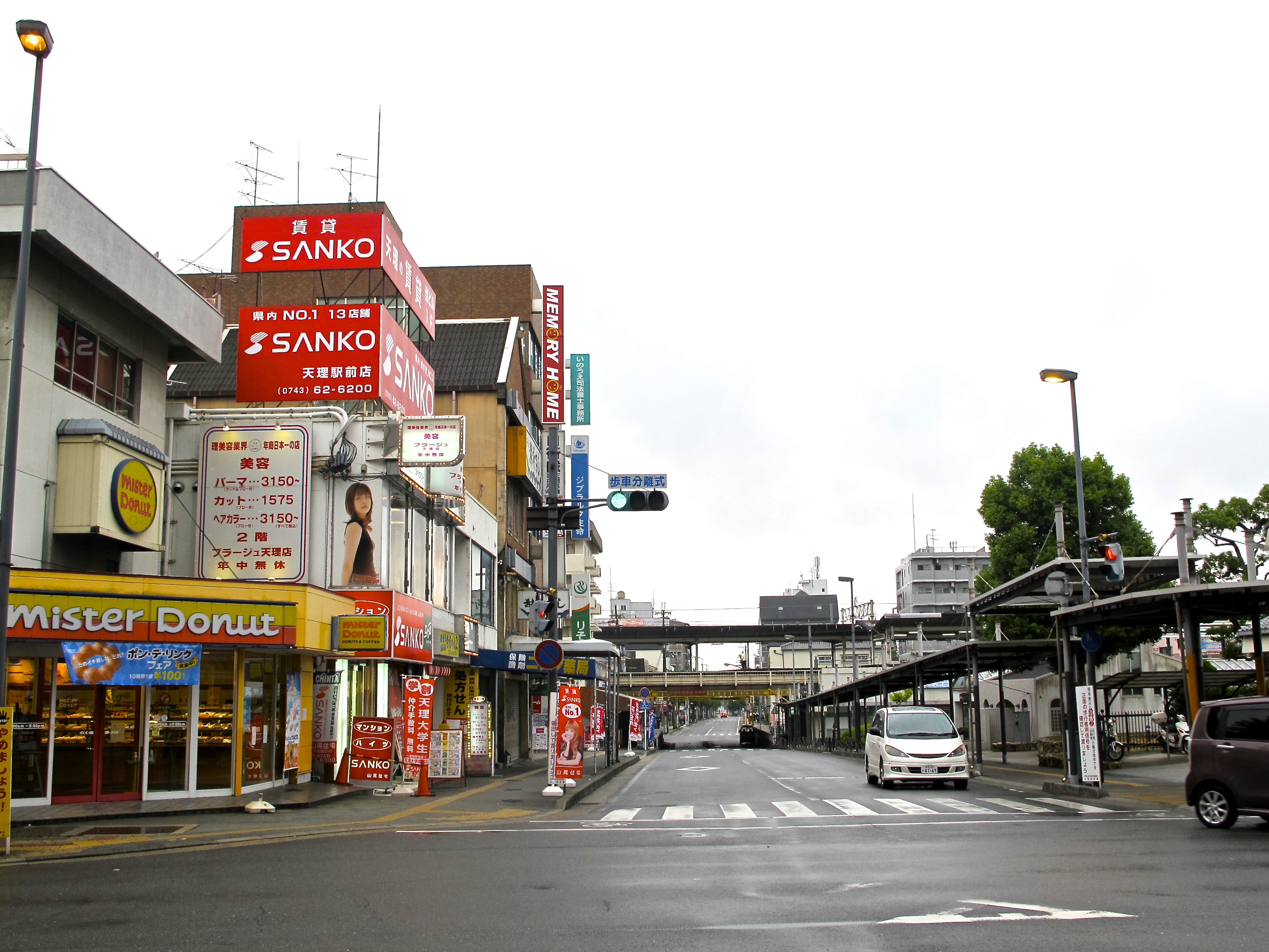
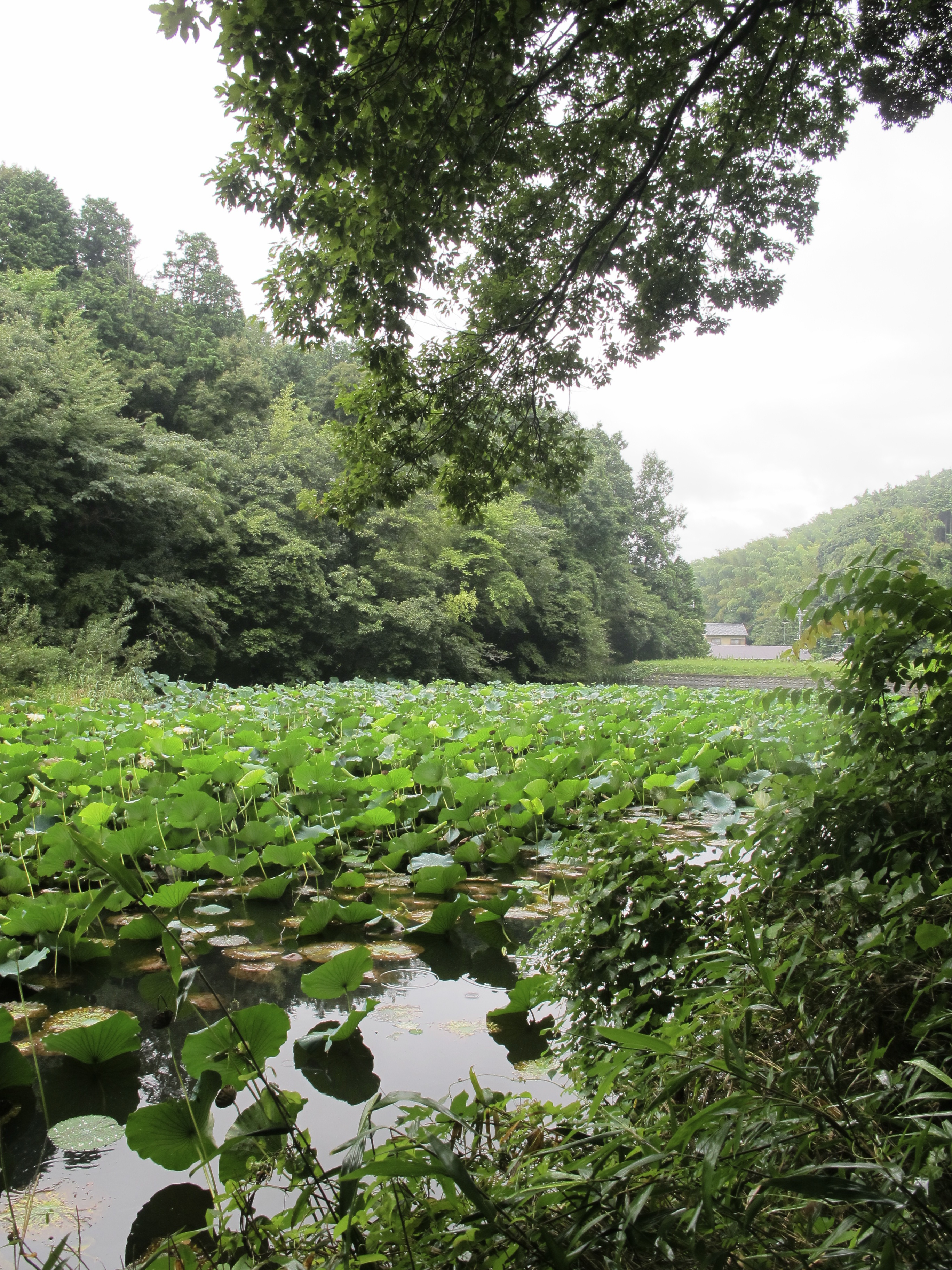
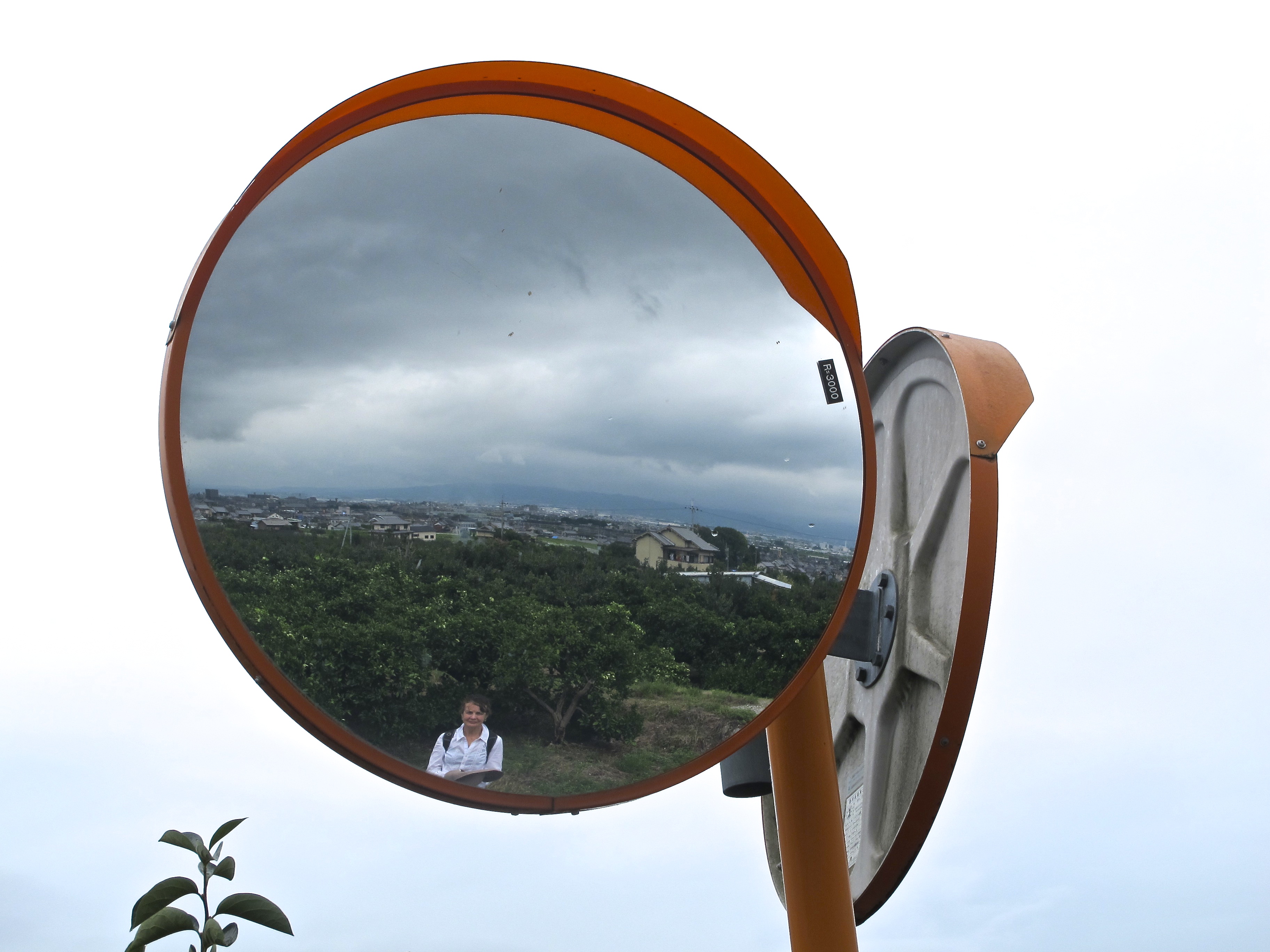
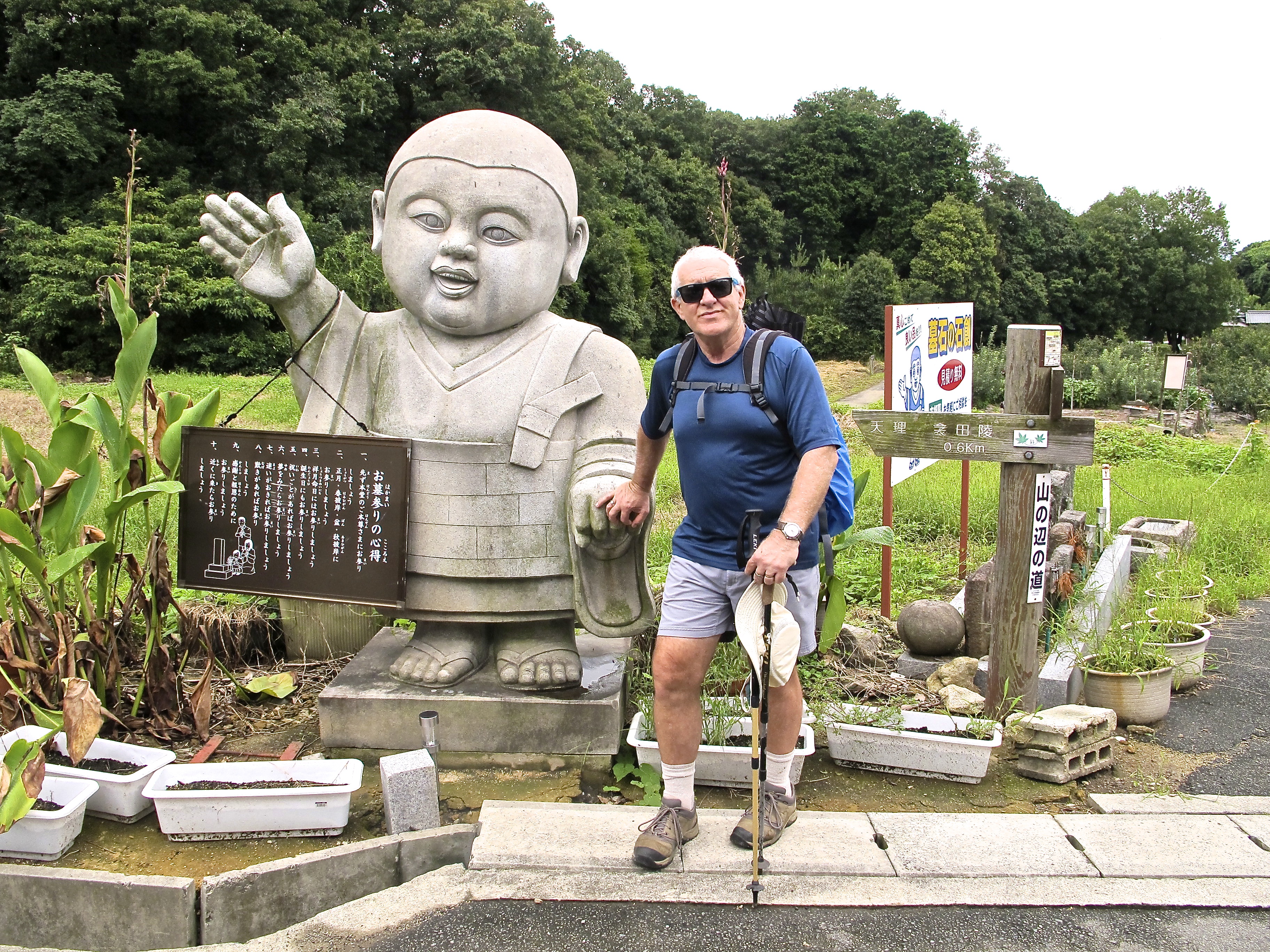
The Nakasendo Trail (#9)

800px-Hiroshige_le_pont_Nihonbashi_à_l'aubeSanjobashiOne end of the Nakasendo (‘central mountain route’) trail is the Nihon (‘Japan’) bridge in Tokyo and the other is the Sanjo bridge in Kyoto. The trail linked the two capitals — political and imperial — in the Edo period (1603-1868).

The shogunate established five roads to link Edo (Tokyo) with the rest of the country to enable/encourage/force regional overlords to conduct the practice of sankin kotai, ‘alternate attendance’. This required the overlords to spend every alternate year in Edo. Even when they went back to their lands their families remained in Edo as hostages — a fairly thorough way of keeping an eye on things which is perhaps why the Edo period lasted so long. It wasn’t just control of the location and family of the overlords that kept them subject. The cost of travel kept them poor. But this process did lead to extensive road building. Sekisho (checkpoints) were established on all routes to constrain unauthorised travel.

Today some of the 530 kilometres of the ancient trail is hidden under modern roads and rail tracks, but there are still parts which have been maintained in their cobbled glory with some more like narrow goat tracks and very hard to imagine as a sub-regal highway. There were parts where it was hard to imagine even a sedan chair being navigable. These roads grew post stations which became clustered with ryokans and rather more grand hospitality for the grandees who were travelling.

We had to get back to Tokyo from Kyoto, and Oku (‘outside’/’outdoors’) Japan had just the thing: a five-day walk through some of the road less travelled, staying at ryokans in post stations on the way. Our luggage could by handled by takyyubin, a most efficient service which couriers parcels, luggage and so on from one place in Japan to another in 24 hours. We saw our bags again half way, but as it turned out we could have sent them straight to the airport hotel. Modern walking clothes dry overnight and the ryokans provided toiletries, slippers and yakuta.

On the dulcet night before we left Kyoto we dined sitting next to the Sanjo bridge looking out over the Kamo River. A version of Chinese food for some reason (location location location I fancy), where we had trouble getting across the idea of plain steamed rice, but the beer was excellent. And then we had to get to the starting point.

I’ve mentioned the issue with starting points elsewhere. Weeks before, looking at the track notes in North Melbourne — all 52 pages of them, unbelievably thorough, with pics — I thought how on earth are we going to all do this? It’s so complicated.

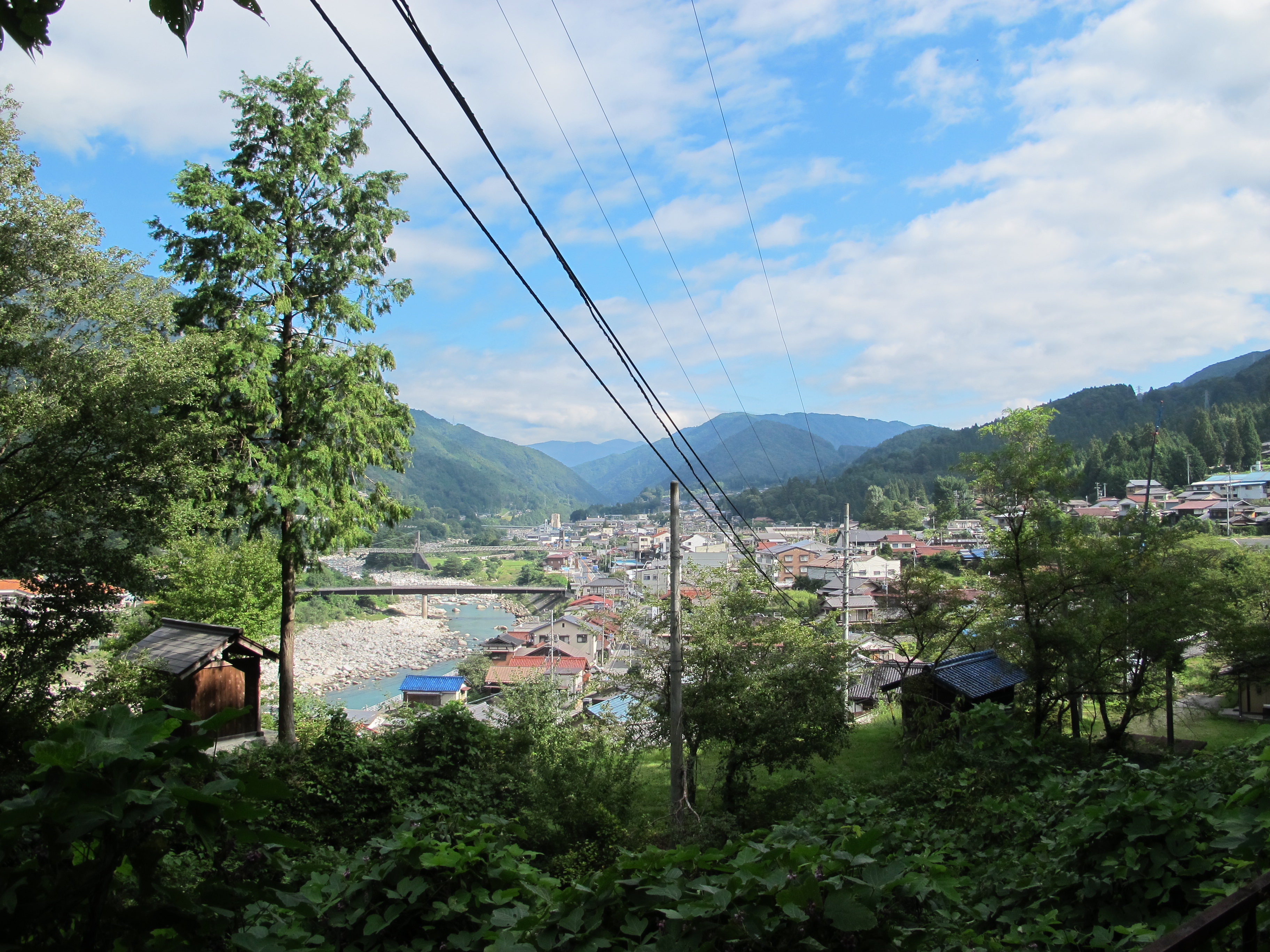
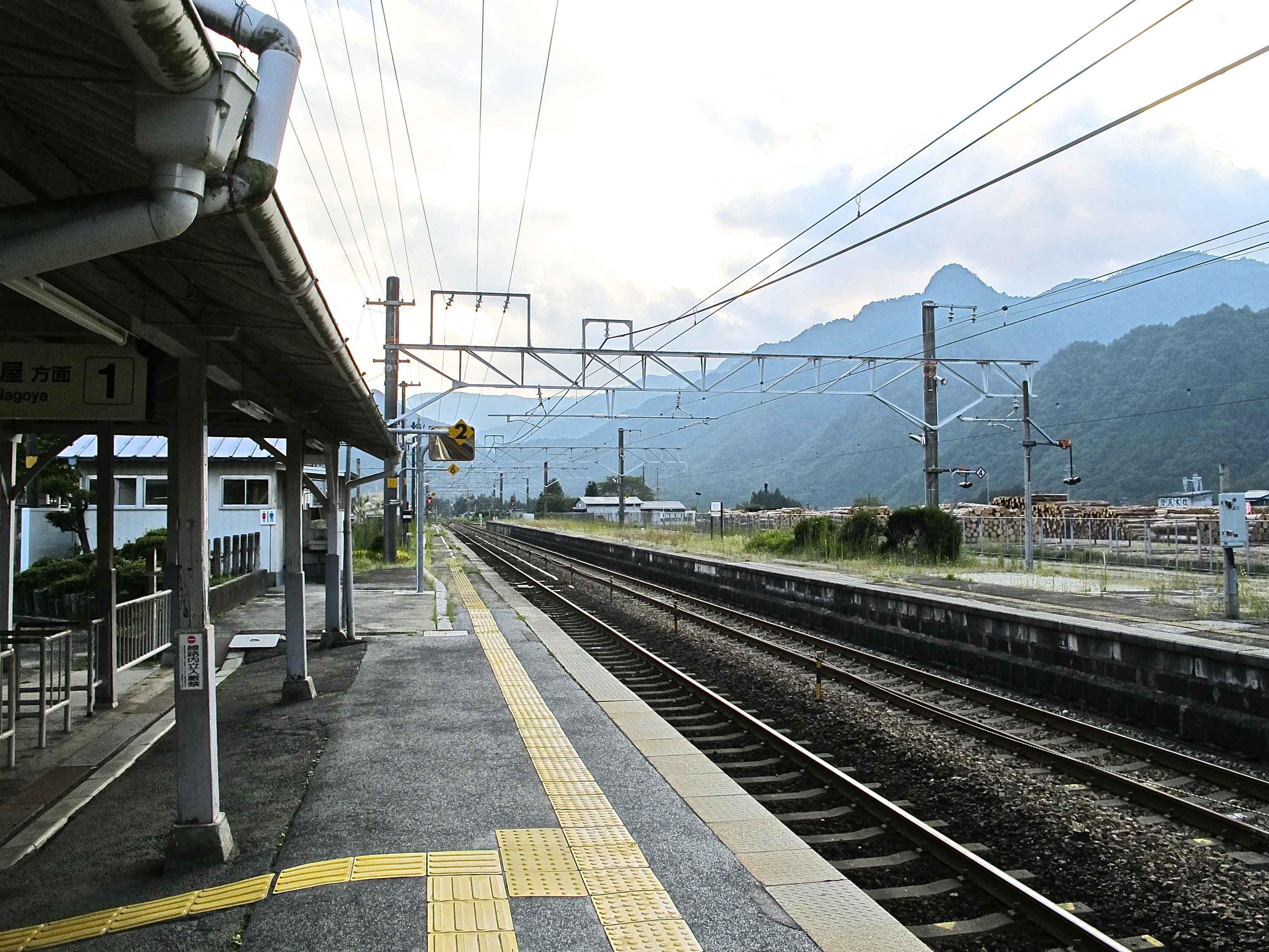
The first time we went through Nagoya Station I wasn’t any more confident. But after three weeks we had public transport fairly well under control. Shinkansen from Kyoto to Nagoya, work your way through the station and find the right platform for the semi-express to Nakatsugawa. At Nakatsugawa find the bus for Magome. IMG_2990The result is pictured. Always a thrill to get where you’re supposed to be.

Magome to Tsumago

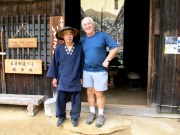
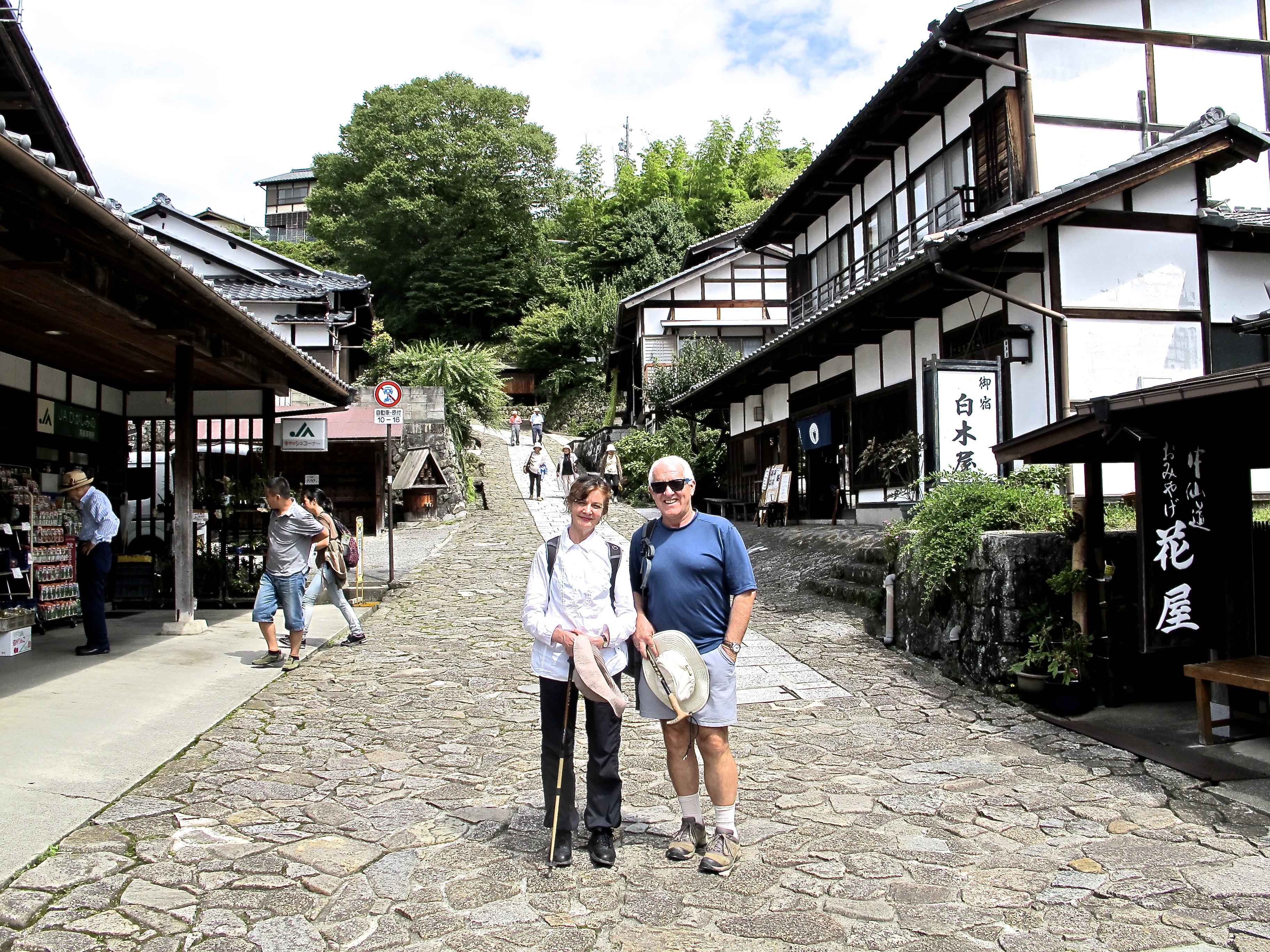
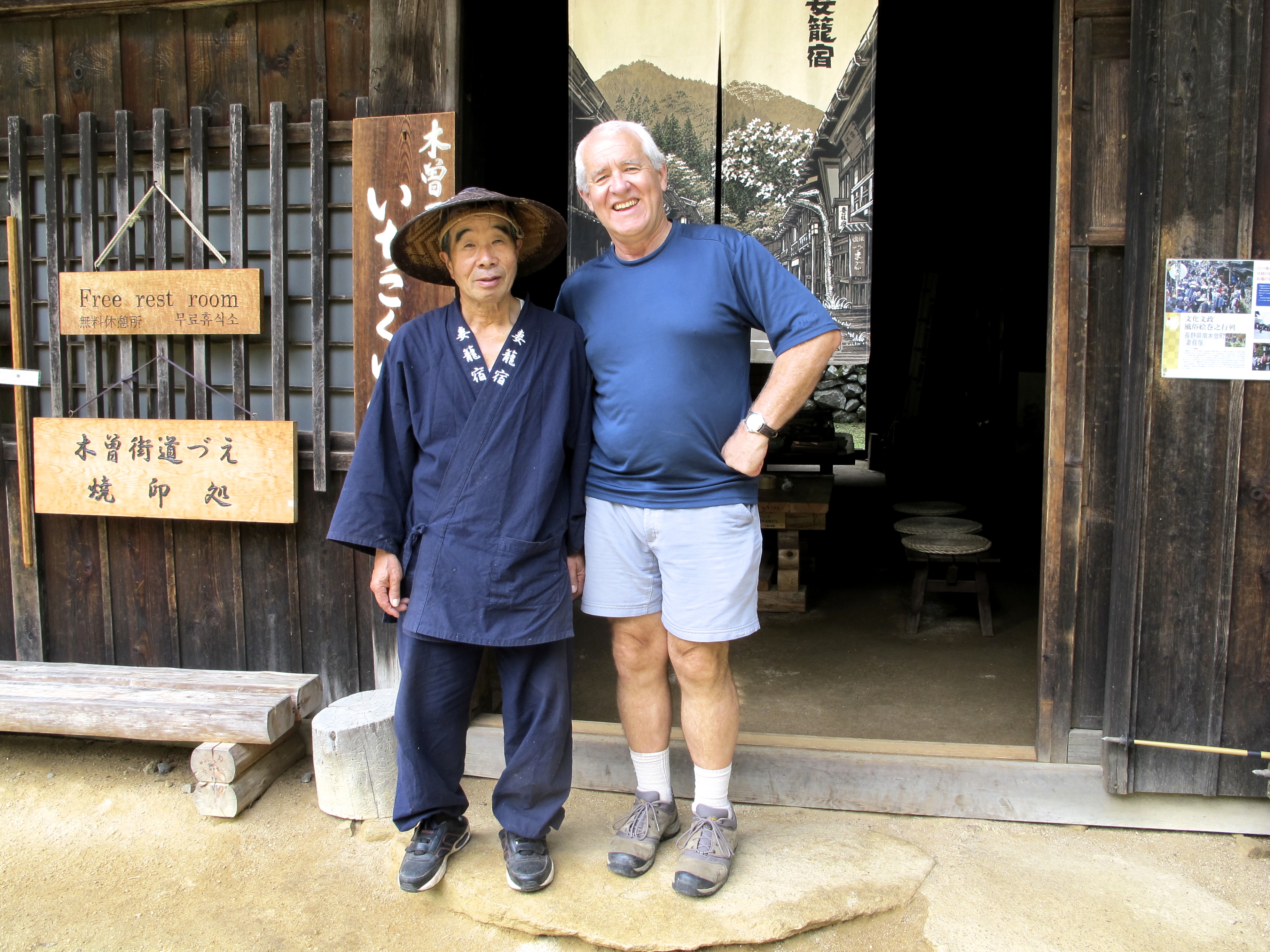
is a path very well travelled, about 9 k.s with a bit of a climb up to a pass cunningly named Toge (‘pass’). Magome is a well-patronised tourist town with a lovely view over to a range of mountains topped by Mt Ena at nearly 2200m. You could happily spend an hour or two there. But we were ready to get going.  And look at us (in the main drag of Magome) — clearly ready for anything.IMG_2995.JPG

As it happens this pic was taken by a representative of the competition, British travel company Inside Japan (yes Inside and Outside, that would just about cover it) who was rushing ahead to check the route but walking on air over the fact that Tokyo had just been awarded the Olympic Games.

Nearly two pages of the notes are devoted to negotiating your way from this point to the top of the picture. Oku clearly don’t want their clients to be lost. The notes advise you to sample the noodles at a cafe near the top of the pass, and I can confirm the quality of the recommendation, although it had been a while since they had had Australians through.

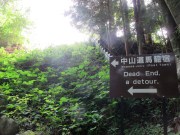
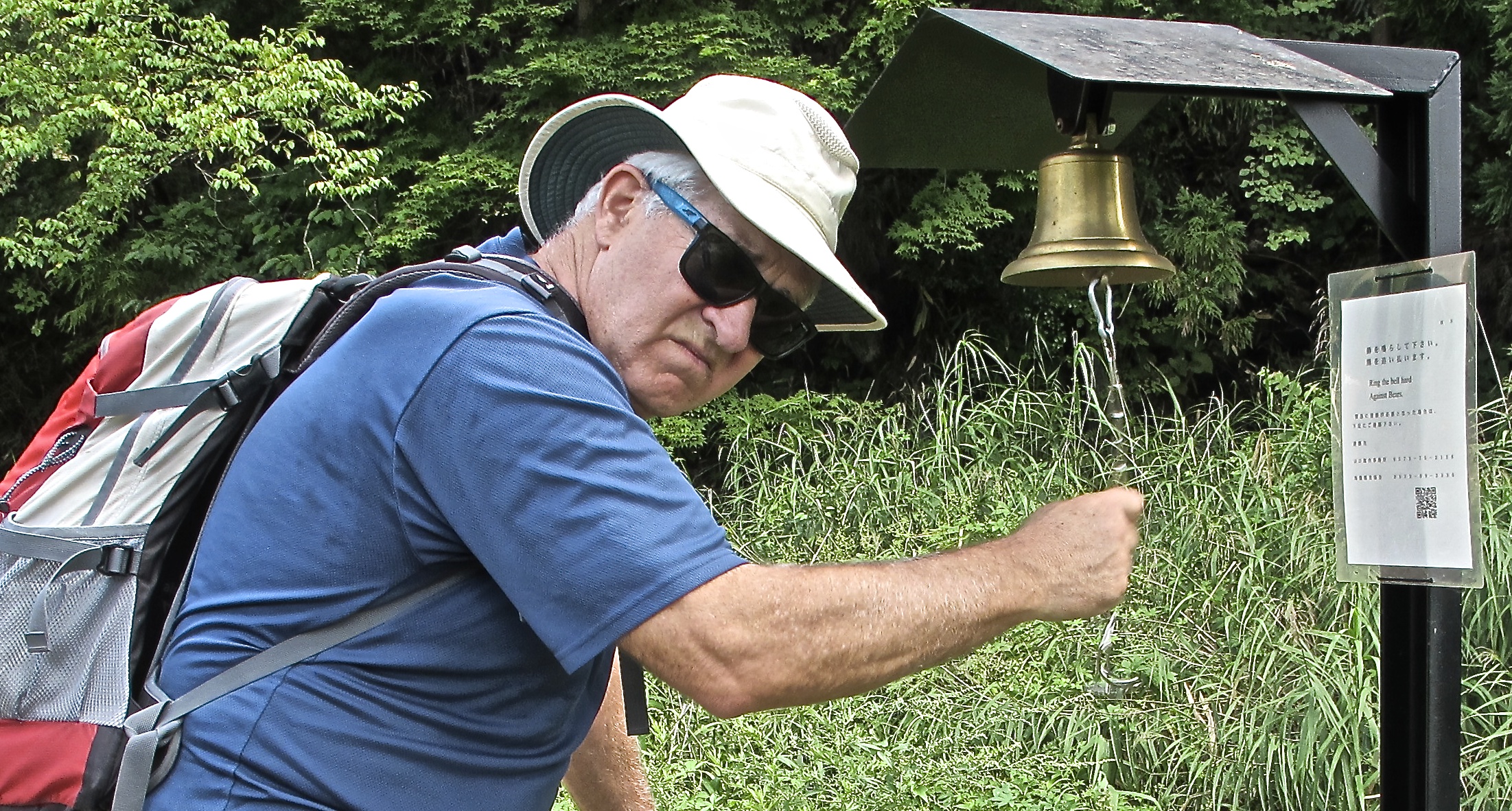
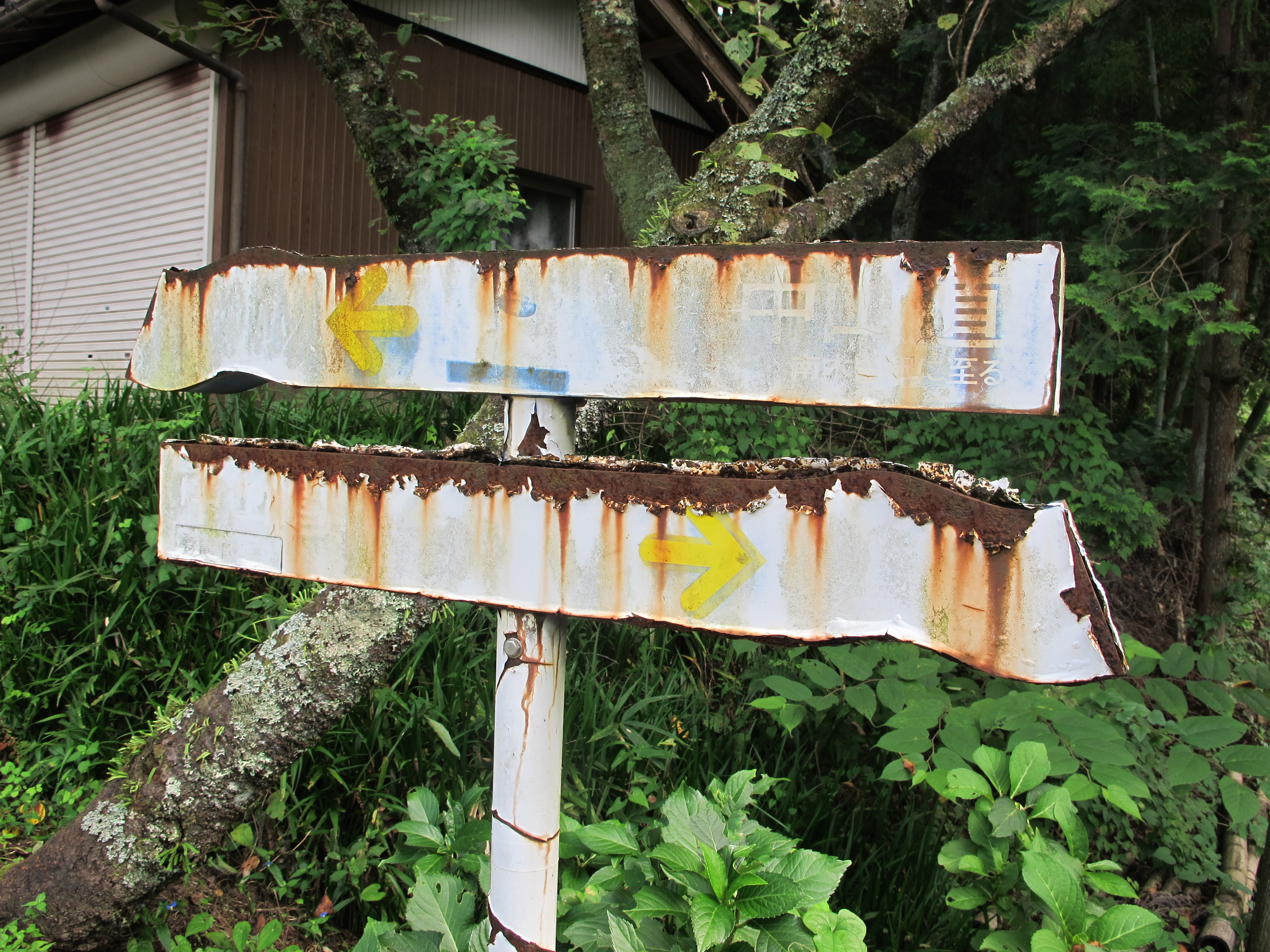
IMG_3001.JPGIMG_3000There were a lot of warnings on this track. In fact, prima facie, it seemed like a real test of courage. Had the bear warnings of course, and every few hundred metres a bear bell to ring for the fools who hadn’t brought theirs along. I enjoyed them. But in fact we were more likely to be attacked by signage and rest rooms (16 in 8 k.s. Could this be a record of some sort?) than wild creatures. Signs for Tsumago-juku were everywhere, and really all the notes needed to say was ‘follow your nose’.

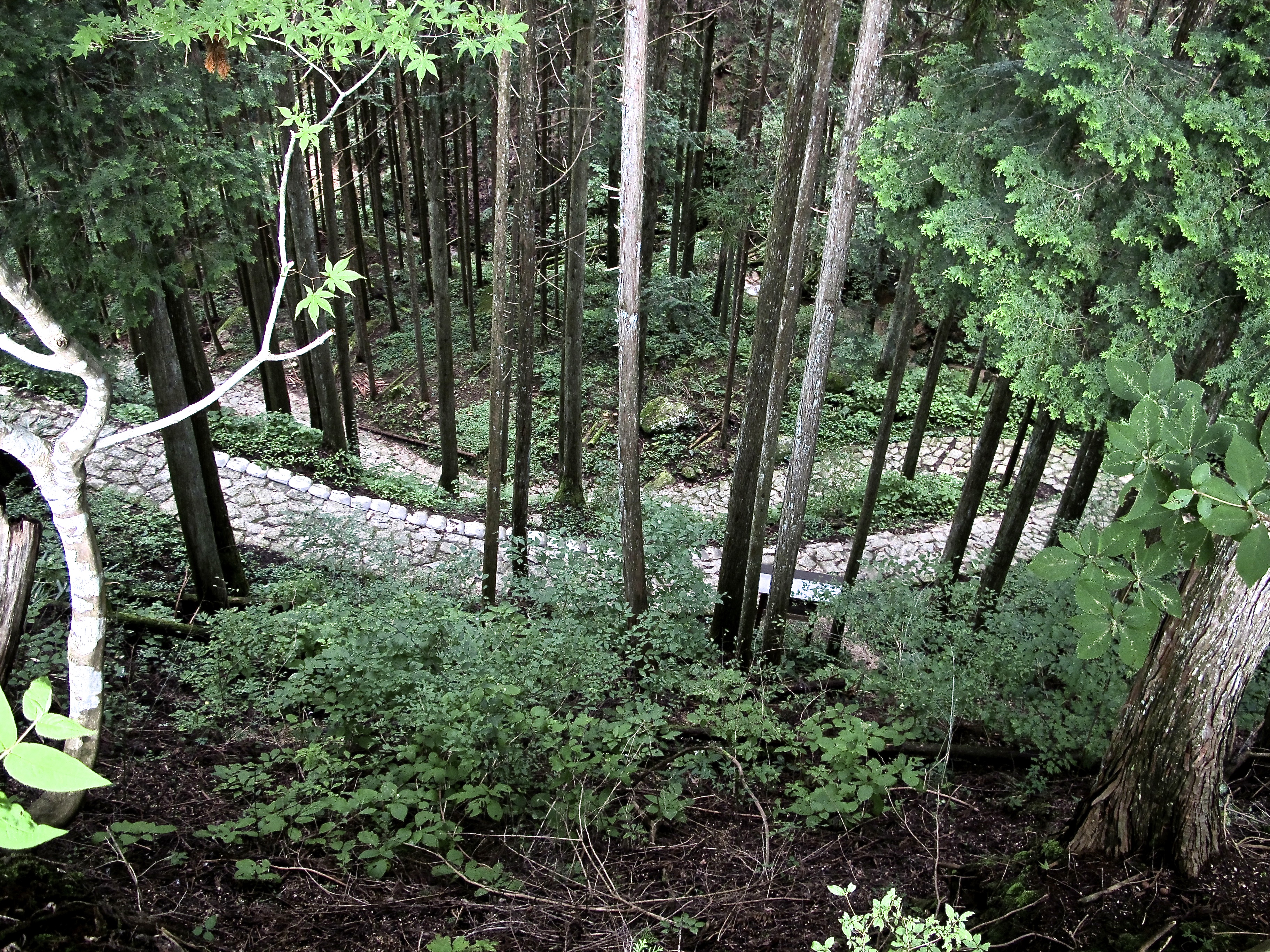
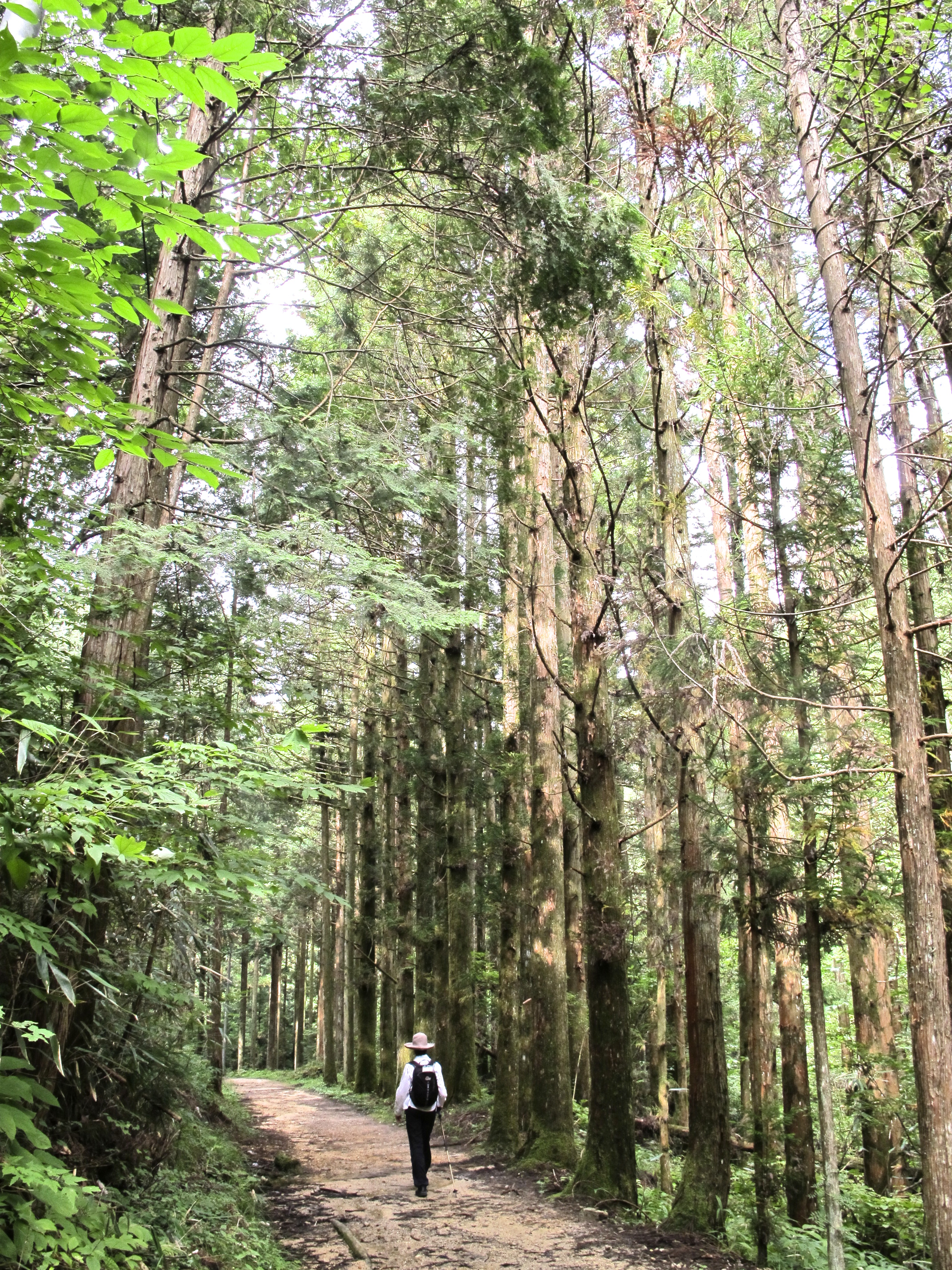
But there were some lovely swirls of forest and signs of what the trail may have once been like.IMG_3016.JPG
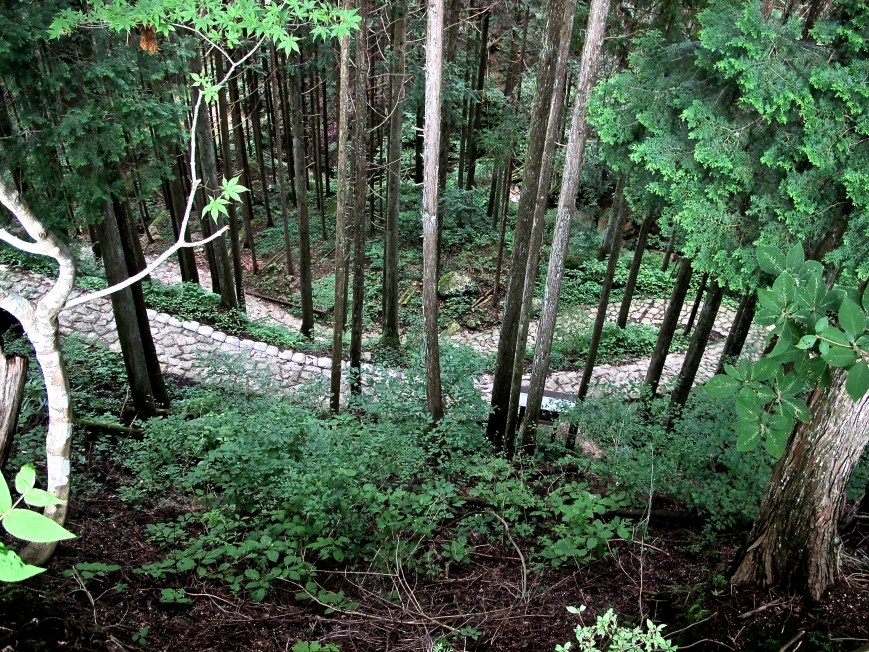
IMG_3014IMG_3013We came across quite a lot of trees bound up like this. Why would that be?

Other parts of the forest were quite grand and we tracked happily along on another hot and steamy day. IMG_3010.JPGIMG_3011.JPGWe did run into one cheerful bandit who in this ancient tea house provided us with two cups of green tea for which I ‘donated’ 1000 yen (10 bucks). The tiger. But as if you’d mind. A hundred or so metres off the track from here was a cherry tree which was supposed to be several hundred years old. I tried and failed to make a photograph of it interesting.
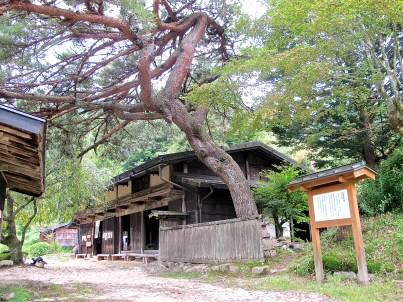
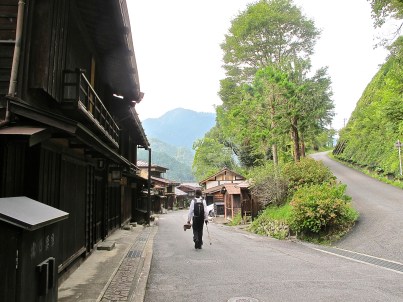
Event free, we just wandered on and after a few hours arrived at Tsumago, sweaty and cheerful. I might mention that we walked past a denim shop here which offered a jacket with Hokusai’sThe Great Wave off Kanagawa embroidered on the back of it and other equally remarkable designs. Tsumago could have withstood much greater investigation but we were were having onsens.IMG_3021.JPG
Tsumago to Kiso-Fukushima

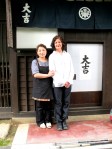
IMG_3033IMG_3035 As we bade farewell to our very warm and gracious host at the Daikichi Minshuku (she and her son cooked the meal pictured inFood) the signage dropped off a bit and the rest rooms became less insistent.

It was a real walk this day, a genuine walk. Probably 20 k.s the way we did it, with an overall 400m gain including a real puffer for an hour or so up to the Nenouetuoge, the pass of the day. And it was hot hot hot, and steamy steamy steamy. Bright sunshine for most of the day, and we were very glad of forest shade.

There was also a time issue. Our final destination was Kiso-Fukushima but we were to get there via train caught at Nojiri. The early train went at 2.49; the later one at 5.31. The description of the ryokan in the notes suggested the desirability of an early arrival. No big deal, just something to keep in the back of your mind.

IMG_3044The first stop was Nagiso to get some lunch. It was relatively early and I made the wrong choice about how to get across some railway lines to the shop and we noodled round there a bit. What did we buy? Two fantastic looking peaches that turned out to be rotten, some first grade monster apples, some Pocky (chocolate covered pretzel sticks for someone who likes such things), some shocking doughnut-like substances in individual cellophane wrappers. Mmm bad buying, but I think the best we could have done in the circumstances.

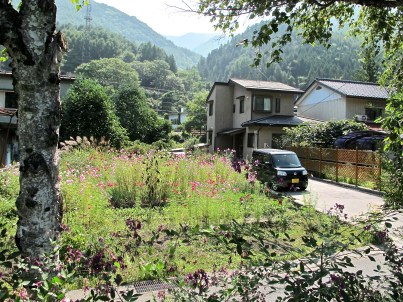
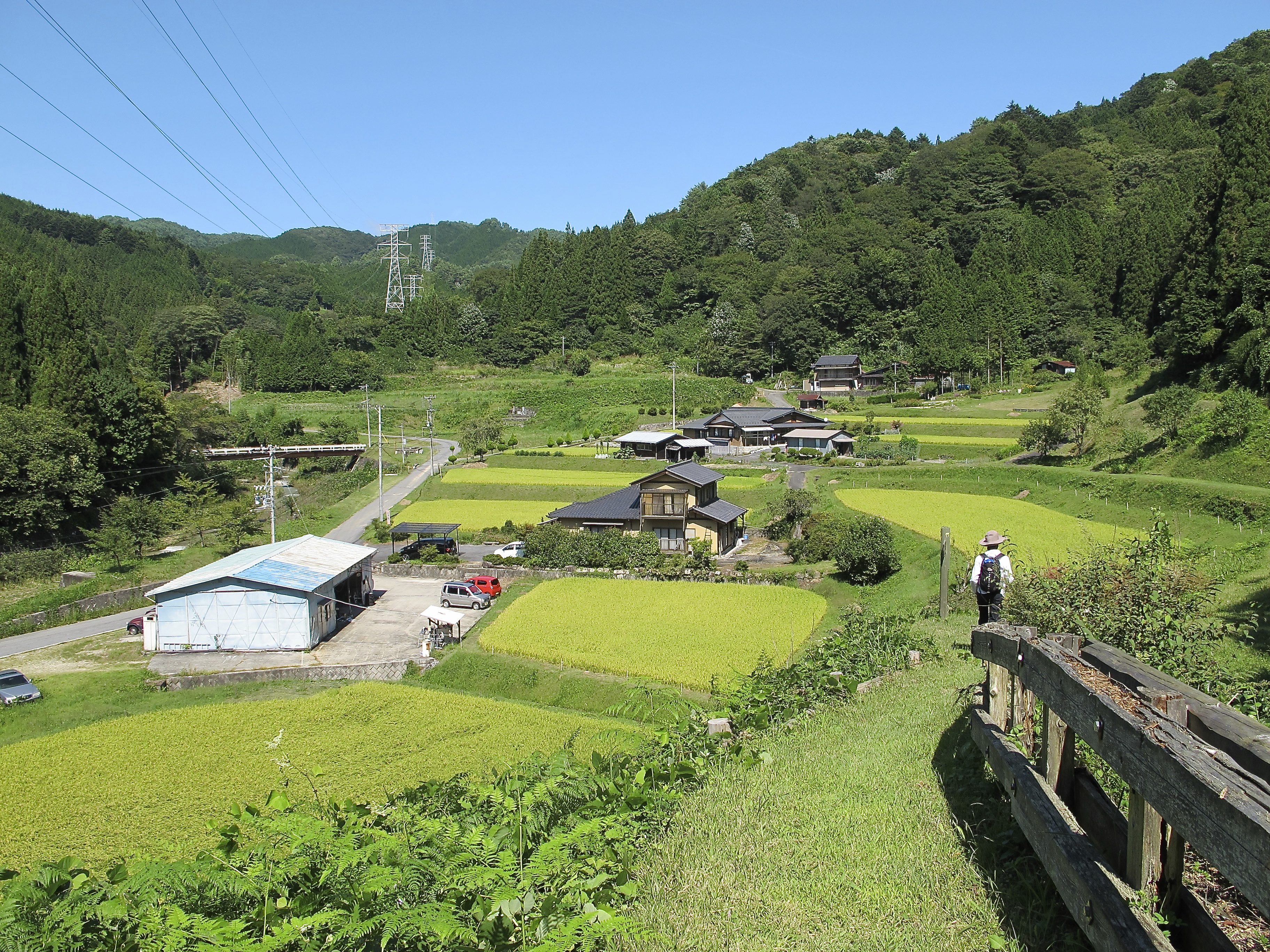
The climb then began, just steadily at first through a mix of forest and farm land. There were also plenty of downs so the total climb for the day was much more than 400m. But it was beautiful, and varied: and there was water all the way, yama no mizu, mountain water. Harvesting rice, a bamboo forest among other small joys.

IMG_3048.JPGIMG_3053.JPGIMG_3054.JPGIMG_3056.JPG

But, as the pics illustrate, not really remote. We were in fact walking up the Kiso Valley in its various manifestations.

IMG_3058I’ll stick this thumbnail in here just as a reminder. Mernz is filling up with yama no mizu at the spot where a few moments previously I had tipped the contents of my pack into the creek, especially the track notes which were sodden, somewhat darkening my mood.

We weren’t that far from the top at this stage, 20 minutes maybe, and I’d done some sums and was reasonably confident we’d miss the early train by about 10-15 minutes. We popped out the top as one does, and there was a sign on an asphalt road saying Route 19 5.3 kilometres and it was 2.12pm. That road curled and it curled and it curled but we were going downhill on a gradient suitable for driving, the footing was firm, it was shady and we got up a Melbourne Cup pace. But there was a trick on the outskirts of Nojiri. We needed to get off the way to Route 19 and go to the station (still most of a kilometre away) and the route was signposted but looked discouraging. So a few moments of dither before we chose to go with the signage, and we missed the early train by four minutes. Bum.

A few other trekkers arrived from somewhere (but their train came an hour and a half before ours did. Damn! They were going down the valley and we were still going up). We watched the kids coming home from school on the train, I bought some beer (with the shop lady playing ‘Waltzing Matilda’ on her sound system for me), wrote my diary, read my book (on my iPad) and wiled away the hours and meditated on a great day of walking.

IMG_3059.JPGNojiri was a teeny tiny timber town. These towns we frequent … they’re all tourism, timber-getting or skiing. The train came and yes, this was the train that made an unscheduled stop and that I was sure Mr JR was going to have to apologise for. It was another ‘local’ and didn’t just stop in the middle of the route but everywhere else as well. But, lo and behold we arrived at Kiso-Fukushima (ski town) exactly on time.

Using my best Japanese, I rang the ryokan and solicited a lift. And, just as suggested by Oku, ten minutes later the van arrived to pick us up; ten minutes after that we were taking our boots off at a very stylish resort-style ryokan. It had chairs.

Kiso-Fukushima to Narai

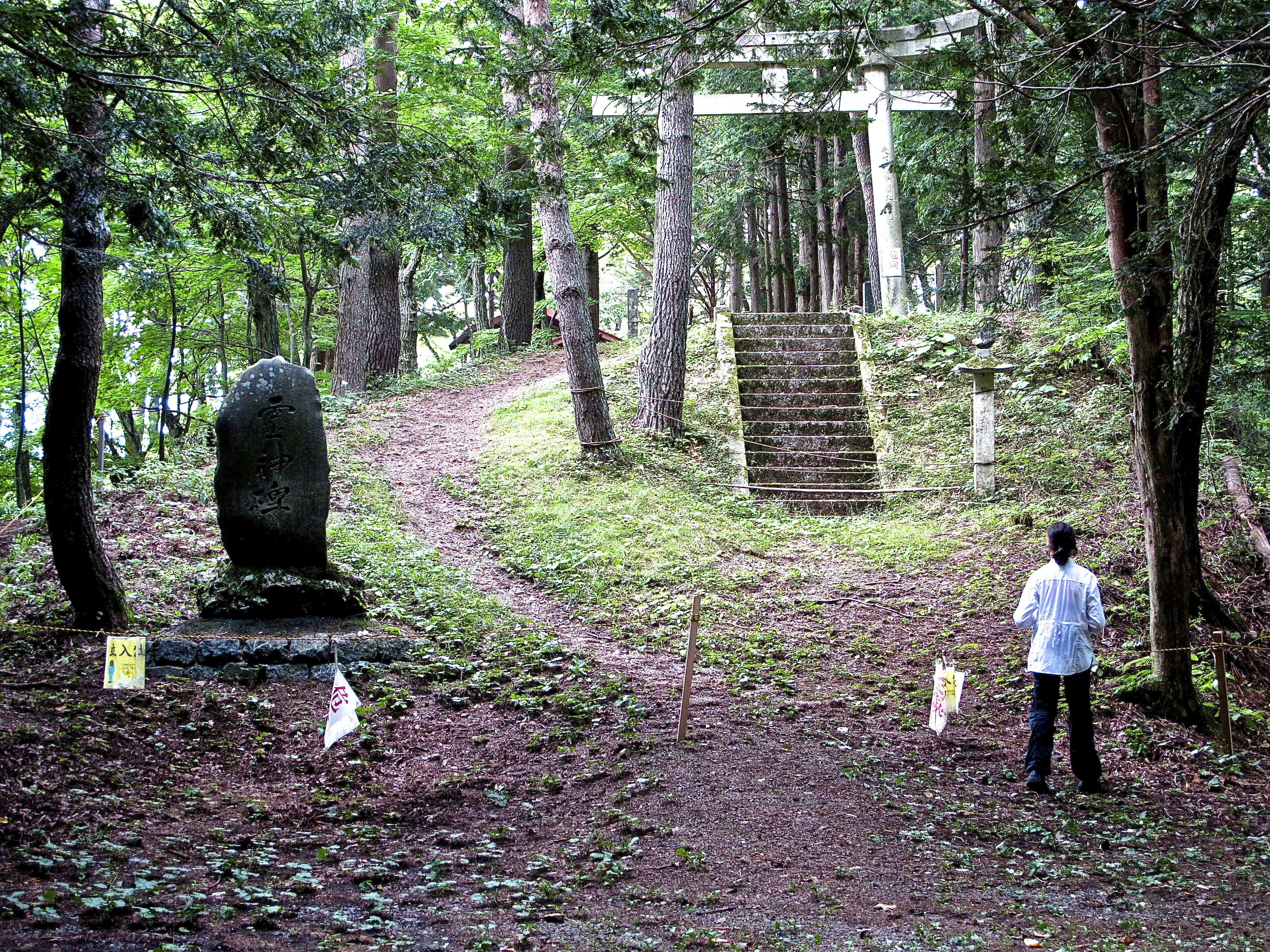
‘One of the hardest parts of the Nakasendo’? No, not really. We went back into town after a leisurely morning (‘Fukushima in the region of Kiso’ for those who are thinking about that name in other sadder contexts) and caught the train to go further up the valley to Yabuhara from there climbing over the Torii-toge, the ‘gate pass’ mentioned in ‘Orange‘. It is at 1200 metres but you start a bit under 900, and it just seemed to go easily. Nicely graded track, well-signposted, everything in the right place. We had lunch, a more successful lunch, on the pass and found the torii. I think but I’m not sure that this is pretty close to the exact half way mark of the whole Trail.
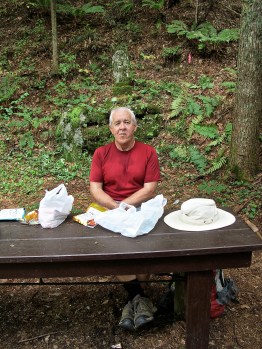
IMG_3073.JPGIMG_3072.JPGAfter the pass there was a ‘promenade’ staying up high but on the contour with views. We saw a snake and some monkeys and were joined by a couple of other walkers. Like Magome to Tsumago, it is a well-established and well known walk and we found ourselves with an English teacher from Nagano for company.

He began by apologising for the weather. This should not be happening. The summer was exceptionally late; there had been flooding rains; everything was topsy-turvy. Did we have climate change in Australia? I was able to assure him we did. We chatted on for 15 minutes or so. There was no hurry today.

We passed a site commemorating ‘one of the many attempts by the Takeda clan to break into the Kiso valley and fight against the Kiso clan in 1582. The invaders had 2000 samurai but were defeated and lost 500 men before retreating to their base. The 500 dead samurai are buried here. Cross a concrete bridge and then soon pass a rest area, the site of a former tea house.’

Sometimes such things resonated; sometimes they didn’t.

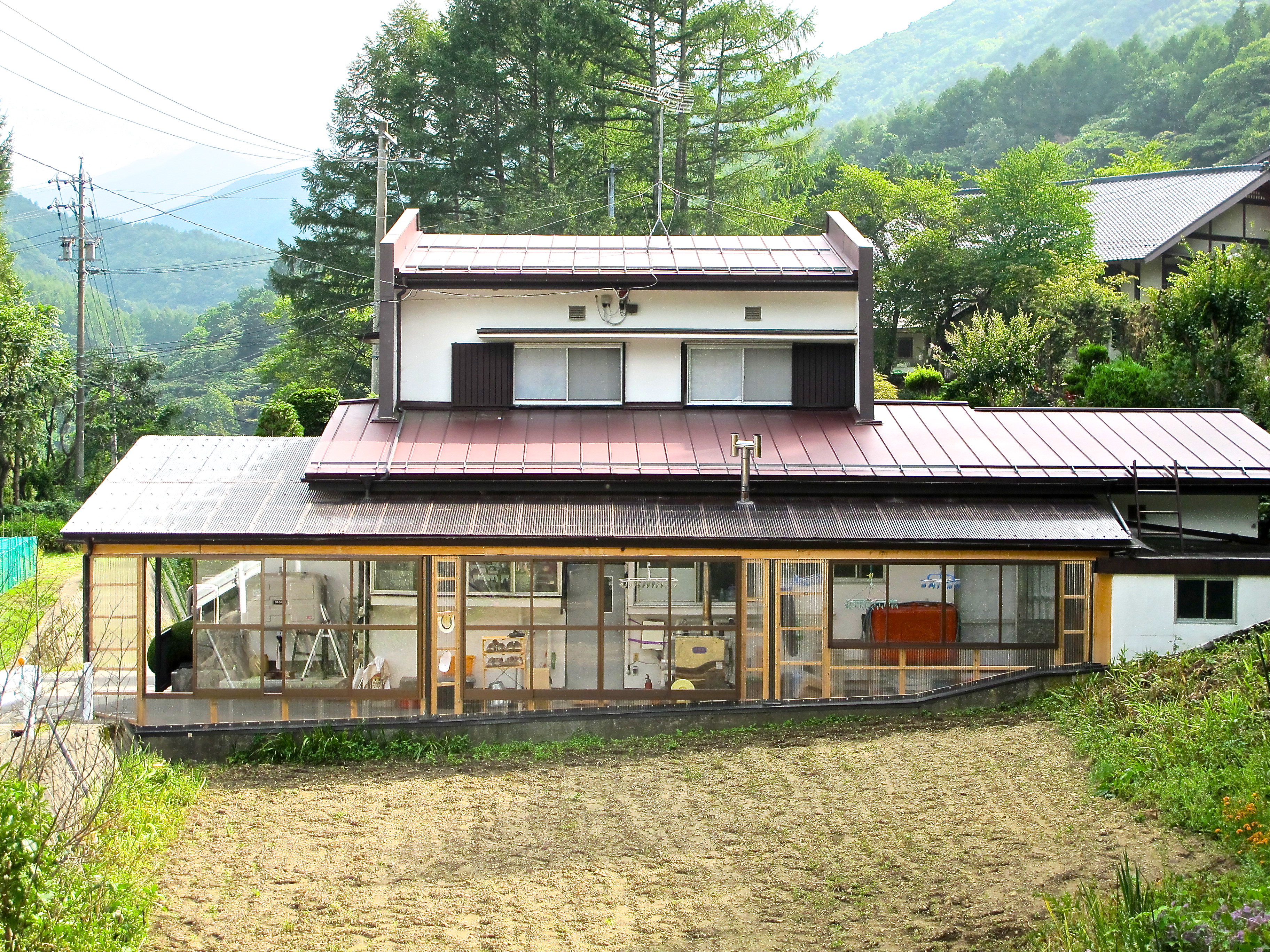
The descent into Narai was very pleasant, an easy mountain track popping out onto a road where we found a house with transparent skirts with which I was very taken. You’ll probably need to double click to see what I mean.IMG_3088.JPGAnd Narai.

Narai to Kuruizawa

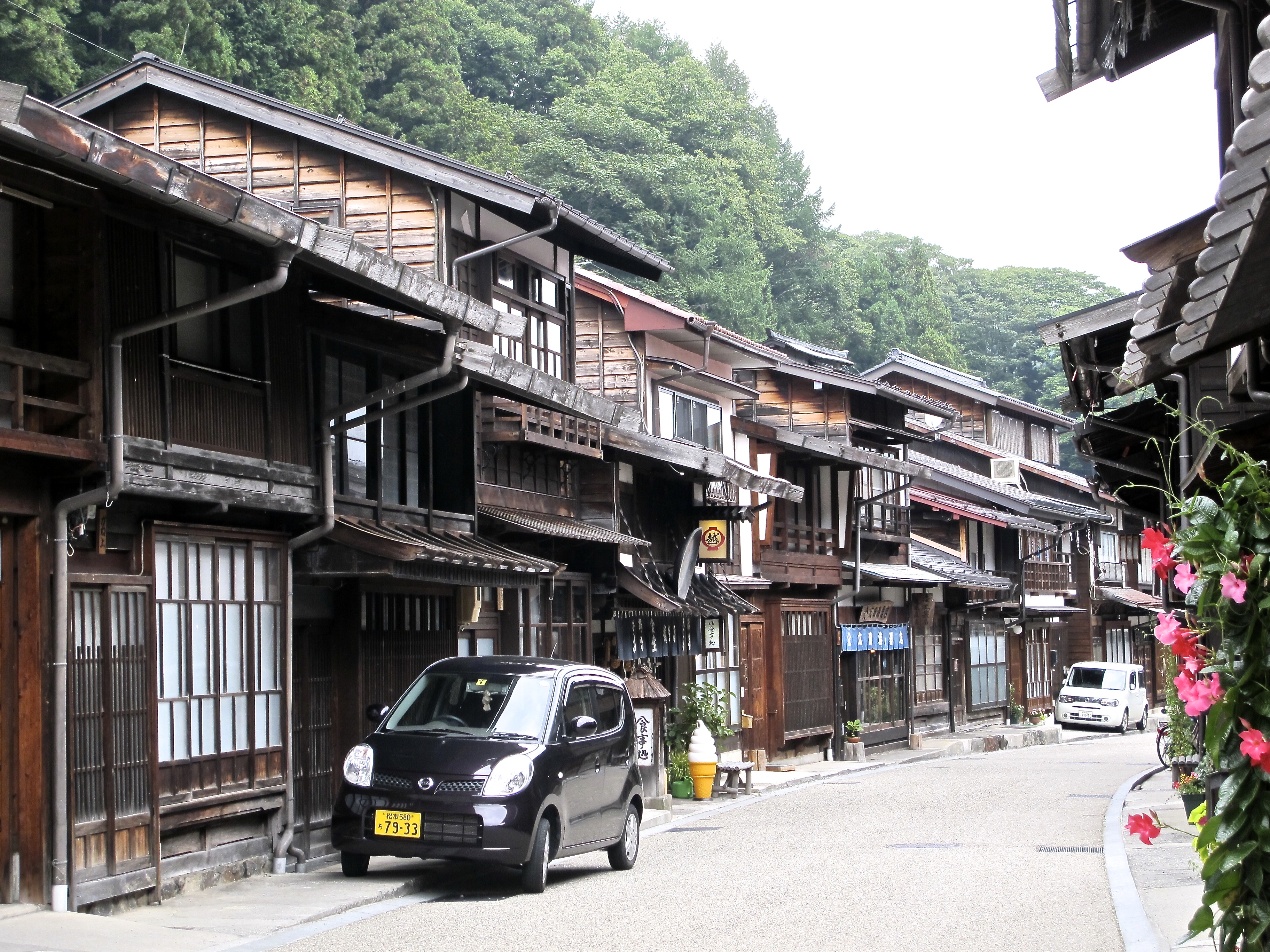
Most of these places have been razed by bushfires and often quite recently. Yabuhara had for instance. You can imagine. Paper screens, wooden construction, open fires and all set into this dense forest. But Narai had somehow been preserved, and its main street, Nakasendo dori, looked like it ought to.IMG_3099.JPG

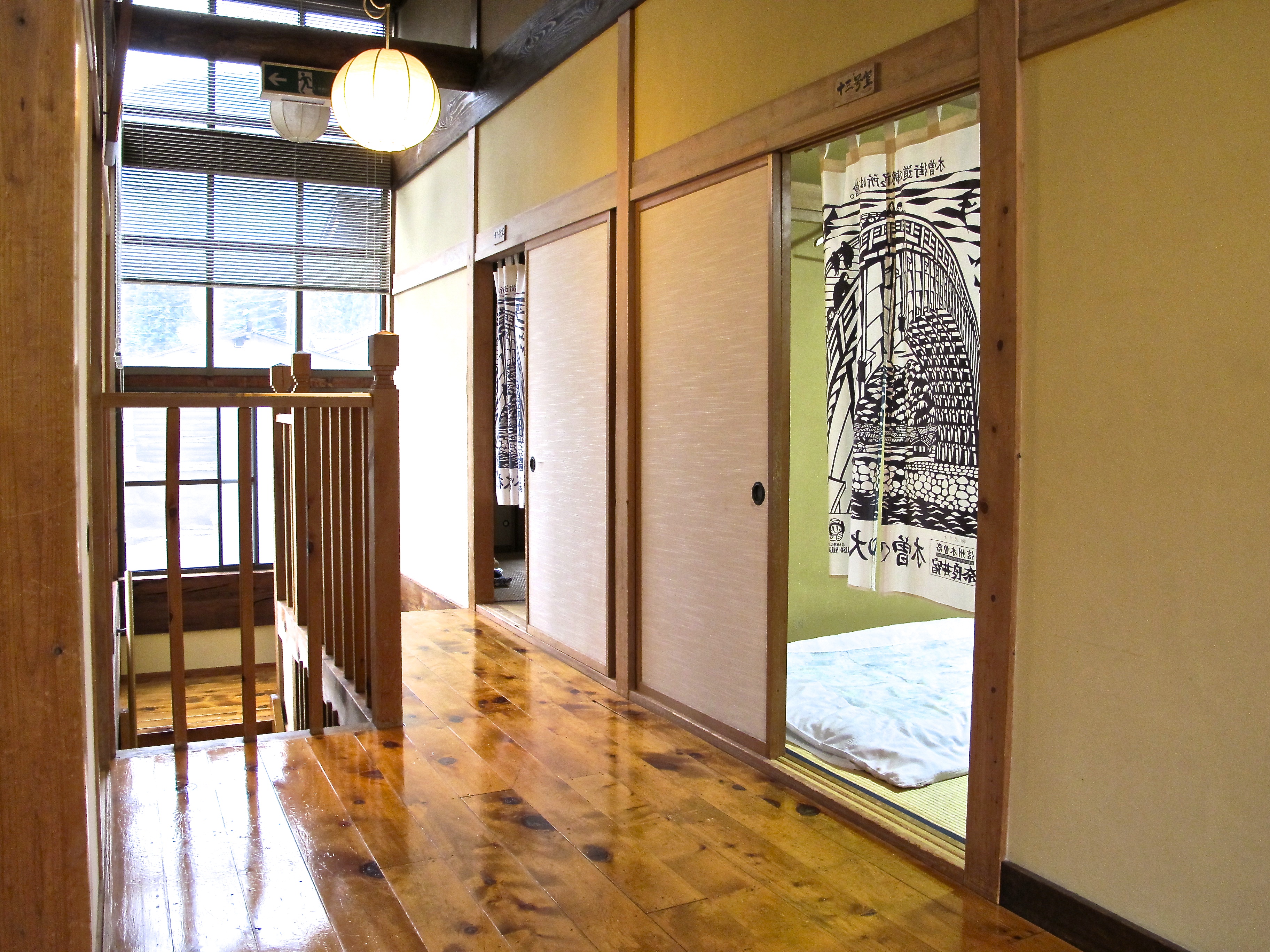
Our views about Narai were coloured by three things on arrival: a nice little museum devoted to folk arts and Narai history with a very friendly and helpful staffer; a series of gorgeous unobtrusive shrines set back into the forest wall; and a shop which had beautiful things we wanted to buy. It was a tourist town too, but I think not on the mainstream track. Good coffee, friendly people, interesting shops and a ryokan, quite Spartan, which we really liked. The entry to our room.IMG_3107.JPG

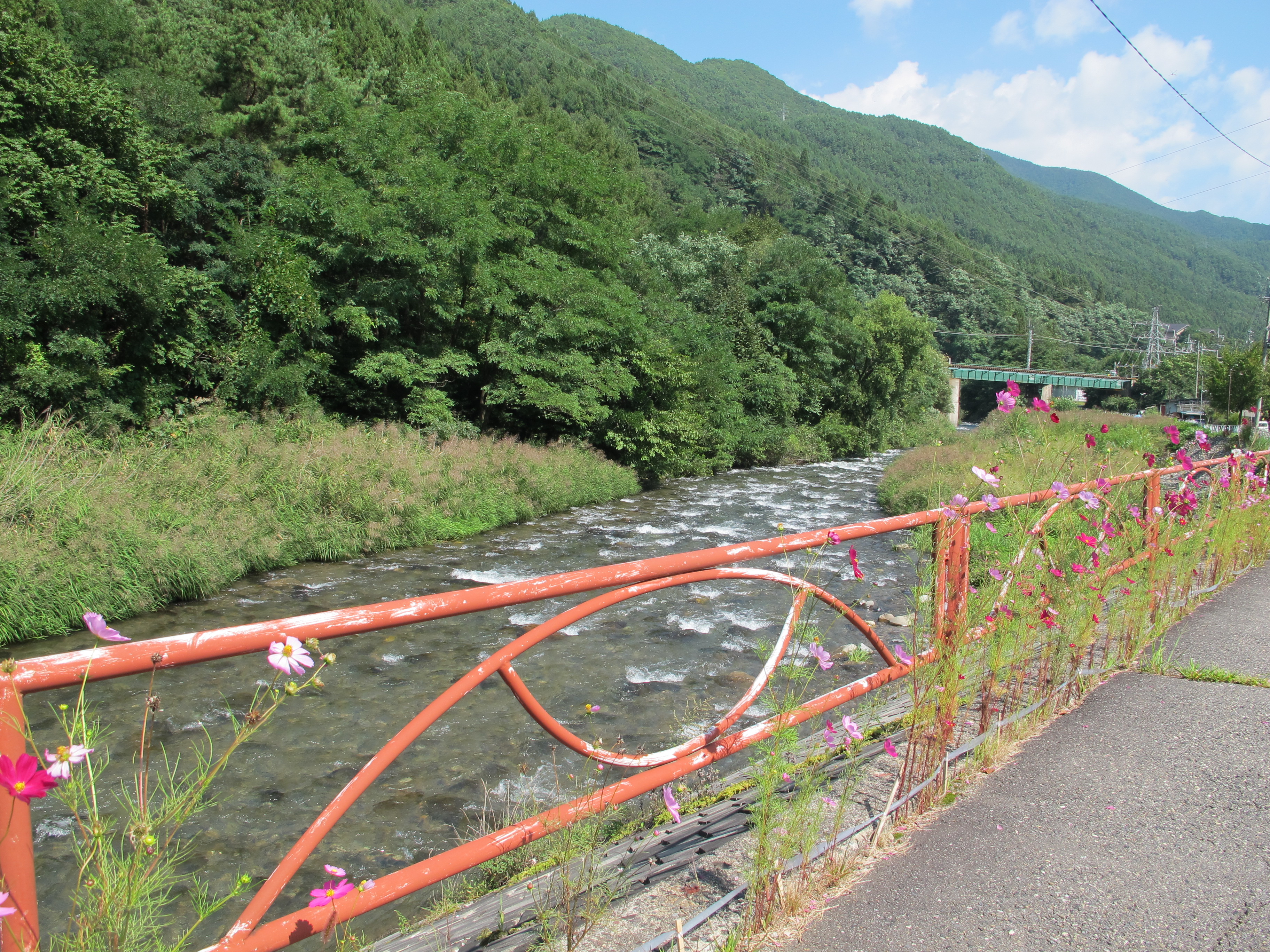
The food was great, again, and we dined with an older couple (our age that is) and a group of motorcyclists who were out on a ride. And did they have a good time! Drank a lot of beer, had the sleeves of their yukata rolled up and were ready to make a night of it. In the morning when we got up, they’d gone, and all we had to do was walk down the street to Kiso-Hirasawa, a few flat k.s following a river in spate, and then engineer our way through three trains to arrive at Kuruizawa.IMG_3131IMG_3132.JPG
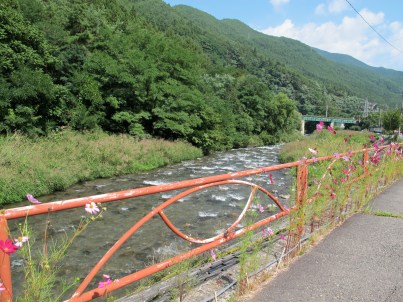
It was a beautiful day and joy filled our hearts. Kiso-Hirasawa is the epicentre, the hypocentre, of lacquerware production, something the Kiso area is famous for. Walking along a raised track above the town, it seemed that just about every building was connected to the trade one way or the other. So many lacquerware factories.

We wandered up to something that could have been a coffee shop, but wasn’t. It was a lacquerware outlet, a big one. So I sat on the step and waited till Myrna came out and told me to come inside and have a look. I roused myself and wasn’t disappointed: a place full of truly amazing lacquerware — tables, trays, bowls, boxes, ornaments, bracelets, pictures, anything you could think of, and all pretty fabulous.

Anything we bought I’d have to carry, but this was too good to miss. We bought some small things and a box about A3 1/2 size, and I worked out a way to tie this onto the back of my pack without doing too much damage to the pack, the box or to me.

By this time, when taking trains, the only sign I remained interested in was platform number. If we were on the right platform, regardless of how many trains came through or stopped, my watch would tell me if we were on the right train. We got a local from Hirasawa to Matsumoto which has a castle.

Then an express to Nagano, most of the way through tunnel, and then, bingo, we’re out in this densely populated brightly lit saucer in the middle of high mountains. Nagano: 1998 Winter Olympics, and a couple of very satisfying bentos.

Then a shinkansen from Nagano to Karuizawa. We’d been going north-westerly but then turned south-easterly towards the capital, quite a bit of travel, about four and half hours worth, and when we finally arrived at Kuruizawa, it was like ’emerging’, head out.

I had a plan whereby I’d have a reasonably clean shirt and socks to wear from the end of the next day’s walk through Tokyo to Narita. Myrna didn’t. So she thought she would try to buy something in this place we were arriving at. On the south side of the station, away from our destination a couple of k.s away, were the makings of a shopping centre, a fairly big shopping centre, which I didn’t really want to go to. I preferred to stay in the bush. So I persuaded her we’d find something on the other side, and she did — a bit nondescript, but it was clean and you could stick it over a singlet and look respectable.
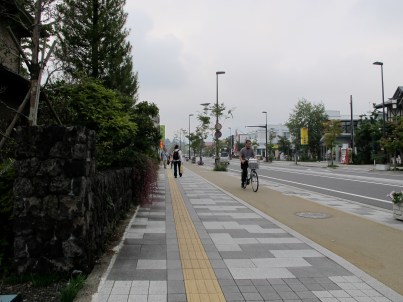
IMG_3136But while this was going on I was looking at Kuruizawa, eyes widening as I did so.

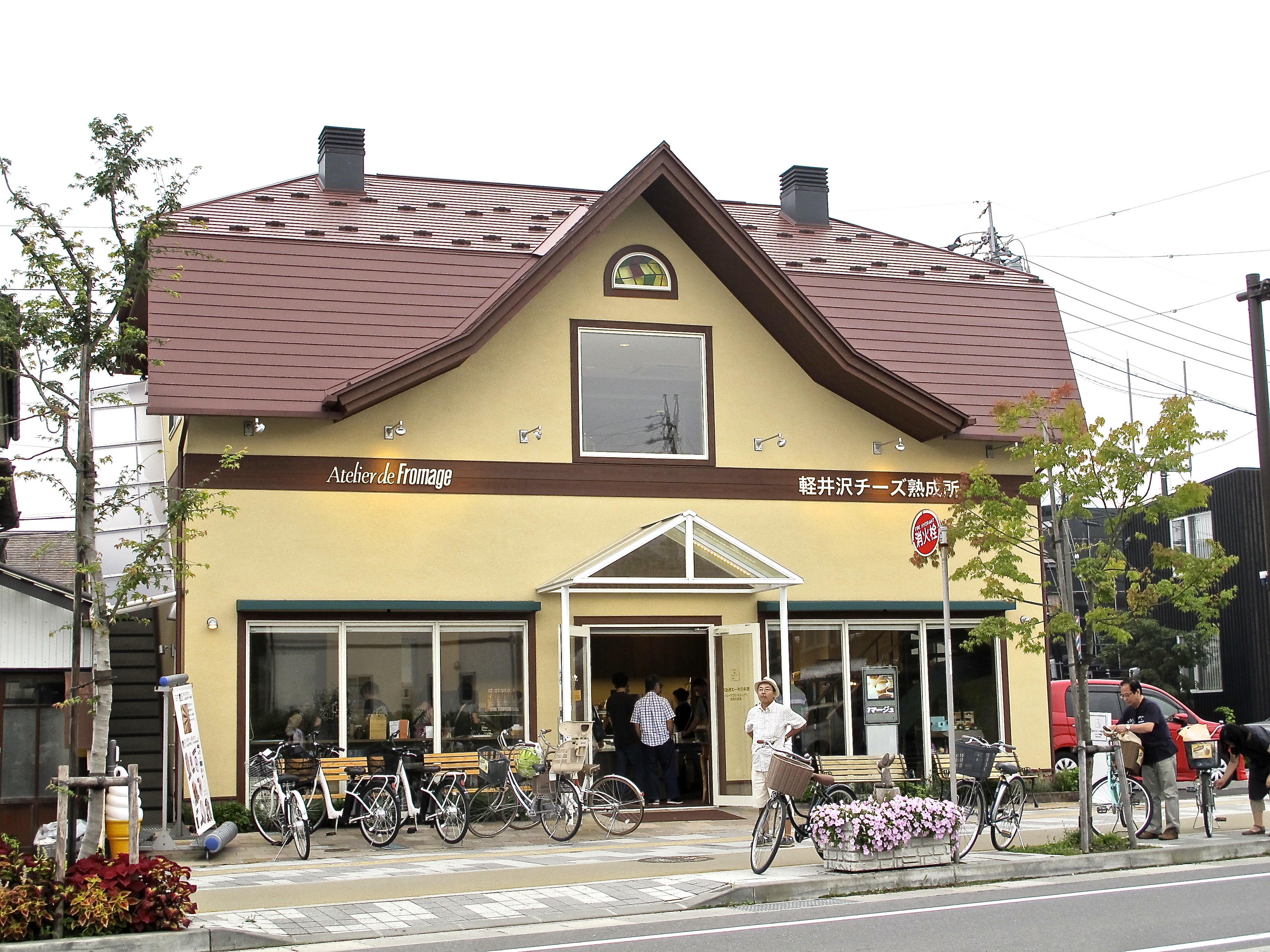
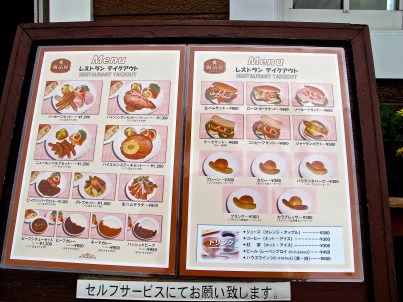
I was sitting outside one of the four branches (we found; there may be many more) of IMG_3138.JPGIMG_3141.JPGThe Domestic Sausage Restaurant. Just over the road was the busy ‘Atelier de Fromage’. A cheese shop! In Japan! A cheese shop posing as French, in Japan!

Then I noticed the cars, predominantly Mercs but with a smattering of BMWs and Audis thrown in. We were sitting having coffee (quite nice, 6 bucks a throw) next to a young woman who had half a dozen huge shopping bags from fashion houses. The men were wearing Lacoste and Paul Smith, and they were bigger as though they had been eating cheese and playing golf on a golf course rather than a driving range.

Where on earth had we come to? Lorne coupled with Portsea via steroids with a man at the door keeping the riff-raff out. And here we were — two smelly tramps. Well … perhaps speaking for myself here …

I started laughing about then and thinking how much I needed to visit The Domestic Sausage. IMG_3140.JPGProgram somewhere below.
I should have read on in the notes. John Lennon and Yoko Ono came here every summer from 1977 until he died.

We wandered down the Romantic Highway and, yes that’s the name of the main street, veering right at the appropriate corner, and kazang, we’re in Chapel St and Toorak Road on a busy day.

IMG_3142.JPG

To remind you, this IS the Nakasendo Way.

Turkish rugs, art deco lights, water features, Italian gelato, rare prints, a shopping centre called ‘Church Street’, a contemporary art gallery, bridal shop bridal shop bridal shop, historic artefacts, brocade. Whatever else you need to fill up your house if it’s already full. I couldn’t believe it. After the scrupulous clarity and refinement of Narai, this! Money! Fat grumpy kids, big dads, X-ray mums, girls who probably said ‘OMG’ a lot and looked each other up and down before speaking.

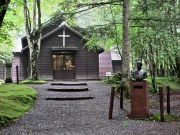
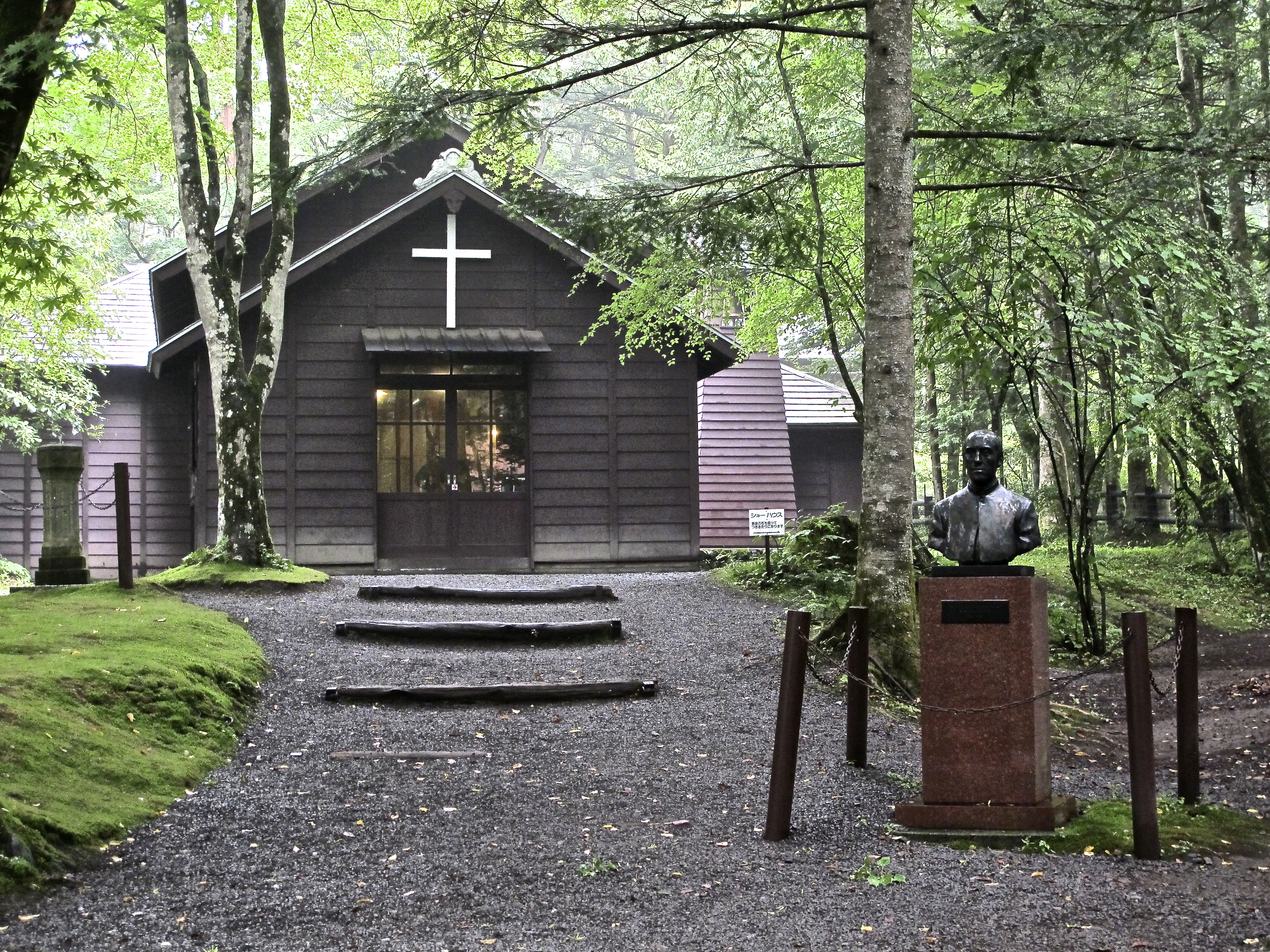
IMG_3145.JPGIMG_3148.JPGWe found where they lived the next day (and where they go to church), but laughing away to ourselves, we walked the rest of the way to our ryokan thus giving us a two kilometre start towards our destination tomorrow (home really), which provided blowfish for dinner, which had a washing machine, and by a country mile the most comfortable futon I have ever slept on. And a big TV with channels in English (I watched Madmen), and muesli and pancakes for breakfast — of course — and, oh I could go on. Kuruizawa had emphatically crept into the window here and set up house.

No hard core ryokan this one.

Kuruizawa to Narita

Fifth day, and a day of great interest.

IMG_3152.JPGThe morning was foggy and damp as we climbed up through the forest to the pass, named again inventively ‘Toge’, the dividing point between Gunma and Nagano Prefectures.

We had been following this family all morning.  I chatted away with the dad. He had spent quite some time working in California in the fresh fruit business, a line he was pursuing here.IMG_3159.JPG

There was a choice of path at the top of the pass or really a couple of hundred metres along where you might not expect it to be. The dirt road, the intuitive choice, went on veering right, but the track notes said keep left. 52 pages and all that can be managed is ‘keep left’.  We’re nervous at this crucial moment.

With four elderly Japanese walkers we discussed what this meant. There was a goat track off to the left not much more than a footprint wide. That couldn’t be the Nakasendo could it? I said yes and off we went with Myrna casually despairing. But after about 12 minutes (we’d allowed 10) we hit a stream that we had to cross, and there it was in the track notes. So we plunged on.

This was another sort of walking experience. The most remote part of the track it is claimed. Bears a certainty.

That said, it was nothing like the western end of the Larapinta trail or the Wonnangatta Valley or south-west Tassie or for that matter the Great Sandy desert where you can go a hundred kilometres and the likelihood of encountering anyone is so close to zero it doesn’t matter. In fact to see anyone on most of our Australian walks is a rarity, but there were a few hours here where we couldn’t hear traffic and when we were walking through deep dark woods.

For a third of this section of the walk you are following the top of a complex ridge line and that’s the meat of it really. You are rarely head out of the forest — nothing to see here, just the tangled and often unlikely forms of the forest. If this blog wasn’t so long I would include a photo here of a 50 metre tree growing almost horizontally across a gully. There were fine topographical opportunities for banditry, for example, the track narrowing to two or three metres with large cliff falls either side. The occasional outcrops of rock would hide the mountain bandits, the sanzoku.

All of which made the following encounter more surprising.
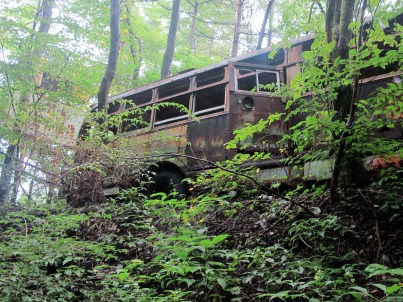
IMG_3163

Yep. It’s a bus. Abandoned. Next to a school. Not too small, maybe five classrooms. Abandoned. Near three small houses and a tea house right on the route. Abandoned. It was quite eerie, as un-Japanese as the cheese shops of Kuruizawa. We stopped for lunch shortly after but were driven down hill by the mosquitoes and — new thing, but how correct in context — leeches.  So we stood on the side of the road disrobing and picking them off much to the interest of passing motorists.

[I can’t write much more or the blog shell will explode and refuse to save. There was more. For an idea of how the ridge walk looked try this, number 13 of ’13 Beautiful Things’.]

Almost immediately we found ourselves in a long unused railway tunnel with a couple of km of lovely flat straight ex-track with startling volcanic crags above us to bring us to one version of the end, the Yokokawa Station. We found ourselves in the middle of a walking club, members of which were delighted by our participation generating approx. 80 high-5s and hand shakes.

But it was over, and early. We got our local to Takasaki an hour and a half ahead of schedule, and three train rides and a half hour bus ride later we were standing at the smorgasbord at the Narita Radisson watching, courtesy of the hotel’s smorgasbord, slightly shocking and faintly disgusting feats of consumption.

The end.  It’s a very fine walk. 

TO READ ABOUT TEN DAYS OF WONDERFUL WALKING ON SHIKOKU’S PILGRIM’S TRAIL CLICK RIGHT HERE.

The Yokokawa sekisho (check point).

IMG_3177.JPG


Food (#7)

Food. Food. Nearly forgot. How could I have? There are several matters of which I must make mention.

Before we went I was slightly puzzled by references to the quality of the food as a reason for travelling to Japan.

We live near and often enjoy Akita, a fine Japanese restaurant with an amiable host who in a most civilised fashion chooses not to work on weekends. (This moment I’ve just discovered he left at the end of last week! Disaster.) The sushi and sashimi are (were) great, tempura classy and the specials (were) always interesting. He also had a wonderful way with eggplant. But we know that. Japanese food is not foreign to Australians.

What I learnt, however, is that Japanese food in Australia compared with Japanese food in Japan is roughly as Chinese food is to what might be purchased as Chinese food in Hopetoun (with apologies in advance to the purveyors of Chinese food in Hopetoun; it’s, what was anyway, the unadventurous Australian palate). For example, just about anywhere you can get really good Mister Donuts … hmm that must be considered a digression.

IMG_2649.JPGI’ve been telling people that I saw no sushi in four weeks, not even at Inari. But looking through the photos that isn’t true. I am in a picture sitting grinning dopily outside a sushi shop in Hakone, great big fat ones almost inedible with chop sticks. But otherwise, I saw none. That’s a shock in itself. What’s Japanese food without sushi? Gottabe nuthin …

The variety and complexity of what might be eaten is remarkable. And I think that is the consequence of the traditional cuisine consisting of many small dishes, so you can’t just go, whack, there’s half a kilo of porterhouse. Get into it. A cook, a good cook, is forced to look far and wide for possibilities. And both far and wide appear to have been explored, certainly the fungal fruits of the forest and the mysterious and varied treasures of the sea.

There is a second matter: cooking at ‘the table’ or bench or in your bowl. Just there with you.Two consequences. The first is a very high degree of freshness; the second is that as things like shabu shabu (or for that matter okonomiyaki) cook on, they change. The crispness of the ingredients shifts and the various flavours start interacting with and influencing each other. So you have a different eating experience. It is one of the secrets of hot ramen (noodles, almost as ubiquitous a rice) for example. What you begin with will not be where you end up, and where you end up (which is drinking the ‘soup’) at the joint we went to Osaka was somewhere very special indeed — and that wasn’t a fancy place. That was an after dance class let’s go and get something to eat type place. We had  very fair yakitori (literally chicken, but in practice many other things as well, grilled on a skewer) in the same sort of place. Cheap and good.

A third is that dishes are made to be had with sauces, an enormous range, dipping and otherwise, which of course shifts the immediate set of possibilities for grading tastes and flavours. That matters. The French know that as well; but their reliance on the products of the cow is nowhere reflected in Japan (except Kuruizawa).

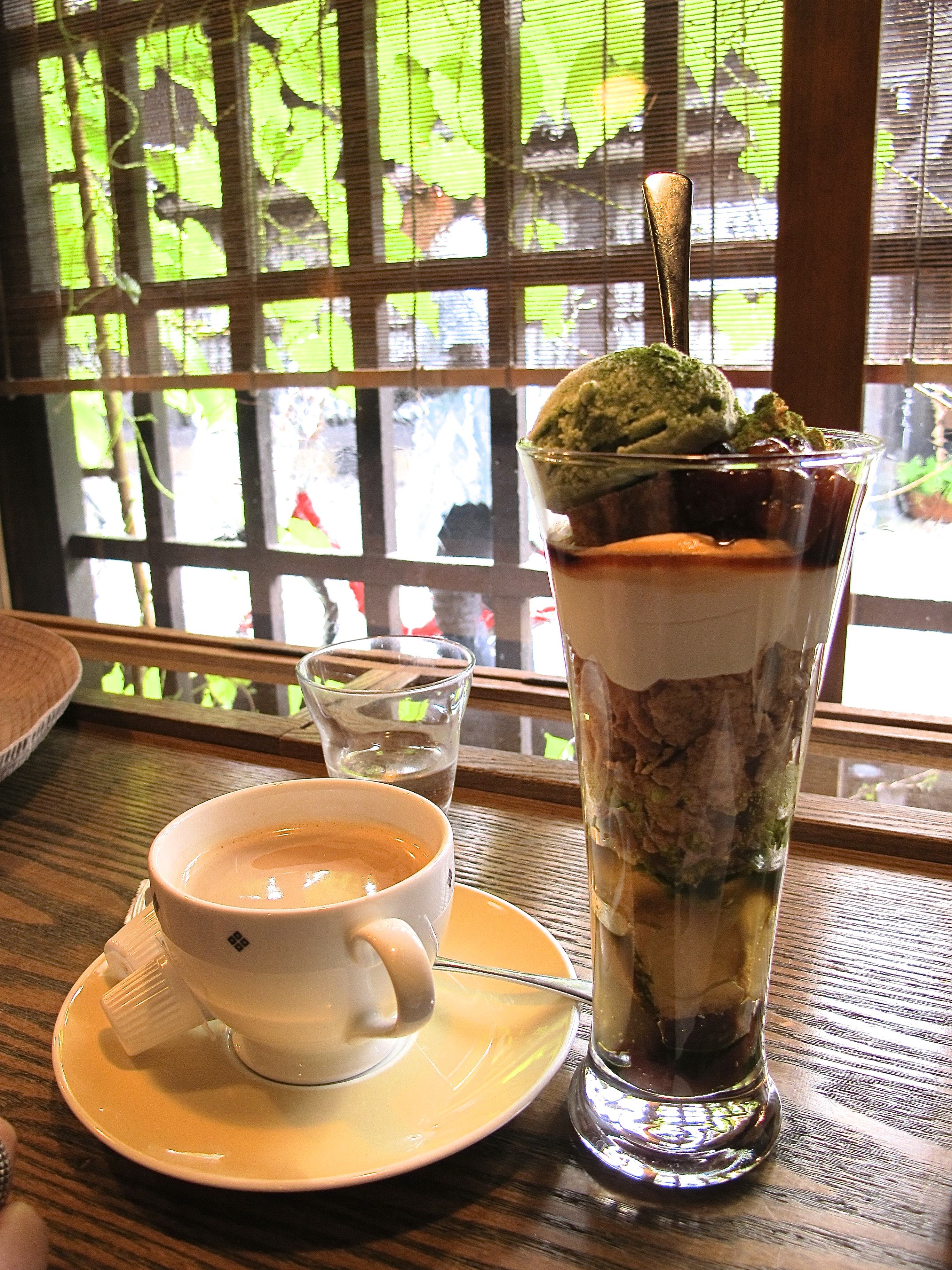
And you can get anything you like. I have mentioned taking Paco and Ricky to the Mexican restaurant in Hiroshima. Pizza you can buy anywhere; souvlaki stalls abound; and the bakeries are filled with versions of French pastries. One we found in Takayama called itself a boulangerie and its products I would heartily recommend: like French pastries, quite like them, but all with just a little teeny (crrrazy) twist. Flavoured shaved ice was huge, as was the sort of stuff you get in US-influenced cafes (Starbucks, Gloria Jean very popular). We had a lot of cups of coffee but only two really good ones. One, as mentioned, was in Sanjo-dori in Kyoto, and the other one was right here. IMG_2673 You go to Takayama as a tourist to, at least, walk down a street of shops that are old, brown and haven’t burnt to the ground and I must confess that I found many things in Takayama more interesting. But in among the sake shops and the expensive cheap tourist thrills was this excellent cafe. Great coffee — and the ‘Amagasane’ which I found impossible to ignore and was duly rewarded. I include it here for aesthetic reasons but also the chance to list its ingredients, and I quote: Green tea flour; Brown sugar syrup; soy-beans flour; Japanese green tea ice creme; Brown sugar gluten snack; Fresh cream; Brown rice flakes; red-bean jam; bracken rice cake + Japanese tea. Now that’s a  Japanese treat for you. IMG_2976.JPG

This chap had one too in Kyoto. His was different but, more or less mandatorily, still had cornflakes in the bottom of it.

But I want to turn to larger matters and advance a theory.

We stayed in either eight or nine ryokans in various parts of the country. They ranged from the hard core to places that just offered the rather distinct smell of tatami mats. We were sleeping on the floor in our establishment in Hiroshima, for example, but enough schools had been through to knock the edges off.

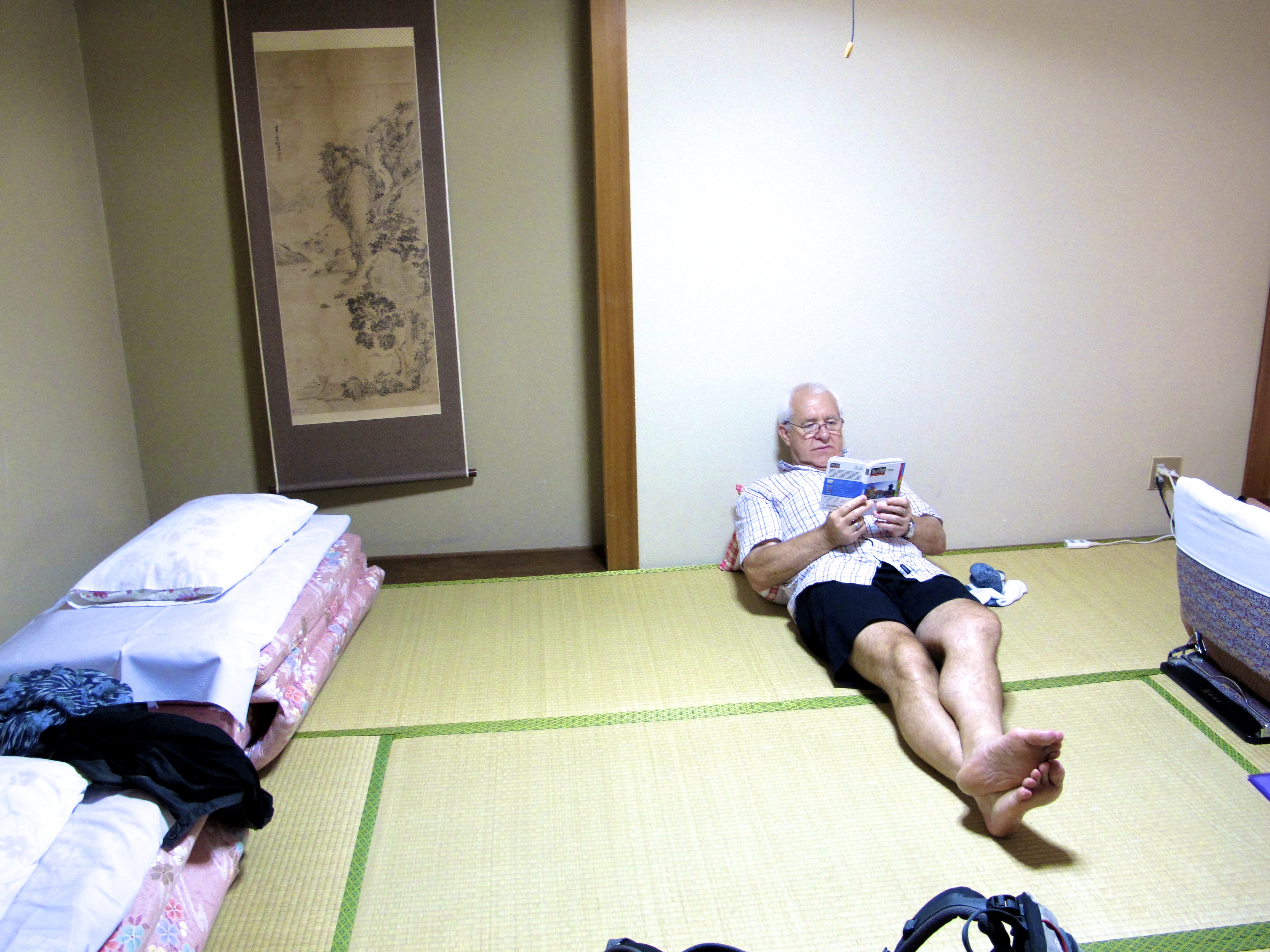
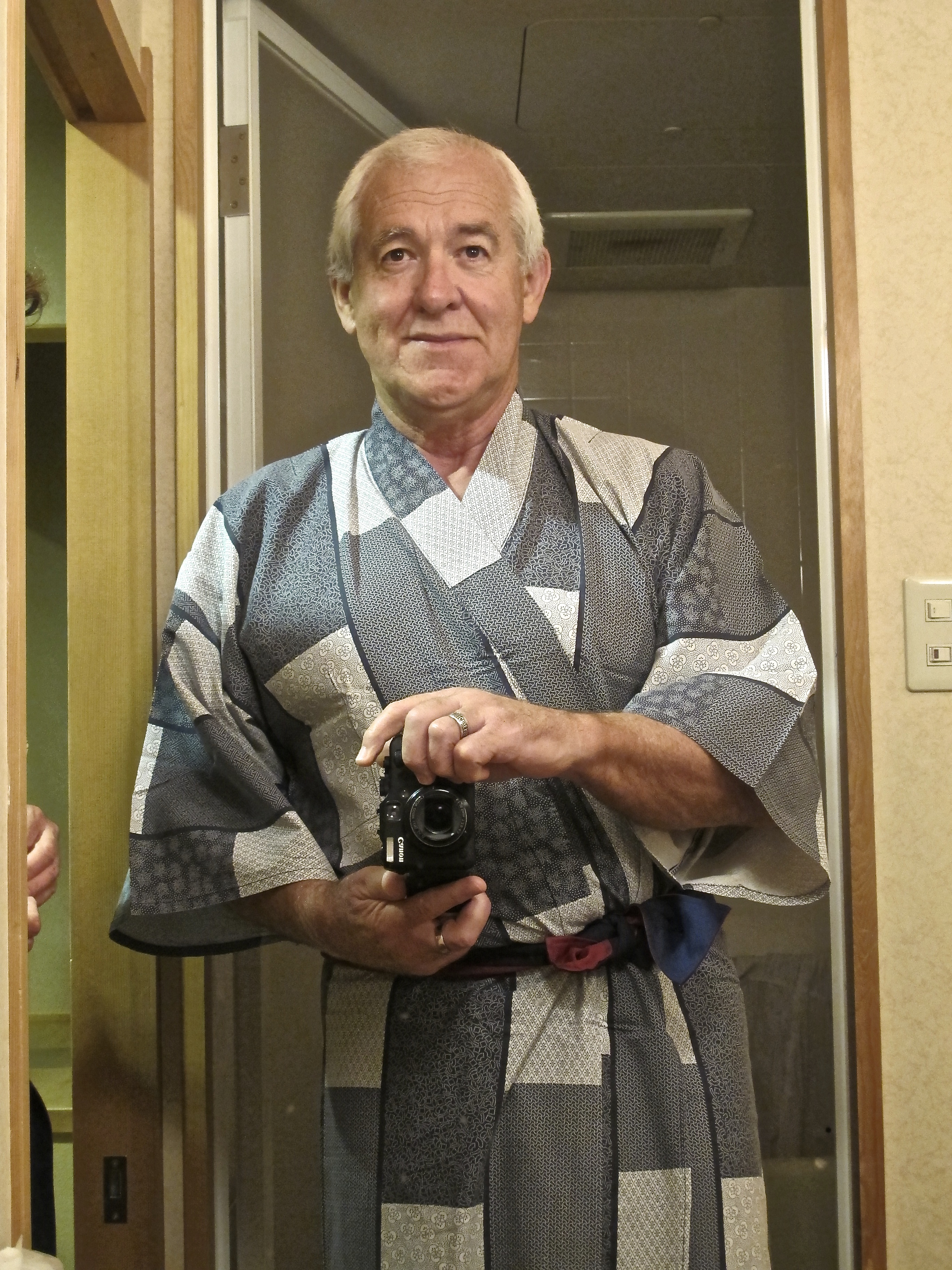
Hard core (from the gaijin perspective taking various gorgeous aspects for granted): must have tatami mats in rooms; sleep on a futon on the floor (really hard core you make up your bed yourself); this is kept in a cupboard out of sight so when you arrive there is perhaps a low, very low, table with two cushions and nothing else visible. Must take off shoes at the door to the street; IMG_2764.JPGmust wear slippers (provided, if not for necessarily for big feet) around the establishment, bare feet or socks on the tatami mat in your room leaving slippers outside the screen of your room (you can work out where people are that way without having to resort to coarse gestures); take off your clothes and have an onsen (bath); wash yourself very very thoroughly prior to getting into the bath; don yukata (all purpose robe);IMG_3063.JPG sit in your room till dinner time (illustrated here by self luxuriating in the comforts of our room at the Heianbo ryokan in Kyoto) when you will be personally summoned and sat at your own low, very low, table on a cushion which might have a backrest.

Most approved position: tibia under fibula, gluteus maximus on heels (long practised adherents. Murder). Ok positions: a sort of elegant swan kneeling with legs to the side (attractive young women); alternatively, legs crossed, back bent over tucker. (Mr McRae, for a while until screaming with pain).  Gaijin position: two legs straight out with a back prop (Ms McRae), or even a hole in the floor under the table (at Sosuke, bless them). Chairs were offered in an alternative dining room in the rather fancy ryokan at Kuruizawa (see elsewhere for commentary on Kuruizawa) which it must be said were the choice of the Japanese also staying there. I wanted to do the right thing; but a chair … just so … chair-y. So, somehow … well adapted.

Anyway, good but challenging. But you could muck things up pretty easily. At Tsumago, which was probably the hardest core, I made the appalling error of taking my boots off sitting on a block of wood immediately outside the door and coming in in my thus defiled socks. There just wasn’t enough room — I didn’t mention space; hard core rooms, four and a half mats, 2.7m x 2.7m — to do so in the shoe-taking off area. The older madam of the establishment had hard work containing her apoplexy/horror/disdain. Oooo we had to creep around there.

There’d be a lot of ways to get things wrong in Japan. I took the opportunity to explore at least some of them thoroughly on the basis of the locals’ general politeness and consummate awareness of the potential barbarity of guests. Imagine if you’d been Commodore Perry. It must have been dire.

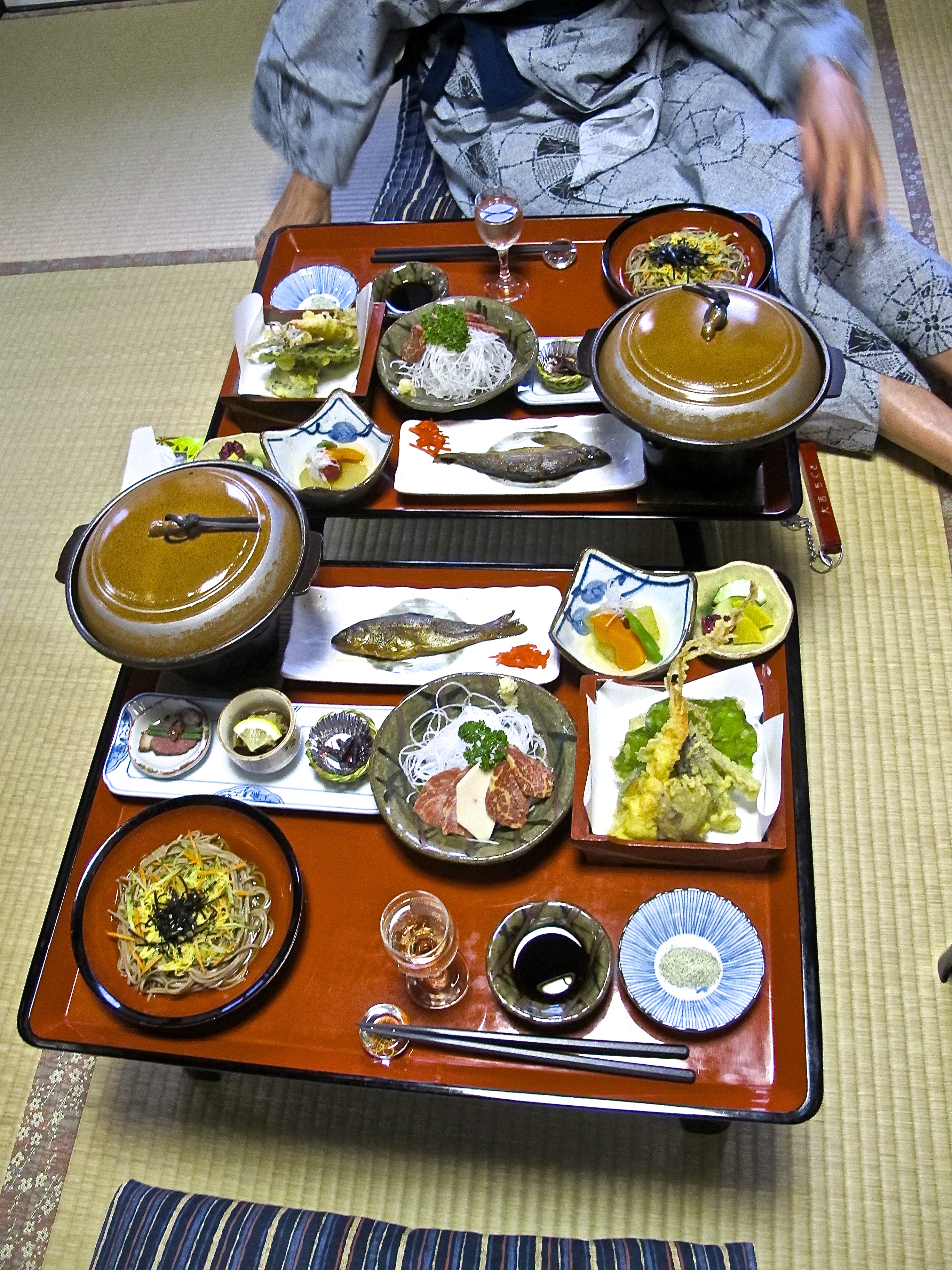
Anyway, again, good but challenging. So here’s the theory. Apart from the general feeling of cleanliness and well being and being part of a rather larger plan run by an invisible hand, the payoff for observing the rules is what happens when you are called for dinner — the feast. This was just some of what we were offered at Tsumago.IMG_3027 From centre top: in the pot. Ah terrible, forgotten, don’t know, could have been rice but probably wasn’t; dried pickled trout, eat it all head best part; vegetables with something special done to them; pickles; duck with asparagus, fungus and something like a dried cherry; a little lime-flavoured salad; deep fried grasshoppers (could have been for the tourists, or not; not something I usually have at home); daikin radish and sashimi: raw horse meat, wagyu beef and something I left behind; tempura-ed vegetables and HUGE prawn (always huge; they must get them from the Mariana Trench or somewhere); cold ramen; Japanese wine with a brilliant perfumed nose; dipping sauce; seaweed salt. And later would come rice and meso soup and I think green tea and vanilla ice cream with fruit here. A feast, always beautifully presented.

It was like this in all the serious ryokans.

Another menu (Iseya at Kuruizawa):

• fugu with citrus soy sauce on grated daikon radish;

• boiled and seasoned vegetables (taro, butterbur, carrot, burdock, maitake mushroom (a great treat), kidney beans, squash, spicy konjac);

• boiled crab with lettuce, mixed herbs, lemon and fried lotus;

• chawan-mushi (which we had quite a lot) a hot eggy custard in a cup cooking pieces of shrimp, chicken, mushroom and gingko nut;

sashimi of tuna, scallop, sea urchin and yuba (tofu skin) with a special sauce for the yuba (a big tick to yuba, had some great yuba);

• to-ban-yaki, meat and vegetables grilled in a dry hot pot at the table, sizzled together — and that’s what the the first thing in the pot above is of course;

tempura of dried fried shrimp, apple, scarlet runner bean, and Manganji pepper.

We knocked back, as in declined, the rice, miso and pickles on offer and had some fruit for dessert. A masterpiece. Simply a masterpiece.

And that’s what people who talk about liking the food in Japan are talking about. Not sushi.

I might draw your attention to the inclusion in the menu above of fugu or blowfish.

Fugu_sashimiFugu contains lethal amounts of the poison tetrodotoxin in its organs, especially the liver, the ovaries, and the eyes. The poison paralyzes the muscles while the victim stays fully conscious. The victim is unable to breathe, and eventually dies from asphyxiation. There is no known antidote. Ha. Some consider the liver the tastiest part but it is also the most poisonous. Serving the liver was banned in restaurants in Japan in 1984. Love all this. Japanese. The Emperor is forbidden by law from eating it. Since 1958, chefs have had to have a license procured via a three-year apprenticeship to prepare and sell fugu to the public. Only about 35 percent of the applicants pass. Archeological evidence indicates that Japanese have been eating fugu for 3000 years. Japan mate. The picture of fugu sashimi at the left comes from the net. That about 150 bucks worth. Hoe in.

What did it taste like? I think maybe salty rubbery jelly, which is one taste and two textures. Can’t help. Sorry.

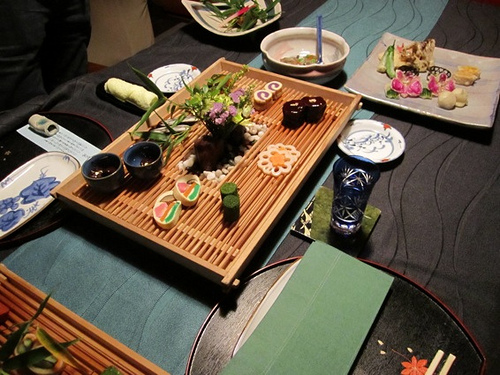
Finally, an event which must be mentioned. We were in Kyoto for a week and I had prepared two ideas for Kyoto to entertain us. One was to walk the Yamanobe-no-michi. [See the post ‘Two walks’.] The other was to eat at Kanga-an. The Time-Out guide called it an unmissable experience and it did sound something completely out of the box. So we went, four of us, Myrna and I, Kaori and a friend. 5248456987_c9b9a63b5eKanga-an is a temple tucked away in the back streets of Kuramaguchi in the northern suburbs of Kyoto. Yes a temple, and also once the house of the Imperial family with a garden of singular style and proportion. (Please note: I forgot my camera. Some of these pics have been stolen from the net, others were taken with Myrna’s phone.) The types of meals referred to above are kaiseki, a traditional multi-course Japanese dinner. Today, and I’m quoting, kaiseki is a type of art form that balances the taste, texture, appearance, and colors of food. To this end, only fresh seasonal ingredients are used and are prepared in ways that aim to enhance their flavor. Local ingredients are often included as well. Finished dishes are carefully presented on plates that are chosen to enhance both the appearance and the seasonal theme of the meal. Dishes are beautifully arranged and garnished, often with real leaves and flowers, as well as edible garnishes designed to resemble natural plants and animals.

And that’s all so true. This is exactly what happened at Kanga-an. You could have forgotten about eating and just looked and touched or strolled round the garden. There aren’t many experiences of this type available.

We had 13 dishes. My research tells me that these may have borne some relationship to these ideas, all of which have Japanese names: an appetizer similar to the French amuse-bouche; the second course, which sets the seasonal theme. Typically one kind of sushi and several smaller side dishes; a sliced dish of seasonal sashimi; vegetables served with meat, fish or tofu, the ingredients simmered separately; a ‘lidded dish’, typically a soup; flame-broiled food (especially fish); a small dish used to clean the palate, such as vegetables in vinegar; chilled, lightly cooked vegetables; a substantial dish, such as a hot pot; a rice dish made with seasonal ingredients; seasonal pickled vegetables; a miso-based or vegetable soup served with rice; a seasonal dessert, may be fruit, confection, ice cream, or cake.

How artful is that. How considered. And you can see these things are reflected in the menus above.

I haven’t mentioned that we were sitting, the only diners present, in unbelievably comfortable chairs.

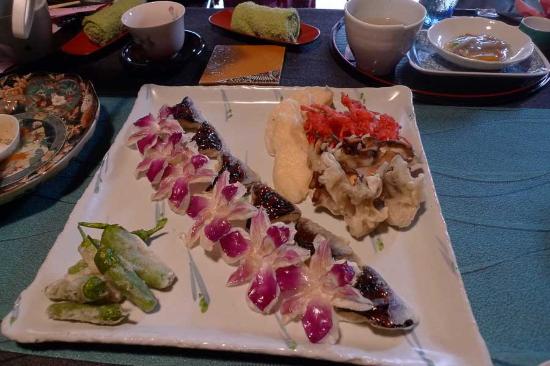
Just to add a little thrill to your appreciation of this while you’re sipping your sake with gold leaf floating in it, none of the 13 dishes at Kanga-an had any meat, fish or animal product in it. I’m looking at the menu in front of me but I don’t think I can usefully tell you what the dishes were. The amuse (s)-bouche were sweets with very high quality green tea. The tempura included orchids. We had white miso soup, an unusual dish I think.

This is what some of it looked like (and this appears to be from a meal for two — stolen photos).5250906957_1b7f98cf2a

kanga-anThe purple affairs below are the tempura-ed orchids. You wouldn’t want to leave them in the oil too long would you?

Did 12 courses of vegetables and one of fruit pall? We probably could have done with eight, but as I say, you could just watch and marvel.

And just to prove we really were there, sitting on the step on departure (aahh I haven’t mentioned departchiki, the food halls of department stores, or the food possibilities in railway stations or …)

photo

You’d go to Japan for the food.

Two walks (#8)

We had an excellent time for the two weeks of our Intrepid tour. Five stars again for judgment, choice of location and accommodation, guidance and company. We had an excellent time for the week we spent in Kyoto, mostly on our own. But the call of the open road …

We did three walks while we were away, none of them arduous. Two day walks, one with Pete just long enough to smell the scenery, and one that my photos tell me was long enough to be thoroughly memorable. Had lots in it. And then there was the chance to walk back from Kyoto to Tokyo, nearly 400 k.s — so no, not all the way. Some of it, and not the way anyone would drive these days, an old imperial trail through the mountains of central Honshu (believed to be remote, but yes and no) staying each night in a ryokan mostly in genuinely small villages. And on the last day walking 16 k.s over a pass, getting three trains and a bus and emerging at a hotel at Narita airport ready to come home.

Each was wonderful for the same and different reasons. The same reasons: the combination of physical exercise, very direct contact with the landscape and slow inhalation of what’s happening and where you are is hard to beat. The differing reasons are described below.

1. Senjo-gahara

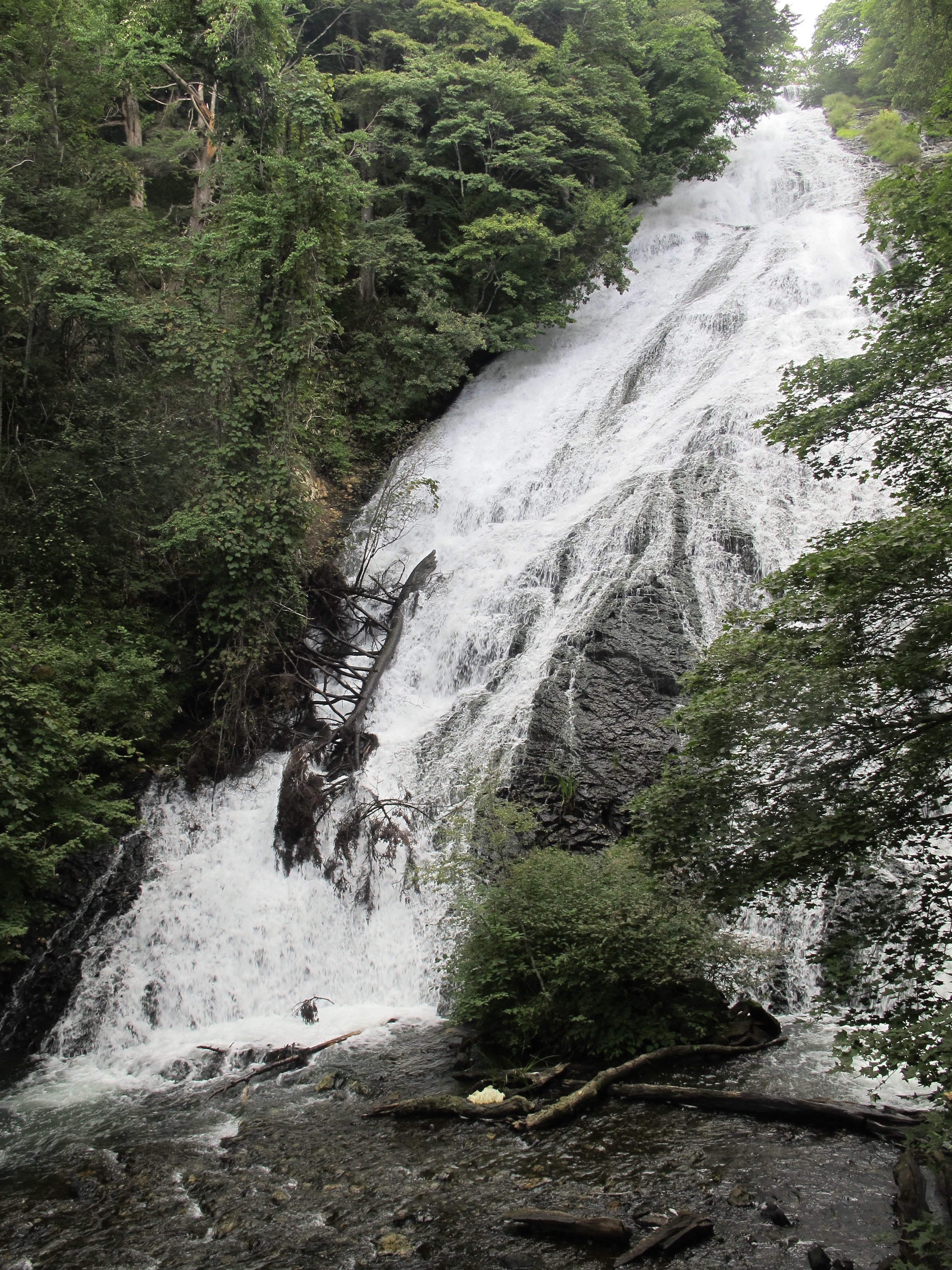
When we were in Nikko there was a free afternoon with an option to go walking in the Oku-Nikko area also known as the Lake Chuzenji-Yumoto Hot Springs area. As you expect in Japan, there are a score or so of very clearly defined routes you can choose from. The Senjo-ga-hara looked fine. It began at a bus terminus so no mistake possible and ended on a bus route which would definitely bring us back within a dropkick of the place we were staying. It was also about 6 k.s and in so far as there was any gradient, downhill. The sign at the beginning said four hours but, my goodness, you’d be doing a lot of sight seeing if it took you that long. It also began and ended at waterfalls and there was a cup of tea (and/or tempura prawns on a stick slash green tea ice cream slash all those other fast food options that make Japan the nation it is today) at either end. The middle is a national conservation area of marshland.

The first day of walking in another country is always a bit tentative. Is it going to be different? Can you find your way? Any cliffs to climb? Your imaginings have no real direction. But after 100 metres it’s usually the same.

IMG_2544.JPGAfter circumambulating a vaguely sulphurous lake, we found the first waterfall and the shop ok and encountered our first sign warning us of beers. Sorry, spelt that wrong: bears. IMG_2546There were quite a few walkers out on the Senjo-ga-hara; it was a lovely day, up about 1500 metres and consequently cooler. Most of them had bear bells attached to their packs. Tinkle tinkle tinkle they go as they track along. We Googled the last bear attack in Japan and it appears to have happened quite recently, June 13 in fact.

‘Four people were injured in a series of attacks by at least two bears on Saturday and Sunday in Hanamaki, Iwate Prefecture. According to police, the first attack took place on Saturday evening in a garden, where an 81-year-old man was attacked from behind by two bears, NTV reported. Police believe the animals to have been a female bear and her cub. The man sustained serious injuries in the attack, following which members of a local hunting club shot the cub. There then occurred a series of bear attacks between 6:30 p.m. and 7:00 p.m. on Sunday, 1.5 kms from the site of the first attack, in which three people sustained injuries and were hospitalized. The head of the local hunting club told the press, “The bear is worked up, so there remains a strong possibility that she will attack again.” Police and members of the hunting club began a patrol Monday morning to search for the bear. Police are warning local residents to be on guard.’ So there you are. But we didn’t see any bears.

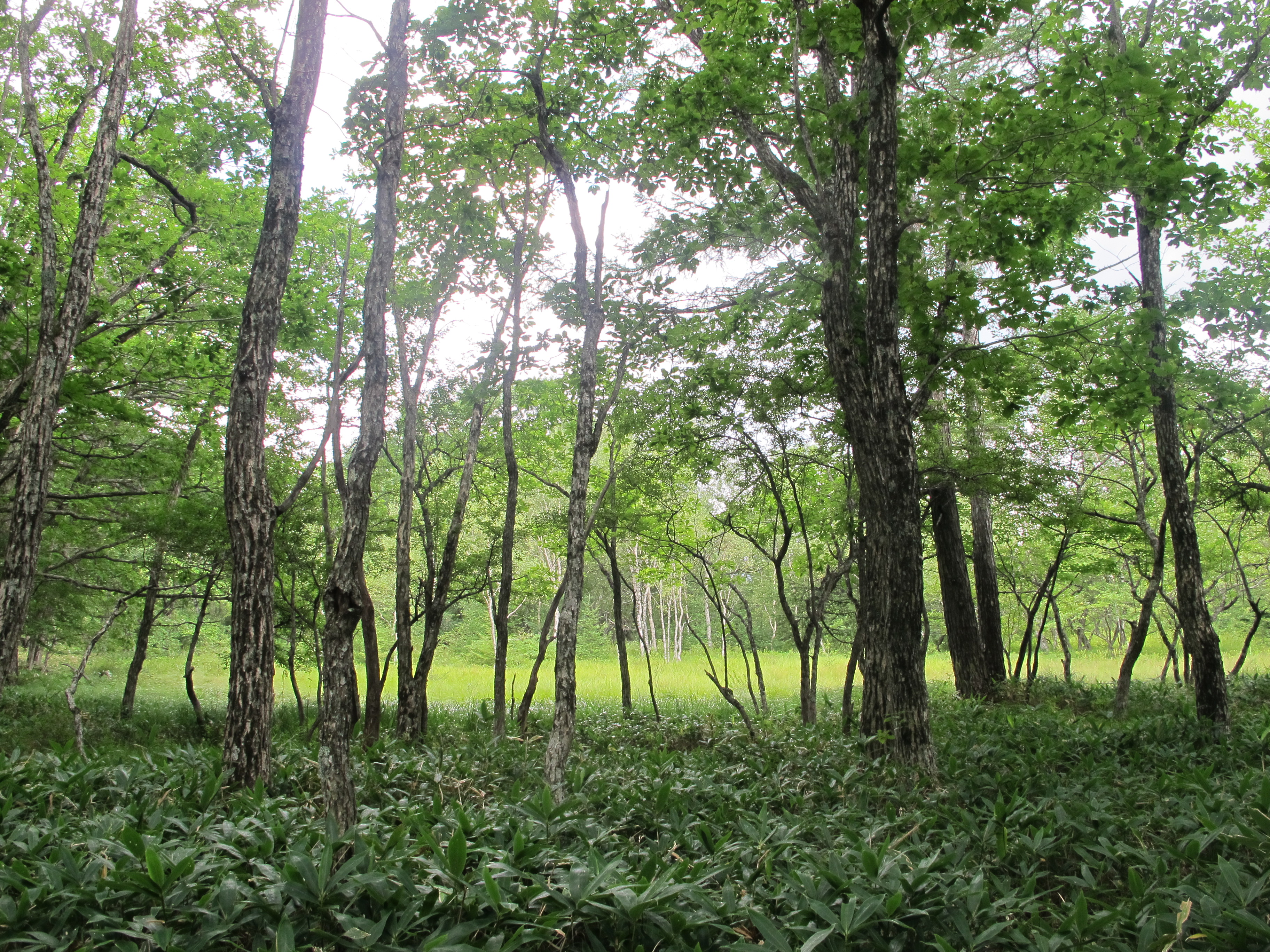
IMG_2549It was a lovely stroll through forest and wetlands with glimpses of certain ideas of landscape perfection. Like this. IMG_2557.JPGAnd we got to the end without incident. Pete zoomed on further at the end, but we waited for our bus.

Local bus trips in Japan are paid for by taking a numbered ticket as you get on. You can watch your fare increasing on a screen above the driver as you motor along. You need the right money because there is limited option for change, so having a pocket full of 100 yen coins and a few 1000 yen notes is a requirement. In this case we got somewhere near where we wanted to go, a place to have a cup of tea etc, still up on the plateau 20 k.s from ‘home’ in Nikko, before running out of change. We found a very nice cafe, were given a free helping of shaved ice, had a yarn with some other customers about life in Australia, changed a 10,000 yen note and waited for our next bus. Fully organised. Got the bus and navigated the (famous) 30 hairpin bends (one way up one way down, there are more bends on the way up) to get us back to Nikko and went to get our fare to get off.

But not only didn’t we have the right change, we had no money at all. I’d left my wallet somewhere. Not passports and camera and all that (Keith), just all our money and credit cards. Oh that’s a white moment that is. Baaad. Our distress must have been evident to the driver because he let us off without paying, and as we stood on the side of the road in Nikko a taxi materialised out of nowhere (a side street in actuality) and we pointed back up the road.

It was a long and slightly terrifying trip back up the hill. I was beginning to hate those bends. I thought maybe I’d left the wallet at the cafe, in fact I became sure I had. But would it be open? And if not, what then? Ichi kilometre, I said as we closed in on Lake Chuzenji, and as we drew closer I saw the wallet on a log where I had been sitting waiting for the bus. Hah! Phew. Etc. When we got back to Nikko I paid him with a 10,000 yen note, not cheap, enough to be a lesson, and tried to impress on him the fact that we’d both been very lucky and that he should preserve this note for his children. Not sure if that worked, but the sun came through the clouds.IMG_2568.JPG

2. Yamanobe-no-michi

Yamanobe-no-michi (‘the road along the side of the mountain(s)’; Senjo-gahara incidentally, I think, means ‘Senjo battefield’) is a hiking trail which runs north to south on the eastern foot of mountains of the Nara basin. The path was originally part of the Shinkaido,  ‘new road or opening’, a 1,700 km long route originating in Edo, present day Tokyo, somewhat paradoxically Japan’s oldest road. The area Yamanobe-no-michi runs through has been/is believed to be a mountain residence of gods, and the trail courses through forest, villages, agricultural land (rice paddies, orchards, market gardens — the egg plants were ready for eating) past ancient (and destroyed) moated villages, half a dozen significant (Shinto) shrines, almost as many temples (Buddhist) and several kofun, Imperial burial mounds, dating from the 4th-7th century AD.

I’d had my eye on it since the last time we tried to go to Japan a few years ago. It sounded easily doable, an hour by train from Kyoto and potentially very interesting. (My eye: the Lonely Planet Guide to Walking in Japan, full of mouth-watering options.) Mr Sasatani, our friend in Kyoto, also recommended it. He had walked it several times himself and provided remarkably detailed maps and instructions for managing it. The first instruction was to avoid getting to Tenri, the start, by JR — no good, bad connections, take forever — but to go by rival line, Kintetsu. IMG_2902.JPGFor those of you who are put off going to Japan by the prospect of being manually pushed into an already packed train carriage, this is how the Kintetsu platform for the Tenri Express looked at 8.07am on a Sunday morning (for an 8.14 departure).

IMG_2910.JPG

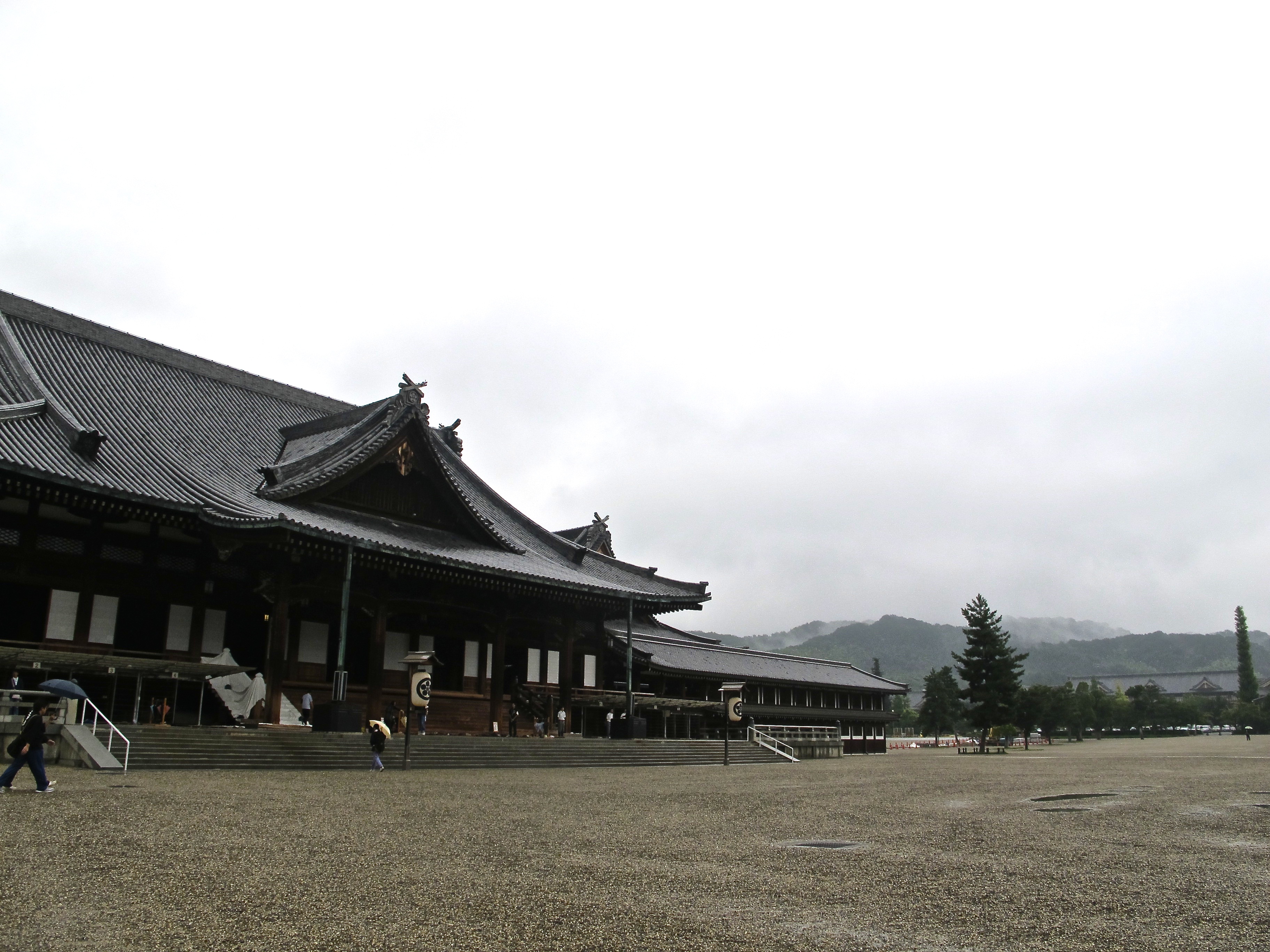
Tenri is the home to Tenri-kyo, a new (1838) Buddhist sect with millions of adherents. This is its rather forbidding home. [And I don’t think I can get this pic in the right place. Please just follow along.]

We met some of these adherents at the entrance to the station, singing and chanting. (And yes, Myrna is looking at the trail map provided. Walking the Yamanobe-no-michi is a well-rehearsed activity.)

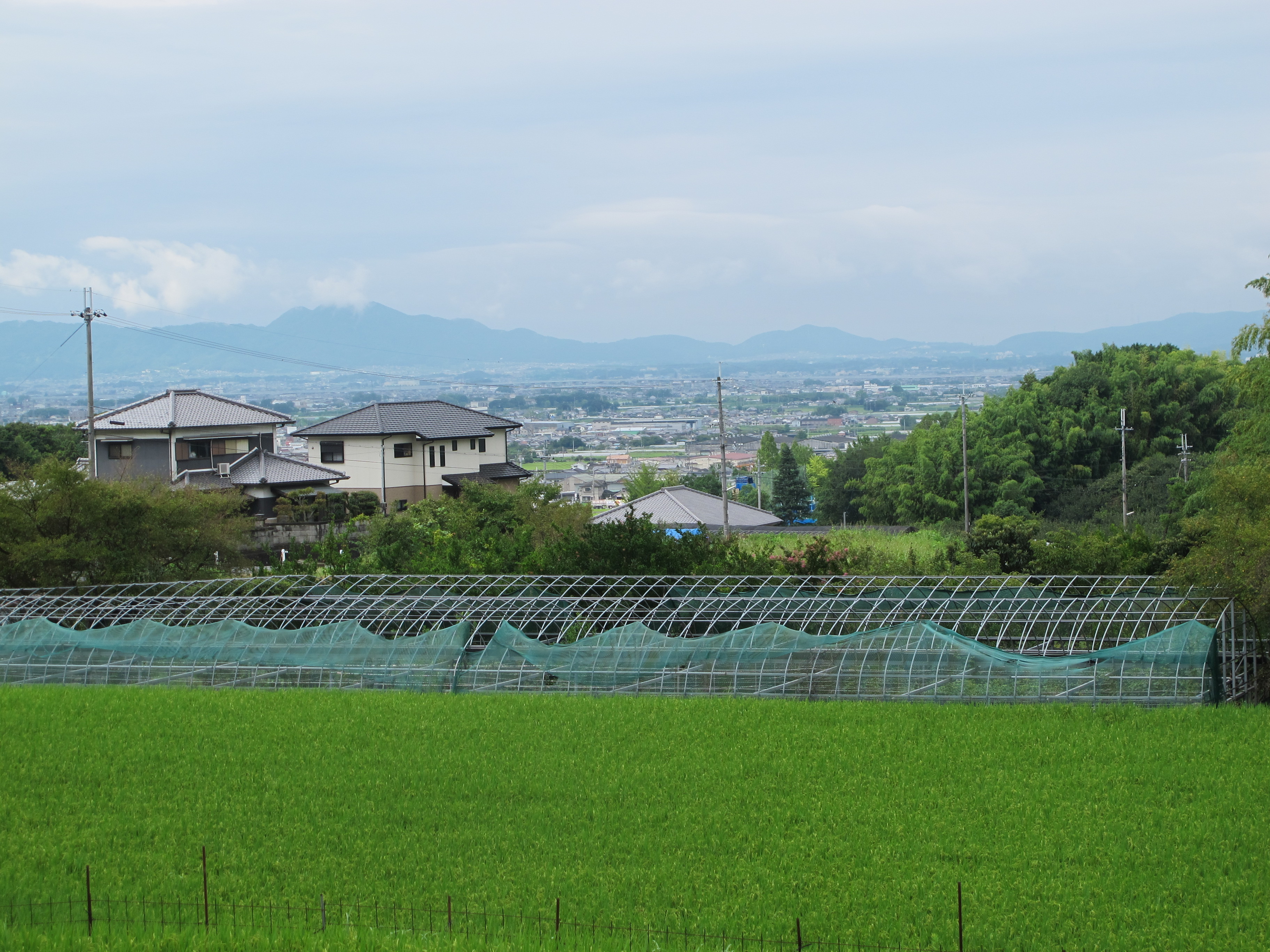
IMG_2906.JPGIn the next hour we met a lot of Tenri-kyo adherents doing the same thing but in motion. There were lots of noises on this walk besides the chanting: soccer games being refereed, what was possibly martial arts practice, social gatherings and, in spots, in the forests and near the kofuns, a deafening cacaphony of insect noise. The day began wet, but no more than an umbrella full, and became drier during the course of the day, ie the rain failed to descend instead remaining suspended in the air as a steam bath.IMG_2919The track is not in the bush; it is, as advertised, along the side of a densely settled basin.

Half the battle with successful walking is starting in the right place. You might think that odd, but most of our walking disasters have been caused by beginning at the wrong spot or heading off in the wrong direction from the correct starting point. When you’re settled on the track, it’s harder to go wrong. Here, the way to the start at least is well telegraphed.IMG_2909.JPGIMG_2908.JPGYou walk down this arcade (and just for the sake of interest the reverse angle), and turn right at a Family Mart convenience store. There’s a nervous moment when you go left off the main road up a hill. There’s lots of signage but none to be read by us. Then, incontrovertibly, the start — at Isonokami-jinja (jinja = shrine). IMG_2913.JPGAll you have to do then is go south rather than north where the trail continues. Is this an inviting prospect or not?IMG_2916.JPG

IMG_2917We turned the corner and this is what it looked like, and I thought, picked a good one here. It was just so varied and interesting. I’ll let the pictures tell the story for a while.IMG_2924.JPGIMG_2926.JPGIMG_2952.JPGIMG_2934.JPGIMG_2921.JPGIMG_2925.JPGIMG_2931.JPG

We arrived at the first kofun a bit flummoxed. Where was the torii? Where were the structures? This was where we were, at the smallest of them. The larger ones you walk around and only at the end think, ah kofun, usually because, as here, there was some water feature emphasising the keyhole shape. They were mainly distinguished by the incredible density of vegetation covering them, perhaps obviously, let run, unfettered. The insects on the largest of them (Suijin’s tomb) were so loud I shot some video of the wall of green just to record their noise.IMG_2928.JPG
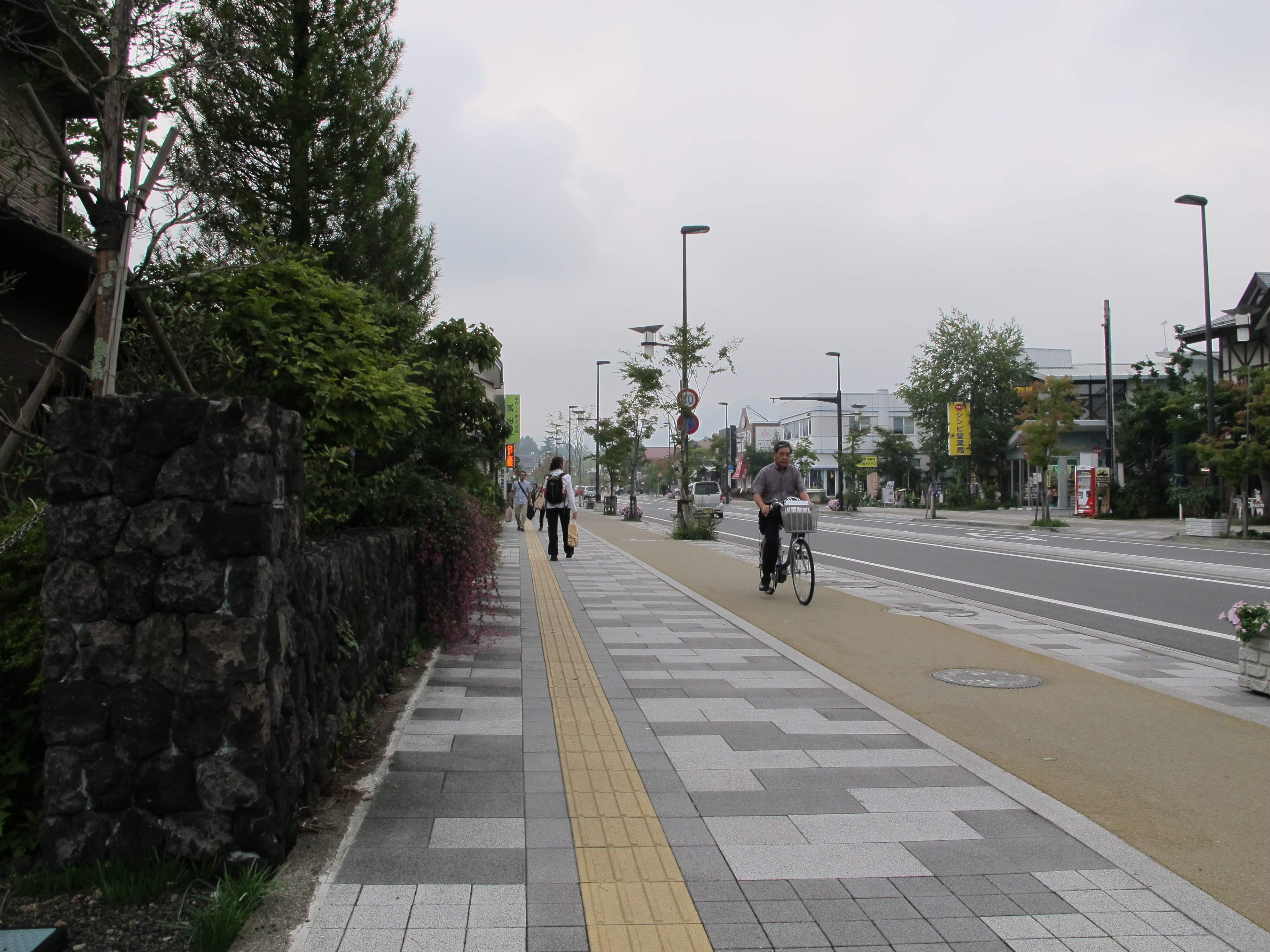
IMG_2940We deviated into the grounds of Chigaku-ji and climbed through sticky forest past endless temple-ettes to the top of the range as it was there and came back to a very fine garden and pond. IMG_2943.JPGThe golden fish just missed out on being included in ’13 Beautiful things’. I think we could qualify this as Japanese.IMG_2949

IMG_2956.JPGOne of the features of the track was the persimmon orchards, just off harvest I would say. And — for Keith Gill, please direct his attention to this — a most unusual form of coppicing.IMG_2953.JPG

And we came off the trail at the avenue leading up to Omiwa-jinja, had a green tea ice cream and waited 90 minutes for the JR train to Nara ( the ancient capital, not Narai which features in several other blogs), from which we took a local back to Kyoto and which indeed did make 21 stops. But who cared? It had been a completely splendid day.IMG_2958.JPG

••••

Now this blog is getting too long. The third walk,  Nakasendo Trail will be dealt with separately.


Hiroshima (#5)

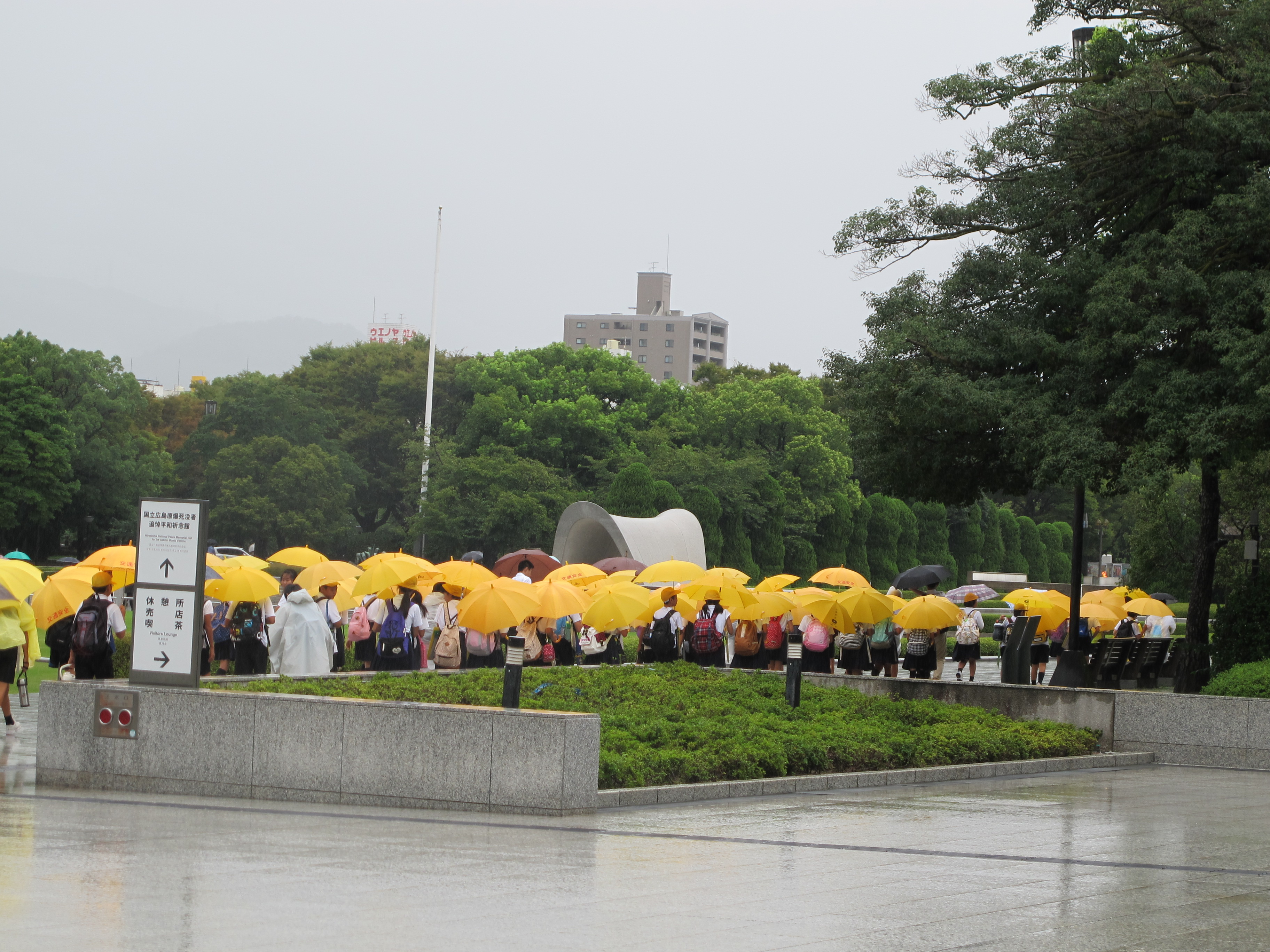
We arrived at Hiroshima late in the afternoon. We’d spent most of a day getting there, three trains and a tram ride — and when it wasn’t raining it was steamy — and we were ready for a feed. Kaori took us for an intrepid walk, past the Children’s Peace Memorial and the hypocentre of the blast about 200 metres from the point where ‘Little Boy’ was supposed to detonate at 8.15am on Monday August 6, 1945. We walked down Hon Dori (‘main street’ I think) a covered arcade running for most of a kilometre bustling with life and vitality.IMG_2711Our destination was one of the several okonomiyaki ‘factories’ at the eastern end. We walked past a dozen or so fabricators before coming to Kaori’s choice. Okonomiyaki — you can buy them in Melbourne. The joint opposite the CAE in Flinders Lane doesn’t do a bad one; but really not in the league of a Hiroshiman okonomiyaki. Sort of an omelette, sort of a pancake, sort of an aggregation of what you like, grilled with mayonnaise. Seeing ‘okonomiyaki’ means a ‘grilled what you like’ that makes sense. Mine had cabbage, onion, bean shoots, pork, and a good deal of other stuff sandwiched between pancake-like affairs and it was simply magnificent. Mood-lifting. The longer it cooked on the grill at the counter where we were sitting, the better it was. Something to remember for the future. We wandered back through the city me at least thinking this place is going ok. It’s fine.

Our ryokan was of the cheap and cheerful variety, an establishment which had served dozens of Australian schools over the years. I recognised many of the names reasonably faithfully recorded on the honour boards. A lot of Queensland, and Catholic, schools. It fell just on the wrong side of excellent on most indicators: futons a bit thin, breakfast slightly risible, wifi in the lobby that you had to refresh every time you looked at it — but it was very well located, and it had a washing machine and a dryer, two matters dear to my ever so domestic heart.

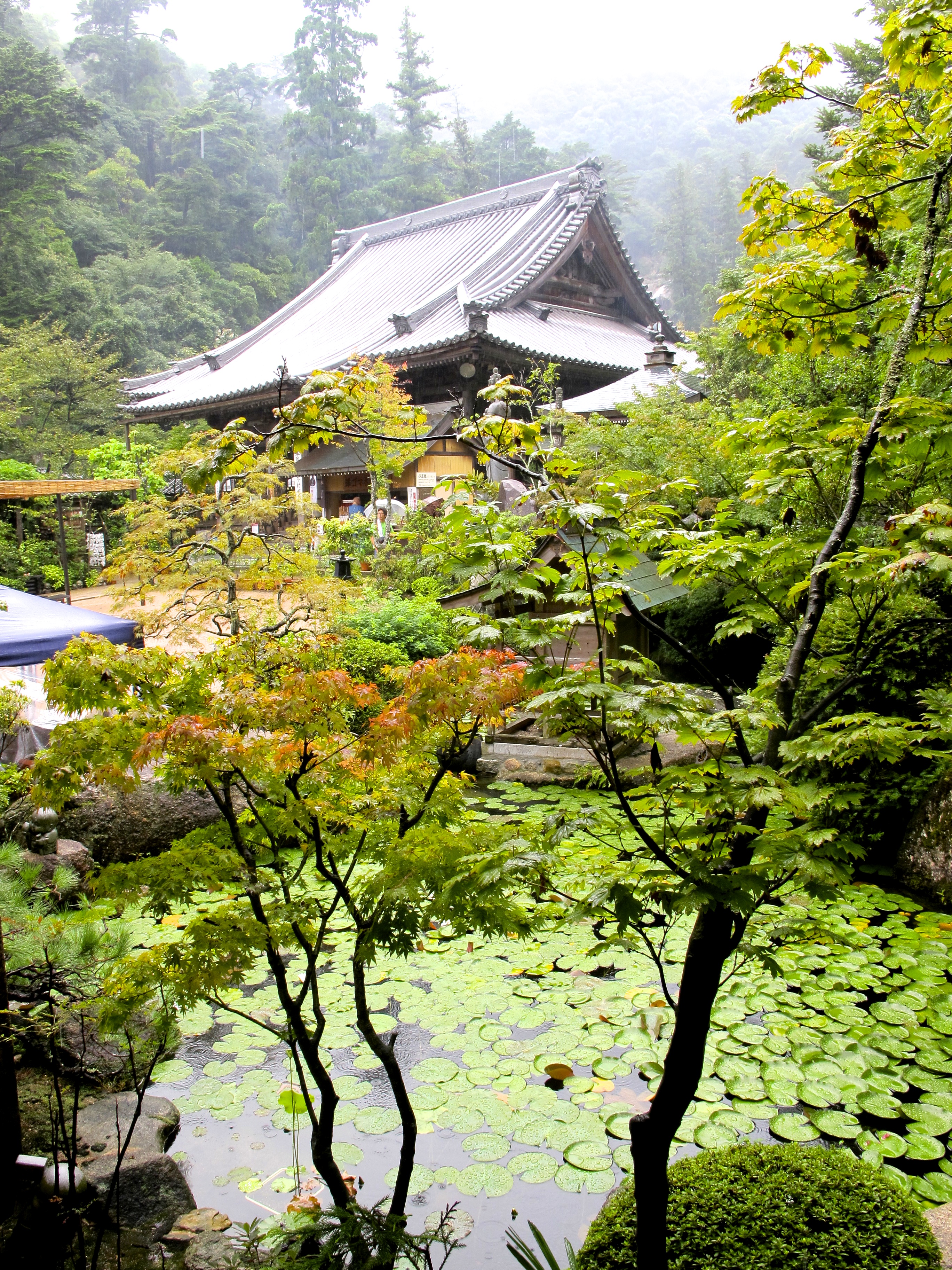
We got up next morning to the rain and had a long tram ride to Miyajima, home of dozens of shrines (see ‘Orange’). I thought this might not be a success, but I mellowed. We had our excellent umbrellas purchased in a rush in Tokyo and it was like one version of what Japan was supposed to be. Green crags, rills of mist, lily pads, curling tiled roofs, the smell of incense and the tinkling sound of cymbals. Away from the hordes there was a lot to like about it.IMG_2732

That was half a day. We wanted to go to the art gallery and to finish the day at the Memorial museum. I was immersed in Yukio Mishima’s Spring Snow and I wanted to lie on my futon and finish it. It was still raining.IMG_2758

We ate at the gallery and looked at a collection of ‘folk art’ derived from communities of Japanese interned in California during the second world war and hastened off to the Museum.

You wonder how all this will be handled. A terrible thing has happened; but it has been generated by a terrible thing. For reasons I don’t remember I had just been reading about the rape of Nanking, which happened eight years before the bomb was dropped. Somewhere around 300,000 Chinese killed in four days, mostly civilians, well-evidenced atrocities, a public competition between two Japanese officers to see who could be the first to kill 100 people with their sword. And so on. Changi, the Burma Railroad. What do you say? What was said was: this is what happened. It shouldn’t ever happen again. In the exhibition there was no shying away from the fact that Japan was at war and had been for some time or that Hiroshima was to some degree a military target. In Year 12 one of our books was Robert Jungk’s Brighter than a 1000 Suns and I remember General Groves being determined to drop the bomb on Kyoto. There wasn’t enough left of Tokyo after weeks of carpet bombing. And he thought that would do the business. The American Secretary of State William Stimson issued a written order (on view in the museum) that this was not to occur in the belief that US-Japanese relations could never be mended in such circumstances.

Three things stick in my mind. One is that subsequently Russia has tested a 50 megaton bomb that was 31,000 times more powerful than that dropped at Hiroshima, ie the bomb that more or less instantly vapourised 70,000 people and killed another 100,000 within weeks. (Where was it tested?!) The second is the force and temperature of the blast. IMG_2738.JPGThese pictures are of structural elements of a bridge several kilometres away and a pile of cups and roof tiles melted and fused together.IMG_2742.JPG

The third was something I have never really understood: the shadows.

I don’t quite know what I thought was being referred to. Perhaps some sort of stain on stone left by people simply disintegrating. But of course what it is is the fact that the blast has changed the colour of the stone but to a lesser degree where someone was. That’s the shadow. Ah gracious. And in the museum was an example. I did take a photo of it but it is not a very good one. But perhaps the idea will suffice.IMG_2737

We walked home through the rain, thoughtful and appropriately damaged.

The next day we footled round — a bit of shopping, a bad gallery, the fort, checking when the Hiroshima Carp had last won the championship (1991, but there’s always next year); and we made the mistake of taking the boys to a Japanese Mexican establishment, a mistake which was subsequently corrected by some fine desserts in Hon Dori. But we’d had a bit of a whack and the next morning we were lined up to listen to a talk from a survivor. That in itself was a shock — that there should still be survivors. That’s 68 years ago now. But for Kaori’s sake, if for no other reason, we thought we’d better go.

IMG_2755.JPGKeijiro Matsushima was 16 at the time of the bombing, a student who was also working in a factory. He was in class two kilometres from the hypocentre. ‘An orange flash jumped into my eyes and a hot searing shock wave blew into my face. I can remember a pine tree beside the window silhouetted against the orange red world just like a sunset. At the same time, I jumped under the desk, pressing my ears with both thumbs and my eyes with the other fingers unconsciously because had been told to do so in the case of a bombing. Then I heard the huge noise of the blast. I still have no idea if it was the sound of the bomb explosion or of collapsing buildings. Perhaps it was both. It became a very pitch dark world. … I was not sure how much time had passed — perhaps one or two minutes or perhaps longer, but gradually dim light came in among the debris. Fortunately my seat had been located close to the door and the staircase of the old-fashioned strong wooden building was still intact. Small cuts on my head and several places on my body were still bleeding but my wounds were not serious. … As I began my slow escape from the building, I was horrified to see so many wounded students sitting and lying on the grass or the ground and buildings everywhere smashed and destroyed. I was increasingly bewildered how only a single bomb could produce such extensive damage in an instant.’

He found a friend and was helping him. ‘As we started slowly walking through the school gate, I was again shocked to see the severe destruction and a great many injured people mostly burnt people who looked like smoked and boiled pigs. Their faces were all damaged, swollen up, and disfigured so badly. Without exception, they had thrust out both arms perhaps so that their wounds would not touch their bodies. Their smoked bodies had swollen and the skin was peeling off. … Processions of ghosts walking towards the suburbs were seen everywhere in the city all day long.’ This phenomenon of arms outstretched with skin dripping off the body is one of the recurrent memories held in common.

There’s so much more. He found his way to where his mother was working on a farm 40 kilometres away where he had bloody diarrhoea for some time. He thought that the poison was somehow being ejected from his system. He lived, and became a teacher of English and later a school principal.

It was what he said, but also the way he said it, a style that other older Japanese men I spoke had adopted: measured, unhurried, punctuated by an intake of breath with a small sigh, rubbing his face as he did so, without animus and without as much pain as one might have assumed. I wondered how he could bear to relive this all, telling his story over and over again. He felt it was his duty.

I was honoured to have heard him. We left Hiroshima, chastened.

IMG_2759.JPG

Orange (#4)

The Japanese word for the colour under discussion is translated as ‘vermillion’. I’m not sure it is vermillion. I think it is orange, Pantone Orange 021 U to be precise, and thrilling in its own way. I was a bit stunned when I first saw it — used in a religious context to colour torii — and then I started seeing it all over the place.

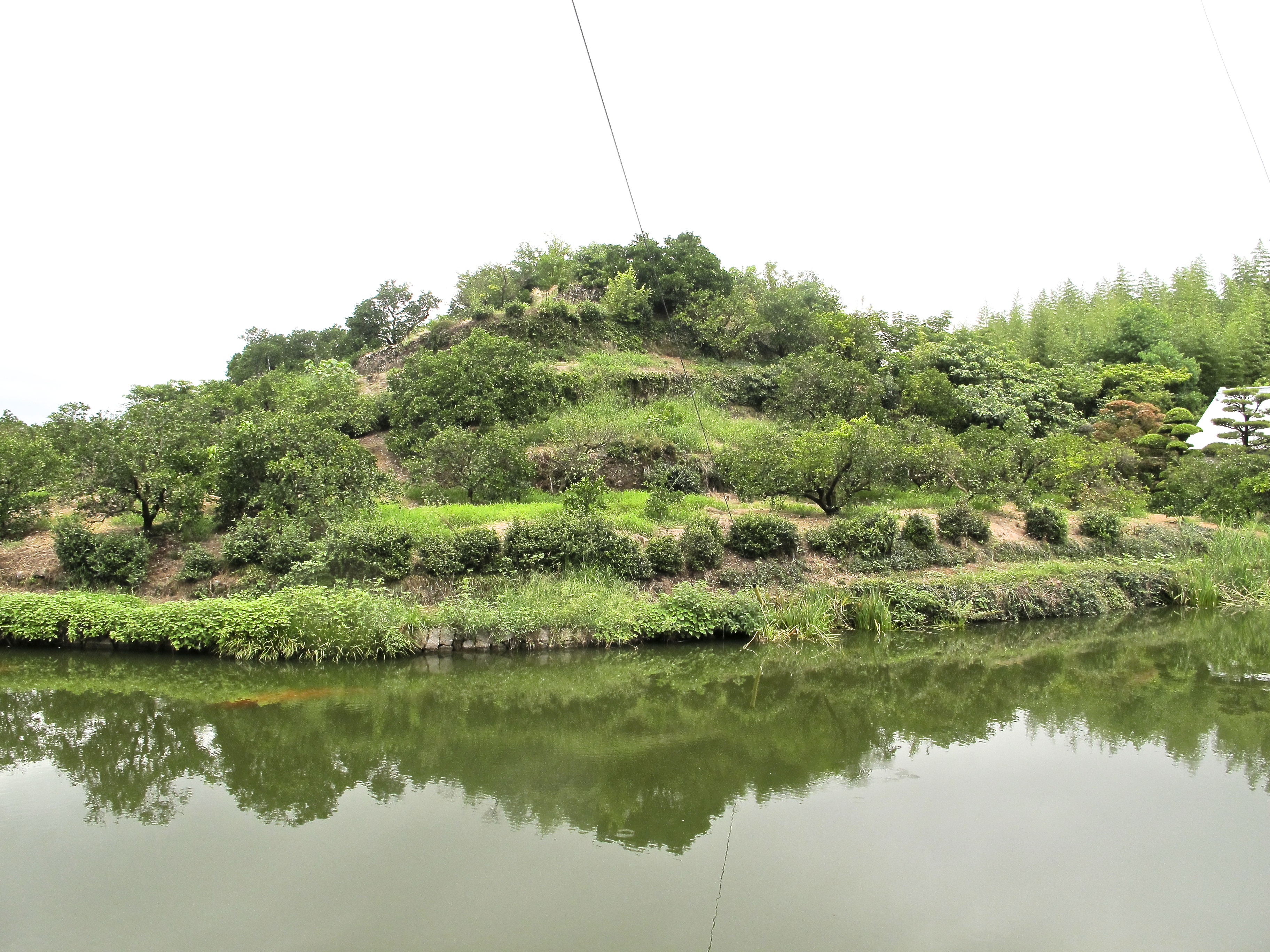
To illustrate we should start with torii. A torii is a gate most commonly found at the entrance to a Shinto shrine where it marks the transition from the profane to the sacred. Japanese maps use torii symbols to denote the location of a shrine (which means they get a lot of work; plenty of Shinto shrines in Japan). They are not always orange. While we were walking we crossed the Torii Toge, the ‘gate pass’ where a shrine had been built in the 15th century by a warrior in gratitude for his victories. It is certainly still there but merges into the dappled green. IMG_3076Tiny bit of pictorial proof. It’s not a great way to begin a story about orange, but it’s semi-famous and rarely seen because it is at the end of a fair climb.

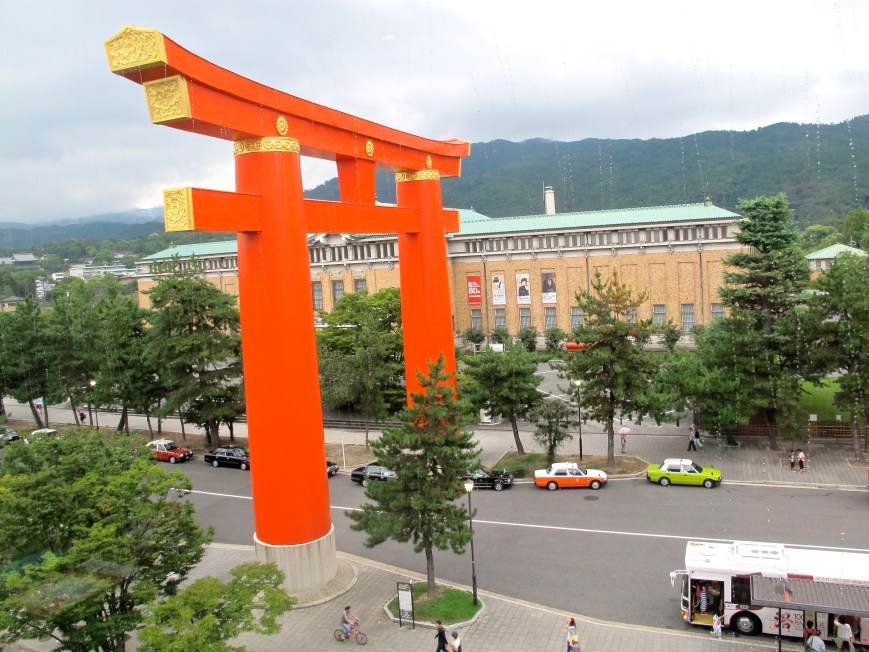
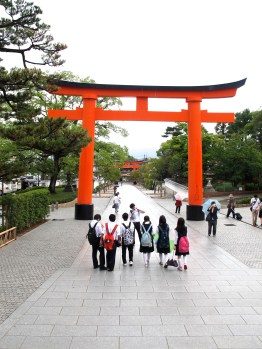
Big ones seem to matter, so let’s begin with a big one: the entry to the Heian Shrine in Kyoto, built in 1895 to celebrate the 1100th anniversary of what Kyoto originally was (Heian Kyo) and itself mostly a fine shade of orange. You might just be able to make it out at the end of this run way. We hit a multicultural festival which offered kangaroo and emu snacks.IMG_2891.JPG

We are looking from the top floor of the modern art museum towards the municipal art museum where there was an exhibition of any number of styles of calligraphy provided in competition by the locals.IMG_2894  And I’m not really getting to the point but it was stinking hot and for lunch that day I was provided with iced noodles with cured ham, tomatoes and blood orange and it was most delicious. That’s going close to the colour theme.IMG_2882.JPG

But here’s the item in question.IMG_2885.JPG

Sticking with the theme of icons of Japan, this will figure in any collection of ten post cards of Japan.

IMG_2724.JPG

And deservedly so.

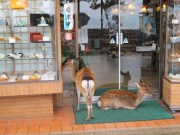
IMG_2722It is the gate to the Itsukushima shrine on Miyajima (the ‘shrine island’ and popularly; the island’s real name is Itsukushima) south of Hiroshima, where deer sit in front of shops discouraging entry IMG_2725.JPGand photographers of the torii can look like sand crabs.

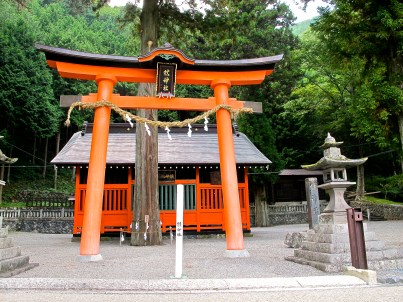
This is a more modest shrine at Narai where everything was more modest. A dozen or so shrines set back into the mountain side there.

IMG_3090.JPG

However if it’s toriis you’re after you go to the southern fringe of Kyoto to Inari, the Japanese word for that staple, rice, and the name of the God of the Harvest. You enter here —IMG_2806.JPG

But it’s not long before you are caught up in a procession of toriis, the ‘1000 Toriis’ so-named, erected by people looking for good fortune.

IMG_2808

IMG_2809.JPG

And from the other direction you can see that it doesn’t do to avoid naming rights.

Time to move from the sacred to the less so.

Fish, decorations, school boys, the flesh of a ripe persimmon, the Osaka City Hall, Mami’s African dance group at Osaka with interlopers.

IMG_2959.JPGIMG_2849.JPGIMG_3127.JPGIMG_2955.JPGIMG_2824.JPGIMG_3115

And finally a photo with no orange at all but with lovely complementary colours. This is memorable just to me really — a coffee shop in Sanjo-dori in Kyoto. Really really good coffee and more or less that moment we’d just fallen in love with this part of Kyoto.


For your next instalment, something remarkably different.IMG_2778

Fuji, black eggs and sculpture (#3)

From Tokyo we went due north to Nikko, a ‘small town’ of 90,000 settled into the mountains and famous for the Tosho-gu shrine which includes this on its early 17th century entablature:800px-Hear_speak_see_no_evil_Toshogu

So, we avoided evil.

I loved Nikko (promiscuous — this has been discussed before). We got our feet properly on the ground there metaphorically and literally. We went for a walk which will be described briefly elsewhere. The air was clear, the food good, the ryokan (inn/guest house) comfortable, the onsen (bath) hot. But we are going to pass over that for the moment and appear, via shinkansen, very high speed train, at Hakone south-west of Tokyo and, if you could see it, within waving distance of Mt Fuji.

The trains. I’ve done a rough count, and including suburban trips, I think we took more than 70 trains in four weeks. Train travel is a sine qua non of Japan. The population is suitably dense, the topography says build something more efficient than roads, the culture says use a train. A stronger case for the value of public transport would be hard to  find. There are some remarkable feats of engineering, tunnelling on a epic scale for example, or laying thousands of kilometres of track so that the shinkansen don’t clack. And they don’t, they hum. And there isn’t one, or two. There are dozens of routes all over Honshu. I don’t know about the other islands. I wanted to take a photo out the window of a stable of 40 or 50 sets of locos and carriages just parked at one point, but we went past too quickly. The fast shinkansen travel at over 400kmh; the average is over 250 — and that gets you places very quickly. The carriages stop within 5-10 centimetres, literally, of the marked point on the platform denominated for boarding where you are lined up in a queue, also defined by paint on the platform. And you will leave and arrive on time. I thought I had caught Japanese Rail out when our local train some where out in the wilds near Kiso-Fukushima stopped on the tracks — just like home — and I thought, aha Mr JR. Failure ahead. Gotcha. It was stationary for about seven minutes but these were somehow made up even while climbing up the Kiso Valley. In Tokyo we travelled at peak hour and I’m sure the carriages get full, but I didn’t run into anything worse than the number 19 tram round 5pm on a wet night. Trains in Japan: three thumbs up, five and half stars, 11.5/10. Good work. Keep it up.

But we were in Hakone from where you might be able to see Mt Fuji. IMG_2592This was going to be my photo of Mt Fuji. Ok. Ridge in the front, small cloud just above it right of centre. Just above it there’s another faint line through the middle of the photo. Got it? That’s it. Enjoy.

The weather had been overcast and fiercely steamy since we had been in Japan. I had no idea it could be sub-tropical so far north, but it certainly explained the luxuriant vegetation. Another terrific ryokan. At dinner I was conservative but the lads engaged with horse meat sashimi and lived to tell the tale.

However the next day was clear so again we got the bus back to the cable car up Owakudani, ‘the Great Boiling Valley’. And there it was with only a circlet of cloud — Fuji, all 3776 metres of it. I was pleased if not necessarily overwhelmed.IMG_2599.JPG

A relief map illustrates how Hakone would once have been rather like Fuji, but volcanic activity (only about 3000 years ago) has blown the bejesus out of it. There is enough volcanic activity there still to make it unsafe from time to time. What’s left is a crater with a substantial lake (plied by boats dressed up as windjammers and galleons, ha ho, Japan mate), sulphur and other mineral hot springs and some very jagged and attractive scenery much sought after by internal tourists.

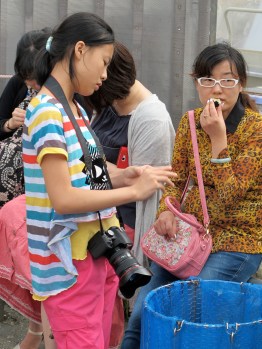
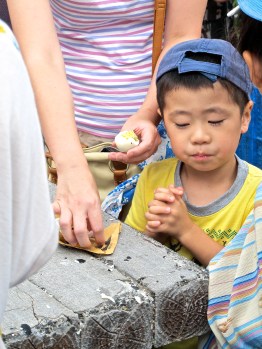
Not least of the attractions are the black eggs. And right here is a chance to introduce Paco and Ricky, two fine young products of Alberta Canada with their roots in Mexico and excellent travel companions.IMG_2595  So, black eggs. On the slopes of the Great Boiling Valley are sulphuric hot springs. When you find your way up there you can buy kuro-tamago, or black eggs, five at a time. The eggs are ordinary chook eggs but the shell turns black because of being boiled in the hot sulphur spring. Local tradition suggests that for each black egg eaten, seven years is added to one’s life. Further local tradition hints that eating more than two is not recommended. I passed. Could have had one, didn’t. Dunno why. Just wasn’t feeling very black-eggy that day. IMG_2583.JPGBut there were lots of people who were. IMG_2587.JPGFirst, production. There were signs everywhere (as there are everywhere in this most risk averse society which has also produces some of the most daring mountaineers in history) saying you’ll die if you hang round too long up here; but I think this chap was spending most of his working day very day with his head in the fumes.IMG_2588.JPG

Then consumption. IMG_2581.JPGAnd this is just a nice photo.IMG_2579

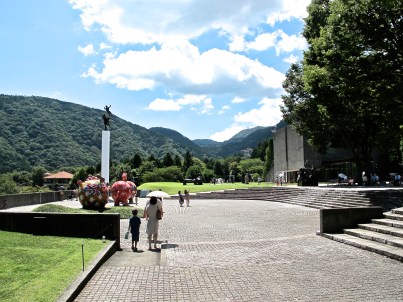
Having seen Fuji, we were enabled to travel down the other side of the Great Boiling Valley by funicular and emerge within a few hundred metres of one of the great art sites of the world.IMG_2612.JPGI’d say one of the four best that I’ve seen (and this includes days locked up in the Louvre, the Tate, MOMA NY, the Shanghai National, the Uffizi, the Rome National, the Pompidou, etc.). Number One, and there is no hint of parochial partisanship here at all — Museum of Old and New Art, Hobart, Tasmania, Australia. Equal second: the Frick, New York, New York, USA; the Getty, LA, Calif., USA;  and the Hakone Open Air Museum, Hakone, Kanagawa Prefecture, Japan. It was a beautiful day, yes of course it was, but what a knockout.

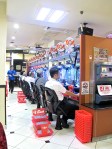
What makes a great art site? Terrific natural environment (this means the Frick must have other significant virtues), extraordinarily sympathetic architecture, people friendly, not too much stuff but everything there makes you think: my goodness look at that. IMG_2346MONA edges in front because of its sense of fun and not taking itself too seriously. Its ‘art wank’ is also highly informative. Its regular people approaching art. (Like MONA, we went to several galleries in Japan that were built on gambling money, in this case pachinko. Insert gratuitous thumbnail pachinko shot.)

So just some samples of the pleasure Hakone had to offer.

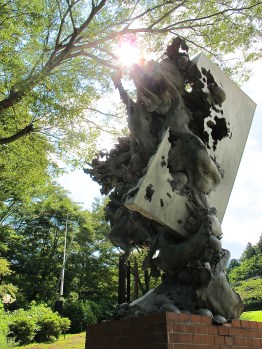
IMG_2611.JPGIMG_2620.JPGIMG_2632.JPG

Hung Yi again.IMG_2648.JPGIMG_2619

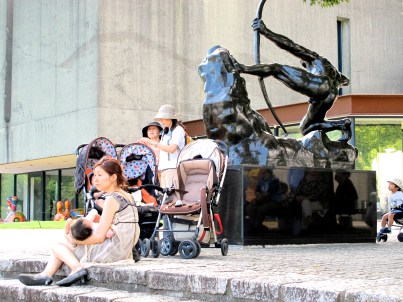
The barrow is a special touch. Sculptural in its own right I’d say. Also the way the sack of fertiliser is bent. That’s something. And below is a living sculpture. The combination of the stressed archer and the unfocused softness of the mother just works for me.

IMG_2645.JPG

That night we had the koto and kimono demonstration. The koto … you can check it out for yourselves. No rush. And then proceeded to a remarkably brilliant meal at a restaurant just round from our ryokan. Among the 20 dishes I can remember chicken done in some remarkable way and an omelete forming on top of a bed of rice.

Harajuku en fete (#2)

IMG_2471The Ginza had little glory (until Myrna found Fukuya department store anyway). The area round the hotel we stayed when we arrived was rather drab and bleakly urban. We moved to Ueno to join the tour. The view out our window. A field, field?, pond of lilies.IMG_2413.JPG Then as planned we went to Harajuku.

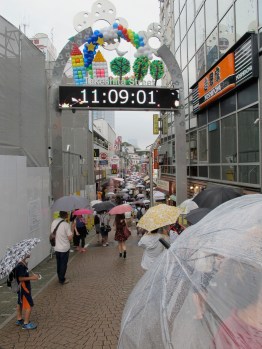
One reason why Harajuku is a drawcard for tourists is Takeshita Street, seen here in the rain.IMG_2432.JPG

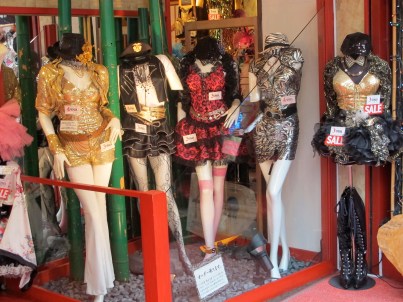
IMG_2437Among other things it offers little girls dress ups for females of all ages, and also a wide range of clothing for dogs. IMG_2439

Kawaii, or cute, if you like.

We spent some time in the La Foret shopping complex dazzled by the offerings and the fact that we hadn’t lined up early enough to see an unidentified celebrity. But everyone else had. We wandered outside and heard a lot of noise coming from somewhere and thought we had better go and have a look.

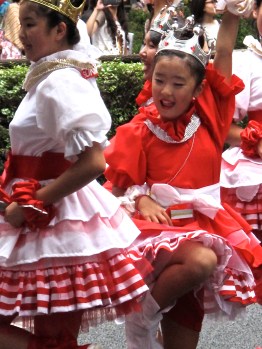
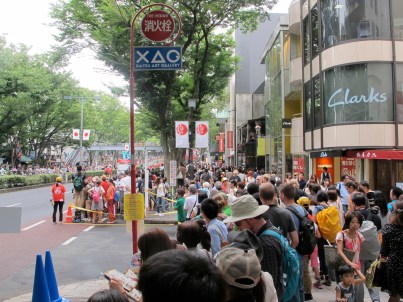
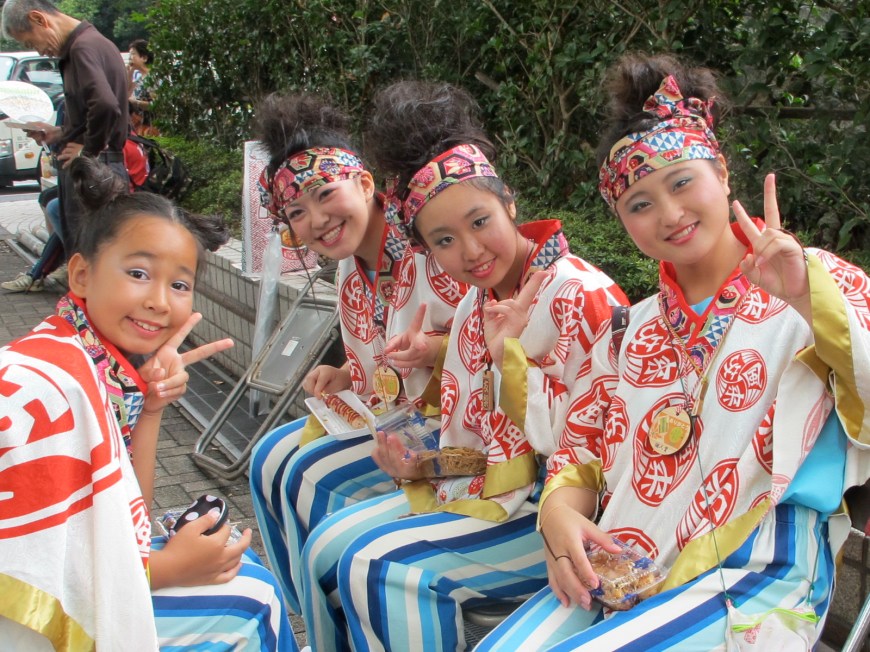
IMG_2474.JPGWe joined the crowd, and found a truly remarkable spectacle, a yosakoi parade. Yosakoi: we heard it before we saw it. Two guys on the back of a van with a massive mobile sound system; one singing, directing, exhorting, the other shooting video crawling along the main drag of Harajuku. Then the dancers come into view, not 25 or 30, but 80-100. I note there is  an upper limit of 150 in a squad and they are PERFORMING. So much action. The guys up the back are waving flags of about 20 square metres and the dancers, both genders all ages, are aflame but in time and motion, singing and dancing for half a kilometre or so. When they hit the finish line they are ushered off for a bottle of water. IMG_2500.JPGSo Japanese. Extraordinary costumes, but the defining aspect of yosakoi is that everyone must use naruko, small wooden clappers that were originally used in Kōchi Prefecture where the dance originated to scare birds away from rice fields. One group comes through. Then another. Then another. Then another. Then … (It’s urban Japan. There’s lots.) And then we crossed the railway line over into Yoyogi park where the yosakoi groups were performing on stages, and on another stretch of asphalt. Ah the joy of it all.IMG_2468

IMG_2514

IMG_2482We walked back home through Shibuya. I suppose every story about Japan needs a shot of Five-ways …IMG_2341

and probably a window display or two.IMG_2511.JPG IMG_2507

Two other photos for the fun of it. Two gorgeous boys I waylaid in Ryogoku and a sumo wrestler on his way to or from the sumo stables nearby. I would like to point out that rubbish appears in this photo. It won’t happen again. Ever. From the Emperor and his family down, we apologise.

IMG_2314.JPG

IMG_2312.JPG

And then we were off in the country. Which differed.

IMG_2516.JPG

Japanned (#1)j

WelcomeEveryone’s been to Japan. Ern Bond went to Japan.

Ern Bond was a pillar of the Hamilton Methodist church and a successful retailer of electrical goods. He was also my first employer. Once a month I used to climb on my bike and deliver his bills for exactly half the price of postage. This produced a complex relationship, especially regarding the five or six left at the end for which I couldn’t find a destination or which just seemed too far away. But that’s another story. Ern Bond didn’t just go to Japan. He and his wife went to Fiji and New Caledonia and New Zealand, and when he came back he held slide nights with loquacious commentary about his trips for the congregation.

Held in the back meeting room of the Sunday School building they were standing room only affairs, although I liked to sit in the front row — gripped. This would have been about 1960 and Ern Bond’s adventurousness, along with his capacity to fund it, was unusual. Simpler times. But he went to Japan. Alf and Alma of Alphington, our neighbours for 23 years, also went to Japan, an extraordinary departure from thoroughly locally-lived lives. So many people we know have been to Japan.

Australians have been going to Japan for some time, and Japanese have been coming to Australia — notably to Queensland. In fact their traffic was a major contribution to building the international airport at Cairns. Buying a beer at Nojiri after a hard day’s walk, the shop owner ducked out the back and played ‘Waltzing Matilda’ on the shop’s sound system for me. She said she’d been to Australia seven times, four to Cairns. This is an interesting relationship. Back in the days of Ern Bond’s slideshows, one of the few sermons of my father’s I remember took Russell Braddon’s End of a Hate as its focus. Russell Braddon was a prolific writer who spent some time in Changi prisoner of war camp, which usually has ‘notorious’ inserted adjectivally. He returned to Japan in the mid ’50s and came away with his mind changed. Other minds have been changed subsequently.

Japanese money developed the Gold Coast and provided Johannes Bjelke-Peterson with a good deal of his working capital. Japanese is by far the most popular Asian language learnt in Australian schools. But we went perhaps mostly because of Myrna’s expectations to find beauty. And we did find beauty, a great deal of beauty. And an endlessly intriguing country. So easy, so organised, so friendly, so polite and helpful to gaijin, such good food. And so complicated; not necessarily a good place to test the boundaries of individuality. In some important ways the antithesis of Australia.

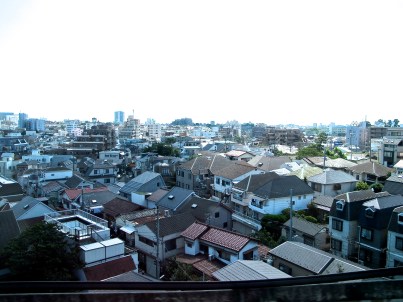
It was verdant when we arrived at Narita, and it was verdant wherever else we went. The greens were so intense and ubiquitous the auto controls on my camera had trouble coping with them. The orange (Pantone Orange no. 1 I’d say) on the other hand it loved. You’ll see both below. It was also urban. An hour on the Narita Express, not a shinkansen but not a slow train, of which perhaps five minutes was outside a built up area.
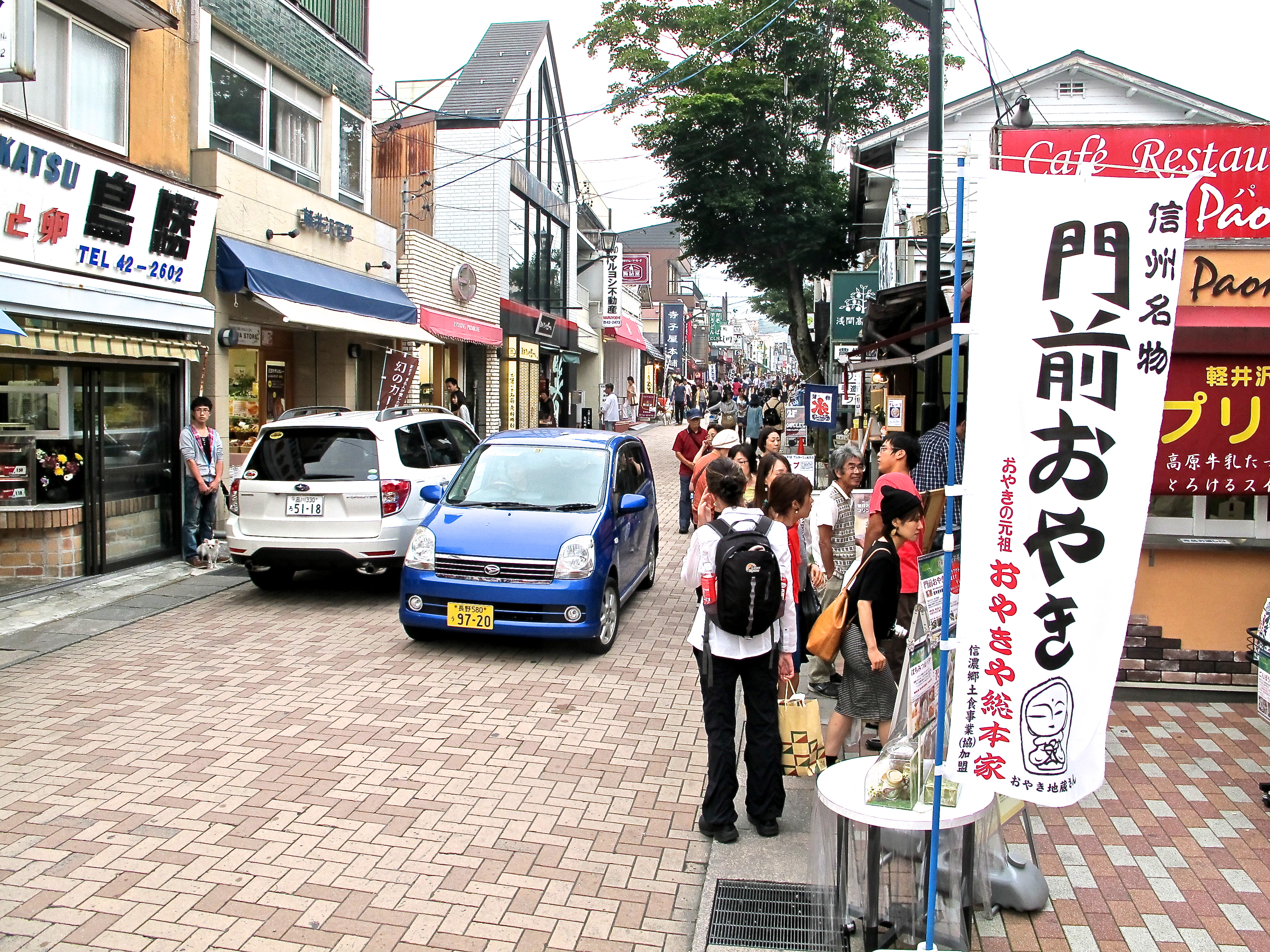
IMG_2572.JPGA lot of  inhabited Japan looks like this. Not high rise, but dense. Flat land on Honshu is at a premium and where it exists it is covered in building. 130 million people, a quarter of them over 65, have to live somewhere. Living dense like this must have some impact on the way you live. Privacy, thoughtfulness about others’ needs, compactness, absorption in detail might all be expected to thrive.

Our hotel, not far from the fishmarket, had beds and wifi in the lobby but had seen better days. IMG_2281

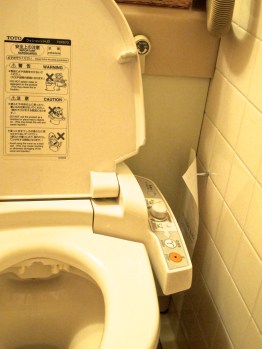
IMG_2360And it had a Japanese toilet, one of the famous ones, providing most of the comfort and functions of an expensive car without the mobility. Except a twin flush: Japan, so clean and green that when some rubbish appears in a photo it is a talking point, and no twin flush.

I wondered then if perhaps the astonishing technological drive of the late ’70s, ’80s and early ’90s may have run out of puff, whether along with the economy it had peaked and had got stuck in the later ’90s. Because, have a look at this: Economic development over the last 200 years. Select Japan and run your cursor along the bottom line. Check out 1946 to1985. (Be patient. This takes a while to load.) A miracle. Many of the galleries we visited were big buildings with few artefacts and not much evidence of an active purchasing regime. Not much public money for inessentials? Probably.

But so many things worked so well. You could get off at the wrong stop from your train, but you’d have to try hard: written crawl bar in two or three languages, announcements in Japanese, English and sometimes Chinese as well. You can watch Narita’s flight program from inside the train, and you can observe announcements about train delays and abject apologies for same. When Kevan (with an ‘a’) Gosper — still going round — described Tokyo as ‘a safe pair of hands’ for the Olympics he was right. I don’t know that you’d notice the addition of even an Olympics-sized crowd at Tokyo Station.

What does it do to the people? One mistake is to assume that ‘modern’ means ‘western’. There are details everywhere that might confuse you about this, but it’s not true. Scrape the surface and you realise you need to start thinking again. Of course it’s rather tenuous to make these sorts of generalisations after four weeks, and it is obvious to say that things got more complicated as time went on. But I thought of it as a grinding process with the very tart but wafer thin wheel of western cultural influence chewing into millennia of something else of another character entirely. For some westerners who love Japan and who have made it their home it is the product of this grinding — Harajuku cosplay, hentai, punk rock for example — that makes Japan such an exceptional country. This is a country where this can co-exist happily with this  and that’s probably a cause for some wonderment.

Asakusa being a slightly racey suburb of Tokyo, this one —IMG_2421.JPG

Tucked away on the other side of the street were more people eating. Pete was from Queensland, At this moment our two young Canadian Mexican buddies were having a snooze having just arrived, Kaori was the guide and Pete and I were just on our third helping of fried chicken.IMG_2424

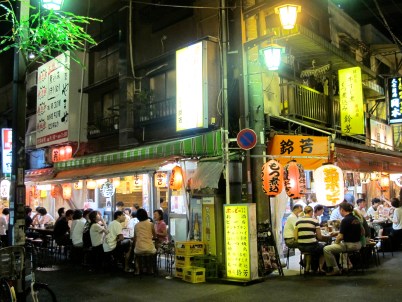
IMG_2356.JPGBut there are still plenty of salarymen (and some women). On the day we arrived we tried our luck at a couple of places in a lane near our hotel. At dinnertime we just asked them just to feed us and they did, but I don’t know whether I’d give them a chef’s hat or a Michelin star. These would come later. But the beer was good and Myrna was the only woman who wasn’t serving in a packed house. The role of women in Japan is something of a mystery. Kimonos and geta, the elevated wooden sandals that women used to wear and that some (actually men included) still do would hobble you, about as much as six-inch cork heels and very tight skirts. The image of woman as doll is ubiquitous, and I don’t know what that means. I just note it in passing.IMG_2391IMG_2358IMG_2452.JPG

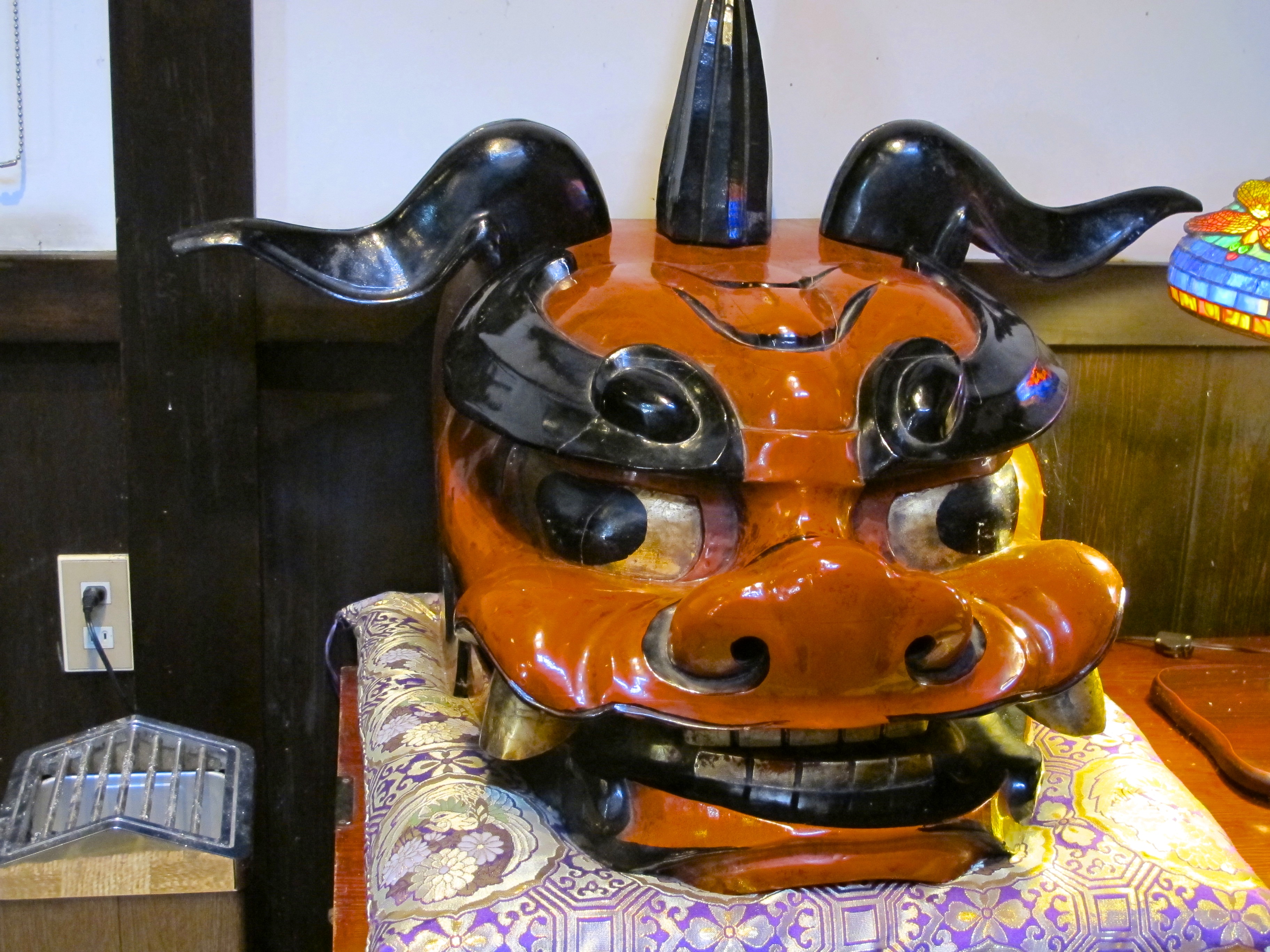
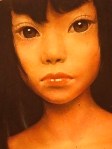
From the left: mask from Noh drama (since the 14th century; the mask is several hundred years old). A sample from a display of portraiture in Tokyo’s contemporary art gallery. A nail artist in La Foret, a shop of shops in Harajuku.

But this is the photo which sums Japan up for me, more than any other I took. Hung Yi, a Taiwanese, is the sculptor. Painted steel at Hakone Sculpture Park — one of scores of his works on display. Behind the salaryman there is more … And it could be just a little bit kerrrrazy …IMG_2639.JPG

The Merest Sniff of China (from 15 years ago: 2)

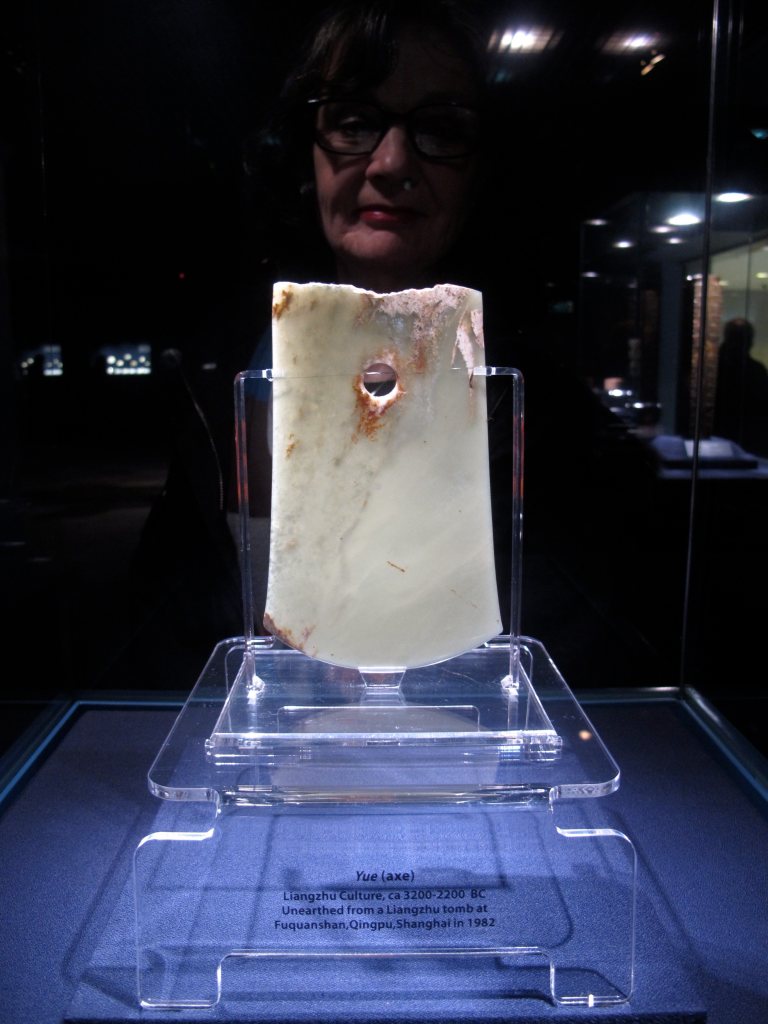
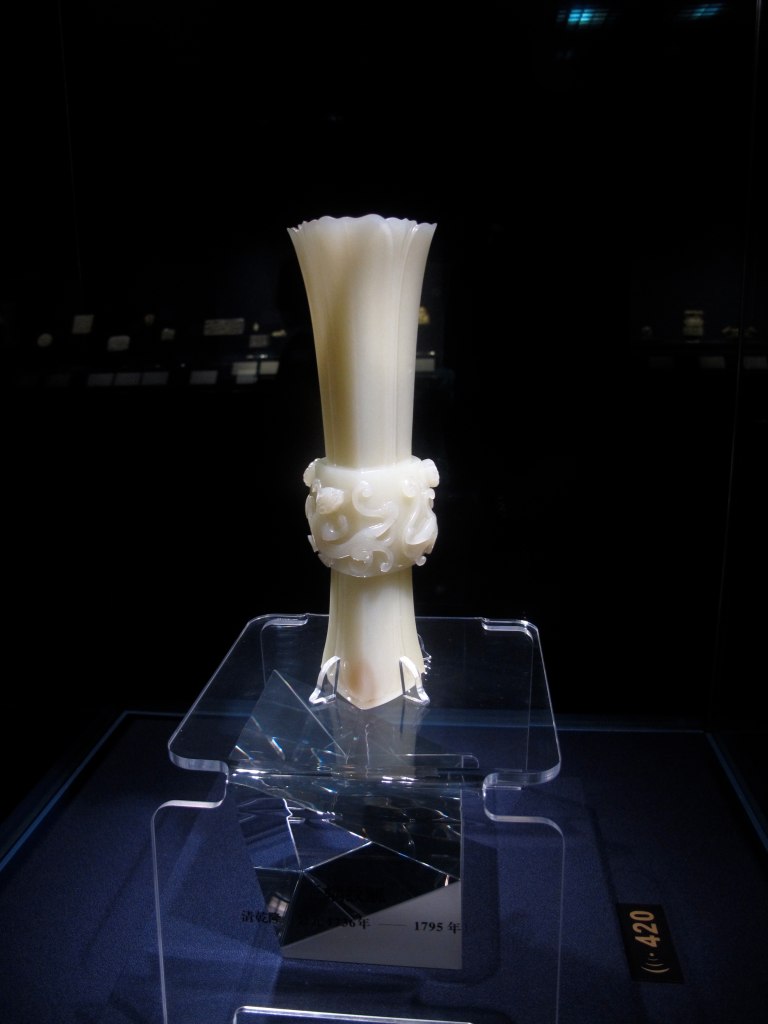
double jadeJade! I wrote what is below in 1998. We went back this time to the National Museum in Shanghai at least partly to look at the jade. This is a carving from a single piece about as big as your finger around 1,750 years old. The colours are natural.

But then it recurred. The mania. I don’t know what there is about China and jade, but it appears potently infectious. What happened last time is recounted below. Then this time Myrna found a shop over the road from our hotel in Shanghai. We found this nice bracelet with lots of good, well organised colour (if perhaps not grassy enough, see the green in the ring), lovely clear sound when struck. 3650 yuan. About $600. No. We tried 1000 and the bloke laughed at us. Next day during a long walk through the French Quarter she got into the Chinese commercial spirit and determined she would go back and make on offer. Went back and a sale had been announced at the shop. The gentleman running the shop got the bracelet out. 350. More or less what she had determined to offer. All done. All sold. Bang. Triumphant but thwarted from the thrill of the chase.IMG_2055

Fifteen years ago … JADE

I had always thought that jade looked like plastic and, although there is that remarkable carved jade carriage in the middle of the Queen Victoria Building, beneath notice. But that was before.

Jing Hong came at the end of an exhilarating but solid set of school experiences. People have asked me what we did at night. Well, lots of things — concerts, karaoke, eating, chatting, packing, night markets, walking — but I was always glad to get into bed, tired by the intensity of the trip and its myriad parts. Jing Hong was a break, a free day at the end of another long bus trip, and it had a backpackers’ cafe (the Mei Mei) which served European breakfasts. Breakfast for 23 plus, cooked on two gas rings is a tall order and so we poured over the menu the night before. Muesli, yoghurt, bacon and eggs, coffee, toast, jam, pancakes — a bit pathetic really to think we might have been slavering over such offerings. But slaver we did.

When it came to the point, the muesli was a big pile of rolled oats, the yoghurt some tofu-ish lumps, the bacon and eggs a test, but the banana pannos, yum. The coffee wasn’t great, but the Golden Dragon in Kunming had been charging the equivalent of $5 Australian for something darkish and wet of lower quality. When in China … that’s the clear message.
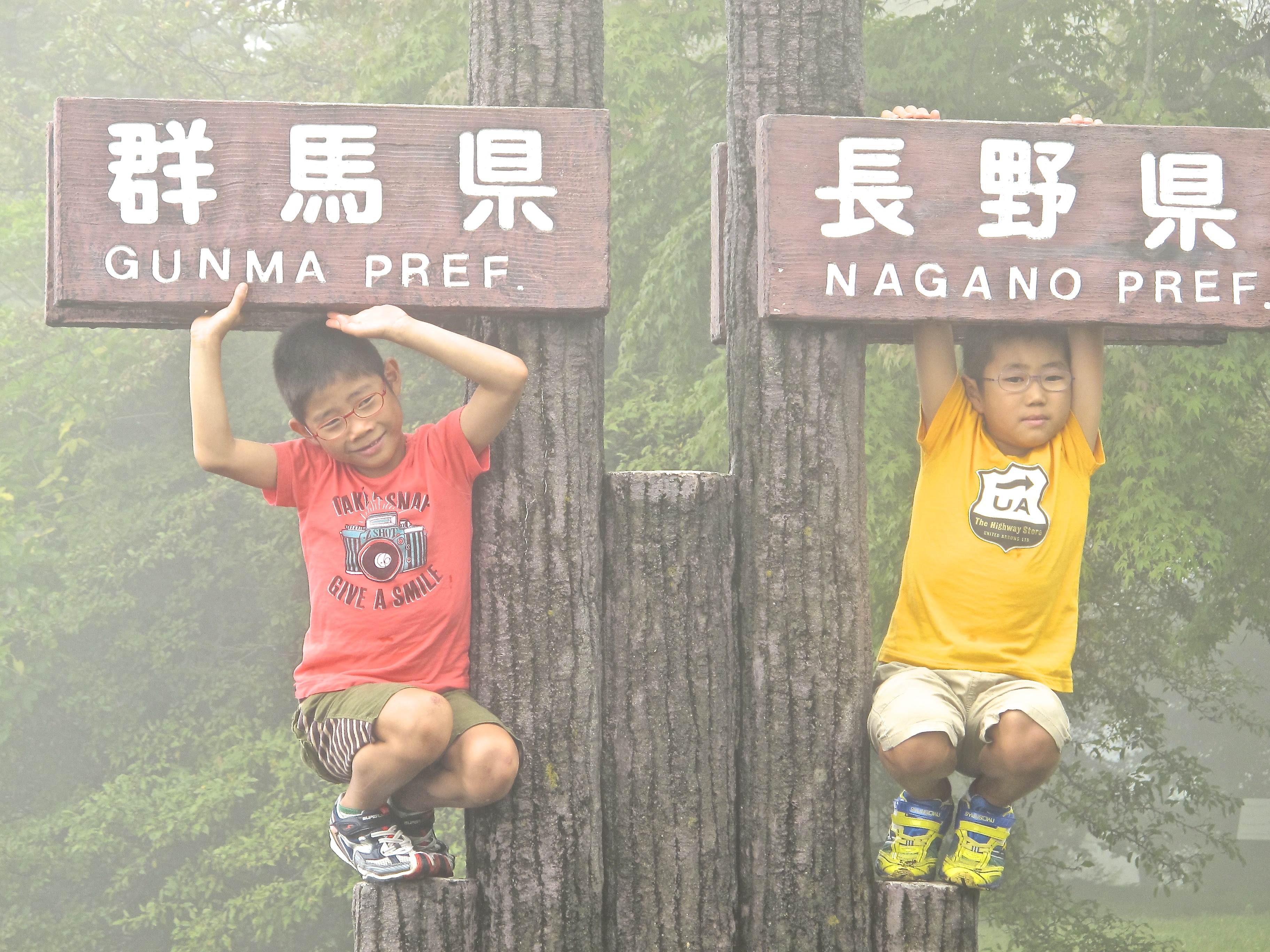
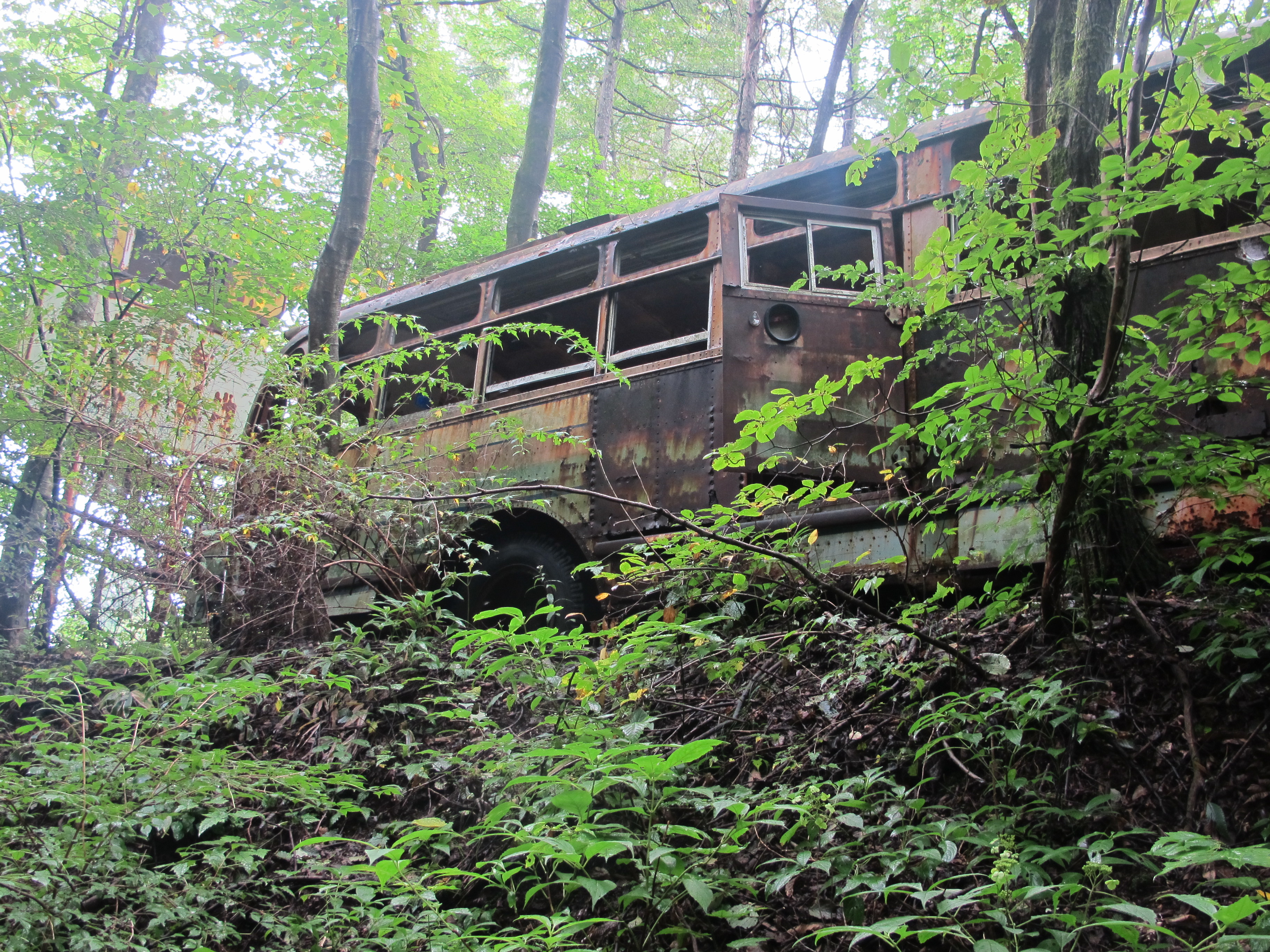
So we lay back into these delights and chatted, watching the endless stream of cyclists, some with utterly improbable loads, and eavesdropping on European escapees talking about their adventures in Xishuangbanna (the local area which draws tourists to, among other things, its stone gardens). The day was beatific. Myrna and I hired some bikes and rode aimlessly across the bridge over the Mekong and watched cheeky dogs who weren’t as obviously conscious of their possible fate as they might have been. We found a market where we bought a post-modernist bag (which demonstrated influences from camouflage jackets, Hollywood, the Chinese and various other unknown flags) for approximately nothing, some Nashi pears, a pineapple (the speciality of Xishuangbanna) and some biscuits.

What more could you want? You could want jade.

Near our hotel in Kunming had been a … what? A jewellery supermarket, I suppose. It had rubies from Burma, star sapphires, emeralds and amethyst from Sri Lanka, a certain amount of gold, a profusion of sparkling bits and pieces. But what it really had was jade. Rings, broaches, ornaments, necklaces, mounts for clocks, bracelets — a sea of green.

The neophyte approaches. It might be like looking at the aisles of prepared food in an American supermarket. You’re sure there must be something reasonably inoffensive that you can eat there somewhere, but how would you know? It’s what you like yourself, isn’t it? If you like milky jade or the lime green, who is to tell you the sea green is superior? Then there is something about the clink the jade piece makes when it is on a string and you hit it with something solid. Got your string or your piece of cotton on you? What clink? Do you want it to sound clunky or bell-like? And if you can find a bell-like clink…  well I couldn’t. Flaws. What are we looking for here? No jade is clear, inscrutable substance that it is. With prices for apparently similar objects varying by 10,000 per cent it should be more articulate. We thought the safest bet was to buy the cheapest that we liked, and so emerged from the supermarket with four bracelets, not unlike green marble but more transparent, for 60 yuan ($12) and some rings. Over the road Myrna bought a pair of circlets for ear-rings bargained down to 80 yuan.Mernz and the axe

[Here’s the culprit with a jade axe head, about 5,000 years old, in the Shanghai Museum.]

It might be its very inscrutability that gets you in, but I quickly learned that it was nothing like plastic. It has as much character as any organic substance. So when we cycled past Jade Alley in Jing Hong, a street about a kilometre long which has little but jade shops in it, we cycled in. About 40 metres in. That was far enough.

My dear companion had become absorbed by jade and so we went through the stock, not just the stock on display but the stock from out the back, the good stuff, beautifully wrapped in envelopes of multi-leaved paper. The staff was a man in a Mao suit, a sure sign of elderliness, and a younger woman who might have been his wife. He wanted a sale; she wanted the right price. They had their piece of cotton, but I had only the glint in their eye to guide me about respective clinks. Nonetheless, the good stuff didn’t have to explain itself. It seemed visibly superior. Myrna bought a bracelet, a racehorse next to the Clydesdales she had bought in Kunming, finer, translucent, a brightish white with a streak of green viscera through one side. It went clunk satisfyingly and cost 180 yuan.

This objet was admired to the extent that Kathe rushed back to that shop before the plane left and bought a big one, a good one, milkier than Myrna’s with a variety of lovely shades of pale green. Eight hundred.

*****

Later, as they say. A day later. Soft sleepers have four-berth cabins and, whatever you do, four into 23 leaves three. So Kathe, Jing and Ted shared their cabin with a Chinese gentleman who turned out to be a jade dealer. Jade! Let’s talk jade, let’s show how clever we have been with our purchases. He laughed a lot that jade dealer, as I suspect jade dealers must. When you’re dealing with something so mutable as taste in luxury items a capacity to laugh might be considered essential.

He laughed even louder when the pieces came out for valuation. What was good? The Clydesdales produced modest praise, the ear-rings with their grass green-ness and their translucency some applause, but the pieces de resistance were worth, well a good laugh in a train going to Chong Qing. A shame really to have to revert to the shamelessness of: I bought what I’m wearing. I paid a price I’m happy about. I know what I like. I like what I bought. It’s not a completely water tight syllogism, but it makes some sense. And if it doesn’t, you can always have a laugh.

*****

Later again. Ten days later. We are in the Shanghai Museum’s Ancient Chinese Jade Gallery. The jade pieces, intricately carved, are white, black, almost clear, turquoise, grey, ochre, mother of pearl, orange and amber as well as green. The same piece — rings, ornaments, buttons, axes, vases, heads, serpents, dragons — is often multi-coloured. The jade is particulate, marbled, swirly and solid as well translucent. I am unable to administer any clink tests.

However, the prize piece, a wine vessel with three serpents from the early Qing Dynasty, about 30cms high, glamorous in a way which transcends glamour, seems to be fashioned from a rain cloud.

And here it is after all these years. Still in pride of place.jade vase

The Merest Sniff of China (3)

Facing the world, facing the future

The Huangpu makes a final broad sweep before it enters the East China Sea. The Suzhou Creek enters at the apex of the bend, feeding a river already massive by Australian standards. Countless barges with a freeboard which can be measured in millimetres diligently slosh along in its opaque water. Ferries costing almost nothing one way and nothing at all coming back, honk that they are ready to depart.The Bunned

On the western bank is a scene — whether as an oil painting, a massive photograph or the real thing — in front of which Chinese from all over the country like to have their photo taken. The Hong Kong and Shanghai bank, opened to great acclaim in 1921, is the standout building in a long row of examples of muscular European imperialism, sans flair but solid with just a whiff of indomitability. It’s the Bund, old Shanghai, the main drag of the International Settlement, centre of banking and commerce and goodness knows what else for a hundred years from the middle of the nineteenth century. Shanghai was a fishing village on the silt flats of the Yangzi delta with a population of considerably less than 100,000 before the British established a trading concession here in 1842. The French followed, establishing their own Quarter which is still quite identifiable.

PudongAs you lean on the river wall and look across to the eastern bank, it is not possible, not at all possible, to ignore the Pearl Television Communications Tower, a vast rocket of a building awaiting take-off. There is a taller tower in Kuala Lumpur; but this is Shanghai, a metropolis of eight million, which must surely be one of the great cities of the world. The Pearl Tower, across the river in Pudong, is a potent symbol of where China may be heading.

Not eight million anymore. Fifteen years later, around 25 or 27. Maybe 40 depending on where you draw the line. Regardless, Shanghai is either China’s biggest city or biggest conurbation. And the Pearl Tower is no longer the dominant landmark on the Pudong bank. It’s good. Great. Fabulous really. But one among many. And the big lump in the background with the three cranes hanging off will be 640m. high when it is finished, more than 200m. taller than the Petronas Towers in KL.IMG_1980 (They were working at 10.30 on this gluggy night. I noticed the cranes move; then saw a bucket of concrete on its long journey up.)
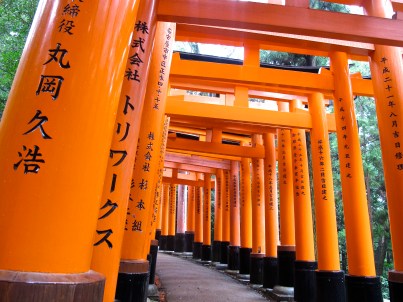
Nor would the ferries cost nearly nothing any more. Shanghai is a world city and charges accordingly. I saw a very ugly watch for 6.3 million yuan in a shopping mall devoted exclusively, exclusively, to shops like Cartier, Bulgari, Ermenegildo Zegna, Ralph Lauren and so on. We also saw department stores full of Sino-ey knock-offs. No not Zegna, Frognie Zila.

We didn’t have to take the ferry either because there is now a tunnel under the Huangpu and for 70 yuan return you can go on a very strange underground traverse with a new attraction/distraction every 30 metres or so. (Magma falls, ooomm, cosmic fossils, oommm, meteor shower, oommm, giant waving air puppets, ooomm, etc.)

We had a couple of days in Shanghai to finish, at leisure as Lord Rowland would say, excited about revisiting the National Museum, looking at Pudong and just wandering around with the prospect of satisfying an unfulfilled penchant for dumplings and pork buns.

Visibility wasn’t much of an improvement from Beijing when we arrived and we were both very tired: 32 interviews in the can, about eight hours of video. Tiring. And that seems to have happened last time as well.

The maximum temperature was still hovering around zero and the air was thick with misty smog. The changes in climate and the density of our activities had taken some toll. On the first night in Shanghai we seemed to walk forever to find our quota of dumplings, Chinese pastries and beer. Homesickness was apparent, there was some trouble about rooms, and … well, all of those things. It looked like Shanghai might be a bit of a slog.

The next morning as we wandered through the hutongs, I found some lip balm for my badly cracked lips in a chemist shop, and was tempted by the vast range of aphrodisiacs and the pillow of roots which, had I slept on it, would have cured senility. My grey hair indicated great age to the shop assistants. The narrowness of the streets and the height of the buildings said city, said people, said, even stationary, plenty to look at, plenty to do. We took the ferry over to Pudong and went up to the observation platform of the Pearl Tower. Even with the limited visibility, you could see perhaps 80 or a 100 buildings going up, almost growing as you looked like bamboo in a tropical rain forest. Directly below us you could see the ingenious lattice-like rafts of concrete which have been devised to allow tall building on silt. (On the other side of the river Shanghai’s buildings had subsided several metres when comparative measurements were made between 1925 and 1960.)

El roadsIn the afternoon we rode the helter-skelter of Shanghai’s traffic system, now on the ground, now up in the air on the ‘viaducts’ of its (not really) freeways, now in a tunnel under the river, now in Pudong proper. Our hosts had brought us to a tower block perhaps fifteen kilometres from the heart of the city and we were escorted up to the thirtieth floor to look at a model of a new development. Mmm … a model. Very nice thank you. Then we looked out the window, and there it bloody well was. Most of the dormitory accommodation was in place with its swimming pools, the villas for the wealthy were there in neat rows, the great sprawl of low rise factories ran west to the horizon and the market gardens to the north had been razed in preparation for more building.

There are currently about 12,000 active major building sites in Shanghai city and, it is guessed, about 15 per cent of the world’s cranes at work. Economic growth (albeit from a relatively low base) has averaged 15 per cent per annum for the last few years. Investment at an estimated rate of US$50million per day is being poured into this area, one of three free trade sites in China. (The others are north of Beijing and in Guangzhou, the province abutting Hong Kong.) The call of the biggest market in the world has been heeded and those with capital have flocked to get their share. The Ricoh factory, assembling fax machines, we visited was a model of technological enterprise — antiseptic, superbly organised, good wages and working conditions, and this is one of a hundred thousand. Consider what one such enterprise can mean to a country town in Australia; then multiply by thousands, hundreds of thousands. I had an image of Bill Bixby turning into the Incredible Hulk, shirt ripping, trousers too short, a new massive creature emerging into the world with its goals and directions not entirely clear.

The sheet anchors of the vast population, almost constant war, famine and ideology have in the past held China’s economic development back. But there is a very strong sense that they have also made the country tough. The world awaits China like the delights of a fun park. Let’s go. Let’s see how many of these rides have some interest and value and, more to the point, let’s see how many we can make some money from. Good at that, the Chinese. Focused. 

Here’s an answer to the question: What do you do when you ‘do’ the future? You go for it. You surge forward on the basis of your instincts and your naked need to do so. You draw on all that restless, unsatisfied energy. You push forward without necessarily thinking about where you’re going, not with any larger view anyway — fire, ready, aim. This is the full tilt unadulterated blast of testosterone, and to unaccustomed eyes it is astonishing. It is a sight every Australian should see. 

Fifteen years ago all that was visible. And it is still is. There is still an apparent capacity to make impossible things happen and keep happening. Focus on the future not the past.

But back to the present…

Shopgirls

Bayden had commented on the rabid addiction to the mobile phone evident everywhere but certainly making it hard to get attention in shops. Maybe you had to ring up the shop assistants. He had come to Shanghai for some time-lapse footage from the 48th floor of the JW Marriott hotel through the crystalline air. This is the view.IMG_2001

And what it is is part of the People’s Park covering the main subway station and site of Shanghai’s main cultural edifices. It was once the racecourse. The building with the red-roofed tower to the bottom was the Club building. The Grandstand was reputedly the largest in the world, and probably was. The turf was described as “smooth as a billiard table”. (Thank you wikipedia and Mr Findlay.)

national museumThat said we still found solace in the National Museum. Even the coins seemed interesting and I found something newly fascinating about calligraphy which has left me cold in the past. I could see the individuality of the styles and the variation according to purpose. And there was the jade.

We topped up with some dumplings at a street shop over the road from the Museum and walked off to the French Quarter. It all seemed much more knowable than last time. Hundreds of shops with what one might describe as ‘cutting edge fashion’, including dead set no worries ‘pop ups’.popup shop
SH moderne

We found some contemporary art, in sum somewhat discombobulating and not really the feel of having grown naturally out of the environment as was the case at 798 in Beijing. But the top floor had a well hidden restaurant full of style, welcome and nice food.

Our waitress sent us off to her pick of Shanghai’s art areas, hutongs off Taiking Road. There was certainly plenty of art there but it turned out to be like a gigantic Camberwell Rotary Art Fair — nothing wrong with that, and a cultural statement in its own right; but not exactly what were looking for. More the deflated tank made out of leather.

The French Quarter has its charms with ten of thousands of plane trees planted, I believe, by the British. FC street shop

In this photo I’m looking out the window of a Printemps department store. Printemps in Paris provides a very cheering shopping experience. I think we were expecting something the same with perhaps some nice coffee and a macaroon. Incorrect. We worked our way without success through the various offerings of the food hall and, on further exploration, realised we were in a shop (maybe like most other shops in the world) full of pretty awful Chinese knock-offs.

But we had a very fine walk and we found all the appropriate vestiges of humanity including the rather grand house from which Chou En Lai fled the Kuomintang spies in 1942, and the insect market. Could have picked up a couple of quality cicadas cheap but didn’t know if we could get them back into the country.Insect marketChou En Lai

However damaging to my reputation, I’m glad there’s a photo from the insect market stuck in here. It wouldn’t be China if there were no freakshows included, and I would belie my status as a dopey tourist walking around with mouth half open, eyes up to the landmark architecture or down to the map.

Finally it was clear, the last day, and everything took on a new hue. And it was just like it was last time …

If the developments on the east bank of the Huangpu are generated by testosterone, the throb of the west bank comes from the firm palpation of oestrogen — people, their families, their neighbourhoods and their social futures, history, time spent, lessons learnt, as well as their intersection with the things that the east bank, Pudong, produces. When you face the world, you face its calamities, disappointments and treachery, as well as its material richness and splendour. You face the facts of overpopulation and the common challenge of a sustainable future. You face consumerism and its distinctly unpleasant offshoot, commodification. And you have to face the ways in which we might get on together.

The acrobats. That laconic forum for minor miracles, the Flying Fruit Fly Circus, learnt a lot of its tricks from Chinese acrobats. And here we were in the presence of the teachers. The performance began at a very high pitch with tumbling and juggling, and then ascended — a suitable metaphor for the nature of our experience in China. Here was a young man balancing on four layers of rolling slats, standing on one foot, flicking first one, then two, then three, and finally four soup bowls simultaneously from his other leg to catch them on his head. Later, seven young women did handstands on chairs balanced one on top of the other in a long arc. Oooo, we went with the rest of the audience. Aaaaaah. No. Not possible. But with aspiration, discipline, patience, endless practice and a certain carelessness about the possible consequences, it can be done. And this might be a suitable metaphor for the future of the next great world power — China.