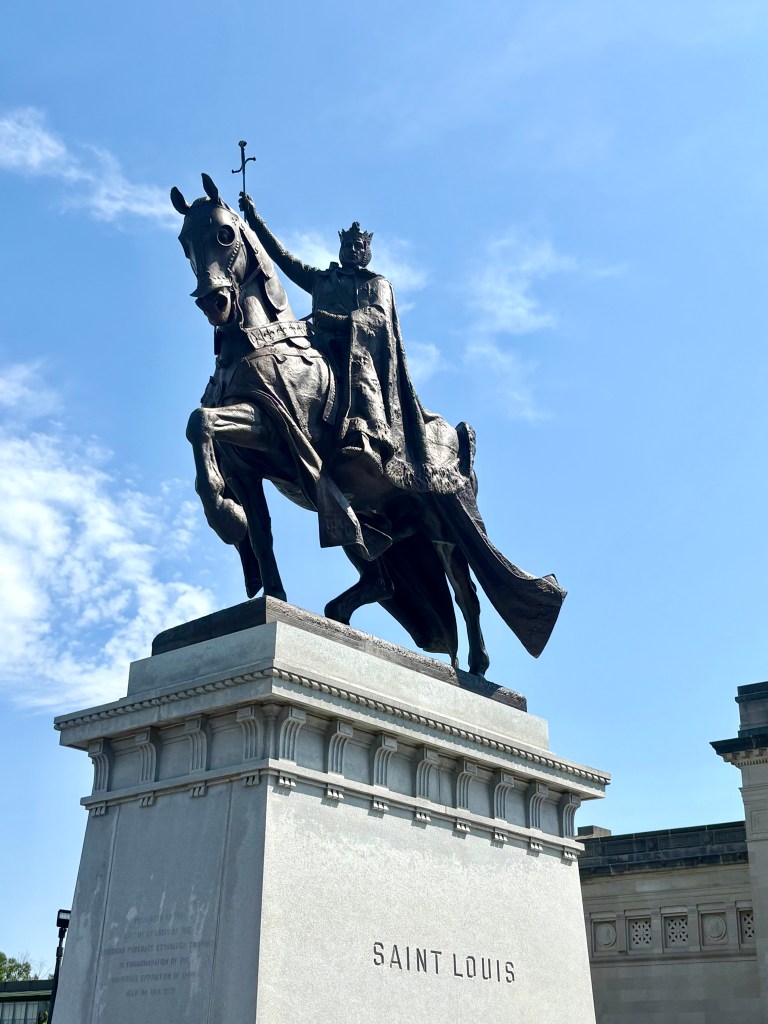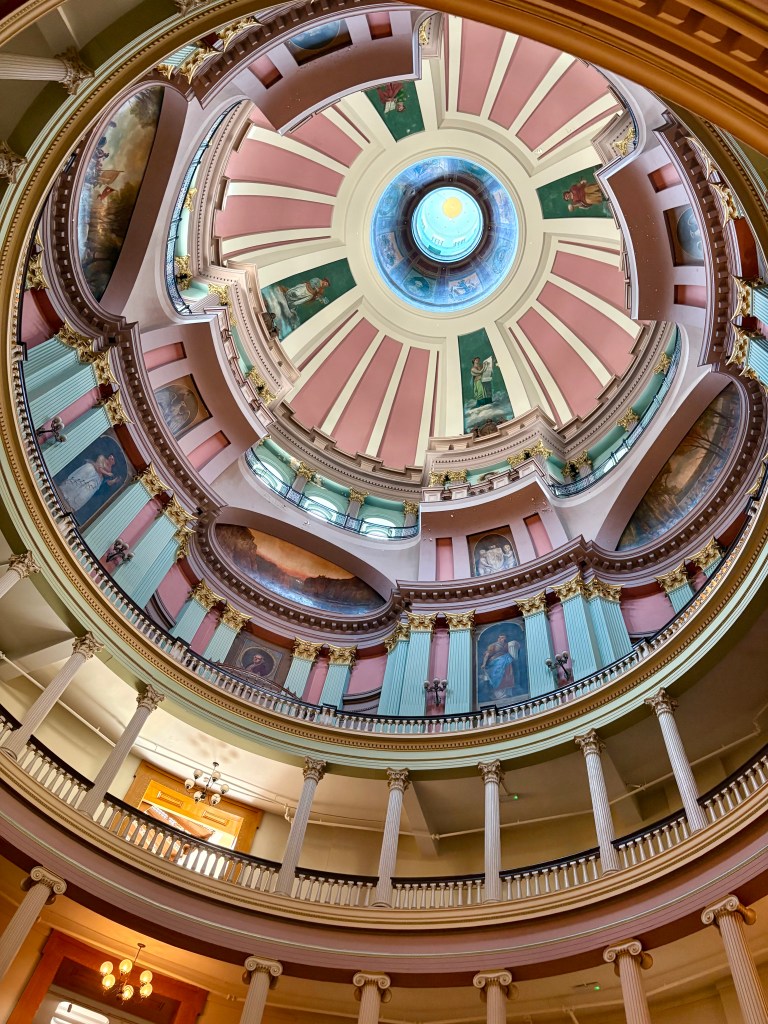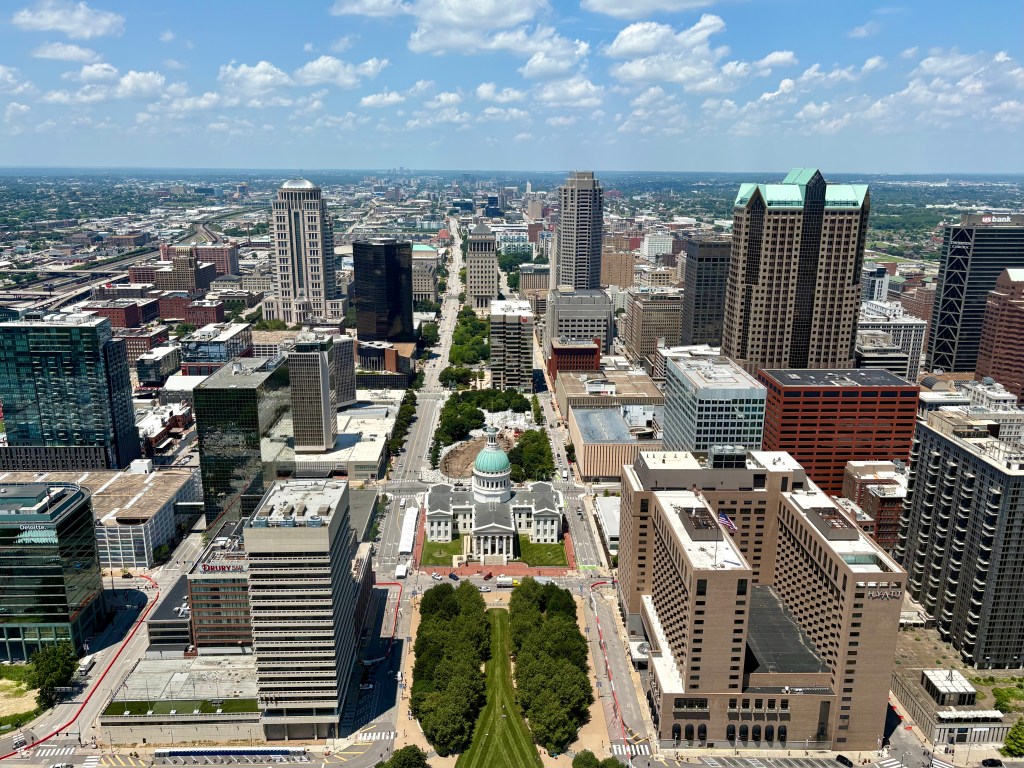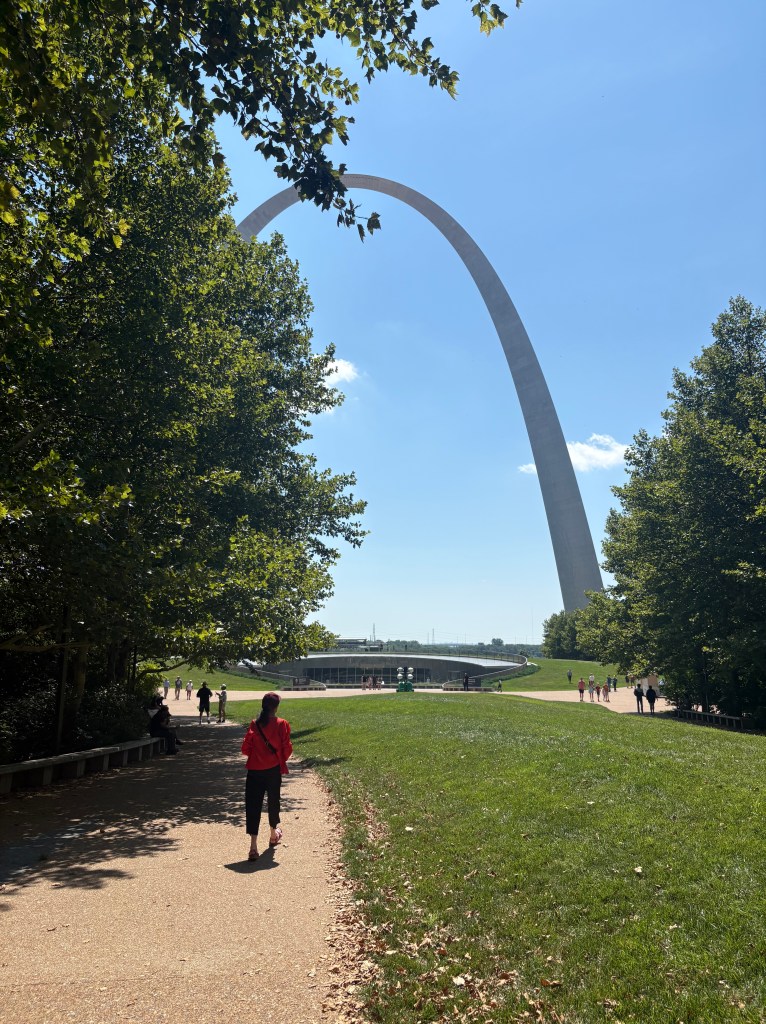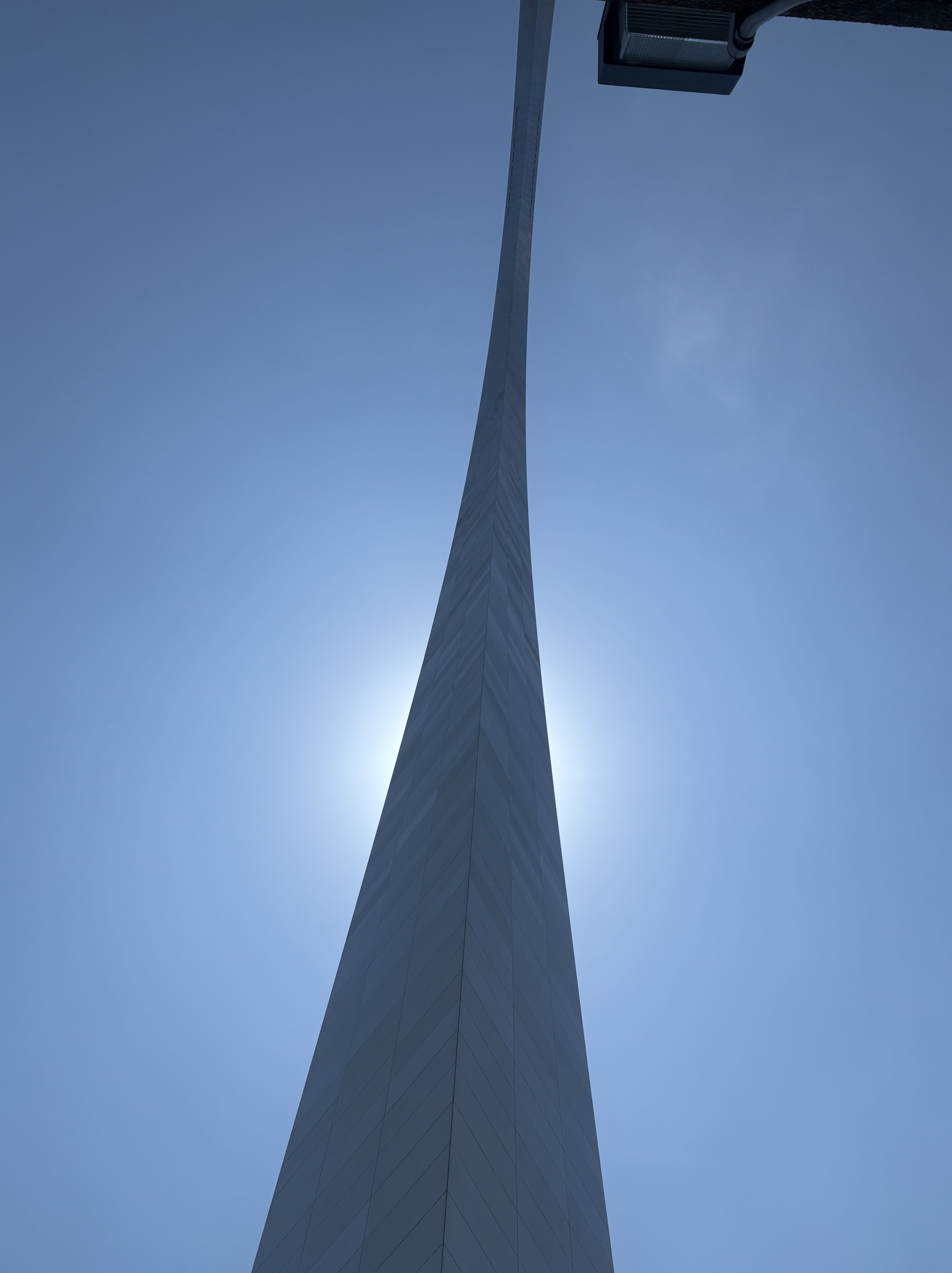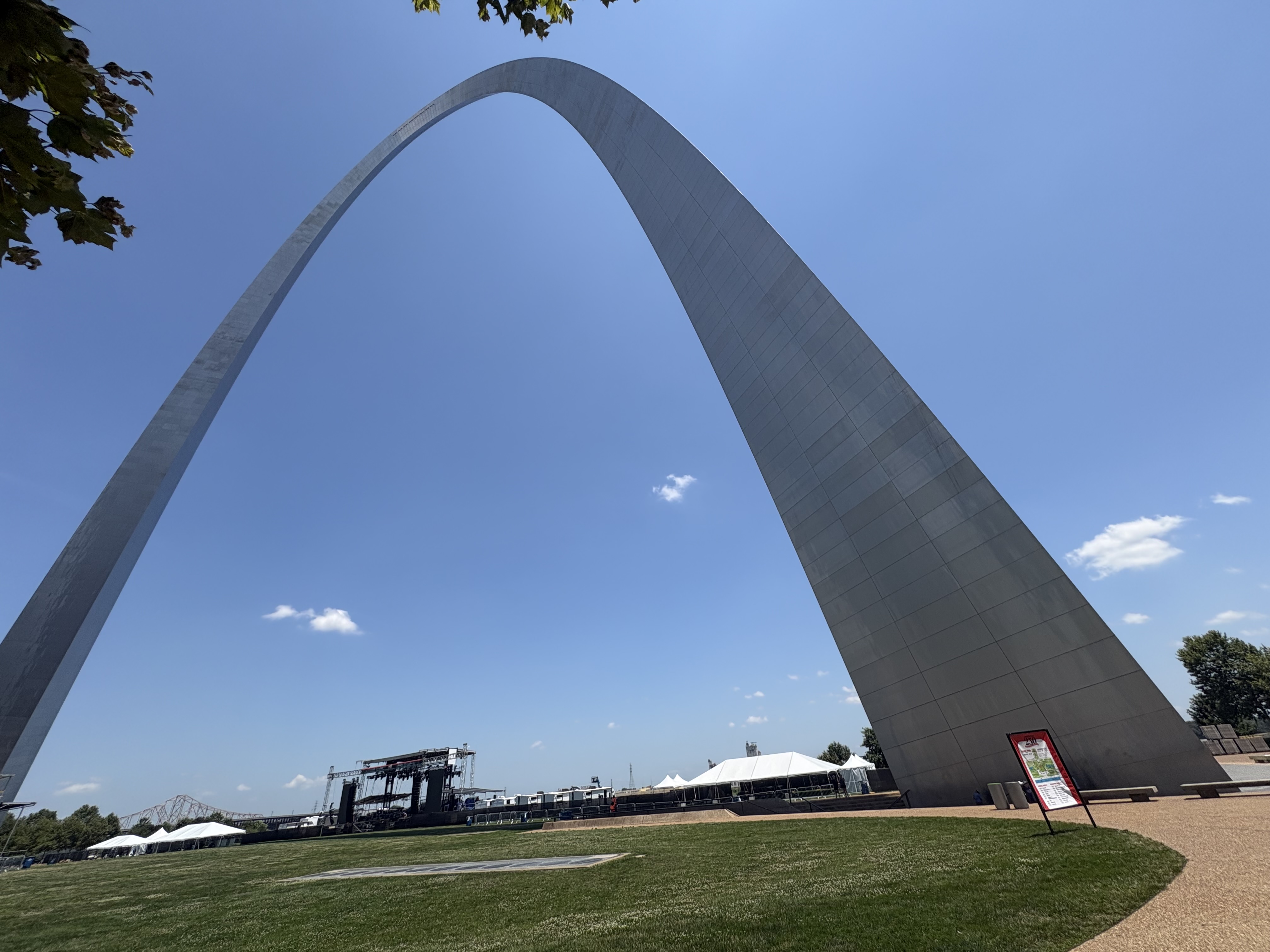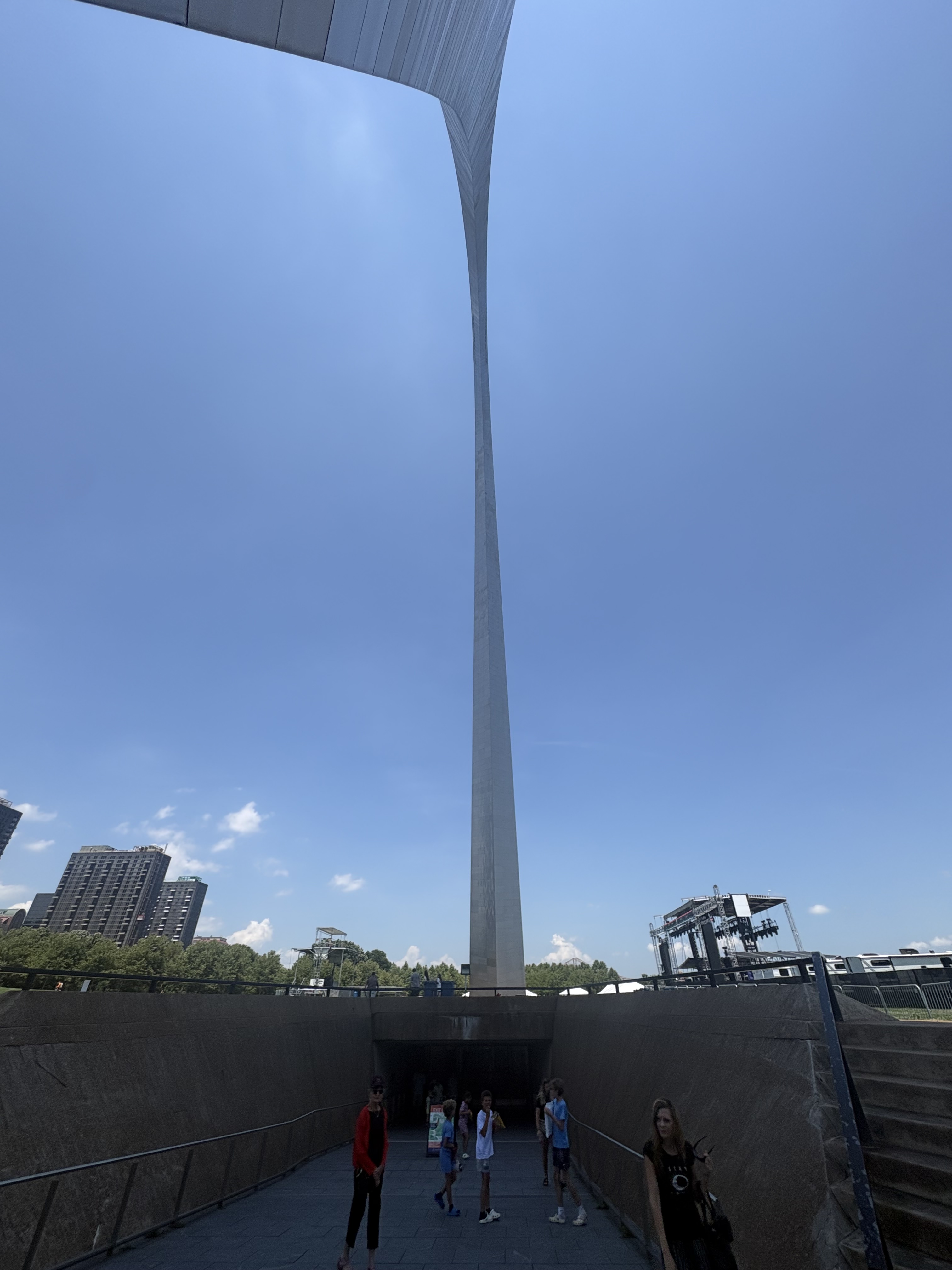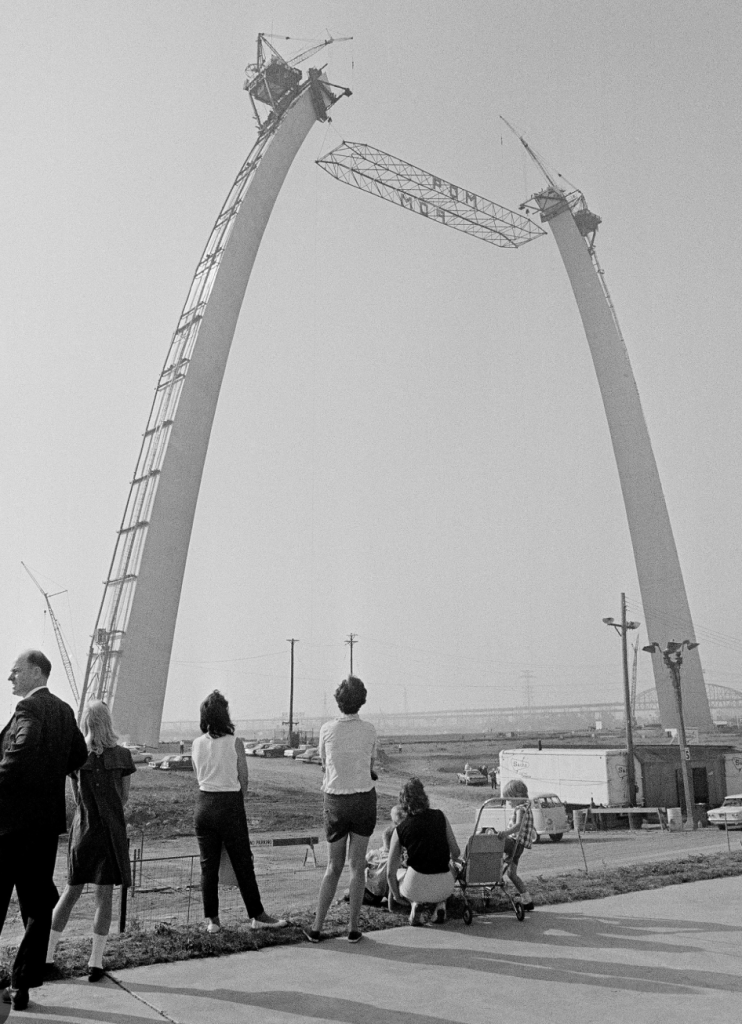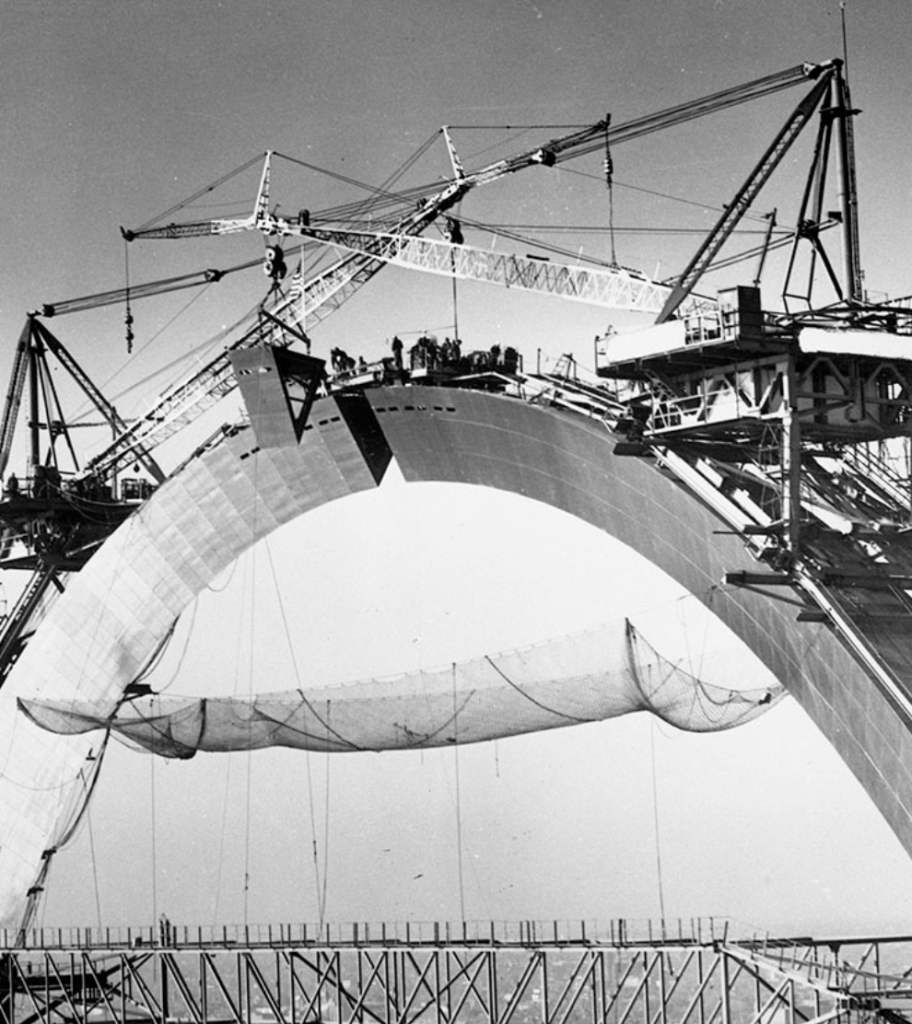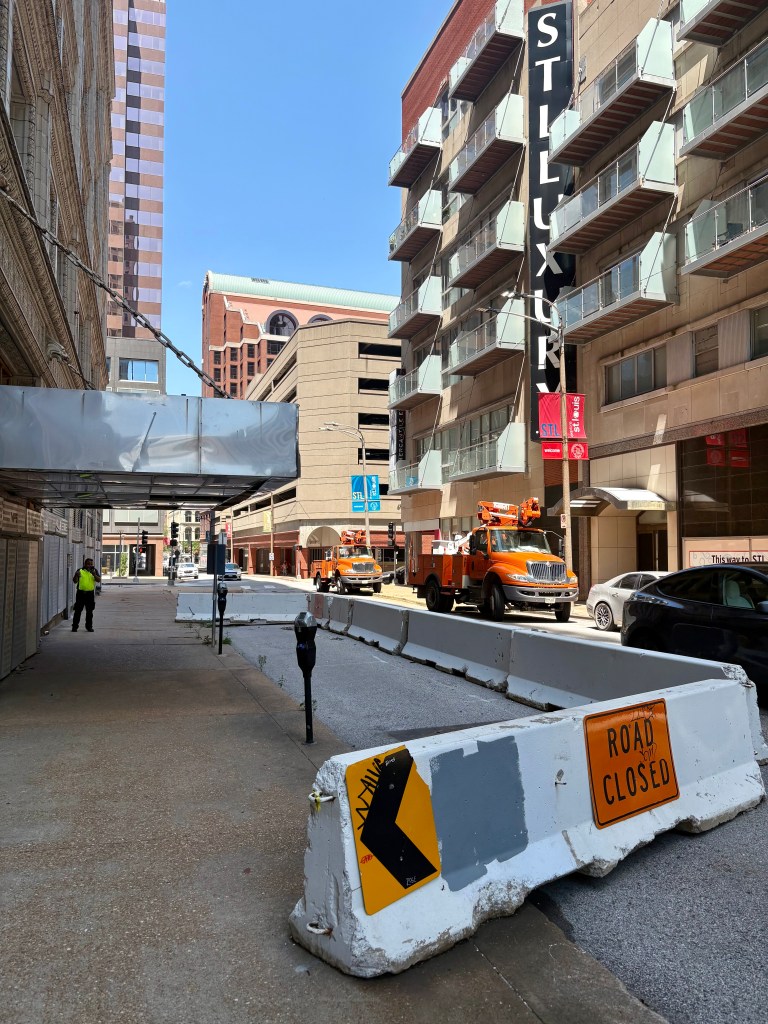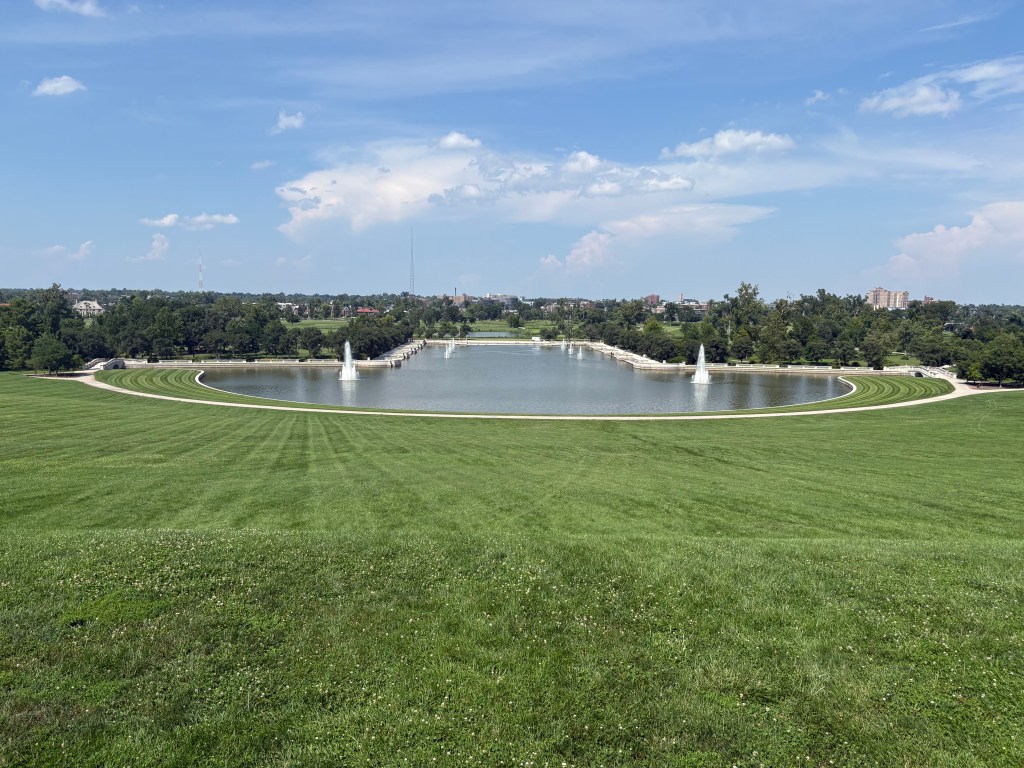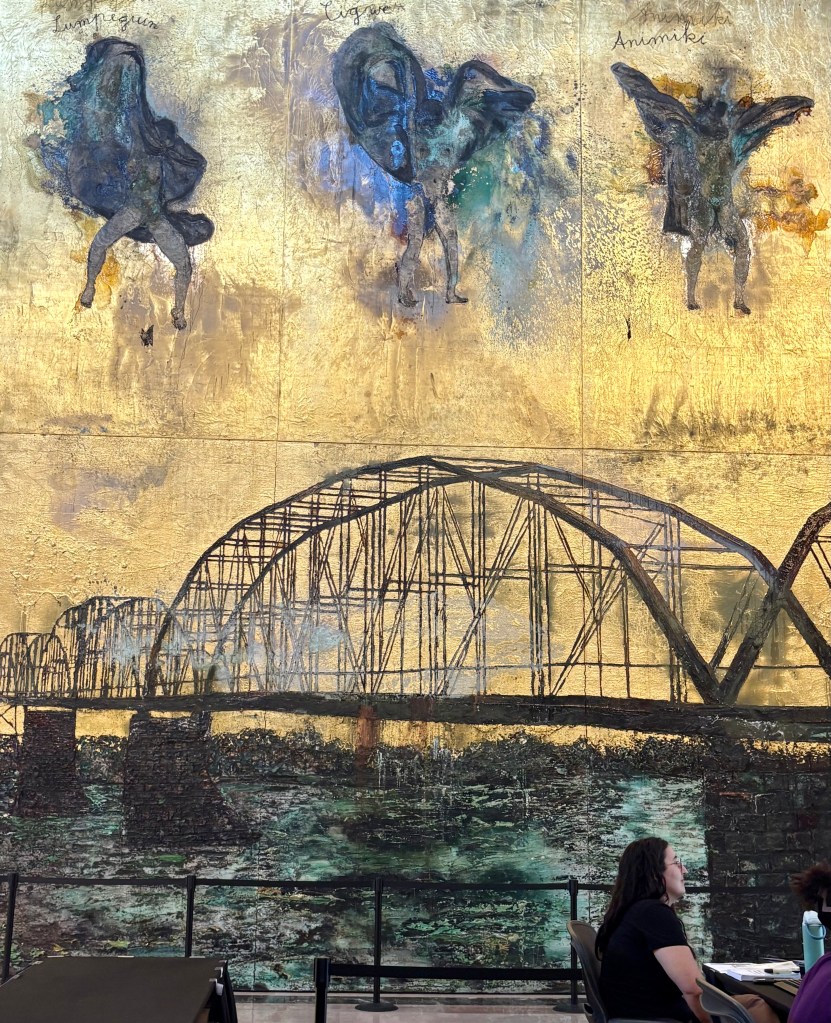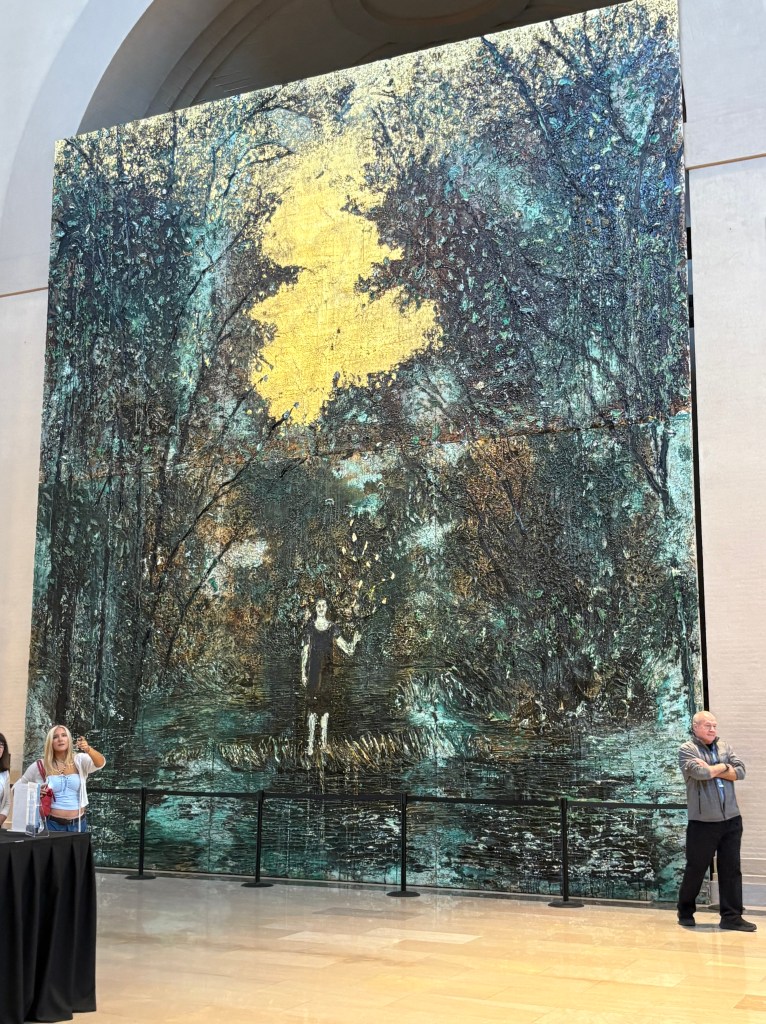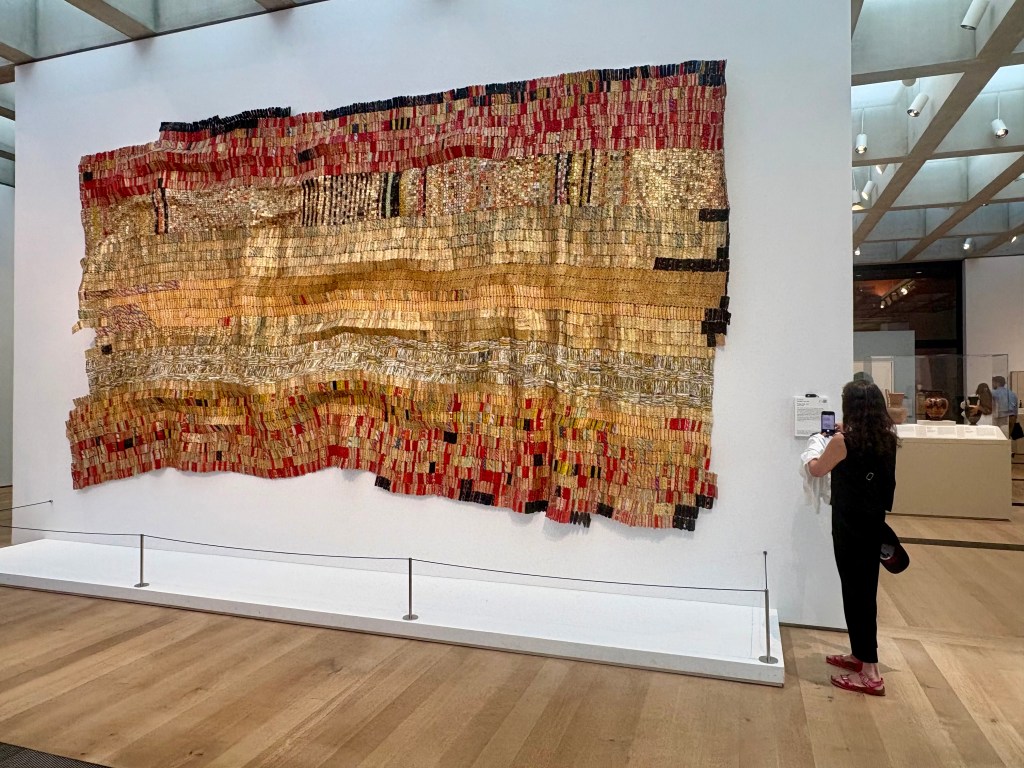
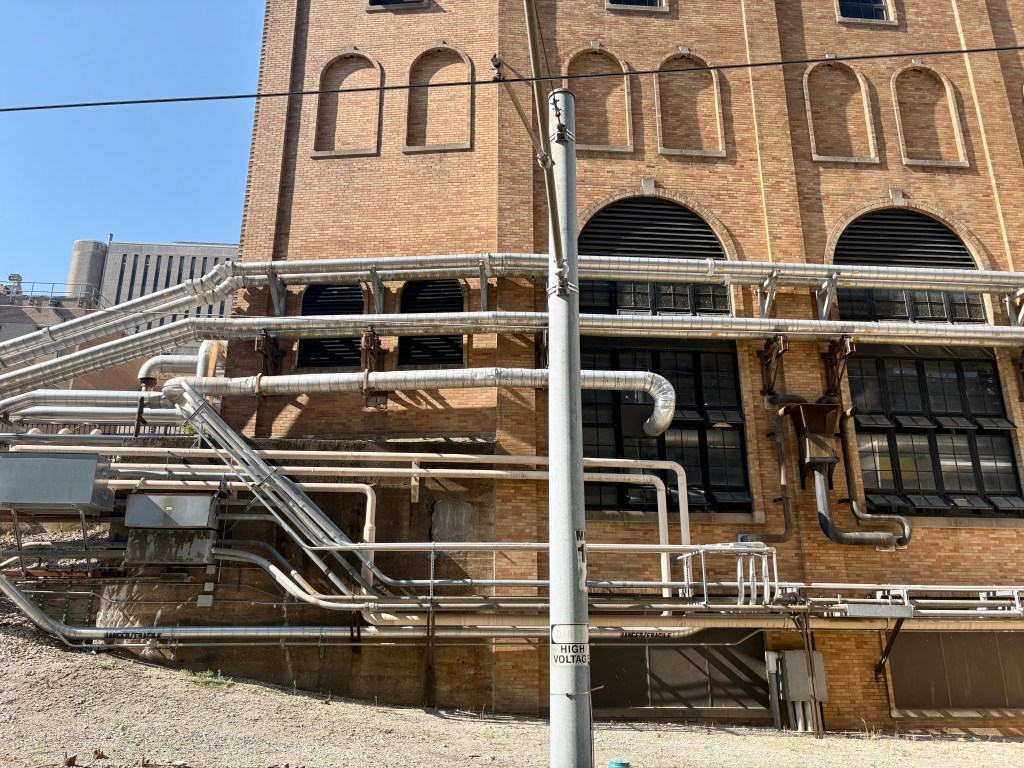
We sat on the platform for 20 minutes looking at this in 100 degree heat and I found myself wondering if this was perhaps some sort of totem for St Louis. We were waiting for the relevant Metro train to take us to the airport, the Metro being St Louis’s rather half-hearted effort at public transport by rail. It was free this day for indiscernible reasons. But it did take you to the airport. It’s just a pity that the Budget car hire depot was on the other side of an 8-lane freeway with no obvious exits and certainly no pedestrian bridges. But there’s always a solution to these issues: a shuttle which took us half way back to St Louis before finding somewhere to cross.
I’ve written about this drive elsewhere in the context of attending the Grand Ole Opry in Nashville.
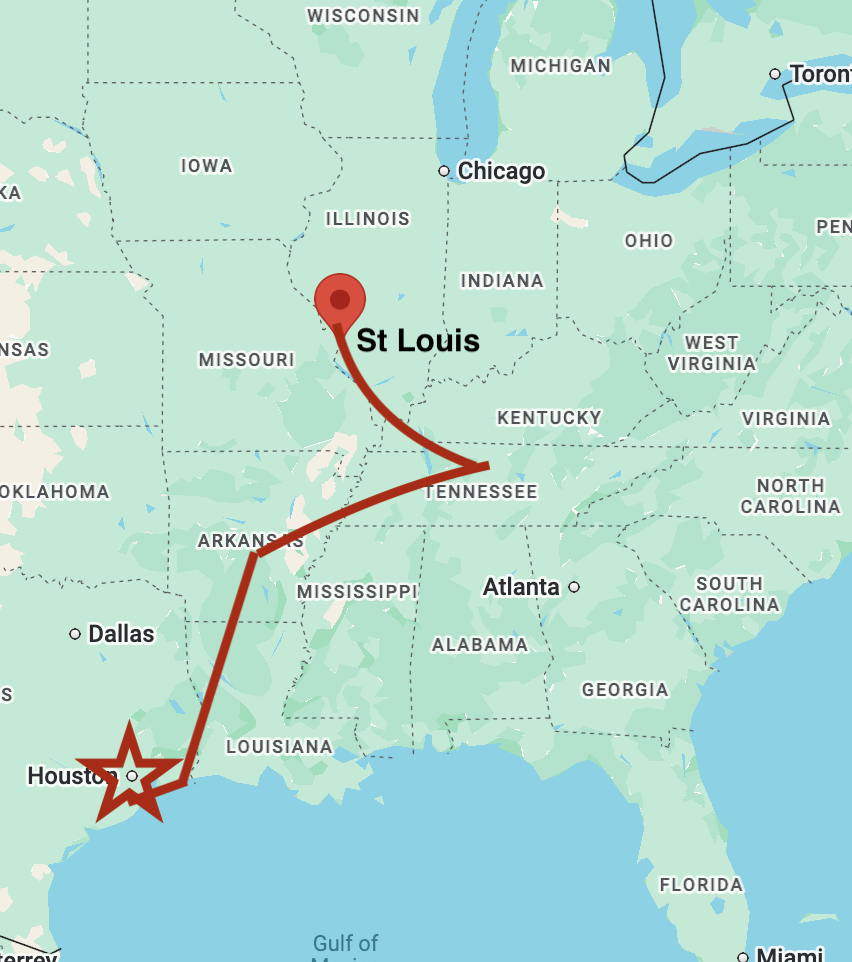
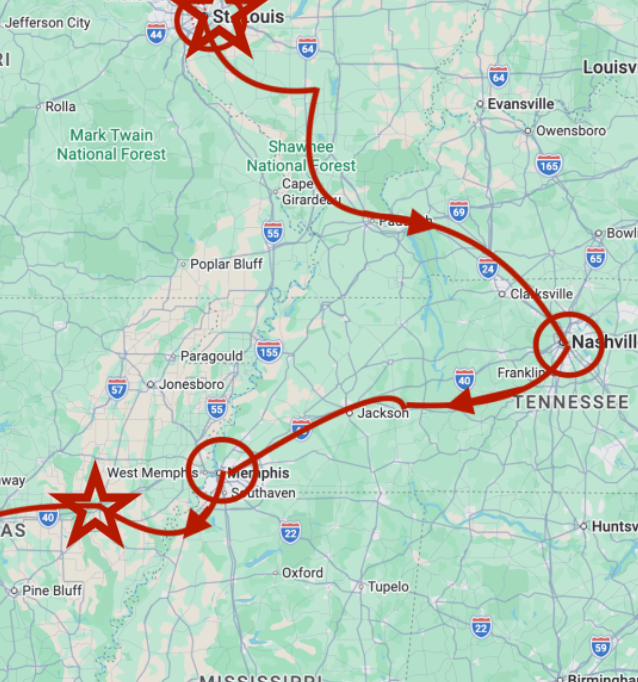
We had just driven from St Louis in a Camry that vibrated and made awful noises. We were held up at the hire and left late. I thought it was about 300kms, and it was actually 328 miles. Out by a factor of 1.6+. There’s no precise direct route so I was enjoying ambling along backroads till the distance made itself real (about 550kms in the end) and I joined the cars on the freeway going 80-85mph. Tiring. The only food we could find readily was a Maccas where we could recognise the menu but not the product. It was only a few days since Myrna had had her root canal done and she wasn’t feeling too flash. It was also a bit complex, not to find the theatre but to get to it.
Still true one blog later. ‘Mmm’, my journal reads. ‘A difficult day.’ Except (other than the execrable food) it was better than that. In fact, at a more gentle pace and with less at stake, it would have been one of the really good days of driving we had in America.
We were going through western Illinois, then a corner of Kentucky and then some distance into Tennessee. I was expecting hills. I had chosen this route to some extent because of the number of national parks and reserves we would drive through, and we did drive down through the Land Between the Lakes National Reserve which was lovely, but really, either side was dominated by endless corn and soy fields. American farmers plant roughly 90 to 95 million acres of corn and about 80 to 85 million acres of soybeans each year, and we were squarely in the Corn Belt. About 35% of this corn and about the same percentage of soybeans is used to feed cattle, pigs, and poultry. There’s something circular about this process that I just can’t quite put my finger on. About the same percentage of the corn is turned into ethanol to blend with gasoline. And then there’s that 10% which becomes high-fructose syrup, such an important component of hyper-processed food. We were driving through things that are absolutely fundamental to the American economy.
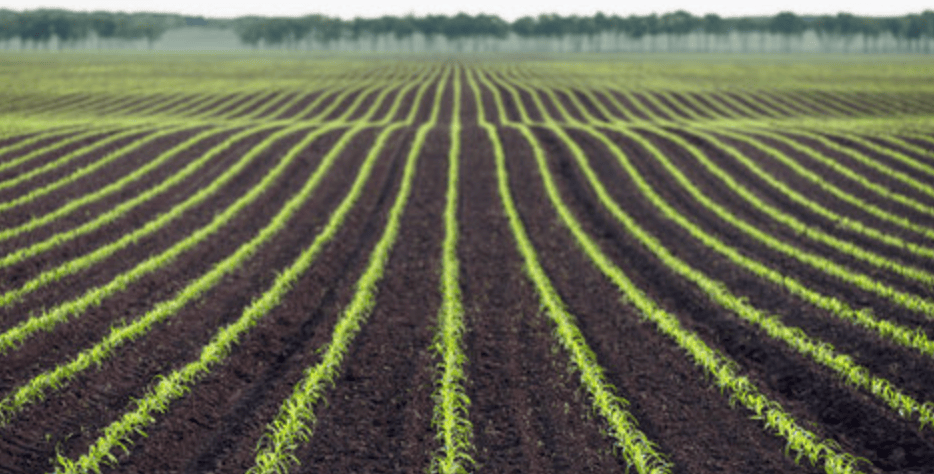
And if you want to know why that hairstyle is called ‘cornrows’, this route will make it obvious.
Just here there was plenty of water, for Australians a real lot of water. South of Memphis, Mississippi and Arkansas were supposed to be in drought. We could see struggling crops, but it didn’t look like the brown billiard table Australian drought. It’s a rich country.
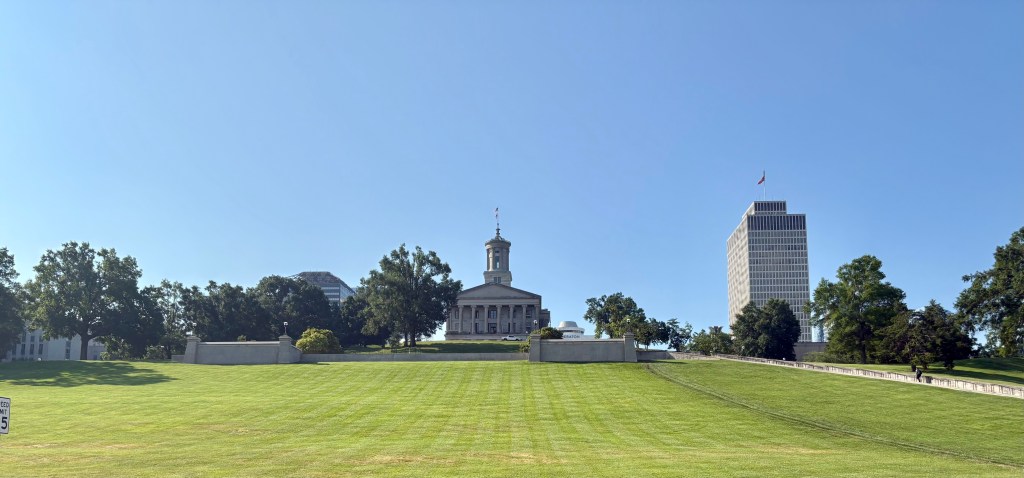
Tennessee’s Capitol on Nashville Hill. Lawn. The Tower named for William Snodgrass is in the background. Did I mention lawn? Did I mention naming?
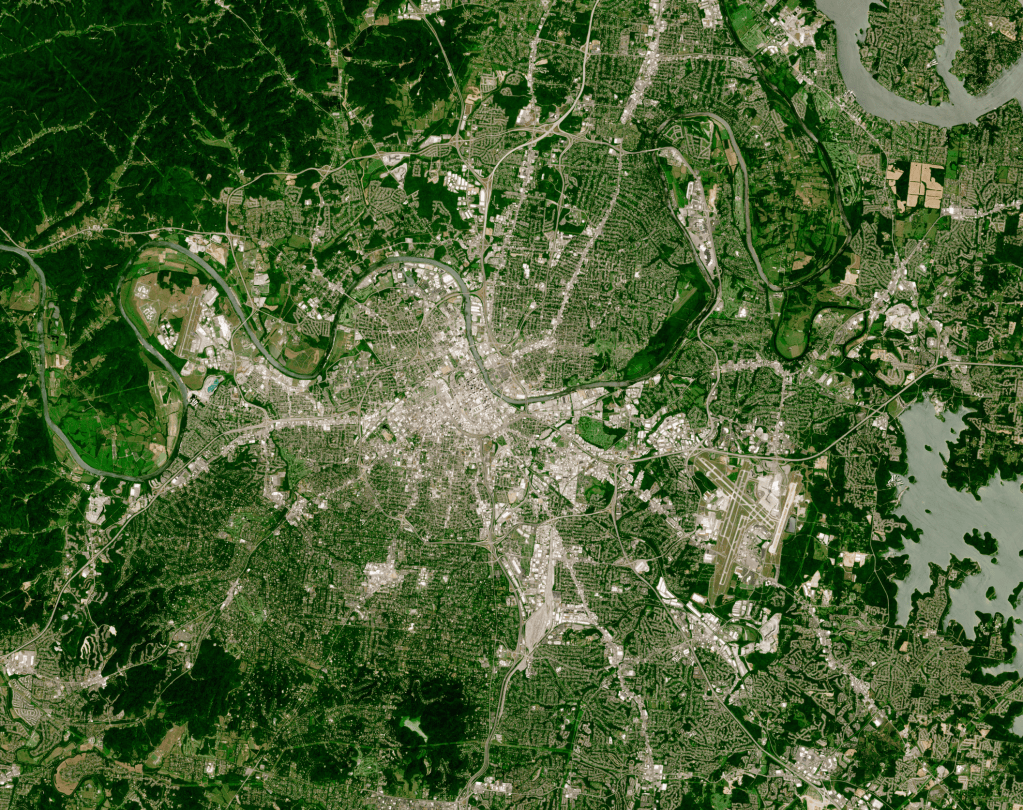
We did get to Nashville, and I’ve written about our visit to the Grand Ole Opry here.
Loved Nashville, vibrant quivering Nashville, at present the second fastest growing city in the US. ‘Municipal area’ really because like so many American cities it sprawls out along the major roads that lead into it. (And there on the right is the newly-named Dolly Parton Airport.) But unlike so many American cities it has a vigorous beating heart. And that heart operates with a musical beat.
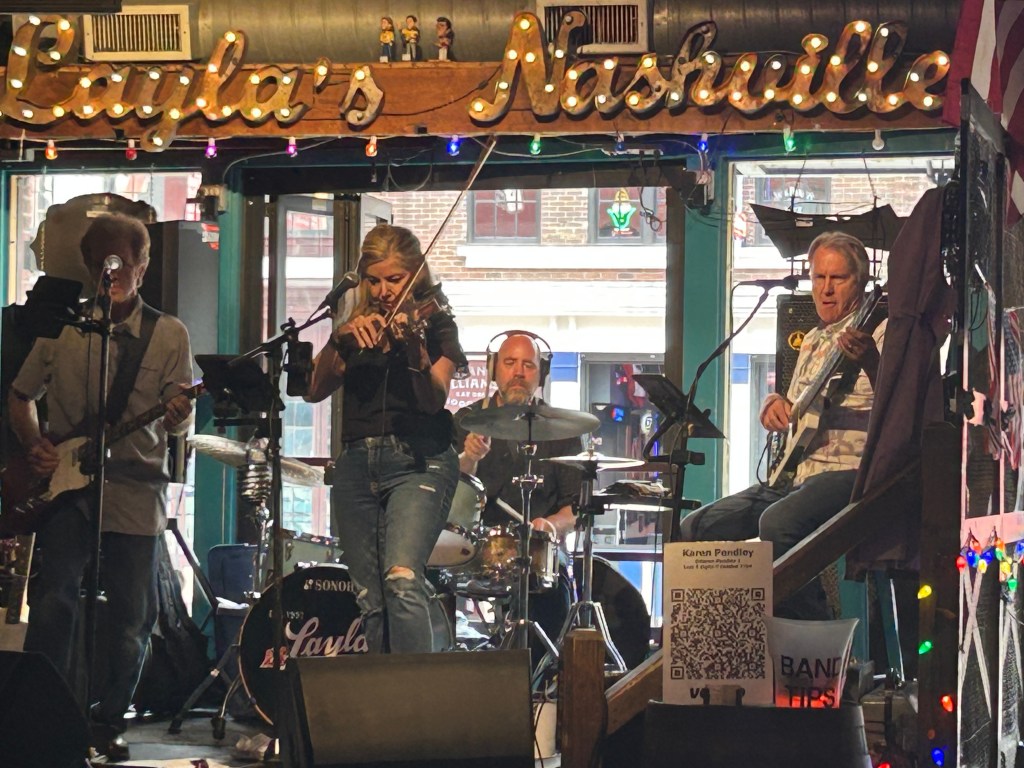
There were dozens of bars, clubs, cafes, venues operating, as far as I could tell, as indoor busking operations. After playing ‘Crazy’ at Myrna’s request, the very professional and stylish Karen Pendley Band did the rounds with the hat and the card-reading square, packed up, and before they got out of the door another band was plugging in.
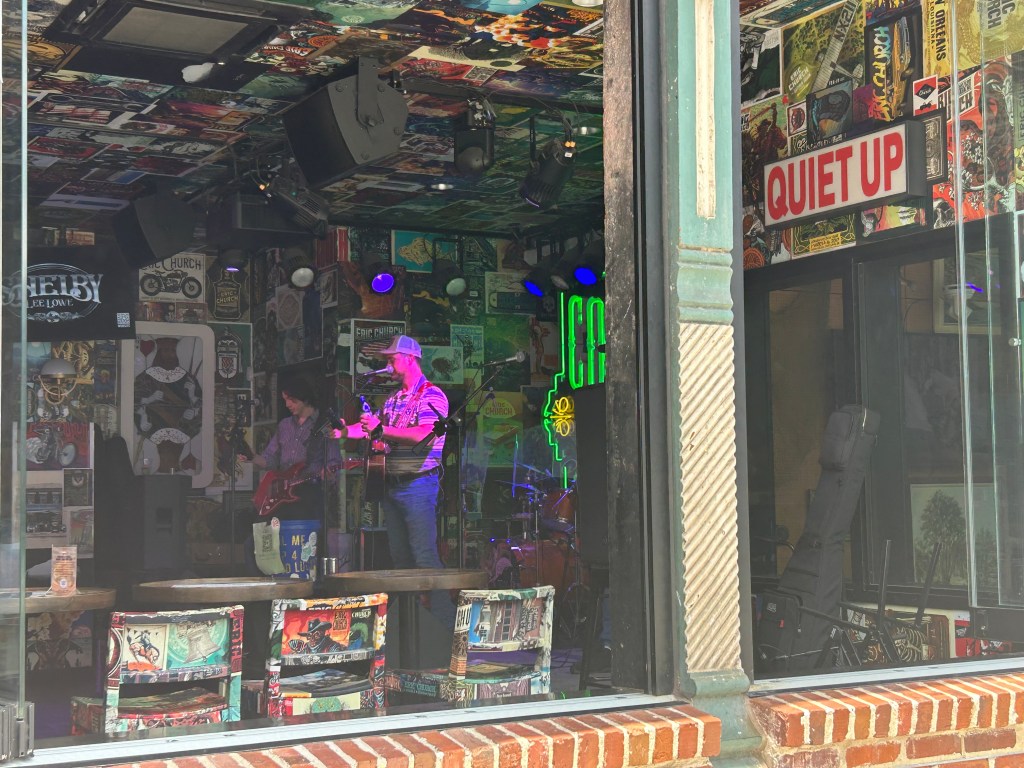
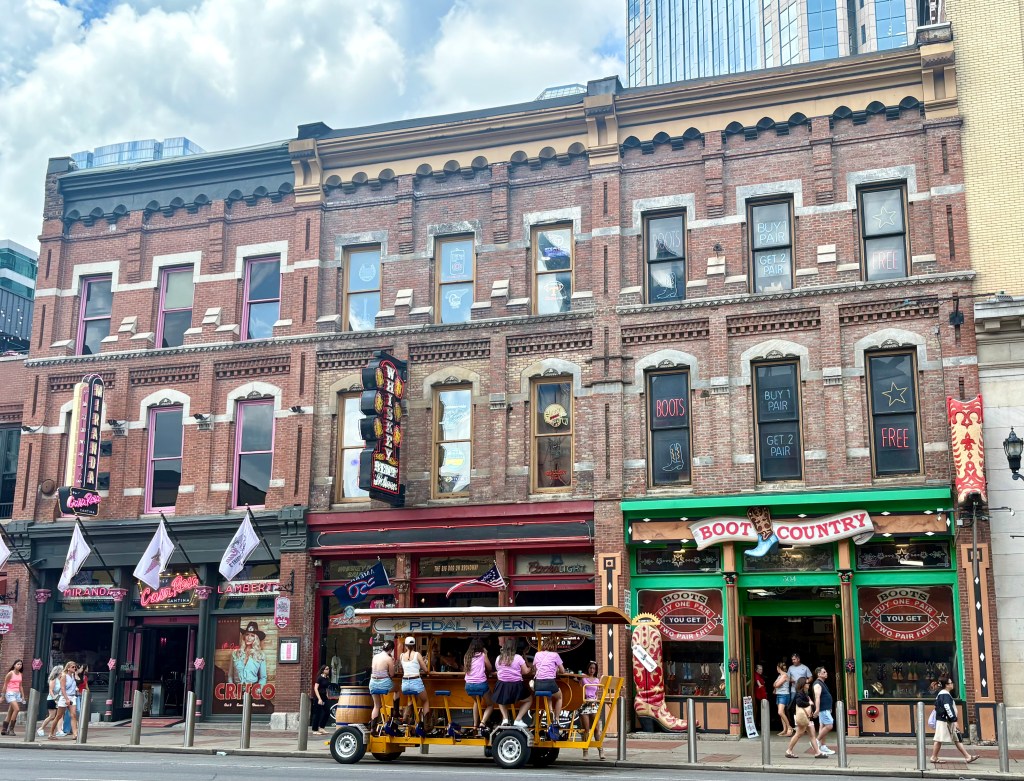
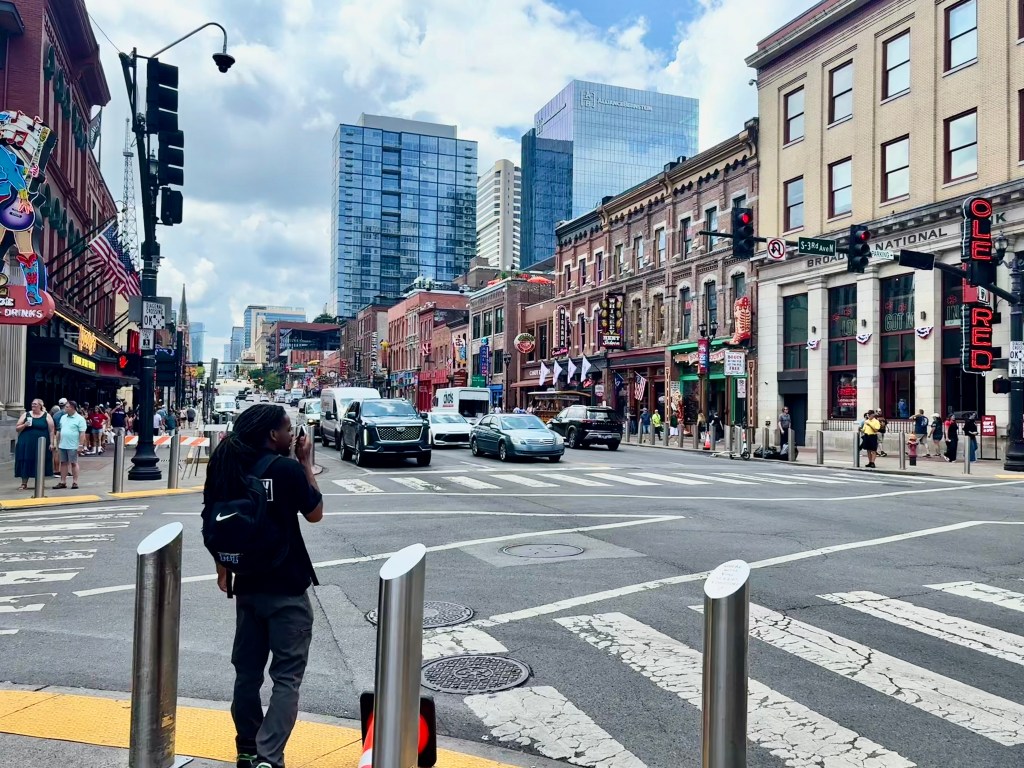
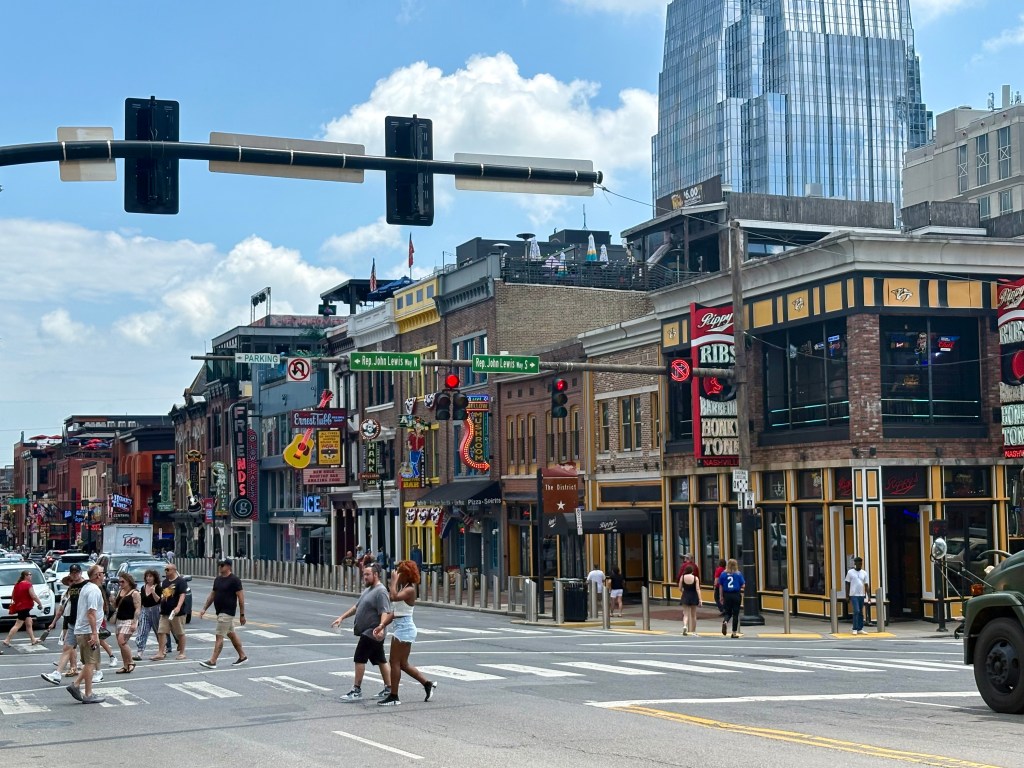
This is Broadway where the bars and clubs cluster but they go round several corners as well, and especially into 2nd Avenue. In the right hand pic above I can count 23 establishments from which musical noise might be emanating. When I said dozens I meant it. It’s not called ‘Music City’ for nothing.
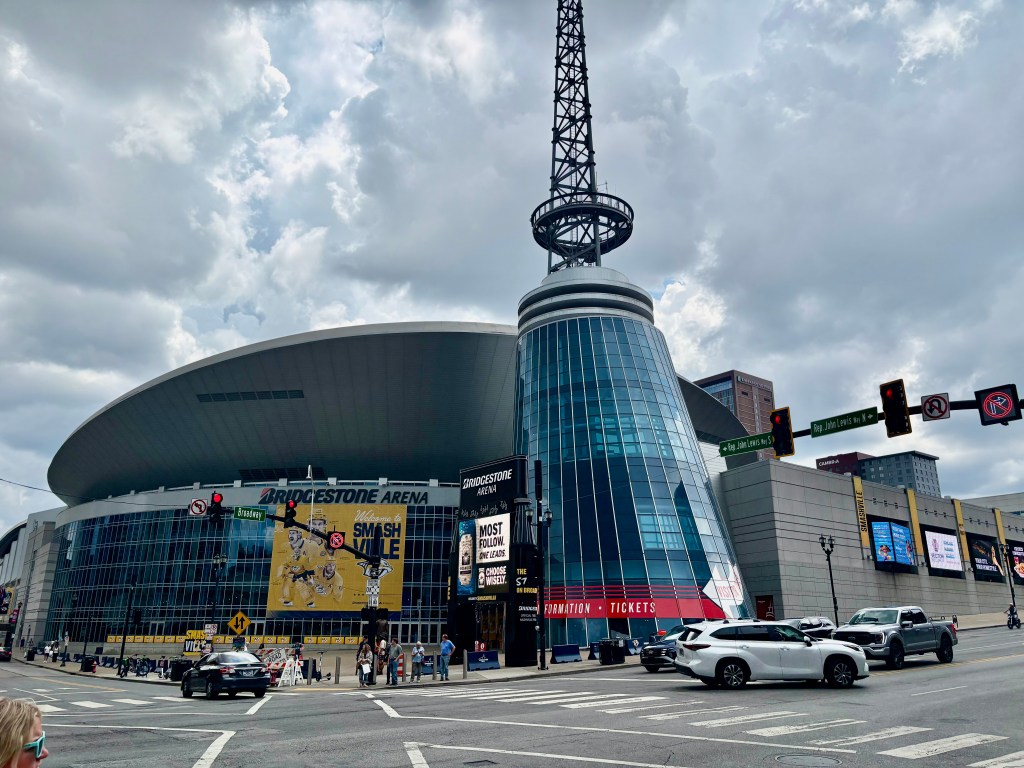
But this is the biggest building on Broadway, the Bridgestone Arena where the Preds play. And the Pred[ators] don’t play basketball, or football or baseball, they play ice hockey. Ice hockey. In this climate. And they do quite well. They have played in a losing Stanley Cup Final. They’ve won their regionals several times. But the club seems to be a roiling hotbed of litigation concerning finance and control. Nonetheless Keith Urban is a fan.
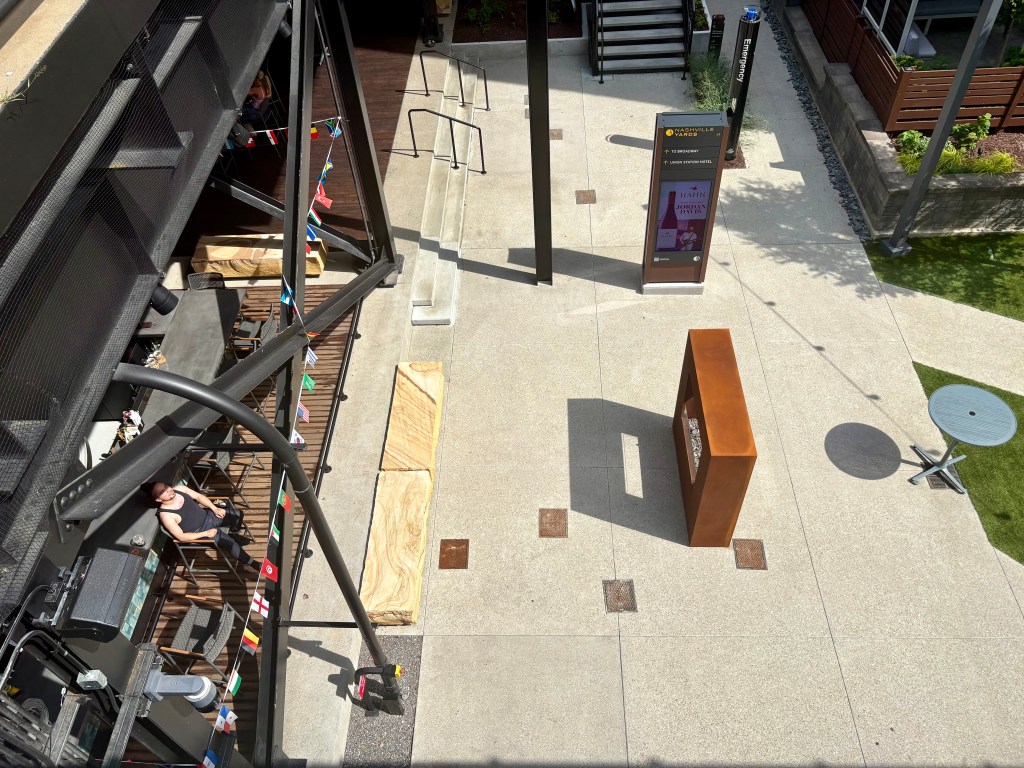
Up and over the rail tracks, this is looking down into the ‘Nashville Yards’. And it’s just a photo I like. I took the video of the endless coal train from the other side of the bridge. But on the other side of this artificial hill is this, the old Post Office.
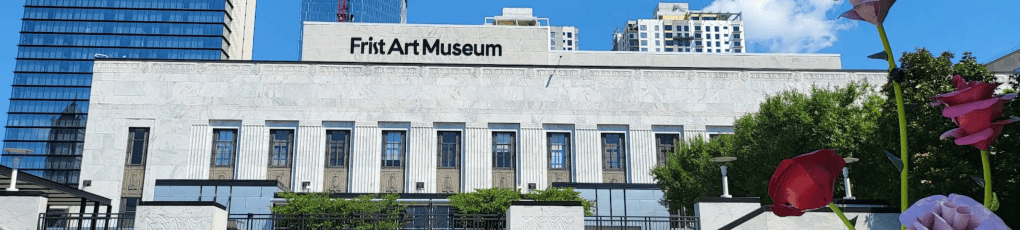
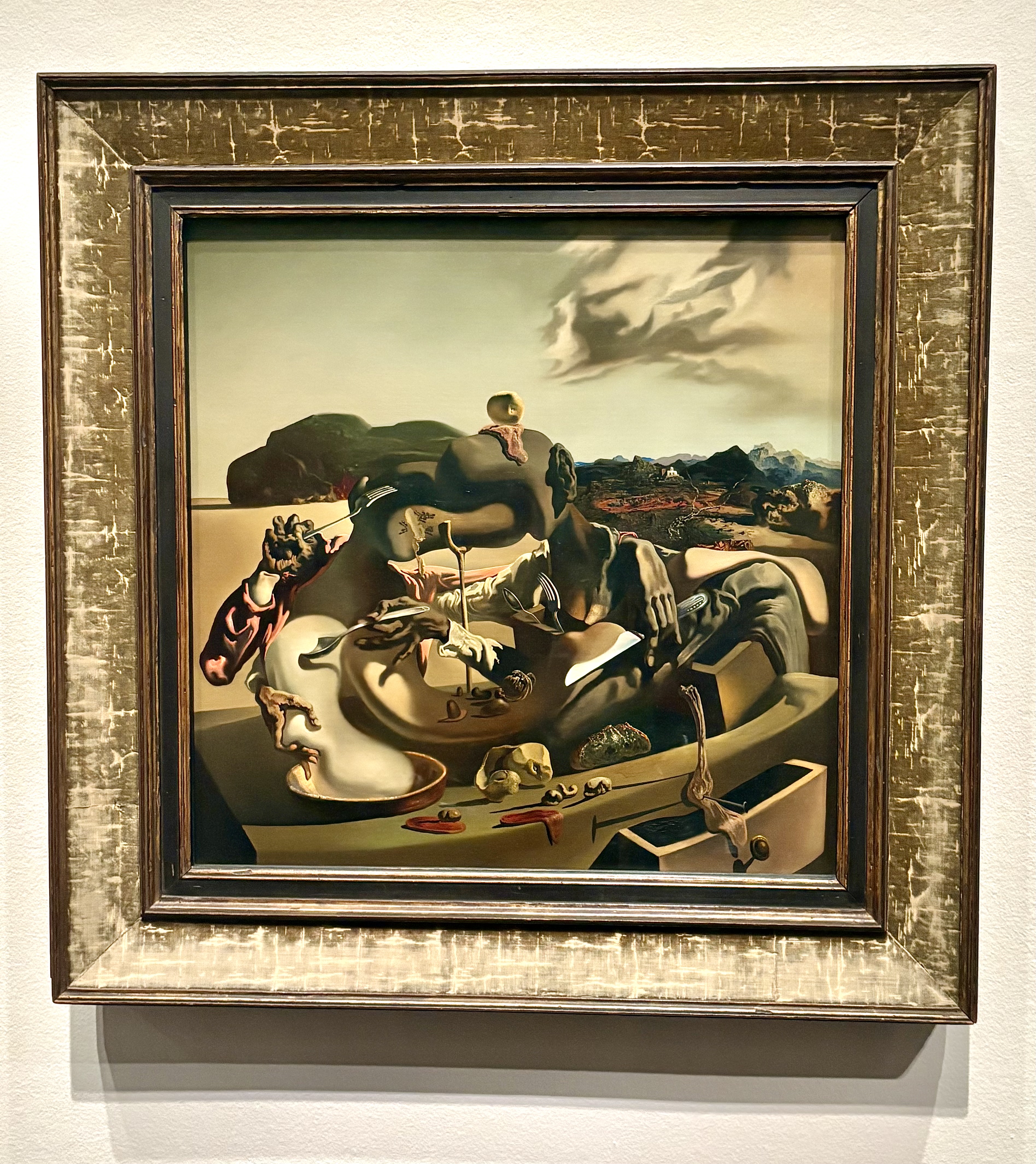
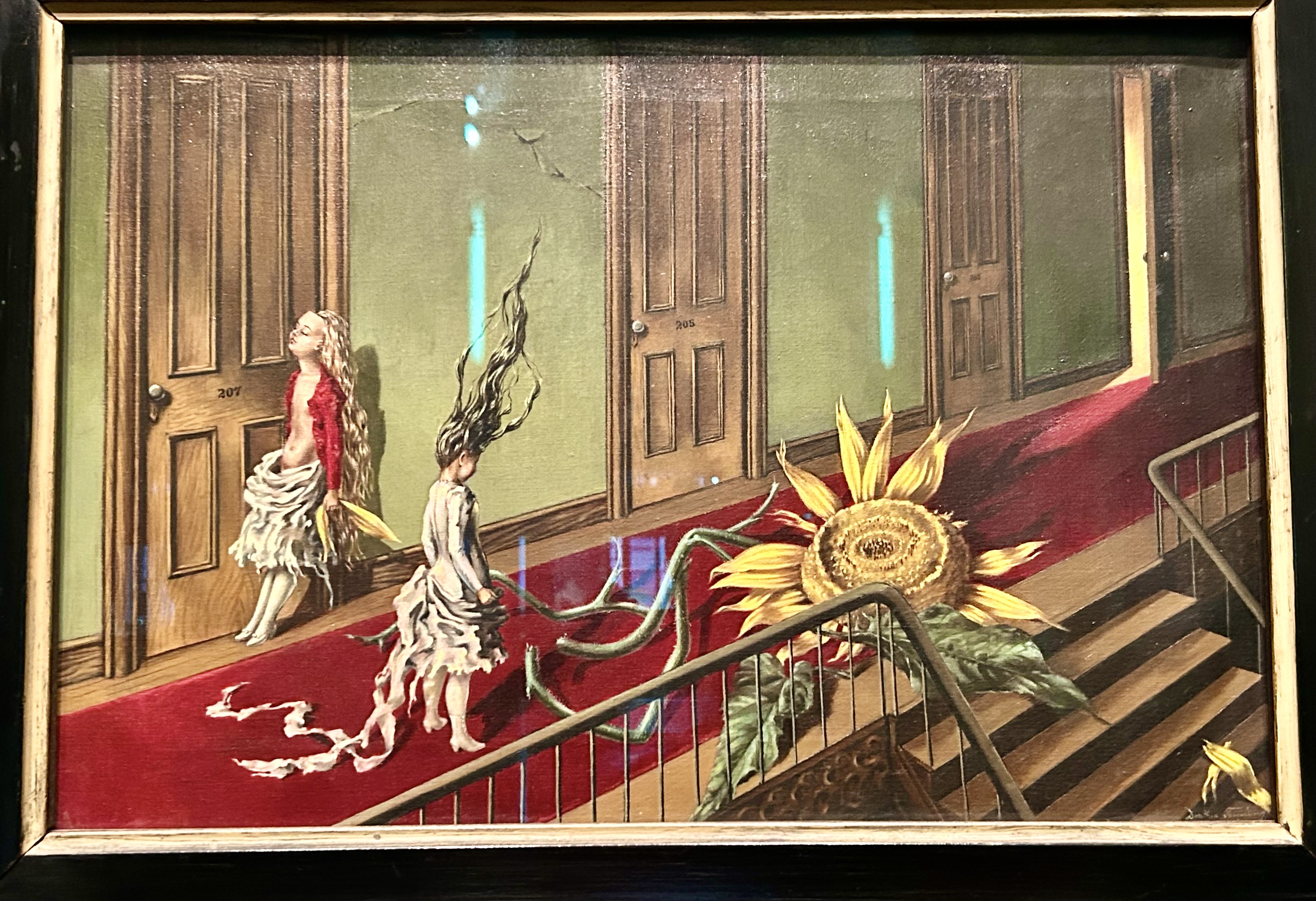
Just one of several major galleries in Nashville. [Another is a full-scale model of the Parthenon. Nashville is also known as ‘The Athens of the South’ for the number of its tertiary education and cultural institutions.] Once we found somewhere to park, no small matter, we got good value out of this one. Among other things it had a very interesting exhibition of what was described as surrealist art. Unlike some of the rest, these two provided no categorisation difficulties. On the left Dali’s ‘Autumnal cannibalism”, and the other is, according to The Age, worth travelling to Nashville to see: ‘Eine Kleine Nachtmusick’ from the ’40s by American Dorothea Tanning.
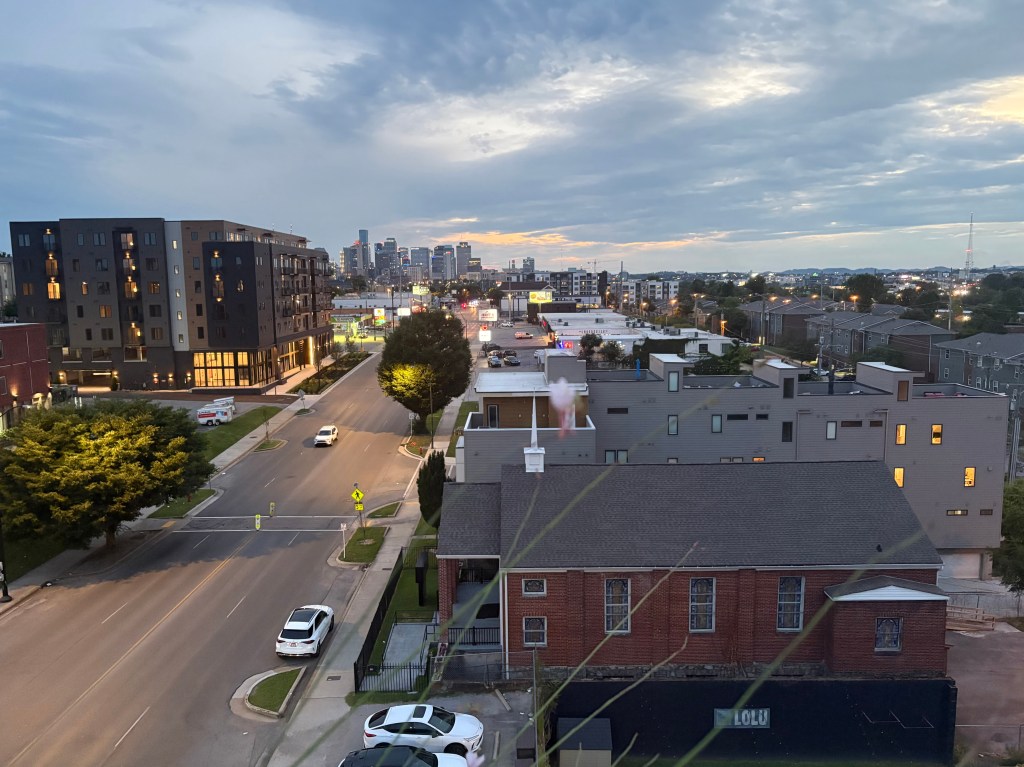
Below: from the terrace of the Waymore Guest House looking down Main St a bit west of south to the city. Frederick Douglass Park and the occasional fireworks are over to the right; the very elegant houses of Historic Edgefield (that is its name) are invisible over to the left. Nicole and Keith used to live in a gated community on the far horizon. Mellifluous temperature, glass of wine in hand, I’d be happy here for quite a few more nights as long as we could have breakfast at Two Hands, the ‘Australian’ restaurant on the left hand edge of the city.
[Just by the way there were 233 reported lynchings in Tennessee between 1877 and 1950 and six took place in Nashville. This is also where members of the Ku Klux Klan burnt crosses outside two African American sites, including the city’s headquarters of the NAACP as recently as 1979.]
* * * * * * *
Driving. You may remember that we had a bodgey car, a car that shouldn’t really have been on the road let alone hired. We found the Downtown Budget depot and explained our problem. They were not entirely sympathetic, but it didn’t matter; they didn’t have any replacement cars anyway. Now this is an issue. We still had quite some distance to cover, 2174 miles as it happened, and you do want to be confident about your car. They suggested we try the airport. So we tried the airport. The depot was accessible and parking was aplentiful and easy. I explained our issue to the young Black guy who helped us and threw ourselves on his mercy. And HE WAS HELPFUL. I want that recorded here. JUST SO HELPFUL. He did it all. He got the mileage and took down all the particulars himself, and he guided us off to where we might pick up another one. It was all so different and I was just so grateful. And when we got to the next pick up place, all the paper work had been done, that blessed young man had decided we needed an upgrade and we had a fresh car — a new Rav 4 Hybrid.
* * * * * * *
We stopped for coffee at Jackson (Tennessee, not Mississippi) on the way to Memphis.
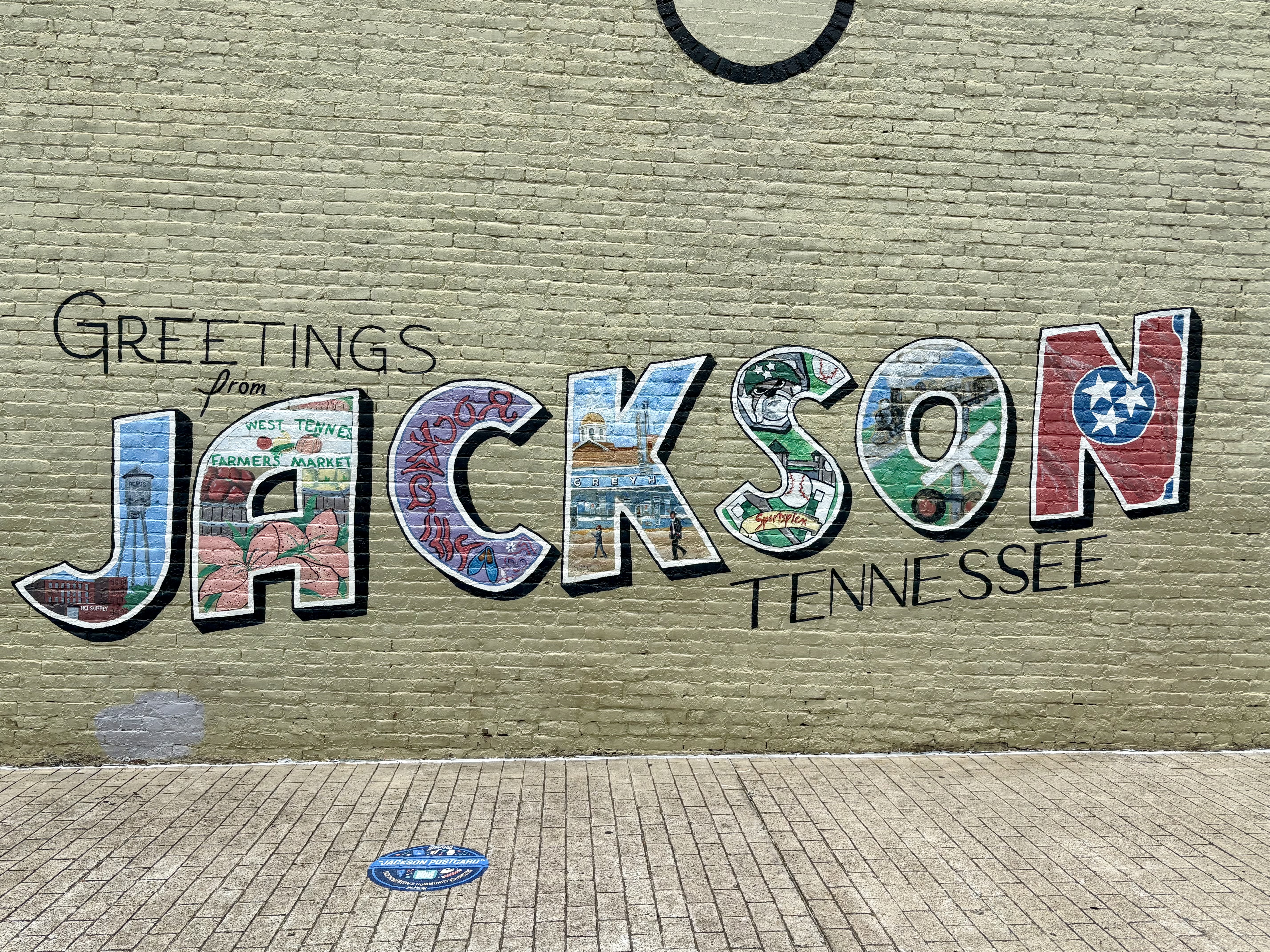
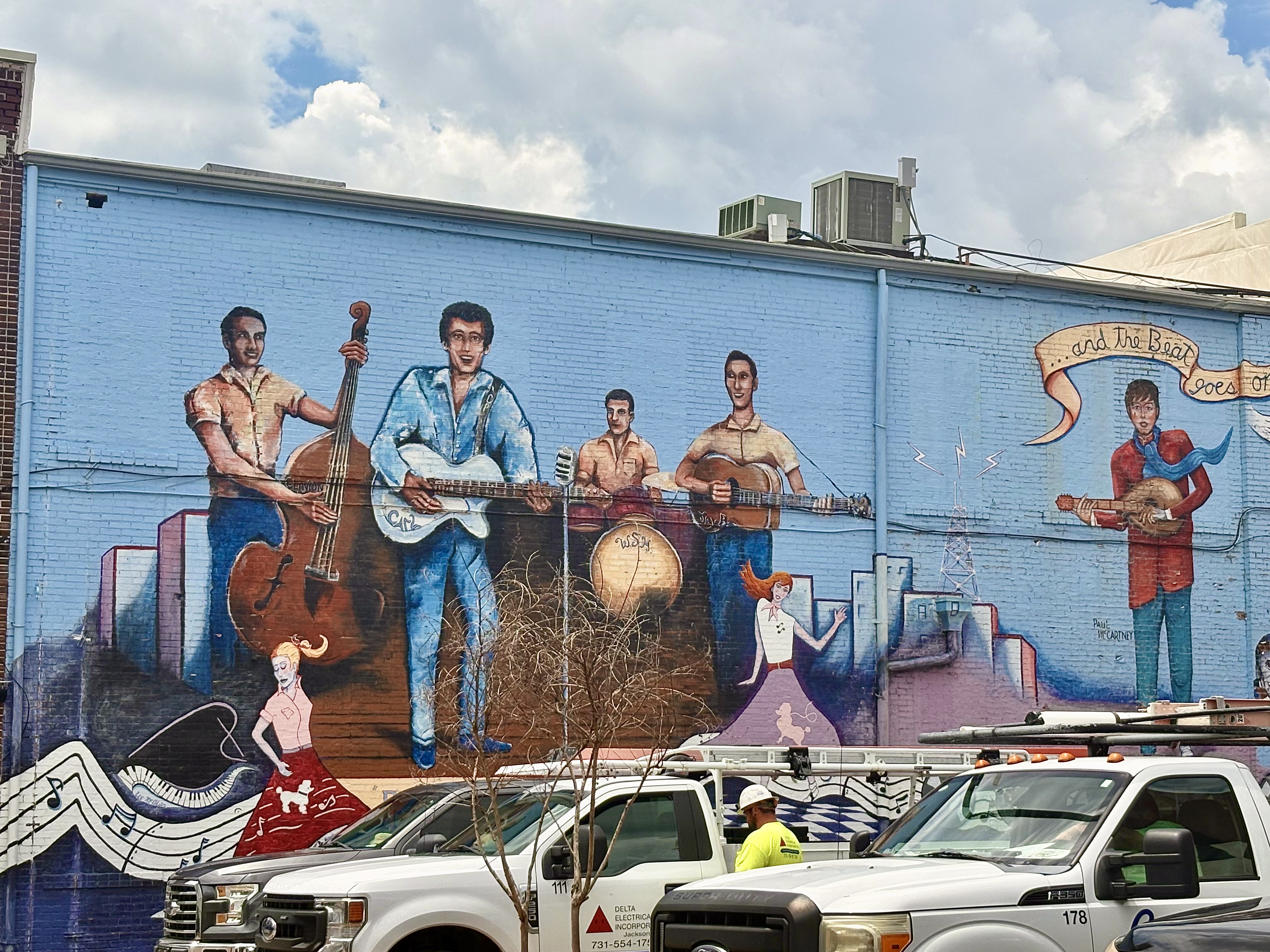
This modest little town had several coffee shops laden with books and other reading material. Fair coffee, a good muffin from memory, and an unusual ambience. Maybe a refuge for the mildly autistic. The mural on the right explains that Jackson TN is the home of rockabilly. This won’t mean much to many people except members of the Browne family.
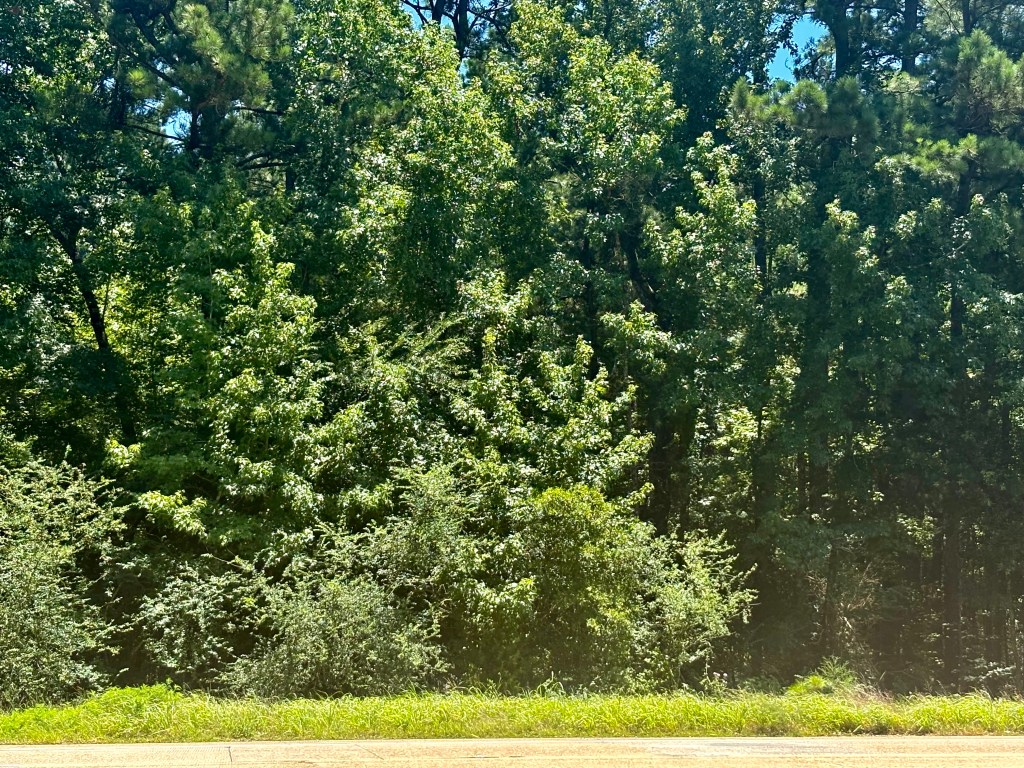
It rained on the way to Memphis, rain of a very particular sort. You could see it like a wall a kilometre or two away, a grey wall. And then, bang, you would enter, it would hit the car with incredible force, and then, after a time and you could see the wall on the other side, the tap would be turned off precisely and definitively. And then after a while, another one. The visibility was modest anyway because the view to either side in gently undulating form was this >. Scarcely varying … ‘piney forest’ I believe.
It was also raining quite hard as we entered Memphis. Our hotel was adjacent to Beale St, ‘The Home of the Blues’. Our room contained a sign warning us about possible disturbance from loud music at all hours.
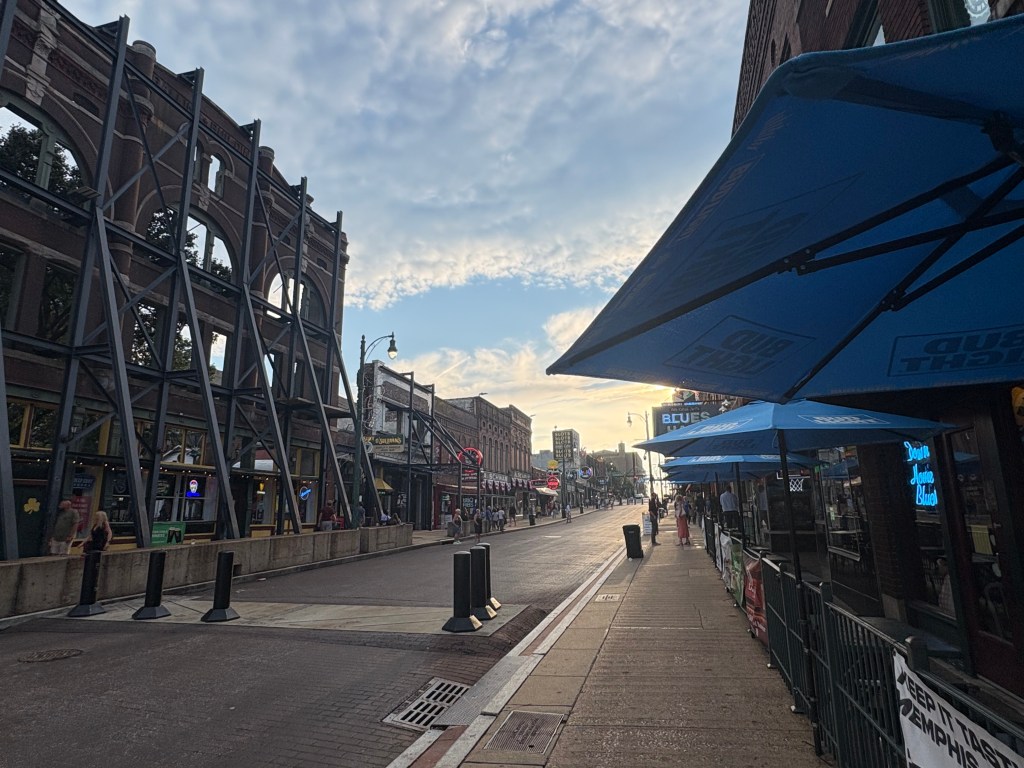
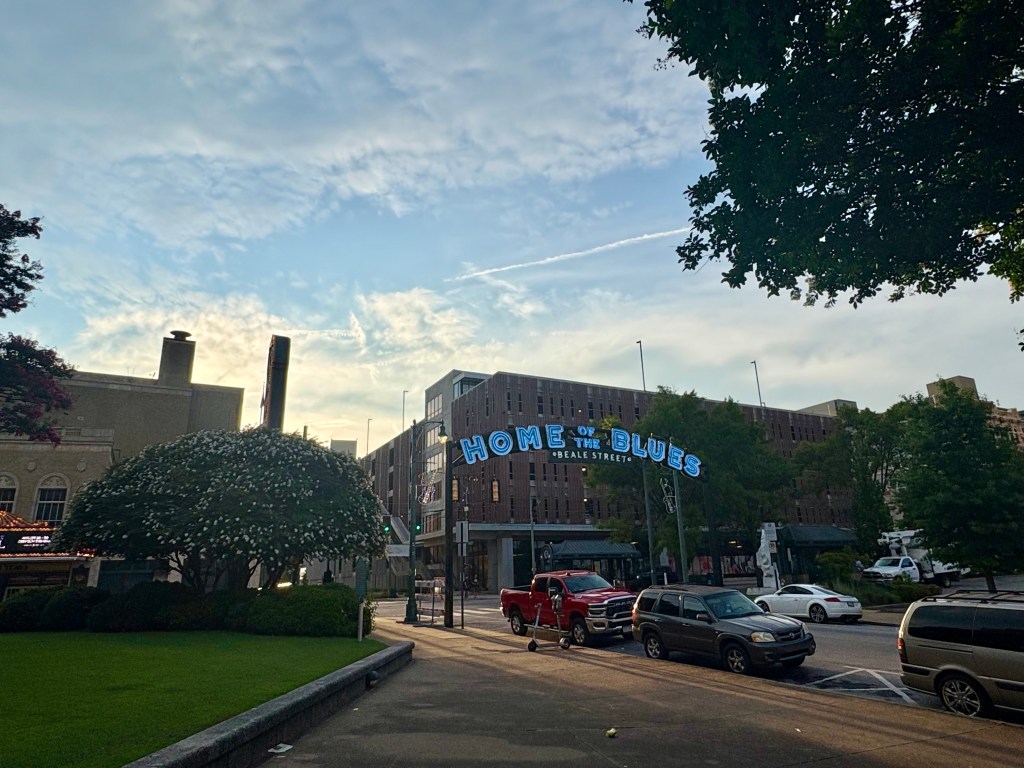
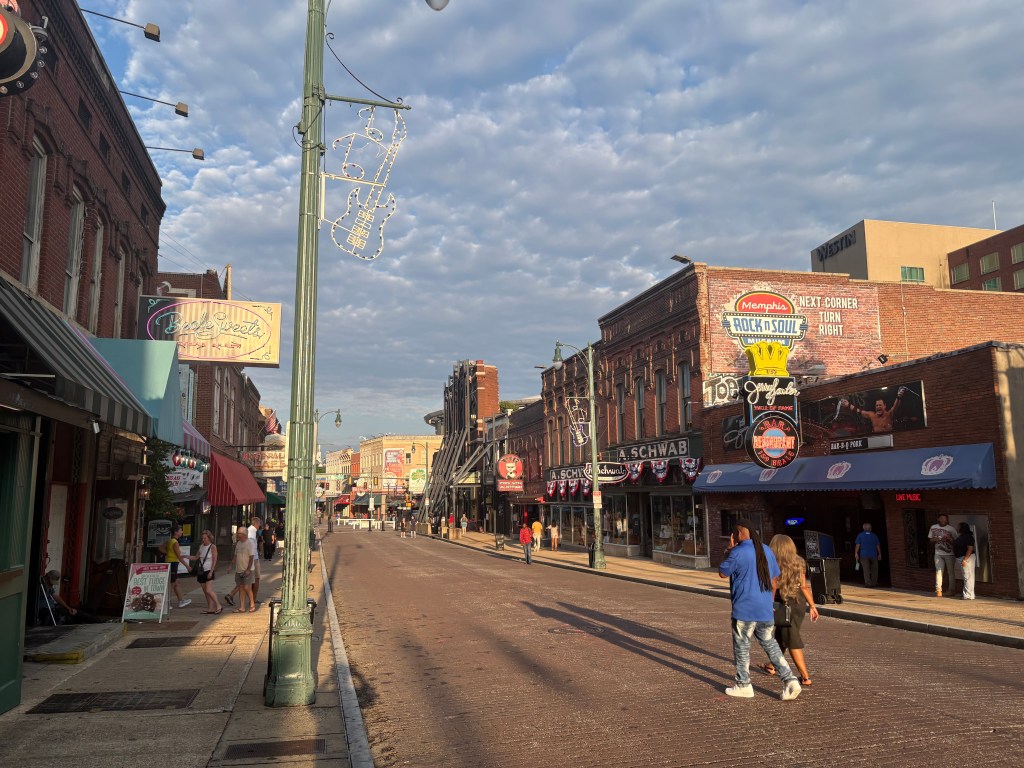
And what a sad old place Beale St was. Two or three joints with some sound coming out of them, in one case clearly recorded rather than live.
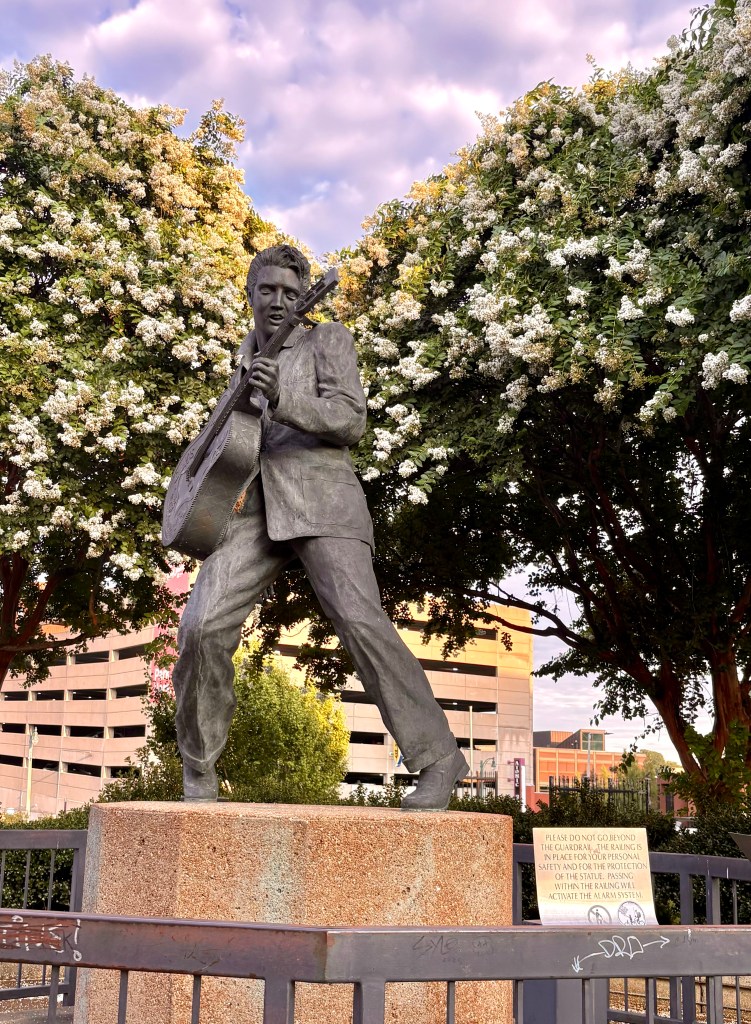
We obviously didn’t give it much of a go but it seemed evident that there have been better times in Memphis, so much better times. We considered a visit to Graceland but we didn’t have the $320 (AUD442) to see an unremarkable house in the southern American style filled with suspect memorabilia.
We found a district with red lights and we did find a series of grey disks set into the surface of a car park belting out Supremes songs (Detroit rather than Memphis surely?), and we did find a very acceptable Italian restaurant, and after scouring Downtown for interest we found an open ice cream shop. 7.3 only however.
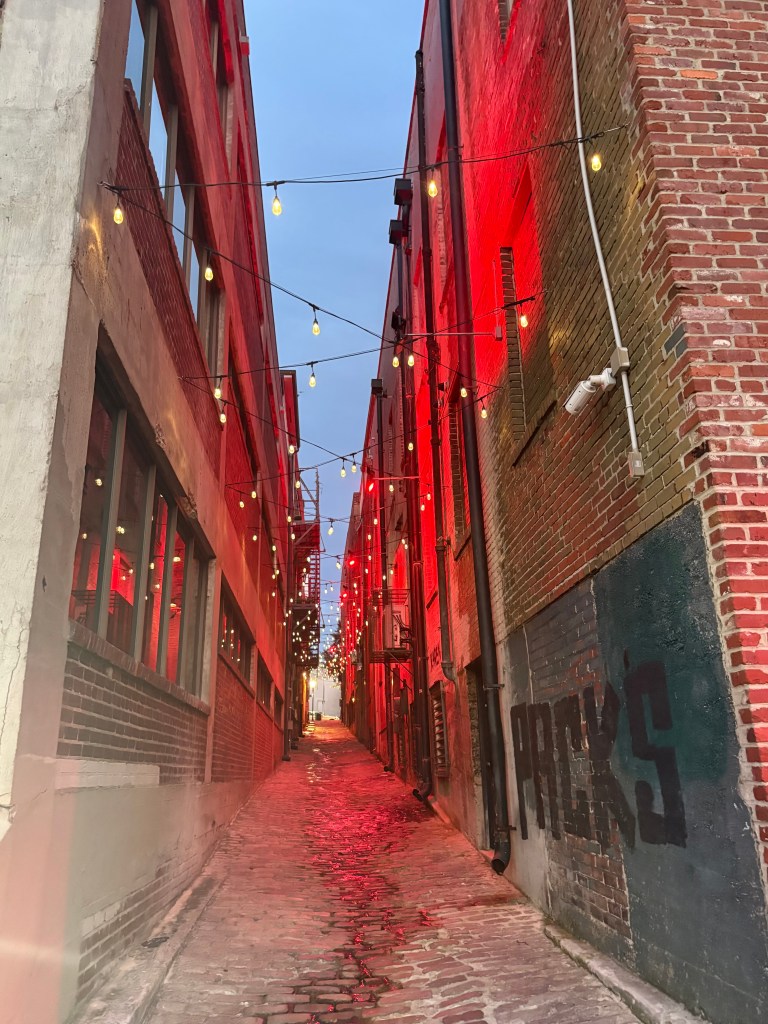
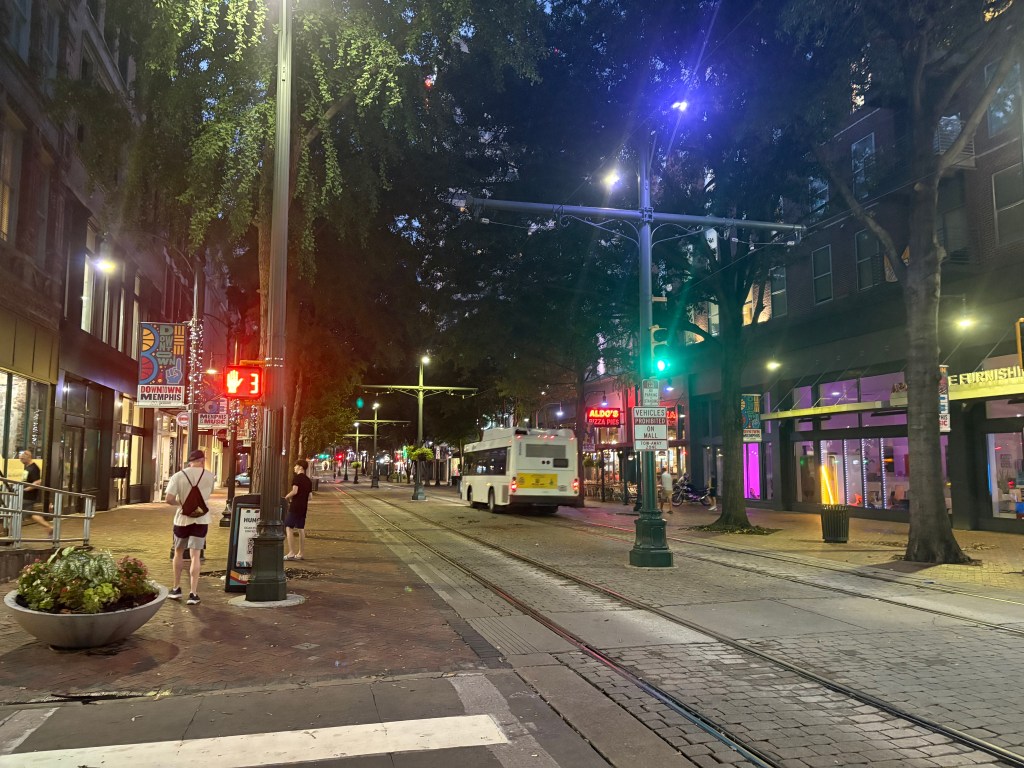
The next day we chased that tram line to its terminus in anticipation of finding another shopping strip or a set of places of interest. But no, as far as we are concerned it just petered out into other versions of suburbia.
Google took us to a fruit/veg deli in South Memphis where we were served by a very pleasant if somewhat shocked 12 year-old lad about, not exactly, but about, the same age as what he was selling. I remember this so distinctly because I wanted to cook a fine meal of vegetables for my suffering wife — we would have a stove and an oven that night — and I failed some distance past utterly.
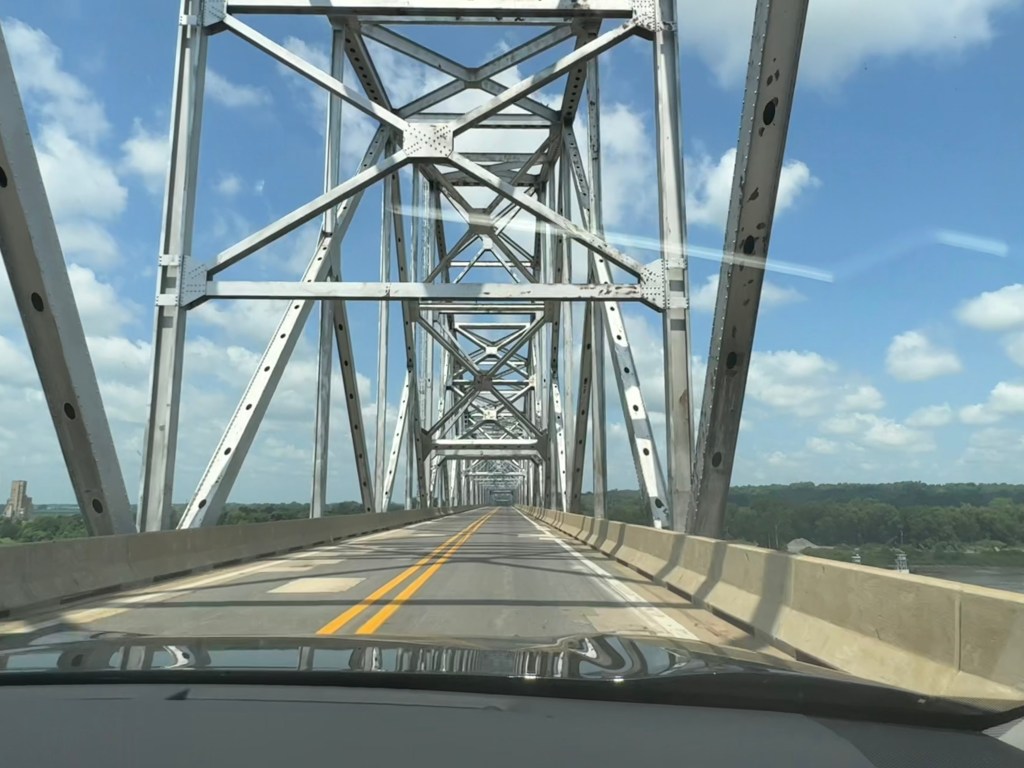
But we did see the river. The Mississippi again. In this case Arkansas is on the other bank. What a body of water.
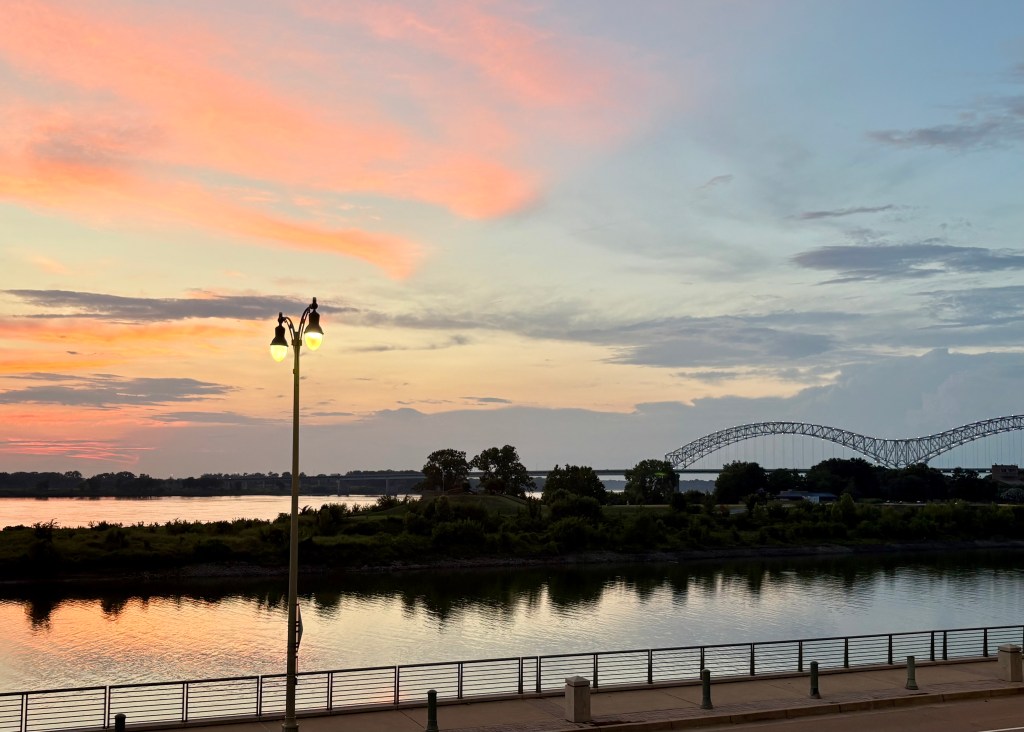
And you have to choose your route because between Memphis and Vicksburg nearly 400 kms south there seem to be only two places to cross. One of these is at Helena and I thought we should go south to miss the highway and see what we could see, and what we did see, I have written, is ‘a long picture of dereliction’.
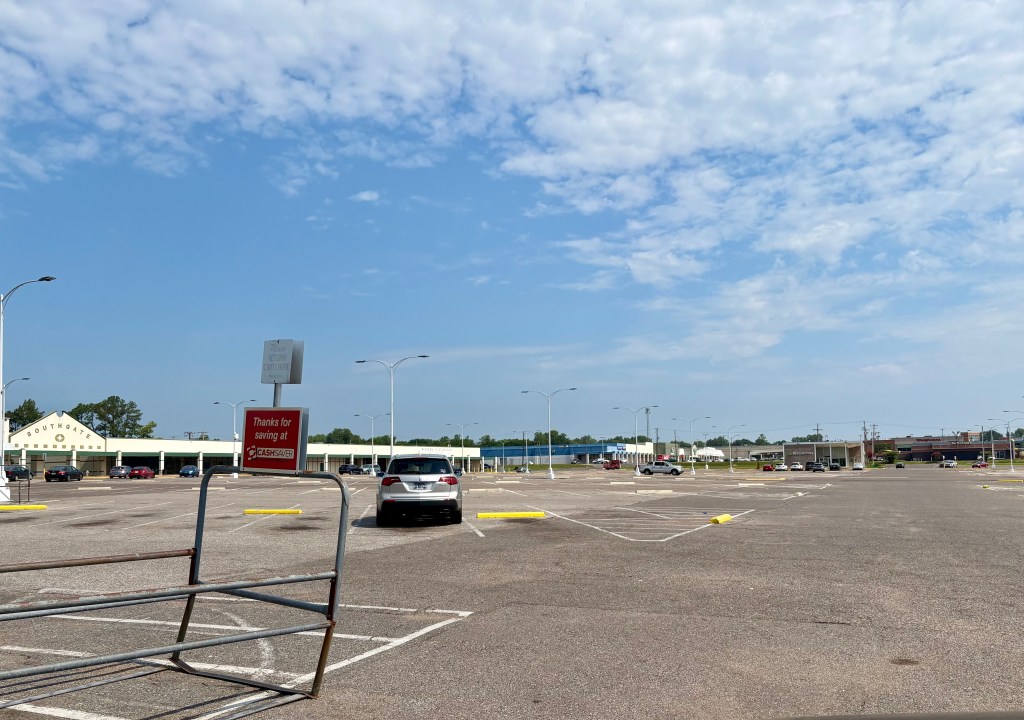
There were half a dozen or more of these: a crescent of empty tilt-block shops forming one side of a nearly empty car park wasteland. Countless wayside shops run down or shuttered. Liquor stores seemed to predominate with barred windows, stumbling verandahs and strange paint jobs. The houses were largely a match. But then, after about 60 kms, we got to Tunica.
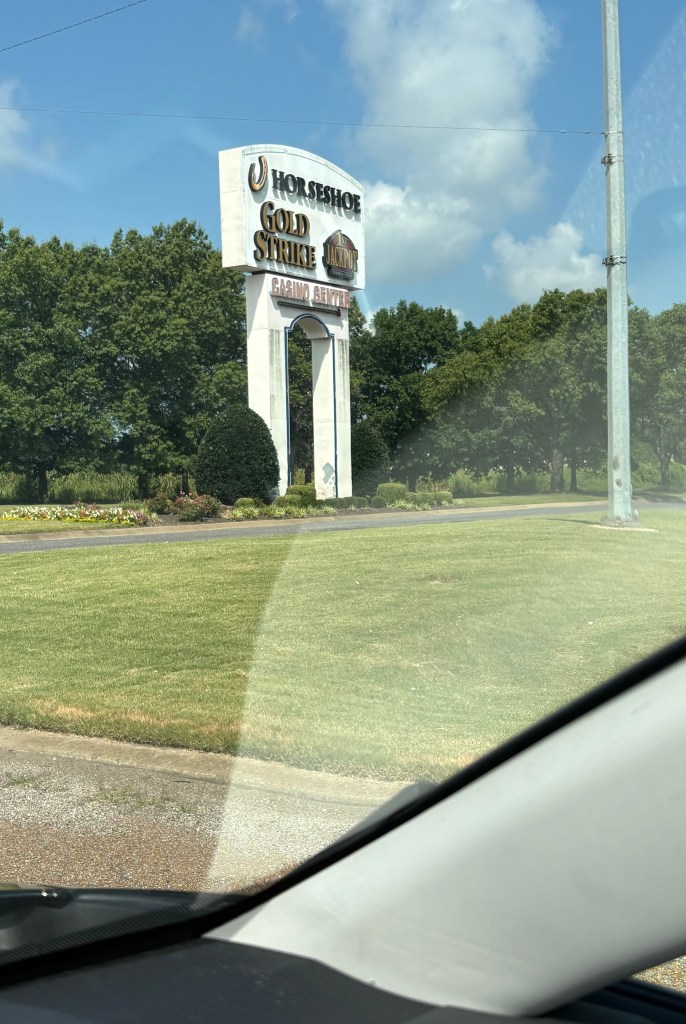
Or Tunica Resorts really. Tunica proper was a little further on. But in the middle of this thoroughly depressed area was a guide to making money (for other people), the Gold Strike Casino. But there wasn’t just one. There was the Fitz, the First Jackpot, the Quality, the Hollywood, the Isle, Lulu’s … and no traffic. Except for a B-double parked outside Lulu’s, no visible traffic.
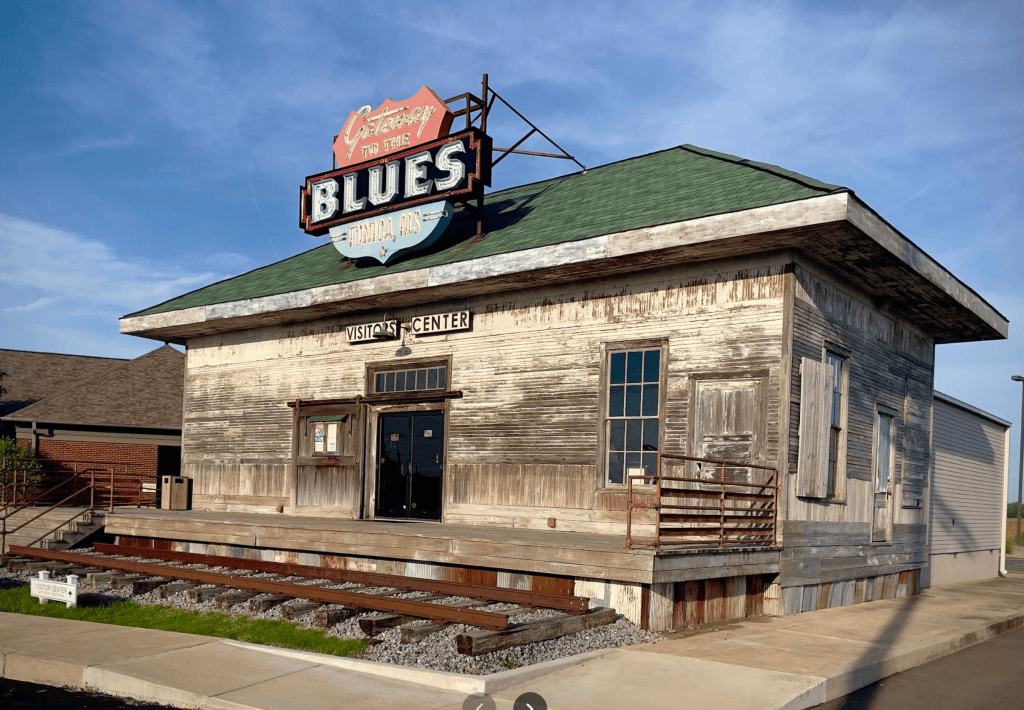
This was on our way past the ‘Gateway to the Blues Museum’.
I wondered what we’d been looking at and whether we’d taken an odd and uncharacteristic route, but I find that the population of Memphis is the poorest of any city in the US over 200,000: 43% of its inhabitants have an income below the poverty line; and I find that there is a great cluster of ‘counties in persistent poverty’ (a government term) along the southern reaches of the Mississippi. This is in the country with the greatest wealth of any in the industrialised world. America has 65,000 households with a net worth of more than $US100 million. It is also distinguished by being the country among its industrialised peers with the greatest wealth inequality. And not by just a bit. By an enormous amount. (See eg Thomas Picketty: Capital in the Twenty-First Century)
We were down one end of that disparity.
We crossed the river at Helena, and this was where the drought had hit the cornfields in the most pronounced fashion: mile after mile of stunted brown stalks. The towns were similarly run down.
We were heading for the biggest town in the area, Brinkley, for a cup of coffee. It was also at a junction with the highway which would take us into Little Rock.
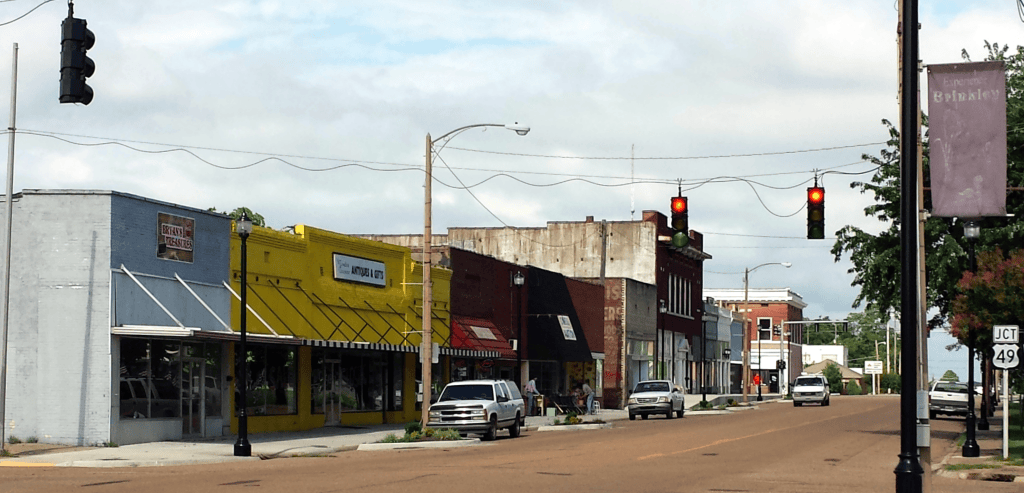
Its current population is 2100 down from 3500 ten years ago. We didn’t look hard enough but we couldn’t find anywhere for a cup of coffee, or even anywhere that seemed to sell food and drink which seems most unlikely. (And it is. I can find two food marts and two cafes now I look and there is a cluster of fast food places out of town round the junction with the freeway.) But we did find quite a lot of places that looked like this. (No.Drinking.On.Outside.That.The Law.You.Can Be.arRESTED.By.Police.)
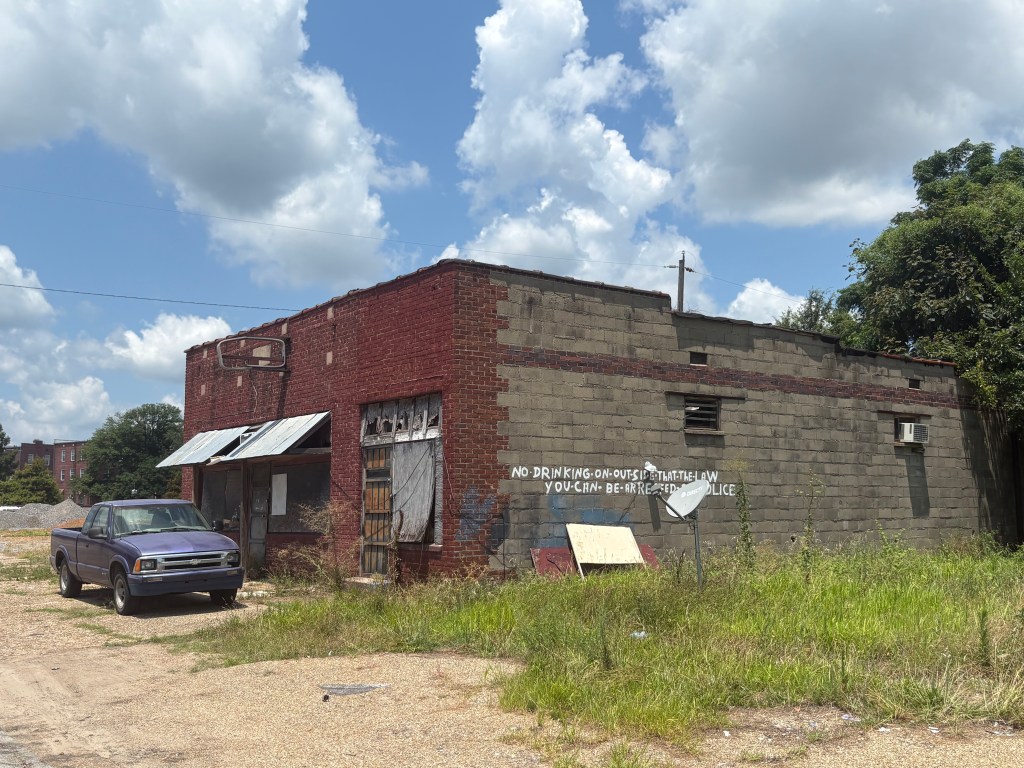
Trumps’ Golden Age clearly had yet to impact Brinkley and surrounds.
NEXT TIME: Bill Clinton billed himself as the Man from Hope. But was he? The very unlikely holiday resort attracting the cream of America’s organised crime, not to mention all major league baseball teams. And do you need to put Nacogdoches on your must see list?