A collection of pics that didn’t really go anywhere else of things I’d like to rememberfrom Japan in 2024.
Atmospheric. At an izakaya (small neighbourhood pub that serves food and beer) under the main northern rail line flyover near Tokyo Central Station. It’s hot and the end of a long day. We are eating edamame (‘A great source of plant-based protein, fibre, healthy fats, vitamins, and minerals. It is also low in calories’) and salad and, like the gentlemen nearby, drinking excellent Japanese beer.
Our bedroom at the Sonic Apartment Hotel in Dazaifu. Plenty of bed, not much room. I am standing in the shower.
Where salarymen have their smokes in central Tokyo, but you need a phone as well.
Korakuen (‘Lake Paradise’) of Okayama, one of the four ‘Great Gardens of Japan’. Michael and Myrna thought it was pretty good. I was disappointed. I wanted more variety and inventiveness in the layout. But what do I know?
A motorbike shop over the road from our hotel in Nagasaki. There was something about the busy-ness of the illuminated highlights and also the way the T-shirt rises so ghostfully out of the machines.
The trams and tram stops of Nagasaki. Trams several decades old with very peculiar driving control mechanisms which produce a great deal of jerking, but otherwise just so functional. And cheap to ride. Panels at each tram stop include a stylish floral decoration.
Nagasaki again. Looking closely behind Myrna you can see the tori which became one-legged after the atomic explosion. But to the right arrayed along the hedge behind the seat and protected by bollards is all the rest of it. A fine act of remembrance.
This is some of what sits under the red heart on your iPhone. Often not terribly reliable. If you want to know exactly where and how far you’ve walked you need another version of a GPS. Or a GPS. Either will soak up a large amount of power. The red heart doesn’t. Usually you don’t even notice what it’s up to. And as for being accurate I’m sure it didn’t know what time I went to bed and may have interpreted being carried around as being awake. It doesn’t seem to have registered how my walking asymmetry was going — it would have to have been much worse than that as I staggered along. On the other hand, I’m not sure how it registers ‘Flights climbed’ but 237 both seems about right, and seems like a lot. That benchmark edifice, the Empire State Building has 102 floors and the tallest building in the world Burj Khalifa in Dubai only has 163. There is some suggestion that a ‘floor’ equals 3m. which would make sense. So we might have climbed 711 m. How much is that? The Empire State is 381m high. Burj Khalif is 828m, but only 585m can be occupied. This was the last day on the Kumano Kodo and my sense of things is that all that’s missing is the additional descent of 237 floors.
The walls and power poles of Kyoto. So good looking and such an expansive policy. I hope he got in.
Tokyo’s National Art Centre. A photo of a photo from an art society’s massive biannual exhibition. Stairs, pain, effort, teamwork, artificially added difficulty, a religious icon. Can you get more Japanese than that?
Shibuya. Rich Tokyo. He is not part of the display. He has simply walked in for a photo. The heads are wagging backwards and forwards, up and down. I think the eyes opened and shut as well. It is a sunglasses shop.
Takeshita Street, Harajuku, a suburb of Tokyo. Somewhere everyone should visit to be reminded how much variety there is in the world. (See also The Substrate.) Thrilled to have her photo taken. This was just over the street from the Micropig Cafe. I have video of this which I can’t load here which would show small pigs running over people sitting on the floor of a room. In this instance these people include our granddaughters along with another customer who appears to have three pigs climbing on her one of which might be being kissed. Otters were also an option.
One of the reasons we went to Japan was because Simon, our son-in-law, wanted to see Mt Fuji again. Fuji-san, one of Japanese Buddhism’s three sacred mountains, peak 3776m above sea level 600m higher than any other Japanese mountain, World Heritage Site, social and cultural icon, Japan’s national visual branding. And very often hidden by cloud. And that’s pretty much how it was for the three days Simon and family spent at Kawaguchi. It might have peeped out once.
It’s our last night in Japan and I’m cleaning my teeth in our hotel bathroom. Peer out the window … and look it might be Tanzawa but, right direction right size, I’m calling it Fuji.
the surface or material on or from which an organism lives, grows, or obtains its nourishment.
I liked this. In fact I loved it. I loved it all. ‘Adventures in Memory’, a massive retrospective of the works of Keiichi Tanaami which opened at Tokyo’s National Art Centre just as he died at the age of 88. It simply teemed with life and vitality, an electric sensibility pouring out versions of the fantasmagoria assembled in his mind. Room after room after room.
(He had a thing about bridges which he assigns to an early experience of Hokusai’s ‘One Hundred Bridges in One View‘.) It wasn’t just the ones on the walls which you might think of as messy. He seemed able to do anything, and so much of anything: collage, 3-D sculptures on all sorts of scales, storyboards, toys, magazine layouts, marketing art, video, a wall of his own thoroughly credible ‘Picassos’ as per the Dora Maar period.
And this is him.
Expressionless, opaque. Those art works emerged from him.
This seems to me to be such a telling photograph. Can we say that simmering underneath the so carefully ordered and stable surface of Japan is something quite different to which art provides a clue? Japan? Japanese? Generalisations are always flawed, ridiculously flawed, but I have to think so. Perhaps it’s obvious. It’s certainly not an original idea. That surface order — Myrna was scolded and firmly redirected after she had walked the ‘wrong way’ round a room in a gallery at Nagasaki — must surely disguise a tumultuous underground, heaving, wild, passionate, perverse, transgressive … and sometimes, often, great fun.
• • • • • • • •
Soon to be the subject of a major exhibition in Melbourne, Yayoi Kusama is known for her dots, pumpkins and ‘infinity nets’. Above, Myrna is sitting at the site of a major retrospective in Kusama’s home town of Matsumoto where we also found reasonably contemporary versions of her ‘infinity nets’.
Critic Claire Voon has described Kusama’s mirror exhibits as being able to ‘transport you to a quiet cosmos, to a lonely labyrinth of pulsing light, or to what could be the enveloping innards of a leviathan with the measles’, a witty and insightful comment on their absorbing and otherwise anodyne nature.
This pumpkin of hers is how visitors to Naoshima, the ‘art island’ in Japan’s inland sea, are greeted.
No collection of contemporary Japanese art would be complete without her being represented. But for that work. Not this.
Yayoi Kusama, 1969, Grand Orgy to Awaken the Dead at MOMA
She left Japan — ‘too small, too servile, too feudalistic, and too scornful of women’ — for the United States when she was 27. I think it would be fair to say that she had considerable trouble establishing a presence. She was also left reeling from the theft of several of her ideas by Claes Oldenburg and Andy Warhol. Female, Japanese … short, what chance did she have really? Her recourse was to very public nudity and very public sex. She had found another surface for her dots. And another way to work out her demons.
She became briefly famous at the time for offering to have sex with Richard Nixon if he stopped the Viet Nam war.
When she returned to Japan she was modestly famous, but for being a ‘Scandal Queen’. Matsumoto Secondary School expunged any reference to her from the relevant Year Book and school records, one of many forms of social elision which she incurred at the time. She committed herself to a mental hospital where she chose to live for some years. It was the late 1990s before her work began drawing interest, the interest which exploded — EXPLODED — internationally a bit over a decade ago. She describes the purpose of her work as ‘self-obliteration’. This has not come to pass.
The exterior of Louis Vuitton on the Champs Elysees
• • • • • • • •
Yasumasa Morimura, who we found in another major exhibition at the Osaka Gallery a few years ago, has found another form of ‘self-obliteration’.
This is one of a series of 16 works ‘Revolutionising the World through Personal Pain: An inner dialogue with Frida Kahlo’. And yes that’s him.
So’s that. A photo of a made up and painted face, jacket and background.
Yes, yes, yes, yes, yes. What’s he look like? Like that I suppose. No idea. Or perhaps like this, standing at the window in his version of Vermeer’s studio.
His work extends far beyond these portraits of ‘self as others’. His series dismantling and rebuilding Velazquez’s Las Meninas, ‘What the painter was looking at’ … What can I say? So many brilliant tricks, so many trompes of the oeil, so much fertility in the imagination, such brilliant craft skills. And so gloriously nutty.
He is not playing by the rules.
• • • • • • • •
In Nagasaki we found the works of a local, Chihiro Watanabe. Incredibly skilful woodcuts and mezzotints. This one was called ‘The Weekend’. Mesmerising. Look at it carefully for a few moments. There is so much going on. Find the cat for example. (Top left.) What’s the date on the boot? (1979) Where’s the road sign? (Top right.) What’s the wave made out of? (Goodness knows, but it’s chunky.) That back wheel … (He might be mending it …?) It repays.
But even apart from the eventful bike ride, how’s he feeling?
A lot going on there.
• • • • • • • •
The figure. I must say something about the figure.
There were, of course, colour field abstractions on show. Below is one of the very good ones we saw, in Kyoto this time quite close to the line of figures above. (Even with this one there are glimpses of ‘the figure’, dressed arrows, the eyes.)
But what I want to say is that there is a focus on the figure in contemporary Japanese art that is marked and that you mightn’t find elsewhere. And also that it is a particular form of concentration.
The figures I am referring to are not portraits. The ‘figures’ are not contemplative or pensive or just sitting or standing there. They’ve got a cloud and a bucket of water with someone swimming in it on their head. Or they’re encircled by a dragon. They are embedded in a narrative. To understand them you must look further, you must see more. They are action. Like in a cartoon. (What does Tanaami’s work remind you of after all?) Like in manga. Like in hentai. It would not be enough for me to do a drawing of you however outstanding, however perfect, or realistic. I would have to do something that made it BOUNCE into a story.
• • • • • • • •
In Tokyo we also found an exhibition of a selection from Ryutaro Takahashi’s massive collection of contemporary art (more than 3,400 works) at the Museum of Contemporary Art. Takahashi initially wanted to be an artist, but exposure to work by Yayoi Kusama when a student ‘made him aware of the limitations of his own talent’ and he returned to medical studies and became a psychiatrist. Who knows what he found in art to make him such an avid and perspicacious collector (and how he could afford it!), but what he has collected would be the equal or better of all but a few of the major galleries in Japan. (What he does with it all when it is not on display is another rather pedestrian but for me unavoidable question.) But it was on display, and it provided a comprehensive survey of contemporary Japanese art.
I liked this as much as anything else.
Manabu Ikeda, 2006, History of Rise and Fall
It is heavily populated (not least by birds); in fact it is packed with life and detail which you can’t really see here. My apologies. The work below by Makoto AidaHarakiri Schooldays will be more legible.
As will these works by Takashi Murakami.
The octopus eats its own leg
This one is called Embodiment of “A” and, typical of guardians of shrines, it has a partner, Embodiment of “Um”. This was initially part of an exhibition called ‘Japan Supernatural: Vertiginous After Staring at the Empty World Too Intensely, I Found Myself Trapped in the Realm of Lurking Ghosts and Monsters’.
My case doesn’t rest here, but there is enough evidence to wonder about the substrate from which all this has grown.
And just by the way, how compelling is it that a psychiatrist is collecting this (wonderful) material?
And now … this is Jamboree-EP, 39 blocks of camphor wood carved by Mori Osamu (at left) collectively about 4 metres high. And yes, Elvis, Fat Elvis, with a superbly carved face. Iconic figure. The first universal celebrity. Maybe. Probably. Here in the middle of a signature gesture (with, what, ‘Suspicious Minds’ coming out of his mouth?) our attention is drawn to the fact that he has a broken finger. Broken off that is. Below a tuft of chest hair he has spectacular female breasts, or at least breasts constructed as spectacle. His left hand is caressing what can only be his erect penis. And he seems to be sitting on a pile of his own shit.
A lot of buttons are being pressed here. What are we to do with it? So many taboos to manage at once. Is disgust the only possible reaction, and if so why? In the flesh so to speak, when I was there looking at it I didn’t want to look away. There is something mighty about its transgressions, something that insists on your attention, insists on examining the nature of your responses — because there will be more than one. What are those breasts about? Why so much shit? Is it representative? Perhaps of all the rubbish, literal and figurative, that he consumed? Can I aggregate the sum of its parts, can I put it all together … and if so what have I constructed? What is it? Or is it too much to manage?
A lot of buttons are being pressed here. You might forget the work and think about the artist. What was he up to and why? Like Kusama, did he feel he needed to make a splash, a name for himself, by going above and beyond so many conventional boundaries? I am inclined to think that — as might happen with a lot of artistic construction — he became immersed in this monster project (yes, a monster project) and like us having to make of it what we will, so does he.
A lot of buttons are being pressed here. I didn’t want to look away. There is something so enormously pungent about it. It was the highlight of an astonishing exhibition.
• • • • • • • •
There is no doubt that personal trauma may play some role sometimes in feeding and shaping the substrate which produces such vividly crackling art work.
Going right back to the start of this blog, Keiichi Tanaami’s artist’s statement was unusually clear, honest and informative. It began:
“I was rushed away from my childhood, a time that should be filled with eating and playing, by the enigmatic monstrosity of war; my dreams were a vortex of fear and anxiety, anger and resignation. On the night of the air raid [in 1945; he was nine], I remember watching swarms of people flee from bald mountaintops. But then something occurs to me: was that moment real? Dream and reality are all mixed up in my memories, recorded permanently in this ambiguous way.” As expressed in his work, those memories are full of American planes, searchlights, bomb blasts, ‘crimson flames covering the entire night sky, flickering and wavering in a semi-circle like an enormous arched bridge … a stunningly beautiful yet terrifying sight to behold.’
Yayoi Kusama was born at a similar time. Her experience of the war included being pressed to work in a factory sewing parachute materials. She describes this time as ‘living in closed darkness … listening to air raid alerts.’ Prior to this she suffered at the hand of an abusive mother who besides destroying her art works insisted that she spy on her philandering father. ‘I don’t like sex’, she has said. ‘I had an obsession with sex. When I was a child, my father had lovers and I experienced watching him with them. My mother sent me to spy on him. I didn’t want to have sex with anyone for years […] The sexual obsession and fear of sex sit side by side in me.’
There might be stories of this type shared more widely by some of the artists who feature here. A whole section of Ryutaro Takahashi’s exhibition was organised around the impact and associated trauma of the Great East Japan Earthquake and the Fukushima disaster. The curator of the exhibition thinks this is a category.
But I look at these works and commonly think religion, Japanese religion. Sometimes very clearly for the forms, almost copies in some cases, but also for their stories and teeming and unusual populations, their ‘figures’. And ‘religion’ meaning something a bit different, meaning something like the background stories that shape our understanding of ourselves.
• • • • • • • •
Shinto is the oldest and most pervasive of Japan’s religions. It proposes an animated world. Kami, spirits, can be found in rocks, rivers, mountains, trees, and most definitely in waterfalls. They can and do influence the trajectory of your life in complex and enigmatic ways. Their effects may be benign or malevolent. It is a world in motion which is unsystematic and heavily subject to your own imaginings.
Japanese Buddhism is its close friend and near relation, a very fine example of syncretism, ‘the [often scarcely conscious] amalgamation of different religions, cultures, or schools of thought’. (In my blog about Nagasaki and Dejima I mentioned how the Catholic priests returning to Japan after 200 years found thousands of professing Christians but whose brand of Christianity was virtually unrecognisable. Kannon hadn’t simply been substituted for Mary; she had become Mary.)
In the past I have imagined Buddhist thought and practice this way. Human beings are not so much consistent individual physical entities as collections of constantly changing bundles of energy influenced by karma (the choices being made and the conditions in which that energy is operating). The task of improvement includes freeing yourself from the anchorage of the senses and the bondage of egotism. Self improvement is an intensely private journey driven by personal responsibility. Buddha was not a god. He was a man who found a/ the path to enlightenment which begins with the realisation and acknowledgement that life entails suffering. We don’t worship images or even seek comfort from them.
But I have been corrected. This is not as many others far more closely connected to the religion would have it.
The version of Buddhism established by the Japanese empire for several centuries was Shingon (‘True Word’) Buddhism. Shugendo (‘the path of training and testing’) which provides the religious flavour of the Kumano Kodo, evolved from that, as well as Shinto, animism and many other influences. But it is still described as Buddhism.
The point: these streams of Japanese Buddhism are so heavily populated by bosatsu they make the Roman Catholic Communion of Saints seem modest and responsible.
What are bosatsu? Well they are sometimes bodhisattvas, the literal interpretation, enlightened beings who have put off entering paradise in order to help others attain enlightenment or bohdi. (Sattva = ‘on the path to’). And sometimes they are not; they are entities of uncertain provenance to relate and pray to (like for example the ox at Dazaifu). I have mentioned jizu and their relative absence on the tracks of the Kumano Kodo. Here are representations to this bosatsu near an isolated temple on Shikoku and at Miyajima near Hiroshima. Hordes of them, all different, an animate universe.
Jizu are caring bosatsu. Fudo Myo-o — who in this instance just popped out of the bush near Shosan-ji temple on Shikoku — less so. A figure central to Shingon Buddhism, Fudo converts anger into salvation. The purpose of his crazed expression is to frighten people into accepting the teachings of Dainichi Buddha. He carries kurikara, the devil-subduing sword which represents wisdom cutting through ignorance, and holds a rope in his left hand to catch demons as well as to bind and focus thought. He is often seated or standing on rock because he is immovable in his faith. His aureole is typically inflamed, which according to this strain of Buddhist lore, represents the purification of the mind by the burning away of all material desires.
On the way to nearby Fragrant Root Temple we found this youkai, if not religious at least a spiritual entity.
I like to think of his, her, its name as providing an insight into the linguistic substrate of Japanese.
The word youkai is made up of the kanji characters for ‘bewitching; attractive; calamity;’ and ‘spectre; apparition; mystery; suspicious’. Now you know what a youkai is. Or do you? Written Japanese seems to me to be as fluid and allusive as public Japanese behaviour is precise, confined and measured. The kanji meanings bounce off each other like echoes in a well.
But it is the visual references that are beginning to pile up.
Senso-ji, the very famous temple in Asakusa (eastern Tokyo) is guarded by two bosatsu, Fujin the god of wind (here) and Raijin the god of thunder.
We found a version of this pair overseeing the final entry to Temple 58, Senyu-ji, on the Shikoku Pilgrimage. They belong in this company. They live in the substrate, ‘the surface or material on or from which an organism lives, grows, or obtains its nourishment’.
• • • • • • • •
And they don’t just live there as visual ornamentation, however impressive they may be in that regard. If you want to relate to them seriously they are coupled with volumes of ideas and stories and acts and edicts and directives and mysteries and frustrating contradictions.
It might be that the only successful way to live on top of that mountain of emotional and psychological cultural substrate is a life of strict discipline and obedience to very careful rule-bounded behaviour. That might also be a good way to live in congested environments where there isn’t much personal space, physical or social.
So what do you do? From this intensely rich underground, tended in some cases by trauma and neurosis, but wound tight as a drum by rule-based behaviour, in a process of sublimation you make art. But, however thoughtfully, you EXPLODE onto the canvas, the model, the board, the sculpture, the paper — in a Newtonian equal and opposite reaction. And you produce work like the examples above, surely some of the most developed, interesting and unusual art to be found in the world today.
It might also be the Japanese zeitgeist: it’s what you do, it’s what everyone else is doing, it’s what sells. But I think for many of these artists it’s what they do on a much more profound level to survive.
The story of Japan? A gentleman in front of a Tanaami at the Hakone Sculpture Park
The writing on the shop window at left says: EAT IN TAKE OUT ATELIER PORCEL ARTS LUNCH COFFEE SMOOTHIE BEER KUSHIAGE [grilled food on skewers] PASTA. That surprises me. It is somewhere near Kumamoto which in turn is somewhere near the middle of Kyushu which in turn is Japan’s fourth island, the one off the end heading towards Korea and China. The one which seems to consist mostly of volcanoes in various states of tumescence. The one more obviously tropical, more wetter, more typhoony. It’s a long way from Tokyo, closer to Seoul actually, and quite far enough from Kyoto. And they would be some of the reasons you see fewer European tourists there than in other parts of Japan.
They might have reason to visit Fukuoka, the largest city on the island, with its gracious boulevards and general air of self-sufficiency. They might have come to last year’s world swimming championships which were held there when Australia won twice as many gold medals as the US (if not more medals overall, but that’s not how we count ’em. No way. 😐).
I haven’t been everywhere in Japan, but I’ve been to enough of it to know that out of town is different to in town. You get something quite different. Five years ago I developed a big Kyushu travel plan in that expectation. I even made an at-the-time invisible friend on Yakushima as we went back and forth negotiating our stay. And now I expect to see Kentaro in Melbourne quite soon. That scheme became disrupted by what Representative Marjorie Taylor Greene refers to as the coronavirus hoax. This time we made an effort to complete some of that plan.
What we wanted to do was built around three substantial day walks, none of which we did. It was too hot. Over 35 every day, nearly 40 in Dazaifu. Look at these people in the yard of Kumamoto Castle:
a couple of defiant nongs out in the sun, the others huddled in the shade of the giant gingko, under shelters, umbrellas or basking in the vapour sprays. So we drove around in air-conditioned comfort having a jolly time, seeing things we wouldn’t have otherwise. I’d do all this again any time.
We flew from Tokyo to Nagasaki where we spent four nights in a really good hotel with a very large air-conditioned room, a first-rate breakfast and most congenial staff. This may have coloured my roseate view of Nagasaki. Don’t know. Then we got the train back to Fukuoka (had to return our car to the pick-up point), found Michael and went for a drive.
The Toyota Sentia Hybrid 7-seater convertible van: highest praise. If they sold them in Australia I’d give purchase strong consideration. Drove 900kms in great comfort using one tank and $4 worth of petrol. The $4 worth was to procure a receipt to indicate we had bought petrol. Might have been necessary, might not. But it’s Japan … always better to be on the safe side.
Kumamoto
We were really only going to Kumamoto so we could get to Mount Aso early the next morning.
But I knew that it had an impressive castle which had been substantially restored and when our plans changed, they included going to have a look and to ascend to the top storey which provided an excellent view of the city and its surrounds.
We left thinking you might find many other things of interest in Kumamoto.
And then Mount Aso …
Mount Aso is the largest active volcano in Japan and among the largest in the world. It last erupted in 2021. That is to say, recently. Its upper reaches are dotted with masonry beehives for the protection of visitors should it be required. It has a very large caldera, the outer ring of what was there once and which has now collapsed, about 30 kms from one irregular side to the other. This is visible on the map further above. The elegant little cone to the left is to be found inside that ring.
Aso’s peak area is dramatically bare of vegetation, but there are several preparatory areas for leisure activity. We drove past a massive aggregation of cars on our way up and wondered why on earth they were there. It was a golf clubhouse. Look at the courses carved into its flanks. It is otherwise a national park. There was a well-patronised lookout, and then there was the comfortable party area with restaurants, cafes and horse rides (off to the right below).
From the small off white spot in the middle of the photo above of the whole mountain complex it is possible, on payment of ¥500, to drive to another even smaller off-white spot to its left and, on occasion, to walk and climb Aso’s five peaks. Visitors to the upper reaches are rewarded with views of the bubbling sulphuric stew in the active crater.
They are also subject to a barrage of warnings both visual and aural in various languages which are especially for people with asthma, bronchitis or heart problems.
We were walking around the rim on the track closest to the crater when the warnings increased in intensity and were accompanied by arm-waving. It always does to obey warnings in Japan even if you don’t feel they’re warranted. Obedience is the priority. Several things happened at once. The air did seem to thicken up a bit. Then we started coughing. It was one of those things you don’t think will really happen. Nah … that’s just what they say, etc. But there WAS too much sulphur in the air and, after putting up the windows of the car rather sharpishly, we drove away.
Having driven across the caldera, we are looking across its paddyfields to the rugged hills on the other side.
We were off to spend the night at Ukiha. It was a great drive, first through another national park and then along a series of river valleys. This (below) was an onsen establishment clinging to its hill next to some woven concrete holding that hill together. So much of Japan is beautiful but not much of it is untouched.
Ukiha
Why? Who goes to Ukiha? No one. This is one of those finger-on-a-map (to jump off to climb Hiko-san the next day; didn’t happen) and-then-find-suitable-accommodation moments. And in this, despite booking the wrong date, we were unaccountably successful.
Brand new hotel, so very stylish in the middle of not very much, so much room to park the car (hoorah, always an issue in Japan), no food, but beer, a wide variety of chips and lollies and containers of formidably excellent grapes in the vending machine, several very nice places to sit and drink the beer, and wonderful staff one of whom was very excited to practice his English.
While they mightn’t have had food, they had excellent recommendations about where to eat. At their suggestion we searched for and found a fairly well hidden eatery (pictured below the two pleasant sitting places at the Ukiha Fairfield) and had what Myrna thought was the best meal of the trip. Severe Momma, dutiful daughter serving, husband cooking in a rather grotty kitchen. But oishi, delicious. And then for breakfast you could visit the farmer’s market which operated next door. You couldn’t identify much, only marvel. We did buy some nashis. I can’t remember what else.
It was round then I discovered we had been staying in an establishment, a Marriott hotel, owned by members of the Church of the Latter Day Saints. ‘Marriott International is the largest hotel company in the world by the number of available rooms. It has 36 brands with 8,785 properties containing 1,597,382 rooms in 141 countries.’ Its headquarters are now in Bethesda, Maryland but when it was founded by J. Willard Marriott they were of course in Salt Lake City. That’s what you can find out when you travel.
And you can also visit Ukiha’s Inari Shrine: you can climb 300 steps through 91 (and no, I have no idea why) torii to the entrance or, as we did, you can drive up. (There is another much more famous and heavily visited version of this near Kyoto.)
Inari (also applied to a type of sushi) means ‘rice harvest’ symbolising the idea of good fortune, blessings, something for which we should be grateful. It is a modest shrine but the hillside is covered not just with orchards — this is one of the fruit capitals of Japan — but also with what I imagined initially to be grave markers. They’re not. They’re posts with snatches of poetry written on them. ‘Looking out across the valley I think I see the distant spring blossom of Tsukushi (a suburb of Fukuoka an hour’s drive away).’ ‘Wearing a robe I was enveloped by the scent of my mother.’ ‘I fear the velvet night no more.’ ‘The full moon shines with brilliant light.’ That’s not something we have necessarily.
We determined that we would like to see the sea. There were murmurs about having a swim as it was still spectacularly hot. We found a road east along the Yamakuni River which provided satisfying spectacle around every corner.
We found its mouth but no, not swimmable. Both banks of the river were built environments as they had been for 40-50 kilometres. But here there were sets of steps like tiered seating every 30 or 40m as far as the eye could see. What for? We also tried to imagine what could be behind the giant fences but couldn’t. It turned out to be a marina (with a complex of football grounds on the other shore). But again, why? Mysteries.
We had ended up at another shrine, Hachiman Kohyo, which has been in its present location since 535 CE. The mouth of a decent-sized river, … that could be enough to incite a shrine. And there it was. Insofar as it is famous — not very far, it is well out of the way — it is for its lion dogs.
It was this sort of neck of the woods really: another Japan. Just as interesting. (The words on the front of the Isuzu in for repair say: ‘earth-friendly environmentally-friendly people-friendly’.)
It was near enough to 3 in the afternoon and we hadn’t had anything to eat since our rather desultory breakfast (bananas and grapes I just discover). I thought I would provide a solution by finding the nearest coffee shop. It would be bound to have food as well. So we headed off to Umi-san (coffee and cheesecake) in the very very back blocks of Yoshitomi, imagining iced coffee with a great dollop of softu crema or something equally interesting in it. We’d drink that while consuming extra large slices of cheesecake.
We found Umi-san under a tarpaulin attached to a shed. He was so overwhelmed by a visit from Australians he was rendered close to immobile. He wanted conversation. Wanted to know where we’d been and why. All via Google which I was, I’ll say, too faint with hunger to operate effectively. He had no cheesecake but he could make us some coffee. But first he had to spend quite some time finding and lighting a mosquito coil. Very thoughtful of course, but we were starving.
It took him just on half an hour to make the coffee which appeared, actually very good coffee, with two ice cubes in it and nothing resembling dairy. Quite correct really, but the doctor hadn’t ordered that and was pretty disappointed. I drank what I deemed to be respectable amount, a respectful amount, of what we’d been provided with and we fled to a Lawson to find something with plenty of calories.
The Lawson. Along with the 7/11 and the Family Mart, staples of the Japanese consumer economy. But the Lawson … so very reliable.
Mojiko
We were on our way to Mojiko to stay at this hotel. The Premier. I had read, I think, that it was on an interesting site stuck out into the Hanmon Straits which separate Kyushu and Honshu and that it was nested in among an unusual collection of art deco or ‘Retro’ architecture as you will find it referred to. That turned out to be true.
On our way to find some dinner I discovered these gals arranging themselves for a low-action selfie. They have found a boat named ‘Moji’, and they have managed to include the very ostentatious ‘Observation Room’ towering over the old Customs House. To the right you might just be able to make out clusters of lights and what might be marquees and canvas shelters. That’s what they were. We ate outside from a restaurant in the Customs House after strolling through what seemed like a dog fair with all things dog: prams, pushers, capes, hats, bells, bones, shark skin, dried meat, glow collars, anything you can imagine really, with several hundred perhaps a thousand dogs being catered for.
You may note their mmm dunno … dresses? their personal fan and the preparedness of the one at the back to have his or her photo taken.
There were beautiful buildings to contemplate.The former headquarters of the Mitsui OSK shipping company.
Breakfast suggested that there would be a story to be told about the hotel. It wasn’t overly expensive, mid-range I guess, but it was a place to take your family for a weekend away or a special occasion if you were a well-heeled member of the Japanese haut-ish bourgeoisie (congregations of whom are not always on display in Japan). And I think the highlight, the very special thing, about the Premier might have been its buffet breakfast. You could get simply anything, and if it wasn’t there they’d make it for you. I watched prodigious feats of eating, almost to the point of applause, especially by the younger members of the absolutely packed house.
But our schedule said Dazaifu, so Dazaifu it was.
Dazaifu
What’s a photo for Dazaifu? There could be so many.
The timber decoration of the Starbucks in the Baba Sando Line: this is so noteworthy it appears on guides as a tourist attraction. To its right the bustling throng is pushing their way forward for icy poles. They might have been plum-flavoured. The shrine that the customers were on their way to or from is surrounded by sacred plum trees. This was just a window in a wall near monster Japanese sweets cafes which were nearly empty. The owners had something going on.
Digressing momentarily, they were making equally popular plum cakes just a little further along the street via a sort of conveyor belt process. It would have been so incredibly hot where she was standing.
Continuing clockwise with the photos, the interior of Motsu Nabe, the restaurant in the bottom of our accommodation. Great food which could have been better if we’d worked out how to cook it properly (at the table) and decide when the cabbage went in. And then Myrna’s new Issey Miyake top on the shrine’s footbridge. An excellent colour match.
Could have been any of those; they all have stories attached. But I think this is the one.
Its existence saved us on several occasions. It is the interior of the Dazaifu Roll, an idea the specifics of which we never tested. More importantly a) it was air-conditioned, and b) unlike many of the other establishments in Baba Sando Line it was never crowded out, and c) it advertised and served excellent iced coffee.
The Baba Sando Line (just a street name really) is the major entrance way to the Tenmangu Shrine, a shrine of great importance, size and activity. The photo above is not mine because if it was it would have hundreds of people milling around in it searching for shade. The temperatures reached their apogee at Dazaifu, their zenith, their pinnacle, their peak, their apex. The energy bounce off that pavement was blinding.
Returning to the Dazaifu Roll, outside its door is the actual entry to the avenue of approach. But instead of dragons or lions or torii at the entrance to this holy collection of souvenir and lolly shops there is a takeaway yakisoba noodle joint on one side and the Dazaifu Roll on the other.
Dazaifu could today be considered an outer suburb of Fukuoka about 20 kms from the centre of the city. I thought staying there would be convenient for its Historical Trail, a half-day walk that sounded interesting. Because of the walk I knew that Dazaifu had been the seat of imperial power and the centre of politics and culture in Kyushu from the late 7th to 12th centuries — quite removed from Fukuoka — and that there had been a major complex of government buildings there, now in fairly modest ruins tended beyond any hint of authenticity. And I did know that it had an important shrine.
Dazaifu’s Tenmangu Shrine was founded in the 10th century. It is dedicated to Michizane Sugawara, a late 9th century politician and scholar who rose to pre-eminence at court. However, he chose the wrong faction in a dispute — probably the good guys — and was shamed and then banished from Kyoto 800 kilometres away from where we were. The ox pulling his cart brought him here … then, perhaps understandably, refused to move any further. Shortly after Kyoto was struck by a series of deadly storms and floods attributed to Michizane’s powers and there was a fairly hasty revision of his status. By imperial order he was renamed as ‘Tenjin’ or ‘Tenman’ and worshipped as the Shinto god of literature and learning. A shrine was subsequently built here, the head shrine of 12,000 Tenmangu shrines across Japan.
Almost guaranteeing popularity, one of Tenjin’s areas of oversight is success in exams. People here are lining up to rub the nose of a statue of Goshingyu, the ‘wisdom ox’ who decided to camp here, and to say their prayers possibly turning a C into a B+. In the foreground is one of the sacred ume (plum) trees, Tenjin’s favourite fruit.
The ancestor of one of these trees, mid-ground right in the photo, is believed to have flown here from Kyoto such was the power of the master and his poetry. The other feature of this photo is the rather dramatic thicket of vegetation growing on the roof of this temple building. It has its own story.
‘In 2027, the shrine will hold the 1125th anniversary of the Grand Ceremony of Dazaifu Tenmangu. This commemorates the death of Sugawara Michinzane, a scholar and government official who is now enshrined as the deity Tenjin.’ (Not sanctification note but deification; that’s different and worth thinking about.) ‘The main sanctuary of the shrine is undergoing extensive repairs, the first for 127 years.’ A ‘temporary residence for Tenjin’ has been built to last for three years while the work is completed. ‘It is crowned with a “floating forest” teeming with diverse plant life that transforms with the changing seasons.’ That’s the ‘floating forest’ you’re looking at.
Staying with trees, which we were that day, sacred and otherwise, here is a cedar old enough to have its own devotees.
Another reason to visit Dazaifu is the Kyushu National Museum, the terminus of the Historical Walk. Its remarkable waveform is built into the hill above the Shrine. It was full of treasures one of which was a brass mirror, something I’d never seen before. To the right rises Sonic Apartments, a satisfyingly exotic place to briefly call home.
A couple of hours separates these photos from our window. In that time it had rained, the temperature had dropped a few degrees and the cost per hour at the car park had fallen ¥100 (1 AUD) an hour.
Fukuoka
We took the car back, a small matter, and then walked 12 kms around Fukuoka, a larger one. The art gallery was closed so we walked around Ohori Lake and watched these cormorants with their throats flapping and click-clacking as they tried to manage the heat.
• • • • • • • •
This is a digital rendering of a photo of a postcard of an oil painting. So you couldn’t say you were seeing it at its best. But you still might infer that it is a very attractive piece of work. The artist is Hiroshi Ikushima but as far as I know it doesn’t have a name.
What could it be? What’s going on here? She is preoccupied well beyond her modelling. Her hands suggest it is not a vacant, even an innocent, pensiveness. I think, perhaps, that odd combination of uncertainty and guarded determination of a woman in conditional love. But the symmetry of her features and her unquestionable beauty take the edge off that anxiety. Or do they? I’m not sure.
It was in use as the poster for an exhibition of art at the Fukuoka Asian Art Museum, an exhibition which was devoted not so much to Asian Art as examples of stunning achievements in realism.
You could grate the peel coming off the lemon below.
However as we got further into the exhibition things took a turn: the young women had fewer clothes and the men looked creepier.
That was characteristic of our experience at the Fukuoka Asian Art Museum. Closed at 6.00, we arrived at 5.15 and were encouraged to buy unusually expensive tickets to two exhibitions discovering at 5.28 the second one had packed up and shut the doors. Turned around, and so had the first one.
One reason why we arrived so late was that we stopped to have some sustenance. The Tomoyasu Cafe and Burgers provided genuinely outstanding thickshakes. But it was the other customers a few tables over who caught my eye. A couple, perhaps mid/late 20s. She was wearing a kimono and was perfectly made up. Perfectly. Like a very high end ad. Sometimes this sort of costume is complemented by one or more stray wisps of hair. Not in this instance. She was also strikingly beautiful. Startlingly. Like something off a film set. In my journal I’ve described him as roughcast, and I think that would be appropriate. A tradie who has washed up after work but not much more: jeans, slippers, T-shirt. They’re on a date but I’m not quite sure what type. It is 4.30pm … and it is taking place at the Tomoyasu Cafe and Burgers. She’s having a parfait. He’s having a burger. She’s doing most of the talking, bright but not familiar. She takes selfies that are hyper-organised, using a (clean) spoon, for example, as a prop. She could be very young but she has a throaty gurgle for a laugh which suggests that, regardless of her age, she probably isn’t. I couldn’t possibly take a photo. It may have a been a commercial transaction we were watching. At 4.30pm … in the Tomoyasu Cafe and Burgers.
• • • • • • • •
Fukuoka is known for its yatai (lit. ‘shop stand’), street food served from pop-up boxes, suddenly there and later suddenly not. We were a bit early to encounter the full schmeer, but we dutifully sat here and ate yakitori and oden, a mystery dish that we were assured was vegetarian. (Footnote: ‘boiled eggs, daikon or konjac, and processed fishcakes stewed in a light, soy-flavored dashi broth.’) Drank beer, memorably good on a hot night. It was all good. We were having An Experience.
We’d been summoned by a very lively tout who spoke bits of at least Russian and Chinese as well as English and knew enough about Australia to make a joke about Melbourne and coffee. When we left he said, ‘Copacetic?’ And I said, somewhat bemused and in the nicest possible way, ‘Yes. Most certainly.’ Copacetic! Extraordinary.
If copacetic brings anything to mind it might be well-built American sophomores in the 1920s or 30s, men never women, wearing large lettered jumpers exchanging agreement about the very positive nature of something. Anything. Jay Gatsby might have said it when Scott Fitzgerald wasn’t listening. It may occur, expressed hopefully, in Tender is the Night from the mouth of one of the more troubled characters. It is not something you hear every day, now or then. Neither William Faulkner nor Ernest Hemingway would have had anything to do with it.
Merriam-Webster describes it ‘as probably better known for competing theories of its origin than any other word of everyday use in American English.’ It appears in a 1919 novel about the young Abraham Lincoln. It might be like a term from Acadian French from Louisiana, coupe-sètique, which is of course only a breath (or a pee) away from meaning ‘septic tank’. African-American tap dancer Bill “Bojangles” Robinson (1877-1949) used it in radio broadcasts during the 1930s and claimed it as his own.
Copacetic. He said it. A hot night on the banks of the Naka River. Unprompted. And he was right. Copacetic.
• • • • • • • •
Just as it was sliding into its dock before taking us to Okayama.
In early August 1945, atomic bombs were dropped first on Hiroshima and then three days later on Nagasaki. This is a precise replica of ‘Fat Man’, the second bomb. The dark colour is a compound designed to seal the seams of the outer shell.
There were several reasons why Nagasaki was included in the list of target cities. One was its location as a major port and as an industrial centre for Mitsubishi where ships, military equipment and armaments were produced, employing 90 percent of the city’s workforce. Another was, unlike most Japanese cities, it had suffered very little damage to this point in the war so it would be possible to quite precisely estimate the bomb’s impact. It could play its role in a scientific experiment.
Kokura (in the upper red rectangle), on the other edge of Kyushu, was the initial target. But heavy cloud coupled with black smoke from burning coal tar lit precisely to obscure the site from enemy bombers meant there was limited capacity for visual identification. The plane carrying the bomb was handicapped by an inoperative fuel pump which meant there was no access to 2,400 litres of the petrol it was carrying. It flew on to Nagasaki where the same weather conditions prevailed but, just as returning to base became essential, there was an opening in the cloud, the weapon was armed, the electrical safety plugs were removed, the bomb doors released and Fat Man, one of three such, was dropped targeted on a tennis court in the mid-reaches of the Urakami valley four or five kilometres from the centre of town.
One presumes it hit the tennis court although the impact of the destabilisation of the 4.85 kilograms of plutonium it contained was felt equally at the two primary schools and cathedral close at hand. Two of the Mitsubishi plants were destroyed along with those working in them, who included 4,000 Korean slave labourers. One count has 39,000 dead immediately, then within 12 months perhaps 70,000.
It might be pointed out that in one night the fire bombing of Tokyo by the allies killed 135,000, and that that fire bombing continued over weeks. It might also be pointed out that Russia’s choice to enter this war was the most likely impetus for Japan to surrender.
Historian Martin Sherwin suggests that there is a consensus among students of this aspect of the war: ‘The [deployment of the] Nagasaki bomb was gratuitous at best and genocidal at worst’.
There are others who think that, regardless of the real reasons, the bombings in combination provided a suitable public scrim for the Japanese capitulation.
• • • • • • •
Of course being in Nagasaki we went to the Atomic Bomb Museum. Of course. There are things you must see there because, in the circumstances, they must be confronted.
The Hypocentre the day after the bombing. The blast was visible from the air 180 kms away. Although most things within a radius of 1.6 kms were completely destroyed (severe impact was noted 4-5 kms away), the stanchions holding up the wires for the electric trains are somehow standing; a factory’s chimneys remain upright in the background. A tumble of bloated bodies can be identified. But the really weird thing is that people are walking around with their clipboards having no idea of the continuing presence of danger. This is a bomb unlike others; there is so much of its impact you can’t see.
The bomb doors opened at precisely 11am.
At the same time one of the support aircraft dropped three packages of instruments designed to measure the bomb’s impact. Each package contained a letter to Professor Ryokichi Sagane, a physicist who had studied at Berkeley and had been a colleague of three of the scientists responsible for the development of the bomb. The letter urged him to tell the public about the danger of these weapons. They were found and passed to Sagane a month later.
I find that both strange and plangent. What is that? An attempt at expiation?
As indicated by the clock, the bomb exploded at 11.02.
I had read about this at Hiroshima, but this seems like a definitive illustration. The bomb blast 4.4 kms away has disintegrated the watchman, who has just climbed down from the roof, and his ladder. But their ‘shadows’ are left.
These ‘objects’ have been between the bomb’s flash and the wall and have left their imprint not as flesh or substance but as something more akin to a photographic image.
These shadows along with victims moving with flesh dripping off them are two of the frequently commented phenomena associated with the bomb’s impact.
But how much better to have died like this rather than to have lingered on with radiation sickness for months, years — immobilised, suppurating wounds, ulcerated skin, constant diarrhoea and vomiting, permanent headaches.
• • • • • • •
I left moved, but not as much as I might have been and not, I think, in the direction intended. We had been to Hiroshima before and had had the very dramatic experience of listening face-to-face to the testimony of a survivor. ‘We left’, I concluded that blog, ‘chastened’. I didn’t feel chastened this time. The meaning had shifted focus.
It’s not even about ‘atomic bombs’ any more; it’s about ‘nuclear armaments’. Russia, the United States, the United Kingdom, France, China, India, Pakistan, Israel and North Korea possess over 12,000 nuclear weapons almost all of which are vastly more powerful than the bombs that were dropped in 1945. And when I say vastly more powerful, the Russians have tested ‘Tsar Bomba’ which was 4,200 times more powerful. Glass shattered in windows 780 kms distant as a result of its blast which was visibly evidenced more than 1000 kms away. All buildings in a town, Severny, 60 kms away were destroyed. Atmospheric changes were recorded in New Zealand.
Have we become inured to these issues, or do we manage them by ignoring them?
What was front of mind for me after the visit to the Museum was not the nuclear threat, but the increasing fecklessness of leaders oblivious to the medium and long term consequences of their actions and the cheapness of their motives. I was thinking of the results in Ukraine, the Sudan, Gaza, Lebanon and elsewhere. We can kill the leaders of Hezbollah with three American-made and -provided 8000lb bombs. Why worry about nuclear arms? We can revel in the impact of conventional weapons which have become so much more sophisticated and deadly what does ‘conventional’ even mean? Worrying about nuclear weapons suddenly seemed so very last century.
It might also be me getting older and suffering fatigue at the record of humanity’s infamies. But my worst suspicion is that we need another cataclysm, a catastrophe of the highest order, to revise this behaviour, to rekindle something like fellow feeling and civil behaviour on anything but a local level. The ‘rules-based order’ that emerged after the last world war — including the current ‘Rules of War’, the Geneva Convention for International Humanitarian Law, now broken casually and mendaciously daily — was born from a clear memory of its horrors and the equally clear realisation that no one wins a war. No one. There is no glory, no honour, no triumph in the consequences of fighting, not for the vanquished and not for the victors. Wars never leave resolution behind. The ‘lesson’ the enemy is taught is to hate their opponent, perhaps more covertly but with just as much passion. And the consequences, so widely visible today, are the collapse of empathy, of generosity of spirit, of curiosity about and tolerance of others.
‘Lest we forget’, we say every 25th of April. I’m afraid we’ve already forgotten.
• • • • • • •
In the documentary The Fog of War, former U.S. Secretary of Defense Robert McNamara recalls General Curtis LeMay, who relayed the Presidential order to drop nuclear bombs on Japan, saying: “‘If we’d lost the war, we’d all have been prosecuted as war criminals.” And I think he’s right. He, and I’d say I, were behaving as war criminals. LeMay recognized that what he was doing would be thought immoral if his side had lost. But what makes it immoral if you lose and not immoral if you win?’
In the woodcut above it is the Dutch flag flying over Dejima (‘exit island’), an artificial island barely attached to the city of Nagasaki which on completion in 1634 was about 120m long and 75m wide. That elegant curve was shaped by its junction with the Nakashima River at its outlet into Nagasaki Bay, a traditional landing place for ships. At the right hand end it has a sea gate. It is connected to the mainland by a modest bridge that had a guardhouse at each end.
Two years earlier the Tokugawa Shogunate required 25 local merchants to build the island as part of a project to curtail the spread of Christianity and what was seen as the predations of Portuguese merchants (and missionaries) while still enabling a trickle of bilateral trade. After some muscular diplomacy and an undertaking that there would be no dabbling in any sort of religion, the Dutch East India Company was chosen to be the responsible partner.
As well as the major staples of trade, Japan was introduced to beer, coffee, chocolate, sundials and astrolabes, tar-based paint to caulk ships, badminton, photography and many new foods including cabbage and tomatoes through the sea gate of Dejima.
For just over 200 years at any one time only about 40 people lived on the island, 15-20 of them Dutch half a world away from home, supervised by around 50 Japanese officials some of whom lived on the island which was also visited by cooks, carpenters, interpreters and other essential workers.
There were no Dutchwomen there. Yūjo (‘women of pleasure’) were included among the essential workers.
Kawahara Keiga documented life at Dejima in the early 19th century in hundreds of paintings of which this is one.
The Dutch officers could, and did, eat right here most nights.
Once a year only they left the island to go to Edo (Tokyo) to pay tribute to the Emperor, of the material as well as ceremonial kind. To glam these annual events up the Dutch sometimes included exotic animals: an elephant, a cassowary, a leopard, and on one occasion a camel.
Dutch East India trading ships would visit — on average, it did vary — just twice a year in May and June, the season of favourable winds. During the years Napoleon controlled the Netherlands no ships came. For Hendrik Doeff, the Chief Factor during this period who ended up living on Dejima for 17 years, this must have been an existential puzzle. (From his log: ‘Nobody who is not here in person can imagine our state of mind. Separated from all community, attached to a place which is never visited let alone passed by ships, not knowing, not hearing, not there, in the whole other world going on outside.’)
Dejima is now embedded in city buildings and surrounded by office blocks and shops with a strip of restaurants calling themselves ‘Dejima Wharf’ between the island and the bay. 18m was carved off the inner curve in 1888 as part of a diversion of the River. Today, from one angle, it looks like this.
From another, like this.
And this, I think, is my favourite photo from our trip. Taken by Myrna. It is a shadow as well as a figure against one of the Dejima warehouses. And I don’t know where the blue flash came from, but there it is.
• • • • • • • •
Dejima is a fertile place to start talking about Nagasaki, a city full of important stories and a great place to visit. Known largely in the west as one of the sites for exploding an atomic bomb, it is so very much more.
The city streams, long and narrow, down the valley of the Urakami river. Its population today is about 430,000, not big for a Japanese city. It was about 240,000 in 1945 when the bomb was dropped. It has a substantial and sheltered deep water harbour with industry at various scale lining its western banks. (Massive ship yards with a giant gantry on the left.)
It has always been a place where things were made: Japan’s first porcelain and glass, metal filigree and silverware, textiles and lacquerware as well as steel, machinery and armaments. This is one consequence of its location: the obvious first port of call for contact with China (silk, ceramics and lacquerware), Korea (glass) and later for European traders (the filigree and other products associated with precious metals).
You would have to assume it has always been cosmopolitan. It is a city at the edge. Edge cities … oddities like the sale aisles at Aldi — surprising enough to throw you just slightly off balance, but comfortably embedded in their own context. Nagasaki has distinctive flavours and shapes very much of its own. Customarily, there are regular attempts to rope such cities back into the mainstream. That adds to their character.
It also has an unusual religious history.
The Jesuit priest St Francis Xavier was the first Christian missionary to arrive in Japan (in 1549), first at Kagoshima in the south of Kyushu but then, more productively from his point of view, at Nagasaki and Hirardo in its north. He had matched tenets of Christianity up with aspects of Buddhism and persuasively evangelised in these terms. Hundreds converted to this version of religion quite quickly, expanding into thousands over several decades (possibly to 300,000 by the end of the 16th century; most of the inhabitants of Nagasaki for example). One of these converts was the daimyo (magnate, overlord) Omura Sumitada who in 1580 vested control of the Nagasaki prefecture in perpetuity to the Society of Jesus. Remarkably the Jesuits had their own substantial administrative region in Japan. Just think about that.
This didn’t last long. Toyotomi Hideoshi, the ‘Great Unifier’, placed the Nagasaki region under his direct control in 1587 and ordered the expulsion of all Catholic priests. He had the example of the Philippines to consider. It was not paranoid to assume that Augustinian and Franciscan friars had paved the way for the colonisation of those islands by the Spanish. In 1596 a Spanish ship, the San Felipe, had foundered on the coast of Shikoku. Those on board, including Catholic missionaries, rather foolishly suggested that they were the precursors of a much larger Spanish presence.
Within a fortnight Toyotomi stepped up the urgency and stringency of his suppression of Christianity beginning with the arrest, public humiliation, torture and crucifixion of the ‘Twenty-six Saints of Japan’: six Franciscan missionaries (four Spanish, one Mexican, one Portuguese), three Japanese Jesuits and 17 Japanese members of the Franciscan community, including three young boys who served as altar boys, one aged 12. This process included an 800km forced march which ended at Nishizaka Hill above the heart of Nagasaki, a destination chosen pour encourager les autres, of whom there were many at that time.
A 17th century Japanese rendering of what occurred.
There were many other subsequent examples of Japanese martyrdom as the authorities sought to enforce the nation-wide ban on the practice of Christianity. But the Twenty-Six Martyrs, the first, beatified by the Church in 1627 and canonised in 1862, caught the wave and are widely memorialised to the extent of being the subject of their own Museum. There is no challenge in finding renderings of the event.
Shūsaku Endō’s prize-winning and brilliant book Silence provides a fictional account of this period and in particular the practice of having to stomp on fumi-e, images of Jesus or Mary, as part of a process of renunciation of Christ and Christianity. (Martin Scorsese made a film of the book starring Adam Driver and Liam Neeson.)
Read the book to find out what happens, but nearly the last word is given to an official who speaks to Rodrigues, the priest: “Father, it was not by us that you were defeated, but by this mudswamp, Japan.’
• • • • • • • •
This story could head off in a number of directions because the themes of politics, religion and commerce in this context are so intertwined. But the basic underlying issue is deeply familiar: how do you get what you want from an innovation/ new situation without all the bits you don’t want as well? (See eg social media, or the internet in general.) There were major benefits to be gained from contact with Europeans, not least the prospect of making a lot of money. But what were they bringing with them? Among other things, an untidy mess of alien mysticism and creeping insubordination.
In 1571 the port of Nagasaki was officially opened to world trade, at the time a limited concept. Among the first ships arriving was a Portuguese vessel which left behind cases of syphilis and other previously unfamiliar health disorders. And yet it also brought the first velvet the Nagasakians had ever seen, along with a host of unfamiliar spices from Indonesia. It offered silk and unknown types of woven cotton from China, and its traders provided good prices for Japanese silver, copper, ceramics and camphor. What do you do?
By the first few years of the 17th century the rulers of Japan had decided. They instituted Sakoku (‘chained country’), a series of directives that enforced self-isolation from foreign powers. From the Edict as it evolved in 1636:
‘No Japanese ship … nor any native of Japan, shall presume to go out of the country; whoever acts contrary to this, shall die, and the ship with the crew and goods aboard shall be sequestered until further orders. All persons who return from abroad shall be put to death. Whoever discovers a Christian priest shall have a reward of 400 to 500 sheets of silver and for every Christian in proportion. All Namban (Portuguese and Spanish) who propagate the doctrine of the Catholics, or bear this scandalous name, shall be imprisoned in the Onra, [the common jail of the town]. The whole race of the Portuguese with their mothers, nurses and whatever belongs to them, shall be banished to Macao. Whoever presumes to bring a letter from abroad, or to return after he hath been banished, shall die with his family; also whoever presumes to intercede for him, shall be put to death.’
Strong.
Foreign powers were entirely banned from any diplomatic and trade relations, with the exception of the Chinese … and the Dutch at Dejima. This situation didn’t change until the mid-1800s, when Japan was forcibly ‘reopened’ by naval emissaries of the United States.
Japan might have been closed, but the door was still open just a crack at Nagasaki. This is one of the things that makes the city special.
It had then and has now, unusually for Japan, a Chinatown at Shinchi (its current entrance at left). For most of its life this was a high-walled enclave which seems to have been treated more strictly than the European compound.
Among the Dutchmen on Dejima there was always a trained doctor. Engelbert Kaempfer and Carl Thunberg were two of these in the early years, skilled, professional … and endlessly curious. Both wrote books about aspects of Japan on their return from Dejima which clearly indicated that they had made the most of the crack in the doorway. It is hard to imagine that even in Japan the strictness of the observation of the rules of interaction would not have waxed and waned, particularly when there was perceived benefit.
In time Japanese and especially the well-to-do were coming from long distances to be treated by Dejima’s Dutch doctors. By 1823 when Philipp von Siebold arrived there must have been some relaxation of the rules because, after curing the illness of an influential local military officer, he was invited to set up a practice off-site and a year later he had developed a school for more than 50 students studying western medicine.
It was also Von Siebold who introduced the first piano to the nation of Yamaha and Suzuki. What a man he must have been. He is pictured below with a telescope, (‘Dutchman watching an incoming ship’, another Kawahara), along with two Japanese women one with the flame-haired child he fathered at Dejima.
This daughter, Ine (pictured somewhat older at left, but still with reddish hair), became the first trained female medical officer in Japan eventually becoming physician to the Empress. A son from his Dutch family introduced the study and practice of archeology to Japan.
Von Siebold wrote a six-volume treatise on a vast range of subjects related to Japan. Some of his collection of 12,000 Japanese plant species remains at Leiden University in Holland. He also began a huge collection of ethnographic material which provides the foundation for collections in several major museums including the British Museum.
Along with all his gifts and interests Von Siebold seems to have been arrogant and pushy with a tendency to misjudge his own indispensability. He had his own set of rules. He illegally smuggled the seeds of tea plants which became the foundation of the Indonesian tea industry to Batavia (Jakarta). Later he pressed the court astronomer for maps of Japan and Korea, also an illegal act. By chance, court officials discovered them in his possession. He was accused of high treason, was subject to house arrest and then expelled from the country. This is how his initial contact with Japan ended. This was 1825. He had done so much in that time.
The Japanese were also absorbed with the possibilities of western technology and military science. Along with medical knowledge, these fields became known as rangaku, ‘Dutch studies’ or ‘learning’ and became the foundation for a series of academies which grew up in Nagasaki over this period. Dutch had already become an influential lingua franca of the immediate region. Over time, more than 15,000 books were imported from the Netherlands and translated into Japanese for the practical value of their contents.
Despite criticism from Japanese traditionalists, Nagasaki flourished for decades as an important seat of learning. By 1853 when Matthew Perry brought his gunboats into Edo (Tokyo) Bay, as well as Siebold’s medical school, Nagasaki had a naval academy, western-style steam ship building yards, an academy of sciences with interests in physics, chemistry and optics, and the beginnings of steam engine manufacture among many other adventures into western ideas and technologies. Nagasaki was one of the heartlands of the explosion of activity which took place during the Meiji Restoration when Japan re-opened to the world, and ready for it in ways the rest of the country wasn’t.
• • • • • • • •
On display at Dejima. It might be construed as a commentary on gender relations during the Edo period; the tag says something about balloon fighting. But I think it is 玉突の場 (‘Ball striking table’). The game of billiards was introduced to Japan via Dejima in 1746. Intercultural exchange can be a strange and wonderful thing.
• • • • • • • •
Along with a relaxation of the rules regarding contact with foreigners came a relaxation of the laws relating to religious practice. Some Christians jumped the gun. When Nagasaki’s Oura Catholic cathedral was newly consecrated in 1865 a group of several hundred Kakure Kirishitan (‘hidden Christians’) appeared, largely peasants from the upper reaches of the Urakami valley. For their imprudence they were deported to various distant parts of the country. But in 1873 when all restriction was lifted more than 30,000 people claiming to be Christian emerged — after more than 200 years in the wilderness. Their various doctrines were not immediately recognisable to the priests of Nagasaki (French at the time) who declared them Mukashi Kirishitan, ‘ancient Christians’ and not part of or welcome in the orthodoxy. But Oura cathedral is still very much there.
And it’s still there at the end of one of those tourist avenues where you can buy your fill of soft serve, biscuits, souvenirs, Castella cakes (a remnant of Portugal) and on and on.
And that really is my point. There are vestiges of this rich history everywhere.
Some of the treasures we found in this imposing building, the Nagasaki Museum of History and Culture which we pretty much had to ourselves, apart from the customary rash of attendants. Look at it. Enormous! And very good.
In the background and to the left of the pic below is where the 26 Martyrs met their end. But it is buried from this perspective behind one of the several giant pachinko parlours, office blocks, electronics shops just there, a major tram stop, a construction site and I am standing on the terrace of Amu Plaza a giant shopping centre attached to the very stylish Nagasaki Rail Station.
We got control of the city’s four tram lines fairly early in the piece and used them extensively to get around. But to get out of the valleys in which they run you need to walk. This is one of the things we found,
… the ‘One-legged Torii’, a reminder that there is another story at Nagasaki. There is the matter of the bomb.
The Kumano Kodois a series of ancient pilgrimage routes that crisscross the Kii Peninsula (as below), which is south of Kyoto and Osaka. These mountainous trails were and are used to reach the Three Grand Shrines of Kumano, at Hongu, Shingu and Nachi. Shrines of what? Shugendo Buddhism borrowing extensively from and influenced by Shinto and other local forms of animism.
It was the Nakahechi variant (in yellow) where we were going, left to right.
This area has been visited as a site of religious significance by pilgrims seeking healing and salvation for more than 1000 years. More recently it has become a popular walk for tourists, including many Australians and New Zealanders. I’m not 100 percent sure why. It’s not far from Kyoto and Osaka; it is heavily marketed by several dozen companies (who benefit from conveniently located accommodation); and it is a physically-demanding challenge, some of it especially, but not outside the limits of feasibility. All strong reasons, but there are lots of options for walking in Japan which would offer more. That said, a great time was had by all and there was so much to enjoy.
Four and a half days walking after three hours on two trains and half an hour on a bus, gradually getting further and further from the conurbations of the Kansai plain, and marvelling yet again at the genius of Japanese transport engineers as we slid along beside rivers and were swallowed by tunnels.
The first day — for anyone, this is a heavily standardised process; in some cases there is no way of getting off the track end-to-end — was from Takajiri-oji to Takahara. (‘Oji’ literally meaning ‘the younger brother of one’s parent’, but in this case subsidiary shrines pointing the way to the major shrines.)
Clockwise: Takajiri-oji with its torii or gate framing the shrine itself. The bridge which provided access from the bus stop to the information centre and the beginning of the walk which is very well waymaked. A case in point: when it says ‘Start’ that’s what it means. Note the person fishing in the river just to the left of the pole. An engraved stone typical of Shinto shrines, large and small. Among other things. We decrypted one that looked like it might have some particularly cosmic insight and it said this building (a toilet block) was opened by the governor of blah blah prefecture on blah blah date. Shinto adherents believe that natural features are often enlivened by kami, spirits, and that special ones like many of the mountains on the way and the Nachi waterfall have profound powers. A spider, because it was there. A good one though. Tigers’ colours.
Had the smile wiped off my face pretty smartly. ‘Climb steadily through the forest’, the notes say, as they often do. A climb of 350m in a kilometre. Stern. And it was very hot, although not as hot as it had been. But it is a pilgrimage, what do you expect? A bit of pain and suffering might be taken as given.
Clockwise again: One typical version of the track. A lot of it was far more broken and difficult to find footholds than this. Recently tended jizus in a small shrine on the way. Among the endless mysteries of Japanese Buddhism, a jizu is a bodhisattva, a representation maybe of a person who could have reached nirvana but has chosen not to do so that they can help others. Jizus are particularly supportive of mothers who have a child who has died in childbirth, early or stillborn. The oddity was not to see them here, but to wonder at how few there were. When we were walking on Shikoku whole hillsides would be covered in them. Arriving at Takahara (which means ‘plateau’ or high ledge’, we had gained about half a kilometre), passing a gardener at work, the mountainous, and verdant, surrounds, and a lane in the late light.
One of the features of the walk is where you might be staying and what you might eat there. The company we went with, Oku, is very good at choosing interesting minshuku or ryokan, guesthouses of various scale, and Kirin-no-sato at Takahara was an excellent example.
This is our host taking his own version of a selfie. Described by three widely distributed sources as a ‘special Japanese’, he was. Very much the exception to the rule. He sang, he danced or cantered at least, he uncovered the origins of his 20 or so guests and made a cheery little speech about the virtues of internationalism. Then he played flamenco guitar, and not for too long. Below I am pictured pledging my everlasting admiration.
It rained that night. From our bedroom window it looked like this about 5.30am —
and like this at the front door an hour or two later.
It was incredibly humid all day but didn’t rain.
Up past the backyards again — I do like Japanese backyards walks, and there are many of them —
— and into the forest
where we stayed all day. The pictures with Michael and I in them are anomalies. We are not walking through cedar forest. This might be true of 5 percent of the day and provided one of the talking points with comrades of the track. At least one found the monocultural nature of the cedar all about the same age mystifying. He pointed out the absence of bird and animal life (true), the very limited understorey (true) and ground cover (true), and wondered if it could be natural. Sitting in an onsen with him I said I thought at least some appeared to be growing in straight lines about 1.5m apart even though it would mean planting in ridiculous situations on slopes of 70-80 degrees. Subsequently we found obvious evidence of forestry, two harvested coupes in particular on from Jizo-chaya on the last day that looked like they had been subject to intense military bombardment. There were also foresters’ signs up claiming various plots. But is it all like that? Thousands of square kilometres? Could it possibly be? And here, blow me down, just to hand, is the answer I have been looking for. ‘The vast majority of forests are monoculture plantations which were planted to rebuild after the destruction of World War II.’ Planted! When you see the topography of these forests this is simply super-extraordinary. So Ian (son of a Gerrigerrup soldier settler; one for you Ned), we were right.
It also means that there are very few long views but the short views were often quite compelling.
I also notice just now that we climbed another 600m before a 5km descent to get to Chikatsuyu, and that we recorded the absolutely no doubt correct distance of 10.5kms as 14.6. We do tend to wander. Probably just looking where to put our feet.
Chikatsuyu was spread through rice paddies. (Yes, we were down. Proof.) There was even a lookout with a rest area to confirm it.
(Immediately above, this would be Michael checking the race results; and look at her, not even puffing.) ‘During one of the first Imperial pilgrimages here, Emperor Kazan (968-1008) was constructing sutra mounds when he picked two kaya reeds to use as chopsticks. Noticing damp on the red stalk, he inquired whether it was blood or dew. Chi ka tsuya?’ That’s what it says. I’m just passing it on. Oh, and the answer was tsuya. You can relax.
Tonight we would be in the Minshuku Chikatsuyu, prima facie suburban but with an onsen and wonderful food of which this was a small sample.
A typhoon was due the next day, he said casually. Oku have a branch, small but indicative of how much business they do on the Kumano Kodo, in an old tea house in Chikatsuyu. We thought we should consult with a knowledgable person about what our plans should be. The next section could be done at three levels of difficulty by judicious use of buses. He suggested that, given the likely weather, we pursue the easiest option. Even though my wife demurred I thought that sounded terribly wise. Insightful. Even first rate. So … you know. We cheated and took the bus with our friends from Toowoomba and various other pilgrims to Hosshinmon-oji …
where it was pissing down. Furiously. It was an umbrella day, but full of feature and interest and fun. Maybe, just maybe, because it wasn’t so far (supposed to be nearly 8, our instruments said 10.8. Wandering again.), but I think it was the day I enjoyed the most. And it was just the tail of the typhoon. The bigger winds had passed nearby the night before.
It included arriving at Hongu, one of the three Destinations, and how wonderful it was.
‘Cosmic time: Past.’ Quite. And then a few hundred metres out of town at the side of the Kumano River,
was this, the largest torii in Japan …
a gateway to a vacancy which, for whatever reason, moved me profoundly.
As far as I can understand the signs, the temple complex used to be here before it was washed away in some massive floods (I note the levees along the banks of the Kumano now), and it has been left. Vacant. Oyunohara, the place where the foundation deities descended to earth in the form of three moons in the branches of an oak.
Oyunohara, where Yatagarasu, the three-legged crow appears. Yatagarasu, the mark of rebirth and rejuvenation, the creature that has historically cleaned up after great battles, symbolizing renaissance after such tragedies. (The Japanese soccer team wears Yatagarasu on their team uniform, and it is an honoured badge for the winners of the Premiership league to wear for the consequent season.)
This day, the rain had stopped and it was very quiet. The man in the background is a worker picking up rubbish. He would find very little. And it was still. We bought wonderful softu kurema and Michael remembered his stick.
That night we stayed at Yunomineso, a short bus ride away, which describes itself as a ryokan, but one which you would have to say was a long way up market, so far up market that
a) it offered, without asking, a shoe dryer;
b) it provided an illustrated face-to-face lecture with guidebook on how to go about your business there before handing over the keys;
c) it is very close to Yunomine Onsen, a very famous version of that genre (see below) and has its own mineral springs which can be drunk, cooked in, bathed in and which turned my silver ring a bright gold;
d) it has its own indoor and outdoor onsens. Perhaps I should explain. The weary traveller strips off in the dry room, enters the wet room, washes very thoroughly, often sitting on a stool and using a small wooden bucket to contribute. After getting absolutely every vestige of soap off, same enters a large public although gender-separated bath, the onsen, often quite hot, often with mineralised water. The effect is claimed to be restorative, meditative and so on. I usually found them to be too hot and preferred a good scrub under the shower.
e) it does serve a renowned and very fancy kaiseki, the traditional Japanese version of a tasty and tasteful feast. And here it is, but without the river fish.
And here are the instructions and order of consumption supplied to each consumer with additional verbal instruction.
I tussled with the boiled sea snail but found the duck ham on apple very much to my taste. There is a photo of Michael scarfing up the horse sashimi. However, not much for the vegetarian here or often elsewhere in Japan. Myrna ate a lot of rice.
Here’s the river fish.
Don’t eat the head and bones.
Our room. Such comfort really. AND, permitted by both the weather and the building, unconditioned air at last.
We left the next day from Yunomine Onsen, a five-minute drive from our ryokan and a very popular spa town.
Yes. Hot. The bus driver told me that the water bubbling up in the cage behind Myrna was 90 degrees Celsius and I have no reason to disbelieve him. On the basis of visual evidence, it was heavily mineralised.
Ukegawa to Koguchi. We managed to buy some nashi pears at Ukegawa. They are heavy to carry, as big as a handshake and expensive, but they were remarkably refreshing and satisfying for a snack.
It was another day in the forest, distinguished by two things. One was that it was a beautiful day, clear, sunny, mid-20s, comparatively low humidity. The second was that there was a view. One view.
It was a long climb out of Ukegawa’s paddyfields too, 500m up but over five kilometres, steady rather than crippling, and then about half way along this day’s section of the track there is a sharp bend where the trees have been cleared, Hyakken-gura, which looks out over the ‘3,600 peaks of Kumano’. The second photo, from the edge, shows some of the places where logging has occurred recently.
Mr Fit had run ahead and we found him cooling his feet in the river at Koguchi.
Our accomodation that night was Minshuku Momofuku, the building down to the right of this road with the grass in front of it.
It had been a school building with two long single-storey wings joined by an office block.
The river ran past within 20m of our room, a lovely sound, and the windows opened wide. The food was a bit like a school canteen in that you could get what you liked and there was plenty to like. For the first time in several weeks I had cereal and fruit for breakfast.
Probably our favourite accommodation.
And then the final day. Perhaps it is appropriate for a pilgrimage to end with suffering: 14.8 kilometres, all of them difficult. We did end up walking more than 20 that day but there were extra bits at either end.
You start by sneaking in behind a small house with a pale blue (not customary) sign on it to Nachi. After most of an hour we’d done 2 ks. and it wasn’t too bad, in fact it flattened out a bit, and I thought we’ve got this beaten.
The easy bit
The young Belgians who had done the entirety of the third day in the typhoon’s rain came up and offered the idea that it was just up, then across, then down and we were nearly up. Myrna pointed out, correctly, that that was errr never true. But hope springs eternal. Anyway then it got hard, really hard.
I have noted before how hard it is to take a photo of ‘steep’ but at least you can get a bit of idea about the state of the track. You’d get to a corner and think that’ll be it. It’ll ease off. And round the corner there’d be another equivalent stretch, and then another, and then another, and then another … It took a long time to get to the first of four peaks. And then there were three more.
I look a bit done, but I shut my mouth and looked fine.
And of course, it wasn’t flat across the top. It was a constant series of sharp up and downs.
About mid-way this day there is a rest stop (accessible by a narrow road) with a shelter and vending machines. Iced coffee, ah iced coffee, has it ever tasted so good? Had lunch — rice balls, folded omelette, a bit of fish — moved on.
The view below signalled the end of the climbs. Our eventual destination, Kii-Katsuura on the coast, is visible in the background but we were getting there by bus. The temple complex at Nachi was the walking destination.
There was the small matter of getting down.
I usually find it harder than going up and it wasn’t any different this time. The surface varied. Steeper sections were often covered with rocks, sometimes stepped, sometimes flat, at times more slippery than the gravel. I found it quite hard. I think it was quite hard. I’ll say quite hard. The photos peter out around here.
Eventually we stepped out into a parking lot which signalled the edge of the Nachi compound. It had a view which led to the next descent through what I can only assume was a mighty adventure playground: huge slide, dramatic climbing frame, giant swings. And then the next section began. My knees at this stage were beginning to crumple. Steps only for the next 600 metres. I would think literally several thousand. The next sign said ‘500m to Nachi’. We stepped down for 10 minutes or so, signage says ‘450m to Nachi’. Ooo I hate that. I know we’ve gone more than 50m. We’re going down zig-zags which are about 80m long and we’ve done four. It’s a lie. Do it again. Signage says ‘400m to Nachi’. It’s a test. I’ve lost all confidence in advice and just don’t think until Myrna steps out on the first flat bit. There … and there I notice is a comparatively civilised sample of the steps. We are in Nachi.
I’m sure there is some bright witticism one could make about arriving at a temple, the Three-tiered Pagoda no less, and finding that it’s just a photo on building fabric. Does the Wizard of Oz step out perhaps when summoned? At least the Nachi Falls to its right were in honest fettle. Whatever disappointment I felt (negligible) was overtaken by the revelation that we now had to go down another 2-300 steps to get to the bus stop. I’d given over my role of navigator to take up the position of grump and did my best to grimace and moan all the way down.
What would the Buddha say? Probably chuckle and say, ‘Well did you make it or not?’ And I’d have to shut up and say, Yes. Happy in the service. It was memorable, and I’m better for it.
• • • • • • • •
We stayed at Manseiro that night, the six-storey building on the other side of Kii-Katsuura bay: a ryokan with a straight up and down version of the rules with communication via Google Translate. Dinner complex and sophisticated, I have no doubt their very finest work. I’m not sure why the gaikoku hito get parked out of the way by themselves, probably so that their infamies are not widely observed. But we were all a bit tired and I didn’t feel like too much intercultural interaction involving effort. That said, the Manseiro satisfied my two priorities: a load of washing clean and dry, and a comfortable bed. The next day, Kyoto.
This filing cabinet — a fine example of anachronism — has been itinerant since its originator died, never really finding a home. Perhaps I should say a truly welcoming home.
Four drawers full of (dadah!!) ‘The Anderson History’, it has had plenty of homes. After a period of periodic and occasionally enthusiastic stocking it stood dormant at Laurel Street where it was honoured through the idea rather than the active relationship, the idea being that in that pile, in there somewhere, would be nuggets, gold, revelation, the real story. Marion was sure. She had included all sorts of ephemera: not just lots of letters and photos, but invitations, forms, certificates and even a (small) bit of an aeroplane that had come home from the war. (See more below.)
It moved to Margaret Grove where, in my study, its top provided a place to leave empty coffee cups and bits of paper that weren’t immediately needed. Four drawers that might have been locked. There was an opportunity to do so. The lock is built in but almost astonishingly a key could always be found. However it remained largely unviolated. Myrna may have checked that there was actually something in there a time or two.
Then, after our shift, it went on a country jaunt to Ripon Road which was appropriate in some ways: Western District, biggish house, country comfort, a place given over to enterprise and tenacity. That would suit the broad thrust of the story still undisturbed inside its thin steel walls.
But it returned to the city and went north to Gloucester Street. Jessie said she wanted it … mmm did she say she wanted it? Might be a bit strong. Had room for it. This was the one time it was moved when death or the sale of its contemporary resting place was not involved.
But Jessie likes history, always has, so we could gently lever it onto her. And it could be her turn to make jokes about it. It went with her to Cowper Street. To say the cats enjoy it as a vantage point is true but not intended to sell her investigations short.
* * * * * The idea of family history has a siren call. I’m sure one purpose is to elevate your self-esteem by finding some distant hero who might just be a relative with the same sort of nose as you. And by some distant hero I actually mean any number of distant heroes. Cartloads. All fascinating. And significant, highly significant. Let me offer an example, appropriately highlighted:
The clan produced not only poets, musicians and clerics. Duncan McRae was a noted warrior said to have defended practically single-handed the almost impregnable castle of Eilean Donan against the attack of 400 McDonald fighting men, killing their chief with his last arrow.
Colin Farquhar McRae, The McRae Heritage
Single-handed. Killed the chief with his last arrow! Just how cool is that?! You might like to meet me on that basis alone.
As a rule you don’t stop to think that William Anderson was the Member of the Legislative Assembly for Windermere in the first Victorian parliament. But when you do there are moods in which you might feel at least momentarily enriched.
Family history might also be useful to explain something about you: why you like dogs say, or your propensity to feel just a little bit Scandinavian.
But its real value might be the unexpected clicking into place of pieces, simple pieces not corners or edges, of a jigsaw providing a larger base of meaning to what you know about yourself. With reference to what might be found in those four drawers: who or what was Myrna? Naples as a surname? And Aldridge, was that a person? Why was the Anderson house in Horsham called ‘Pencloe’? And did the Browns really live at Jesmond? (Yes they did. The Walter/ Fallaws must have bought it from them.) J.C. Brown and his engineering works, what did they do? And was he the Mayor of Geelong, or was that his brother?
There have been people who have I have known who have had this knowledge as lived experience. They’ve talked it. (I’m only slightly embarrassed that I used to say, ‘I’m glazing over. I’m glazing over’ as the recitation of possible connections went on. ‘Joycie Jones. I think she was a …’)
And then there is the lens that domestic history provides for the undulations of larger historical events. Is that what happened? Did they notice? Did they react? What were they doing?
The piece of aeroplane mentioned above is in this photo along with a letter from one of the many David Andersons, in this case someone who would have been a great uncle to our girls. The letter says in part:
‘Dear Mother [Florence, who had both a sister/ best friend and a granddaughter called Myrna],
I have missed a week in writing to you, but you will see why later. Part was written at sea and a short note from here where we’ve now been a fortnight … . Haven’t done any work for seven weeks, so naturally will be slightly stale. … Apart from being on leave we have resided in a first class pub which is really our officers’ mess and is very comfortable. Of course there has been the usual reception, routine of records, issue of equipment etc. In our spare moments we have been to see the oldest church in England 11th century at Christchurch, etc. …’
It provides a happy story of tourism (loved the English countryside, hated the cities) and youthful larks. But it is a letter from the war, and a short while later there will be another letter explaining that Anderson D. C. RAAF was in plane which flew into the side of a Welsh mountain. Hence the aeroplane shard. The story builds itself out of parts and moves towards that ah yes … I get it, that’s what happened moment.
Another of the filing cabinet’s treasures — and I know this because it is, within a fairly narrow compass, quite famous and is allowed out for air from time to time — is a photo of Myrna’s mother (aforesaid Marion) at Longeranong (an agricultural college close to where she lived in Horsham) with the Land Army during the Second World War.
This photo is famous because, the story goes, she only went there once and the photographer put her on a tractor and took her photo because she was so good looking. There is plenty of evidence of the latter, clear wide smiling but slightly distant eyes with their own allure, insert acceptable synonym for shapely, hair that hadn’t been too deconstructed by the outdoor life (a little bit Chloe Sevigny perhaps?). But two other photos of all the Land Army girls have recently emerged and she’s there wearing different clothes each time so she could even have been a regular. Yesterday I found a certificate that confirms her appointment as a Lieutenant in the Land Army. You wouldn’t get that for your looks alone.
That’s the sort of thing you can check with the right sort of documentation. And the right sort of documentation was probably in that filing cabinet waiting for a diligent soul.
* * * * *
Jessie started working her way through its contents with great application. Stuff went to the Geelong Historical Society, the War Memorial Records, the State Library of Victoria, ‘Melbourne Royal’ which now runs the Royal Melbourne Show (a pamphlet of the program from the 1920s). And a certain amount to the bin. Files were established and she developed an actual familiarity with the contents. Bless her.
There was one item which showed quite a deal of promise, a first-hand account of the arrival and establishment of the Anderson family, Marion’s forebears.
It is a ten-page handwritten and photocopied document entitled A Mother Emigrates to the Colonies: My Journal [by S.K.A.]. And that would be Sarah Katherine Anderson, mother of the six quite formidable Anderson brothers. It was sometimes referred to as ‘The Letter’ which it isn’t; it is self-described as extracts from a journal.
There are strong reasons for finding it of interest. We have, for example, been to Smeaton to see the very impressive Anderson Mill, now apparently an important Central Victorian tourism landmark. We encountered and walked along part of the Anderson tramway when we were doing the Goldfields walk. When I was writing the blog about this I uncovered many parts of the Anderson story new to me, and it came home, as they say, that Sarah was the great-great-great-grandmother of our children. And now here is her journal, or at least extracts from it … a real discovery.
It is written in a tight flattened cursive script which presents difficulties for most people who didn’t learn to write accompanied by an inkwell. So I suggested I’d type it out.
I was absorbed as I typed. Dates right. Events right. Emigrant Scots make new lives for themselves in the colonies through skill, ambition, persistence and hard work. I also thought this is not a story you hear much these days.
But here it is. It is well worth a read.
* * * * *
A Mother Emigrates to the Colonies: My Journal [by S.K.A.]
Arrival at Corio Bay — reflections of the voyage — my sons’ amusements — thoughts on the past
Praise the lord! We are off the ‘Cairngorm’ and on to terra firma at last. Those 103 days at sea will soon seem as nothing when all my beloved sons are united. In this year of Our Lord 1854, Plymouth to the Colonies is a world away.
Thomas Craig, my youngest, passed the voyage happily, writing beautifully in that diary of his. One wonders how he would have filled his days had not his old church friends in Glasgow given him a little book for the purpose of taking notes on the journey! He is a robust 17 year-old youth, who gave up a good position in the new Glasgow foundry to emigrate.
Robert and David occupied themselves by fishing, reading, assisting Mrs X with her young children, arranging musical entertainments and talking to the crew and emigrant passengers. What tales they have been told … of gold nuggets to be picked up off the streets, black cannibals, strange animals and endless forests filled with venomous serpents … I fear they exaggerate some of these tales to make mischief on their Mother. The Lord will give me strength. At times in the privacy of my cabin, whilst writing my journal, I sought comfort by smoking my pipe. Tobacco is my secret weakness … the Lord have mercy on me.
My sons are high spirited and adventurous, and at times the confinement of the ship proved tiresome. We were fortunate that Captain X was attempting to reach Australia in record time. The boys are so excited and enthusiastic about prospects in the Port Philip District that any feeling of remorse I may have had is overcome. What a joy it will be to have all my sons together again!
More thoughts on the Past —
It was a wrench leaving my beloved Scotland, land of my birth. I had resided at New Cumnock, Ayrshire for half a century. However, after dear William’s passing, it was not too harrowing to sell our farm ‘Penclo’. Why the sins of the fathers should be visited on their sons I’ll not know.
This is ‘Pencloe’ in New Cumnock. You would find it today on the Robbie Burns Trail.
With all our industry and integrity we could not clear the inherited debts. I brought the account book of the sheep sales with me. My sons will be delighted to see the excellent prices fetched.
It is just 17 years since that terrible day when the Lord took our dear William. But I must not dwell on the past. Raising an errant daughter and six lively sons without a Father’s authority has been troublesome. The Lord will surely judge I am but doing my duty.
My sons’ achievements —
I wonder of what account the long hardwon Glasgow education will be to them in the Colonies. Sending them off to St. Giles University with but a bag of oatmeal was indeed rigorous, but they will not improve their station in life without Education. My literacy comforts and consoles me. I have brought Robert’s Veterinarian Certificate with me, John is a cartwright, James a carpenter, William an agricultural labourer, David an engineer and dear Thomas Craig taken from his excellent prospects to emigrate.
We arrive — Corio Bay — First Impressions — July 1854 — Disembarkation
At dawn we have our first glimpse of Point Henry. I search for my dear sons as the ‘Carrington’ [sic] berths and wagons pass by on the muddy roads. ‘Dear Mama! Do come! Do you not ken Wm., John and Jas?’ Thomas Craig calls me to greet these three bearded men. Three long years it is since I said farewell to them. How they have changed! They are lean and sun-burned. James’s wife Katrine Vallance and their Australian-born Mary, my first grandchild, welcome us. What a bonny 3 year-old bairn she is! Give thanks to the Lord, we meet again.
John attends to the unloading of our chattels. My big black trunk should have protected its contents, including my family Bible, from the damp. I do hope the seeds William specifically asked for have not been adversely affected by the sea water. He reports the climate and soil of the Colonies are excellent for horticulture. For my part, I insisted on bringing my own little Baltic pine dressing table from ’Penclo’. It is modest but sturdy and will serve well — a remembrance of home.
We say ‘au revoir’ to our shipboard friends and journey by coach to Collingwood, Melbourne Town. The heavy baggage will follow later. I must admit to being filled with curiosity to see our new residence.
Life in the city — Collingwood‚ gold fever
Suddenly I hear ‘Mama! Mama! Look!’ Thomas Craig points to a group of men carrying picks and shovels, some pushing loaded handcarts. ‘Gold! Gold! We’re going to make our fortune on the diggings!’ we hear one cry. I can see the lust for gold and riches in their eyes. Oh! How will my sons resist Mammon’s tempting? What an air of excitement is all about. Many shops are left unattended as their owners are off to seek a quicker fortune on the diggings.
My sons have established a modest building construction enterprise in Collingwood. We all occupy a wooden dwelling in Smith Street, kindly rented to us by Mr X.
We decide to move
The winter climate is delightful. We do not need to spend much time indoors which is fortunate as our residence is too small. We all hold a round table conference and decided to move to Stoney Rises, Smeaton, where Robert with his wife Maggie have taken up land. Perhaps summer in the hills will be more agreeable. I confess I have cast aside my whalebone stays. They are much too constricting in this colonial heat, and are apt to bring on me a fit of the vapours. Thomas Craig attended the Scots Church on the Sabbath wearing no coat. I prayed God would forgive his lack of decorum in his splendid new Collins St kirk.
Journey to Smeaton
Thomas Craig travelled with me by Cobb and Co. Coach to Ballarat. It cost £1-5-0 each, us departing at 6am, and arriving at Cobb’s Stables by 3 pm. I am still sore from the bumps and jolting from the rough roads, and have a slight chill from being put out at the flooded Bacchus Marsh ford. But I thank God I did not need to walk as do some miserable riff-raff, miners and heathen Chinese. Rumours of new gold strikes abound, as do stories of what really happened at the Eureka uprising in Ballarat last year. Those hot-headed Irish are bound to cause strife.
At Smeaton
Robert and Maggie gave us a great welcome to their modest but comfortable dwelling of some local timber. It has a solid floor and is secure against the rain and wind. He is prospering, having acquired Mr X’s excellent flock of yews [sic] and five breeding doggs [ditto]. Robert’s veterinarian training is of great count. He keeps his own flocks well-attended and breeds excellent wool from the best stock available. His advice is much respected and well paid for by the district farmers. John is having constructed a huge bluestone flour mill on Birch’s Creek. He is diverting water from upstream, to power the stone mill wheels which grind the corn.
Further opportunity — James at Dean
The Good Lord has shewn James that an easily-won golden fortune is not to be his. He came from the Blackwood diggings over the ranges to arrive at Dean in the Bullarook Forest on Christmas Day AD 1855. He speaks highly and enthusiastically of the prospects and urges his brothers to take up land there. He has taken a holding with the remains of his ’Penclo’ inheritance, plus a little gold success, established a home and begs us to hurry there urgently before the good land is all bought up.
Journey’s End — from Smeaton to Dean
The ten-mile journey was agreeable. Robert spared us an excellent team to haul the wagon with my personal effects. And what a forest. For once James was not exaggerating. Trees of a hundred feet and more. Native animals aplenty and colourful exotic birds with strange calls. At times I am homesick for the tuneful blackbird and nightingale. Mr X. has released two pairs of mavis [Scottish mistle thrush], so they may breed too and add tune to the present cacophony. Birds as colourful as these would be seen only within the aviary of a grand house in Scotland.
Much to do — Clearing the forest — sawmills — felling timber — Labour — the railway — locomotives — Barkstead to Dean — the Schoolroom — The Chapel — Farm routine
The big forest about my home ‘Loatta’ is soon cleared. An old Abo indicated this place to mean ‘resting place beside water’, so we have adopted ‘Loatta’ as our property name. At the Dean mill logs are sawn into boards and taken by wagon to Creswick, Allendale, Broomfield, and sometimes Ballarat to build houses or line deep mines. Further away are tall straight forests of messmate, peppermint, whitegum, candlebark, wild cherry and native pine. The valleys afford some fresh streams and abundant springs lined about with all manner of ferns, tree ferns and pretty flowers. The wattles are golden in late winter and spring. What strange seasons these are: at home ‘Penclo’ would now have its first early snow. At Yuletide we prettied the dwelling with green branches, but I miss the holly and pine. William has planted the redwood seeds he got from a miner from California. They are growing apace, as are the Chilean pines, cypress, cedars and the orchard.
Naturally I continue to keep the business transactions accounts as none of the men can spare the time. I try to keep a rein on my sons’ ambitions. Last week we purchased an adjoining allotment. Already some land is sown to oats — after the first harvest we had winter feed enough for our horses, plenty of seed for the new field and a tidy sum from the sale of the remainder. How abundant is the Lord and this soil.
We have no lack of labourers — the gold fever has ebbed, and many family men are satisfied to abide in small cottages with constant employment and good prospects. I see the need for a chapel and schoolhouse. These children will not be growing up to fear the Lord, or know their numbers. I am never idle. Daily I use my knowledge of healing herbs to attend to any sickness or accidents.
A New Scheme
The forest close by has been cleared, but the demand for sawn timber continues. David and Thomas Craig have envisaged a means by which logs and sawn timber may be brought down from the Bullarook Forest and Barkstead to Dean. They hope to apply their engineering skills to a clever scheme to build a timber tramway on which will run a locomotive.
Tragedy strikes
This sad day, the twenty-fifth of January 1858, my youngest son Thomas Craig was suddenly and tragically taken from us. Whilst timber-getting at the Bullarook Forest, he was stricken to the ground by a loose branch from a falling tree. A strong north wind blew the branch away from its expected path, striking him a severe blow on the head. He was pinned to the ground and never regained consciousness. Our sad cortege took him to rest at the new cemetery at Creswick where God willing I will join him when my time comes. So this alien land has claimed my last born whose expectations of it were so high. And him here but four years, and just into his twenty-second year. I am distraught with grief, but I must not question the wisdom of the Lord who gives me comfort and strength.
Construction of the tramway
David and Jas. continue with the construction of the timber tramway. Robert resides at Stoney Rises having just taken up more land in Derby in the Sandhurst District. John’s Smeaton mill is now in full production. As dear Thomas Craig was so enthusiastic about the tramway project, I will honour his memory by attending to its completion as soon as possible.
The Barkstead mill now employs 150 men who have built their homes from timber offcuts. A secular school has been established.
We have seen to the construction of our School Room which stands apart from the main dwelling. It is wooden, 12 ft x 22’ x 10’ and lined with panelboard. Miss X is the very capable governess. The Reverend Kennedy comes from Creswick to instruct the children in the Presbyterian faith. The Church of England clergyman is most tiresome about insisting on preaching his Papist nonsense. The Wesleyans are building a chapel beside the stream on the south. I regret to write that the ungodly spend much time and currency at the public houses — either at Macs, the Dean Hotel, or Mr Lennon’s ‘Comet’ at Bullarook.
Visit by William and family
A recent visit by William and his family created a most agreeable diversion. He told of a call by the itinerant artist William Tibbits whom he engaged to paint a delightful watercolour of his residence. The charge was one guinea. Little Tom, Jack, Joyce and Nat wanted to be drawn into the picture, but were forbidden. Their inclusion would have cost extra. [William Tibbits was renowned for this sort of thing. He left a substantial record of the colony’s newly built environment. Here he is at left.]
My Portrait
I have been persuaded to sit to have my portrait drawn. Mr Y promises good value. His samples in pastels on grey paper are very effective. I dress in my best black dress and tie my white lace Sunday Bonnet over my fair hair which I severely part in the middle and tightly braid. I decide to wear the pretty cameo brooch from ‘Penclo’ — my last memento of dear home. The picture is to be mounted in an ornamental frame. I wonder what will become of it, but am feeling too tired to really care, and my cough worsens. I pray I will not be judged guilty of the sin of vanity.
Construction of the tramway continues
The two tramway bridges are due to be completed before the winter rains swell the East Moorabool and Werribee Rivers. They are imposing 50’ high structures reinforced to take the weight of the locomotive. The tramline will run the fourteen miles to Dean and the trip with timber to Buggylanding will be 20 miles. Four daily trips are planned in the summer and three in winter. How proud I am of my sons’ skills and yet I worry. This tramway is to cost £50,000 without the bridges. Then too, there are all the locomotives to import as well as parts for repair and maintenance. The saw blades too are brought from Scotland.
Overwhelming tiredness
I feel very tired. It is eleven years since our arrival in the colony. Today, July 12, 1865, I have had excruciating pain in my chest. I will write no more. My sons come to farewell me. I have great cause to be thankful to Him who has guided me through a long and good life. I long to be laid to rest besides Thomas Craig.
* * * * *
And now, a change of tack, and another story about history.
It’s a true story but she didn’t write it.
As I typed I became more and more convinced I wasn’t reading anything written by Sarah Anderson. It wasn’t immediate because I was busy typing. But I started hearing the voice of the writer and it wasn’t hers.
The document consists of excerpts spread over an 11-year period, short excerpts, probably just picking the eyes out of what is referred to as a journal. And, of course, it all chimes pretty much with what we know to be true about the family — a broad picture, just some if not all of the bones, but they are in the right place.
The three boys migrate from Ayrshire in 1851, land in Adelaide and work off their indenture in South Australia, chase gold in Victoria with some fairly modest success, establish a construction business in Collingwood and so on. Yes. Mum and the younger three boys come three years later. The family set up in Central Victoria, build a tramway to help strip most of the useful timber out of the Bullarook Forest, develop a major cereal mill … No question. All present and correct, and worth knowing and finding interesting if you’re a local history buff or a member of the family. That’s what happened.
But she’s been on the ship for 103 days and gets the name wrong? ‘Carrington’ for ‘Cairngorm’? A transcription error no doubt. Easily done. It might be the same with ‘Penclo’ for ‘Pencloe’ where she had lived for 50 years. Although I’m not sure a Scot would make that mistake. Transcription again. And strange to have a first glimpse of Point Henry as notable … I’d be surprised if Point Henry was called Point Henry in 1854, but there now see — I’m wrong. Named after Captain Edwin Whiting’s brig ‘Henry’ which anchored there in 1836. But why would you notice and comment on Point Henry, a very undistinguished protuberance at the entry to Corio Bay? If you lived in Geelong you could well know it, but arriving from Scotland? However, it might have been one of those landmarks that, say, the Captain talked about — you know — That’s when you know you’re really there! — that become indelible in a traveller’s mind. And they exist. I know they exist.
Ducking off to her cabin to spoke her pipe … could have, could well have… sparks the narrative up quite a bit. Colour, in what I must say is a fairly disciplined and bloodless portrait. But just a bit out on the edge. The choice to anonymise the people, X, Y, she has dealings with might be deemed polite or at least politic. Might be a habit. She could have written ‘heathen Chinese’, but I think it is more likely if she wrote anything of the kind she would have used, in keeping with the times, the plural version ‘Chinee’.
But — and this is where my confidence collapsed — she would NOT have written, or said, or thought, ‘An old Abo’. Too clumsy. Too vulgar. Too intimate. (And as if her sons would leave the accounts entirely to her. As if.) It’s not her.
I reread it more closely and became convinced I wasn’t reading a woman’s writing.
Why? There is the absence of affect for a start. This is a middle-aged, formed, woman starting a new life at the other end of the world. Things will NOT go smoothly. She will worry, have setbacks, be troubled, homesick, feel threatened not least by the comic list of Australian stereotypes which is still used to frighten Englishmen. She will feel, if not necessarily talk about her feelings. That would be Scottish. But she will register them, and not in the way that occurs here.
Will she really make a list that goes ‘messmate, peppermint, whitegum, candlebark, wild cherry and native pine’, or note that the school room is ‘12 ft x 22’ x 10’ and lined with panelboard’, or that the two tramway bridges will be ‘imposing 50’ high structures reinforced to take the weight of the locomotive’? No mate. Nah. That’s the sort of thing I’d do. It’s not her.
She will be interested in domestic detail: what you put on the table to eat, what you put on the table to eat on and with, what you wear, where you might buy it, how you spend your time out of the forest, and especially who you are socialising with, and how they’re getting on with each other. Because that’s what life is.
And quite possibly this is all acknowledged somewhere that we don’t know, Like the ‘Journal of Sarah Anderson as recounted, or imagined, by …’. And that’s fine.
When you go back to it with this in mind, you note that it all has that tone of slightly heroic late Victorianism, a masculine textbook style of missing out no fact — it is very dense with information and very tidy, covers all topics — while cross dressing with regular exclamations of piety.
And I think that makes it even more interesting as a version of how somebody, a capable but not gifted writer, thinks a middle-aged Scottish woman in Central Victoria from 1854 until 1865 would describe her life. And he, for it is a he, is wrong.
We’ll have to look elsewhere for that sort of truth. And you know where it might be found? Somewhere in the contents of that capacious filing cabinet. (And I will even hazard a guess where: in the endless correspondence between Florence Anderson and her sister Myrna Charlton.)
The Mount. Not crowning a crop of canola during our latest visit, but it still has its moods.
The last one above was taken on the same day as the extraordinary aurora australis lightshows of mid-May. If we’d been at the right place (nearby) at the right time (later) that night we could have seen this. [Thank you Angela Williams.]
But instead it was just a good old Wimmera sunset.
Mount Arapiles or Dyurrait (pron. ‘djoo-rid’) can be considered as one end of the Great Dividing Range around 3800 kms from the other, Dauan Island in Torres Strait. It is an outlier from the Grampians about 50 kilometres north-westerly from Mount Zero and was originally composed of the same material, layers of sediment which have cemented into sandstone. But around 400 million years ago there was a volcanic incursion below this particular area the effects of which transformed the rock into quartzite, something considerably more durable. And so while over time its surrounds have eroded away The Mount has remained, a vertical feature in flatlands. It is modestly-scaled, about 300m. above sea level and at its highest only 140m. above the surrounding plain.
Its identity is commonly defined by its eastern profile which includes a series of quite dramatic cliffs, more orange than they appear above. And just while we’re there the three white marks, bird shit stains, on the left hand side of the photo indicate nests of peregrine falcons. But it also has a back (see below), graceful spurs filling out something closer to a circle. (And a golf course belonging to the Natimuk Golf Club is cut into its southern flank.)
The Major (Thomas Mitchell) was the first interloper to climb The Mount: 23 July 1836. He was on his way to the south coast but noted that this ‘remarkable portion of the earth’s surface’ was worth a detour for the commanding and uninterrupted views it provided. He called it Arapiles after some hills in which he had fought during the Battle of Salamanca in central Spain. Like ‘Grampians’, it is, I fear, another example of his tin ear for naming. The Djurid Baluk clan of the Wotjobaluk people who had lived here and hereabouts for thousands of years called it Djurid which for whatever reason, and I’m sure it’s a good one, is rendered now by the Victorian Aboriginal Corporation for Languages as Dyurrait.
It would not have tested his climbing abilities. The ground cover is relatively open. There is a long gully in the eastern face with a track in it now that would have taken him pretty close to the, again, modest summit. But even if he’d tackled the rock he would have found it most accommodating.
What’s the big deal about Arapiles? It’s a climber’s paradise.
* * * * * * * *
‘What can I say about Arapiles that hasn’t already been said a thousand times before? Very little I fear! Many a would-be writer has waxed lyrical about the magic of Victoria’s climbing Mecca, the premier destination, possibly the very heart and soul of traditional climbing in Australia. Too much? Okay, so we all know it’s the bees knees, that it fills the dreams of climbers world wide, inspires many a new comer to take up the sharp end, and causes Melburnians to get up at ungodly hours of the morning to make the mad 4 hour rush to The Pines campground, just so they can be at the front of the queue on the Bard.’
This comes from Chockstone a very active climbers’ website which, inter many alia, provides guidance for people who want to climb. The accompanying photo is from a climb called ‘Kachoong’. Climbs all have their own often obscure names, an integral part of climbing’s own distinctive argot. A small sample of The Mount’s routes: Henry Bolte, Lord of the Rings, Oceanoid, Eurydice, Reaper, Required, Denim, Squeakeasy, John and Betty, D Minor and Braindrops.
The writer goes on to say:
‘Arapiles is home to over 2000 quality routes, condensed into one, and let’s be honest, fairly small mountain. [Elsewhere I have see this number as 3271, with 153,987 recorded climbs.] There are climbs within a stones throw of the famous Pines campground, and you don’t have to walk far at all to access hundreds of worthwhile routes. Basically if you can’t find a line you like at Araps, then you’re in the wrong sport. The rock is super strong sandstone, that really lends itself to solid nut placements. The climbing is essentially all traditionally protected. There are a few bolts around, but they’re mainly on the harder stuff, and only in places where natural gear won’t suffice. If you turn up with a power drill and rack of draws [a large collection of rope clips], you’ll likely be strung from the nearest tree and fed to the blue tongue lizards!’
Super strong sandstone, full of ‘jugs’, short for ‘jug handles’, large easy holds which won’t crumble. After climbing up both sides of Mitre Rock, I can attest to that. There is something to it that seems to draw you on. Even old farts like me. But this is what it can mean: a young man called Ryan writing in Exurbia, the mag of an organisation which supports Scouting in South Australia.
‘For me, climbing is my life, my world. I live it, I breathe it, I need it to function. Through the ups and downs of life, through some fantastic times of joy, unforgettable trips and lifelong friends and equally through some truly dark and depressing times, climbing has been the one constant in my life, the one thing that I can fall back on – like a warm embrace from a friend – and rediscover myself. … While climbing has been the centre of my life, so too has Arapiles been the centre of my climbing.
It is a place I’ve always felt at home. The rest of the world doesn’t exist out here. Angry horns and shouts of city traffic are replaced by a chorus of kookaburras, magpies and rosellas. Concrete pavement by open shrubland on which kangaroos graze peacefully. And hurried people all demanding different things from you – trying to get you to open up, or change to something you know you aren’t – is replaced by a tight-knit and wondrous little community of like-minded souls from all walks of life. Different cultures, different backgrounds, different personalities all camping together, climbing together, laughing together, unified and connected by this magical little cliff in the middle of nowhere.
At Arapiles, I feel like I can be myself, unjudged and unbound by the rest of society. Onsighting classic trad routes [climbing without ‘beta’, preparation, or fixed support] on glorious orange rock, projecting [working on, pouring time and effort into] hard in the dark and dingy gullies in between. … I don’t feel lost out here, I feel free.
Then there was this most recent trip.
I had a month at the Mount, and just like my previous trip to Tasmania, I was on my own with no real plan. I just wanted to escape the city and get back into enjoying climbing after a tough few months off with a major finger injury. I was drawn to a route called ‘Final Departure’ – a vaunted grade 27 sport climb high up on the proudest part of the mount, overlooking the entire campground. It’s long, sustained, and very hard for the grade. [All climbs in the ‘sport’ are graded. Recently two guys have climbed like flies across the roofs of giant caves and it is agreed that these climbs, currently the hardest in the world should be graded 5.15c (American) or 38 (Australian). Completion of such climbs, or ‘sending’ them in the argot, is staggeringly rare and it might take 6-8 months effort to achieve them. ’27’ is deemed ‘expert’.]
I had no plans to attempt the climb initially – climbing of that grade wasn’t something I was even considering after being injured for so long – but some friends of mine were projecting it [see above] and I jokingly decided to give it a go.
Much to my surprise, the majority of the moves came together quite easily, and on my third session I’d solved the crux sequence [the hardest part] high in the route – a sustained and very intricate sequence of bad [difficult] side-pulls and lots of small, technical foot moves – but knew that to link it all together would still take a lot of work.
I decided to take some rest and two days later woke to an avian dawn chorus. … I closed my eyes and visualised the moves I needed to do. A strange self-confidence came over me – something that I’ve always struggled with throughout my entire climbing career – and I opened my eyes, focused on the chalk of the crux holds and whispered to myself: ‘This is going down today.’
A few hours later I was at the base of the climb, tied in and ready to go. I had warmed up and was feeling good. The cliff was shaded and the wind was still. Everything was perfect.
I actually climbed pretty badly through the first half of the route. In the rest before the crux I was shaky, breathing heavily with anticipation. Even the crux itself was less than ideal. I didn’t stick the initial holds well, misplaced some feet and barely stuck a crucial left hand crimp [a hold with space only for your fingertips … or tip]. But once I stuck that hold, everything changed.
All that confidence, all that assurance and belief I’d felt that morning came rushing back, and all doubt was purged completely from my mind. It’s hard to describe, I just knew I could do the rest of the moves.
And I did. The remaining sequences were executed perfectly. Feet stayed on, hands didn’t open, the rope kept moving through the belay device.
Upon clipping the chains at the top, there was no outburst of emotion, no glorious cheers of victory, not even an exhale of relief. I just sat there, basking in a feeling I’d never once experienced in all my years of climbing. In that moment, everything faded. Mind and body become weightless. All the garbage in the world ceased to exist. Bills, deadlines, responsibilities, none of it mattered. All that was left was an entity – myself – existing in this exact point of space and time.’
Watch the video below to see what this could be like. For some time the hardest route in the world, ‘Punks in the Gym’ rated at 32 or 33, was on Arapiles, one of the reasons why it is world famous within this community.
Watch Mayan Smith-Gobat climb it, after 27 years the first female success. Click here. Seven mostly engrossing minutes.
At 5.13 she jumps, her left hand finding and holding The Birdbath, a crucial jug, really the only one on the way up. This is a manufactured hold originally chipped out of the rock by Swiss climber Martin Scheel who still couldn’t complete the climb (first ‘sent’ by Wolfgang Güllich in August 1985). Probably weakened by the nature of its construction, the hold broke off and another climber, Andy Pollitt, who spent 60 days on ‘Punks’ unsuccessfully, glued it back on. It has come off twice since and has been glued back each time. This is deeply atypical of Arapiles climbing, more a storied oddity. BUT it has happened.
As you watched Mayan climb you may have noticed two other things. One, it’s not alpine climbing. You’re not on your way up Everest. Although there is enormous variation, 40 to 100 metres often seems about the length of these sorts of routes. Second, there are chalk marks on this column.
* * * * * * * *
So far, so good. You might think. But then …
Grampians (Gariwerd) National Park is Victoria’s fourth largest national park and listed on Australia’s National Heritage List for its significant Aboriginal cultural heritage, fauna and flora diversity, landscapes, and protection of threatened species. A popular visitor destination for hiking, road touring, cycling, canoeing and birdwatching, the park is also well known for rock climbing. Parks Victoria and the Gariwerd Traditional Owners represented by Barengi Gadjin Land Council Aboriginal Corporation, Eastern Maar Aboriginal Corporation and Gunditj Mirring Traditional Owners Aboriginal Corporation released the Greater Gariwerd Landscape Management Plan in 2021. Opportunities for recreation, including rock climbing, have been identified within the management plan.
Designated climbing areas
Following extensive cultural heritage assessments, more than 100 rock climbing areas were identified in the national park, including 13 bouldering sites. Rock climbing can only occur in these designated areas. Changes to rock climbing management has occurred as part of a review of activities in the park, including extensive assessments to understand cultural and environmental values. Climbing outside of a designated climbing area can result in regulatory penalties. …
Responsible climbing in Gariwerd
Rock climbing and bouldering can only occur in designated areas
Rock climbers are responsible for assessing and accepting the risk associated in undertaking the activity within these areas
Respect other climbers and park visitors
Stick to established tracks and avoid damaging or removing vegetation where possible
Minimise the use of chalk and only use chalk coloured to match the rock surface.
Although that has prohibited climbing in about 60 percent of the areas previously used and nearly 90 percent of bouldering opportunities that sounds not unreasonable. That’s the Grampians. It couldn’t apply to Arapiles, surely. Well as a matter of fact …
Aboriginal cultural heritage has been rediscovered at a number of locations in Mount Arapiles-Tooan State Park over the past 12 months. These rediscoveries are protected by legislation and are enormously important to Traditional Owners the Wotjobaluk, Jaadwa, Jadawadjali, Wergaia and Jupagulk peoples, who have occupied the lands around Mount Arapiles – known as Dyuritte – for thousands of years. What are the rediscoveries? Recent rediscoveries in the park include a large stone tool quarrying and manufacturing site which extends for around 200 metres along the areas known as Plaque Rock and Tiger Wall. This is where Traditional Owners produced a variety of stone tools for use in the immediate area and for trading with other Aboriginal groups. These include sharp-edged knives and spearheads for cutting and hunting, and flat stones for grinding down foods or crushing materials, such as to make pigments for painting.
There are so very many climbing routes at The Mount but a lot of them are on Plaque Rock and more especially the 200m of Tiger Wall some of which is pictured above. If you look again you might see some small rectangles of white. They’re signs saying you can’t climb here and, my goodness, there were a lot of them.
This superb rock, the same one from different directions, is in one of the protected areas. It is known as Taylor’s Rock with Declaration Crag behind it on the left. I think anyone with a flicker of imagination could see that it might have been significant for thousands of years. (And also that whoever might be suitably related to it probably isn’t Taylor.) I’m not quite sure why, and not that my opinion counts in any way, but I’m very confident about that.
The ‘quarry’ along the bottom of Tiger Wall? Well, less so.
The climbing community erupted as did The Australian with its vested interest in culture wars. It touted the prospect of fines of up to $346,000 for climbing in prohibited areas. These penalties do exist but for much more nefarious activities than climbing. The one source for these claims seems to have been John Ferguson, an Associate Editor of The Australian, who wrote about the issue much more thoughtfully and even-handedly than The Australian’s headlines would suggest.
The criticisms of climbers weren’t confined to cultural insensitivity. It was claimed that their chalk marks defaced cliff faces semi-permanently, that the pads used for bouldering (to fall off on to, and if you want to ‘boulder’ essential) damaged the bush irrevocably, that approaches to climbs were creating indiscriminate tracks and that climbers had been driving bolts into or near rock art (prolific in the Grampians). The evidence was investigated. Chalk does wash off as a rule and the faces examined were discovered to have white streaks which were just variant rock colours and in other places long-standing remnants of bird shit. The infamous bolt was found in the Cave of Hands at Billawin knee-high to the ground, a relic of a cage which had been built around paintings. But, even if it is an unusual example and it is, the eastern face of Arapiles/ Dyurrait has approach tracks everywhere and the bouldering pads have unquestionably left big bare patches at the most popular spots like the base of Mount Stapylton.
‘Save Grampians Climbing’ conducted a survey a few months after the promulgation of the new rules and legislation. One of the things that interested me was that of the 480 responses, a quarter described their work as being in the fields of science or engineering. Low affect? High focus? Strong rationality? Who knows. There was no other pattern whatsoever. An extraordinary range of people climb.
70 percent were in favour of a permit system coupled with education on cultural heritage and the environment as a way of maintaining access. More than 90 percent would climb with appropriately coloured or no chalk. Only a small number agreed with Parks Victoria that the placement of any further bolts should be banned; almost all respondents wanted the maintenance of the Victorian Climbing Club policy on bolts, three detailed pages the dominant theme of which is keep bolts to an unintrusive minimum. (Trad climbing, the form most practised at The Mount, generally disdains the use of non-natural protection.)
80 percent said they thought that the most successful strategy for regaining access was to ‘work with and gain the trust of Traditional Owners’.
The early public statements from Parks Victoria and the relevant Koori groups were, as I read them, quite conciliatory in nature. More recent statements have a hardened edge and still no indication of how much further bans might extend. It is obviously a political problem where there may in the end be no winners.
Here’s a reddit post from 18 months ago.
‘Most of you probably aren’t aware that Victoria is home to some of the best rock climbing in the world. The Grampians and Mt. Arapiles attract people from around the world.
Victoria is also home to some of the best preserved and abundant Aboriginal rock art and cultural sites in Australia, with 90% of it being found in Gariwerd and recent rediscoveries at Djurite.
As it happens these two things are very strongly overlapping in their locations. Humans have been drawn to these sites for millennia and continue to be so. There is something intangible but powerful when walking quietly in the eucalyptus after rain on a cool winter day, sitting on top of ancient rock observing the landscape, or sleeping on the ground and hearing the world around you.
I’ve spent a lot of time in these places. I know the shape of the land, the peaks of mountains from standing on them, and the texture of the rock at different locations. I feel a connection with this place. I am of European descent. Where is my place? England or wherever? No, it is here, and I want to be able to share it.
I have strong links and family ties to the Aboriginal community. I am respectful of the history and the people who were here first. I am sad about the past.
I am also a rock climber who fears we will lose something very, very special because of the bans that are in place and that are becoming larger. …
This issue began divided and has only got worse. There are people on both sides of the opinion spectrum who are taking a divisive position. When this happens climbers lose access to places that they care about, protect, and enjoy; Aboriginal groups lose the ability to have dialogue and share their history; and we all lose a part of what makes these places so special.
It doesn’t have to be either/or. I am an example of straddling the divide. These places are out here and they are amazing. If you haven’t been then come and see.’
This is followed by several hundred comments which are mainly invective and bile.
* * * * * * * *
We weren’t there to climb — just interested onlookers and there was plenty of climbing going on, disembodied voices coming through the cracks and gullies like some sorts of wraith — we were there for art.
We walked all the way round the bottom on one of the three days we spent there, a very fine walk largely confined to rough dirt roads, but my companion spent most of the time looking for ideas and inspiration.
The Mount provided.
Flame heath, Victoria’s floral emblem, growing out of a crack near the top of the northern stand of Mitre Rock, just caught by the late sun.
Hu Weiyi, 2021, The Dust Now Inhaled Was Once A House
Sydney’s White Rabbit Gallery rarely disappoints. It shows contemporary Chinese work of exceptional quality. I have written about this elsewhere. But I was startled again by the quality of the craft, by the formidable layers of meaning and by the absolute self-confidence of the expression. No self-censorship. None. Some of the work comes from Chinese artists working in Australia, but most of it comes from mainland China. A reminder once more that the world as constructed by the media is an imperfect representation of reality.
I met my friend below somewhere near the entrance as inches of rain fell on Chippendale. The three works we are looking at were all to some degree show-stoppers. On the left looking like sheets of Pantone colours was I think ‘Library’ or possibly and more interestingly ‘Bibliography’. [It’s actually called ‘Bibliotheque’. That could make me half right or twice right. Okay … half right, or less.] On the right is a painting of a bedraggled horse being lowered from a ship. During the First World War, China sent thousands of horses in freight ships to support the Allied war effort. These horses have apparently been a popular subject in Chinese art and are usually portrayed in warrior-like poses, rearing and snorting, desperate to launch into the fray. This artist took an alternative view. In the middle is a very precise model (at 1:20) of the US Capitol building made from wood by 20 artisans over 8 months. Tilting. Unstable. ‘Freedom’, the statue on top, looks remarkably like a Buddhist bodhisattva. I had never noticed that before.
But the photo has four parts and the not least wonderful is the attendant. I asked if I could take his photo just there. We looked at the set-up together and he could see what I meant. I took the photo and he got his copy. But it struck me that in a gallery how much the people looking, the spectators, become the spectacle. I thought I’d take photos of the works as I, and others, saw them. Including the others.
The exhibition itself is founded on a killer idea.
A BLUEPRINT FOR RUINS
REVERBERATING WITH THE SHADOWS OF THE DISPOSSESSED WITHIN CHINA’S URBAN METAMORPHOSIS.
Beneath the glossy surface of progress lurks a simmering undercurrent of violence. Cities tear themselves apart to make way for towering skyscrapers and gleaming high-rises. However, in this bright new world, one question arises: where have all the people gone? Streets devoid of life and vacant apartment blocks stand as haunting reminders of an abandoned dream. Like solemn tombs from a long-lost civilisation, these forgotten monuments silently bear witness to the cost of rapid urbanisation, where each new creation necessitates the destruction of another.
Anyone who has seen contemporary Chinese cities will know what that’s about. It is both a foreign experience and an experience of foreign-ness to be looking at the endless rows of tower blocks (built at least partly with Australian iron ore, the foundation of our economy) some of which are lived in, but the conspicuous feature is how many aren’t. The theory? We build housing to drive the economy to provide jobs to keep spending ticking over to sustain the economy to build more housing to … I thought of this as an ouroboros, the very ancient idea of a serpent consuming its tail often used to suggest the ‘nothing ever really new-ness’ of life. But it’s not like that. There is no metaphysical or cultural edge. This is an economic adventure, and the dialectics of its materialism will be resolved. An end point will be reached. Inevitably.
But that’s all by the way.
* * * * * * *
Zhou Dong, 2018-19, Red Marginal
Drawing Architecture Studio, 2019, Analogous City for Art
A group of architects using their digital engineering drawing software to have fun.
Two bits ofChen Wei, 2015, Drunken Dance Hall
Empty dance hall, slightly vertiginous mirrored entry, collapsed mirror balls, a pole dancer’s pole, a photo of a magician in his box impaled by swords, empty bar, empty bottles, a coat check with a leather jacket chained to the rack … this was the party piece.
Missed the tag. But you get the idea: lost items, in the broadest sense.
She’s looking at this. Li Lang, 2019, A Long Day of A Certain Year. Six Diaries Monday – Saturday, 2019
Six screens with slides constantly flicking through them, with voices over apparently reading from their diaries, with sub-titles in both Mandarin and exactly rendered English translation (which made them look, and sound, odd). The topics are mostly about domestic transitions, and just how you live and how you can live in different environments. Utterly absorbing.
Bai Yilou, 2011, Illumination. 905 aged rustic oil lamps.
Tu Wei-Cheng, 2003, Bu Num Civilisation Revealed
Looking at first glance like ancient Sumerian tiled masonry, looking closer you can see the decoration on the stones: computer parts, mice (mouses?), people at work in an office setting and so on.
Missed the tag and wasn’t overwhelmed by the two pieces but pleased that the attendant agreed to smile at me in the mirror. She took her copy too. An art event.
He Chi, 2019, Goodle
We are looking at 1000 mis-fired porcelain cups, quite a puzzle to look at. They are sitting above a mirrored surface and it appears that what you’re looking at is identical to the reflection. It takes a moment or two to realise that they are doubled, similar cups fused together around their lips, top to bottom. Similar, but none of the pieces is the same. They were originally fired hundreds of years ago, discarded and buried. He Chi has somehow unearthed them and turned them into this display of transformation, common utensils become something quite different.
He Chi made up a name, ‘Goodle’, for this sort of failed porcelain. The characters for the rhyming sounds ‘gu’ and ‘du’ conform to the Chinese conventions for rare and precious words with an added flourish of English-ity. ‘Goodle’, he says somewhat ambitiously but why not, is a symbol for Independence, Freedom, Equality, Innocence, Kindness, Beauty, Happiness, Civilisation and Love.
* * * * * * *
He Yunchang, 2009, When Pigs Can Climb Trees
There is a Chinese saying: ‘Men are reliable when pigs can climb trees’. And here pigs are cavorting most gaily in the branches of a bronze tree. No one in the picture but it was a wonderful piece for a final note.
We have for some time now been concerned about the fate of New Zealand’s National Dish, the cheese scone. The Cheese Scone has been one of the drawcards which has brought us back so many times over 30 years. Like this …
… and this one isn’t even mine. I had to ask the woman sitting next to me if I could take a photo of hers because it was the last one available that day at Floriditis (Cuba St, Wellington; very reliable for a bit of something during the course of the day.)
It’s actually cheese and parsley but it’s got it all. Good size. The cheese garnish is browned. Excellent texture, quite open and fluffy, light, hasn’t been handled too much in the making, cut rather than hand-shaped. Prospectively lashings of butter. THAT is what we’re talking about. THAT.
Two years ago I expressed my concern in another blog about what I can only call the hipsterisation of the NZ bakery offering. There we were in C1, Christchurch’s Home of Cool, looking at a cabinet which included lamingtons w/- white chocolate, coconut and [I quote] ‘a hypodermic berry syringe’. Below the Banoffie Pies and the Custard Squares and to the right of the Caramel Walnut Brownies and the Marshmallow Caramel Slice were ‘Hemp Raw Balls, w/- walnuts, almonds, linseeds [sic], sunflower seeds, dates, apricots and prunes dipped in vegan chocolate (🤔), pumpkin seeds, cranberries and Kako Samoa.’ Good I’m sure, even remarkable, but NOT the cheese scone.
However, we think the cultural worm may have turned. It’s quite possible we were wrong in the first place and the locals were just hiding them from us. Graham and Barbara will remember that we took them on an excursion to find the best Cheese Scone in the North Island, and it was a task. We found some monsters, but size while useful is not everything. There was some suggestion that they were trying just too hard. But this investigation entailed effort. You should just be able to breeze into a coffee shop or a bakery — just anywhere really — and, bang, there they are, smiling up at you, fresh and inviting consumption.
Whether things have changed or whether it was just happenstance, we think things Cheese Scone-wise may be on the up, maybe scone-wise in general.
Here are some options, for example, lined up at The Record Keeper (and yes they sell records as well as sustenance) in Geraldine. [And a big Hi to Ricky and Marty.]
From the right: the parmesan cheese and rocket scone, the date scone, the Cheese Scone. Exemplary.
But this must become a story of a return visit to Union Co. of Port Chalmers, a cute — can I say ‘cute’, well… about anything really in NZ? In context it sounds like an aspersion is being cast and that’s my furtherest intention. I withdraw. Port Chalmers, a picturesque ville 14 kms along the side of the Otago Harbour from Dunedin where things are unloaded from ships and moved and stored with a tidiness bordering on the anally retentive.
This is some of Port Chalmers. Find the roundabout with the big white building. (Activities are built into this blog. Also explore: ‘historic’, ‘library’, ‘formerly Town Hall’.) Diagonally opposite is a red roof and just to its left is a reddish triangle. Its triangular shape is just one of the endearing features of the Union Co. (Espresso and Baked Goods).
Look at this for a spread. From the top: the Date Scone, warmed sliced buttered; then I’ve forgotten how it was named here [revision 17/4, with the help of Pete Cole, the baker. It is an apricot fruit slice with what were probably Moorpark apricots. They usually get their fruit from the Dunedin Farmers’ Market]; spinach and fetta roll w/- leaf salad; and the Pièce De Résistance, a sausage roll which is a (delicious) sausage wrapped in a roll of pastry, served w/- homemade chutney, that is to say — an actual SAUSAGE ROLL. How elemental. How fundamental.
They also serve a very fine version of The Cheese Scone.
It’s a destination not a cafe. Michelin has no award sufficient.
* * * * * * *
Elsewhere. … Just say no.
‘Bench with a great view’
As long as you like hills, Dunedin is a great place for walks. (It still has the Guinness record for the steepest street in the world.**)
We have a favourite which includes a climb up to Royal Terrace for a tour of the grand houses (see eg at right) and subsequent immersion in the deep greenery of the Town Belt.
In the course of this process recently, something new caught our eye.
On Google Maps: you can see the degree of magnification, quite low. Not down to blocks and street numbers. ‘Bench with a great view’! Unusual, possibly — who could say? — unique. Or … a deadpan Kiwi joke? That would make sense.
This is the bench.
This is the view.
Mmm … yeah. Well not really. Not in this context. Not in this hyper-competitive field. I’m leaning towards the joke.
Same walk, later. B. Findlay correctly identified this as being down the end of Lonely Street.
[** Footnote: Baldwin Street, 1: 2.86. A town in Wales laid claim to the title in 2019 but Dunedin courageously fought back. The decision to reinstate the previous record holder was reached in 2020 following the completion of an extensive review of an appeal brought by representatives of Baldwin Street.]
And just incidentally …
The backyard of Dunedin’s Otago Boys High. Just boys. Doing boy-type things. NZ stuck with gender-segregated secondary schools longer than Australia but now, of the country’s 2528 schools, 2410 are co-ed. Nonetheless those 108 segregated schools enrol 92,000 students. The substantial buildings? The splendid grounds? Dunedin was settled/ occupied by Scots who have long believed in a) well set up and lasting public buildings (preferably stone), and b) education. The city’s University of Otago was established in 1859, the first in the country, still with a strong reputation and a marked impact on the vitality of its host city.
This service may be of assistance to some readers.
Dunedin again. George St, the main commercial street, is being pedestrianised? beautified? Tarted up anyway. But first they have to catch these creatures. I don’t know whether they cook them or what.
Christchurch: Recovering
We have been following life in Christchurch since the devastating earthquakes of 2010 and 2011. (See here and here and here for example.) And, unsurprisingly, it has been a slow and difficult recovery. As indicated at left, buildings are still coming down. The distraction this time was bushfires, if not as we know them, brushfires maybe, in the Port Hills.
But the city itself seemed to have breathed a huge sigh of relief since our visit two years ago. It would certainly be that many of the ubiquitous building sites had finished their work. The center of the city looked a bit like that. The shipping container shopping centre has been moved on for example. And the tourists seem to have returned.
Only tourists would take the tram. But, route substantially extended; carriage full.
Taken from almost the same position in High Street outside the coffee palace C1: in 2008, 2012, 2024. The corgis — and the seat for that matter — have gone, but otherwise the restitution is near complete.
20222024
Captain Scott may have been tampered with but in quite a congenial and impermanent way.
We do repeat ourselves.
Major Hornbrook’s Track, Port Hills. 2022, and 2024. Drier. Warmer.
Attempts to take photos of NZ mountains
There’s a lot of art going on currently preparing for an exhibition later in the year. It has a vegetal theme. But it also needs backgrounds, mountains preferred. So we set to to take snaps of mountains and sort of kept failing. These all come from within 100kms of Waiau, an area which both has hills rather than mountains and was very very dry. The green bits you can see are either being irrigated or pine plantations. The Otago, the Canterbury Plain and Marlborough (especially) were in the grip of record-breaking droughts. We were going to climb Mount Isobel at Hanmer Springs but were prohibited from doing so because of the danger of fire. That’s different.
A Lloyd Rees Moment at Kaikoura
One of the pleasures of Kaikoura is this walk around the headland, past the seal colony and the lone pine, on towards the soft hills, each cape and bay with its own special nature.
I climbed up this lump and took the photo below of the next bay, and that’s what it looked like. At this point of the day, evening coming on, they are the colours with the big pads of limestone plumped up below the shallow pools and that interesting set of weedy browns and dark greens.
Lloyd Rees I thought. That’s it! That’s his landscape.
Above, we have left and clockwise, ‘Portrait of Some Rocks’, ‘The Road to Berry’ and ‘The Summit Mt Wellington’. A Lloyd Rees is always worth seeking out.
Pursuing the same colour palette, artiste enjoying landscape.
And just incidentally …
Whoooooosh. Yes. Right. Whoooooosh. What’s next?
The last time we took the waters at Hanmer Springs it was snowing. This time it was hovering round 30. Can I say, it is more pleasant lowering yourself into springs of about 38C when it’s very cold rather than when it is quite hot. However, excitingly, the centrifugal tog dryer was there … except that I now discover they can be found at select locations on the Australian mainland.
Earthquake-proofing Wellington
There was, as usual, plenty of life in Wellington’s streets. These folk were making pom-poms to give away and entertaining passers by with general good cheer. But you might note that Open Happiness Monty’s Cuba Food Market is For Lease. The streetscapes had far more black eyes and missing teeth than in the past. One major reason is the notice behind me. This one.
Prompted by the disaster in Christchurch and the major quake centred just out of Kaikoura (which had an impact on some Wellington buildings), in 2017 the NZ Government decided to review its requirements for earthquake-proofing buildings. For the first time, the new guidelines included buildings with pre-cast concrete floors in the ‘at risk’ category and significantly downgraded their rating. (Earthquakes don’t shake you up and down; they mostly shake you side to side, and that is what buildings need to resist. Flat and very heavy pre-cast concrete will wobble back and forth and then may, as happened in Christchurch, collapse.) The City Council estimates that there are 150 buildings in Wellington with pre-cast floors, including many government buildings and a number of new-ish hospitals just for example.
2019. The Wellington Public Library, ‘the city’s hub’, was the first building closed. Truckloads of books and artefacts were moved elsewhere. You can imagine the scale of the job. And this is how it looks today. Still shuttered and empty five years later.
Then came Wellington’s largest office building, the 17-storey Asteron Centre opposite the railway station. A new building assessment reduced its quake rating by more than two-thirds, prompting another scramble to leave by tenants. Next came the building where the 1000 Education Ministry staff were housed.
The Amora on the waterfront with a commanding view of the harbour from every room has also been closed for five years. It was once our hotel of choice. There are scores of other buildings in a similar state.
The notice above is on this building in Cuba St, heart of lively Wellington. It is immediately below another notice which indicates the building’s heritage status. Once the Wellington Workingmen’s Club, it turns out not to be one building but two, built in 1904 and 1908, the newer one including the baroque arch. I doubt that the millions required for earthquake-proofing will be spent here. Two ideas meeting uncomfortably. As a Councillor recently noted: ‘Heritage listings make buildings almost impossible to tear down, and also impossibly expensive to fix.’
Speaking of which, above is the Town Hall (100m down the street from the library) as it was when it opened in 1904, described by a local realist as ‘a stone and masonry building, on unstable reclaimed land, in a city built on a fault line’. Trouble, or what?
At right, decorated in scaffolding, is how it is today.
This has been going on since 1931 when the 50m clocktower and classically-derived portico were removed after earthquakes near Hawkes Bay. The decorative elements around the roof line were dispensed with in 1942 after further quakes in the Wairarapa.
A report commissioned 30 years later by the Historic Places Trust described it thus: ‘The building in its present state is of dubious merit both historically and architecturally. It has lost the greater part of its original Victorian swagger, pomposity, and grandeur, and become an ill-proportioned mockery of a classical work of architecture.’ No one but builders have been inside since 2013. The current revision, which includes earthquake-proofing will end up costing more than $300 million, a lot of NZ dollars, and an eleven-fold increase on the initial estimate.
This is the sort of thing you have to do.
This building was over the road from our hotel which itself had new triangulating steel trusses in its corridors. But here they’ve chosen to do it to the front wall (that you can see, probably the other three exterior walls as well), that is to attach an entirely new superstructure of what I considered to be massive steel beams designed and fixed to avoid lateral stresses.
In new buildings like the near new Tãkina conference centre (next to our hotel and housing not much more presently than a Marvel comic exhibition and a coffee shop. (Cheese scones: 😕)) the triangulating reinforcement has been integrated into the initial design.
Understandably Mark Dunajtschik who built and developed the Asteron Centre is not pleased. He is quoted as saying, ‘Earthquake engineering is built on so much uncertainty that it makes weather forecasting look good’. He notes the plans for the revision to his building will cost more than the original design and many millions more to realise. ‘The chance of somebody getting killed on the way to this building is vastly greater than their chance of getting killed inside the building. Take the current risk aversion to its logical conclusion and Wellingtonians will soon be living in nuclear fallout shelters.’
Engineering New Zealand says the risk to occupants of a building which doesn’t meet the new requirements is 10 to 25 times that of an equivalent new building that just meets the code. The new building target is around 1 in 1,000,000 chance of death – about the same as a lightning strike. Now that’s risk averse.
Complex these things.
These changes have certainly knocked downtown Wellington around. But cheer up. You can still get meat on fries for $18 at the Cafe Laz.
* * * * * *
Always so much to enjoy in Aotearoa, the Land of the Long White Cloud.


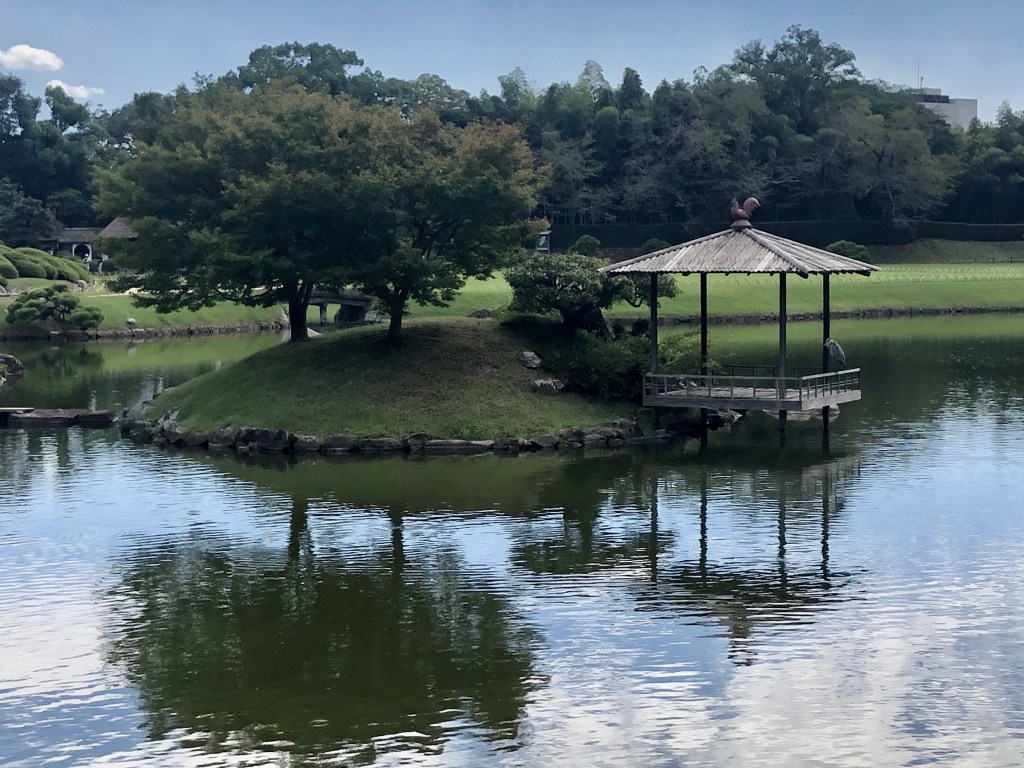
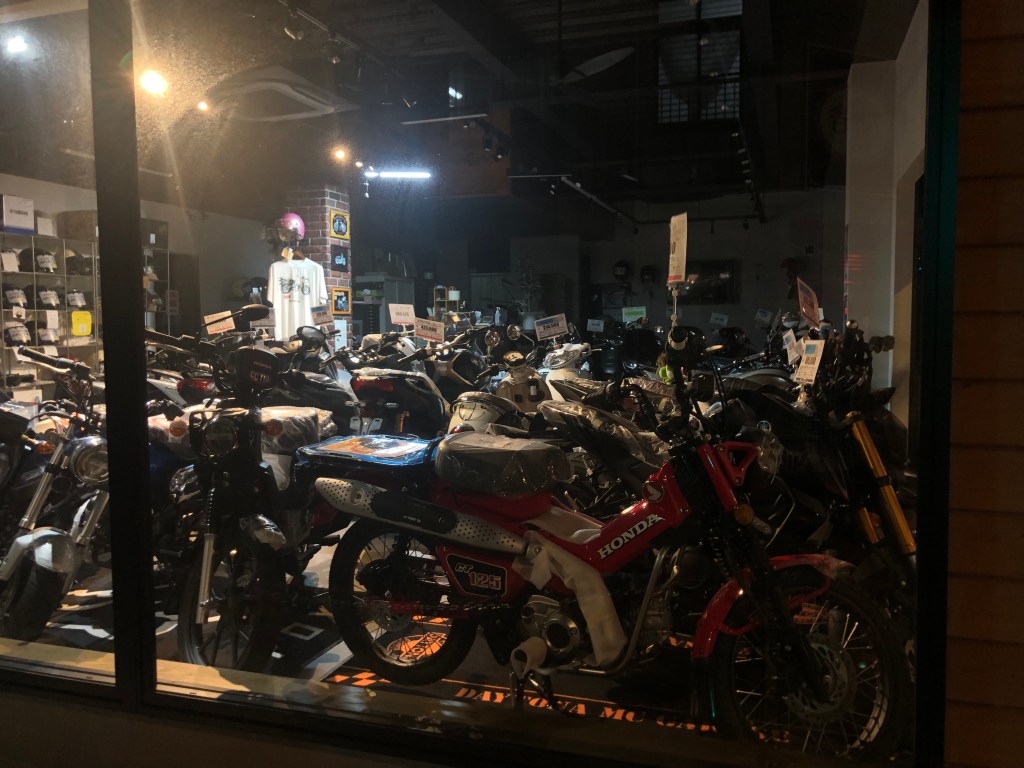


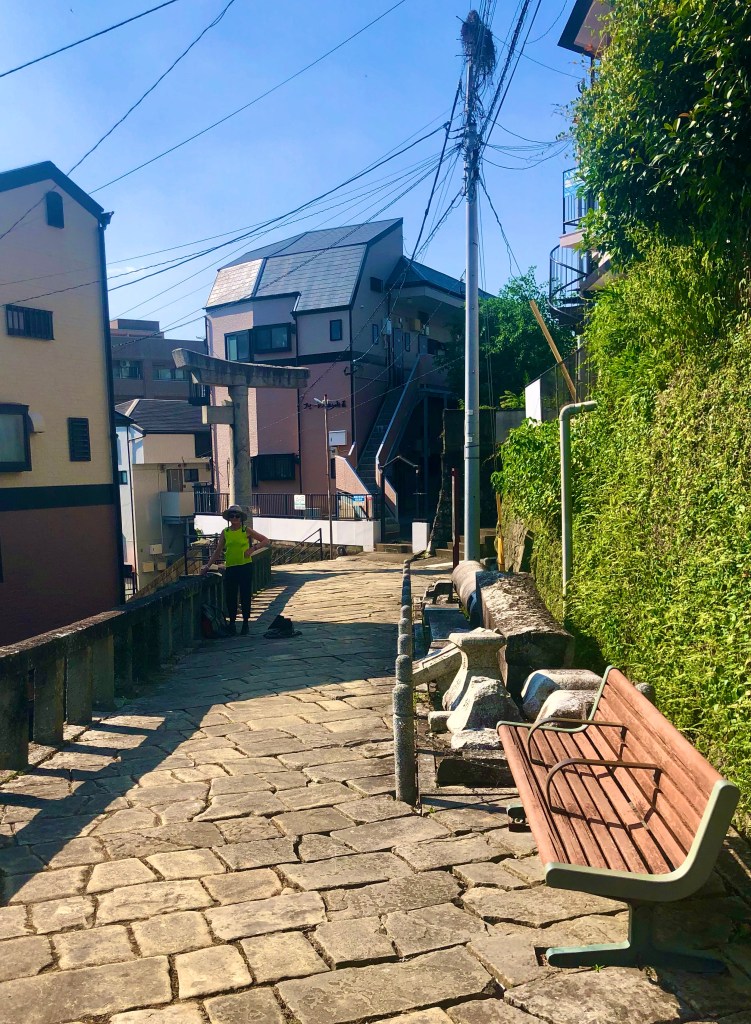


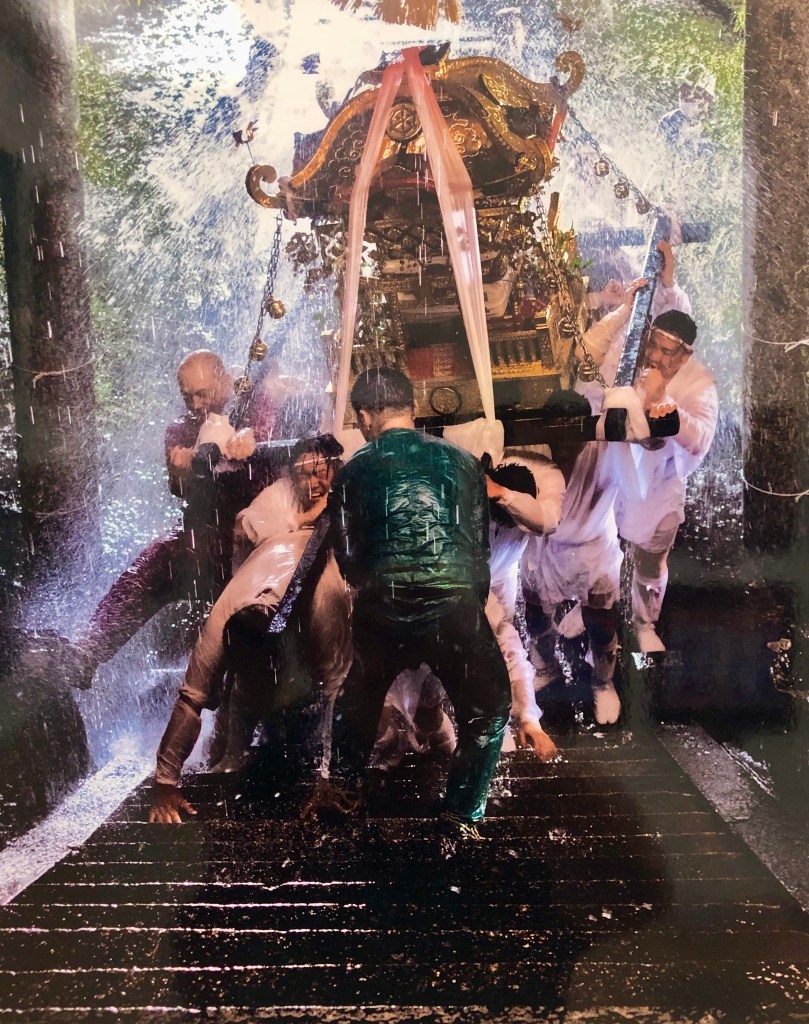
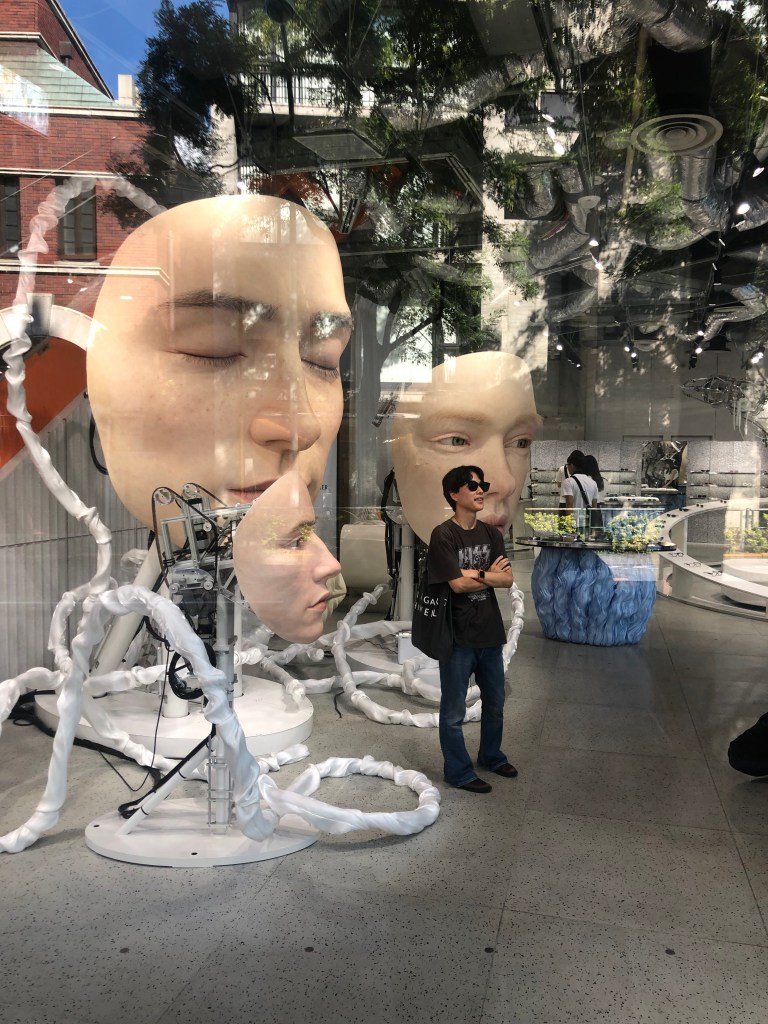


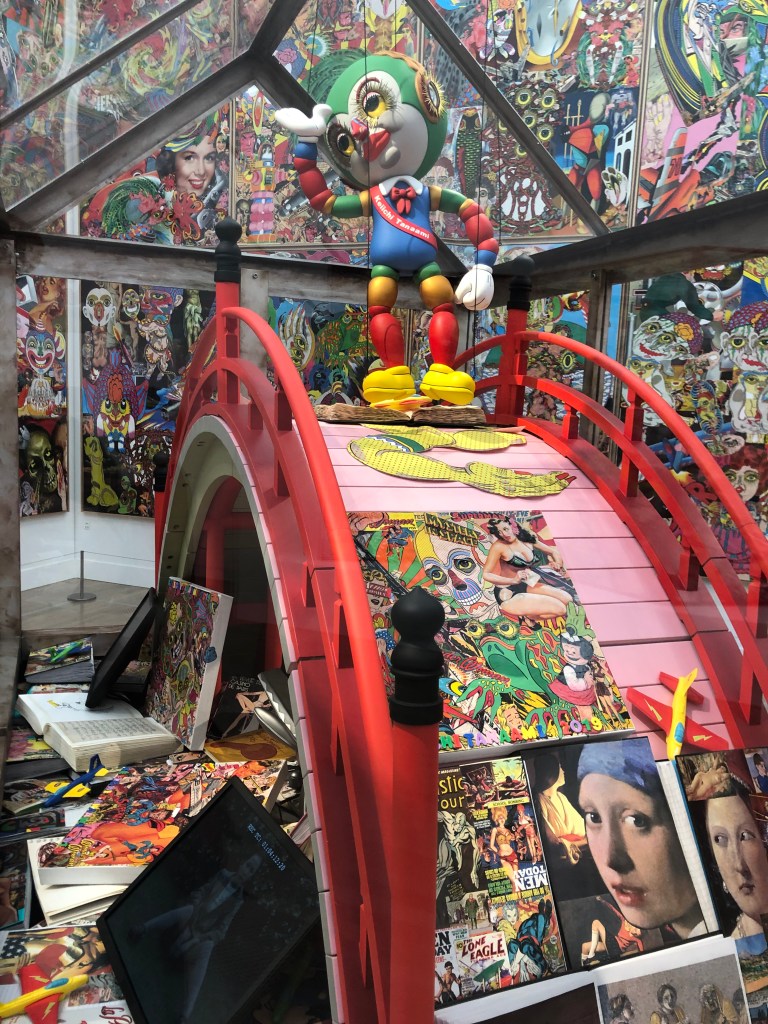

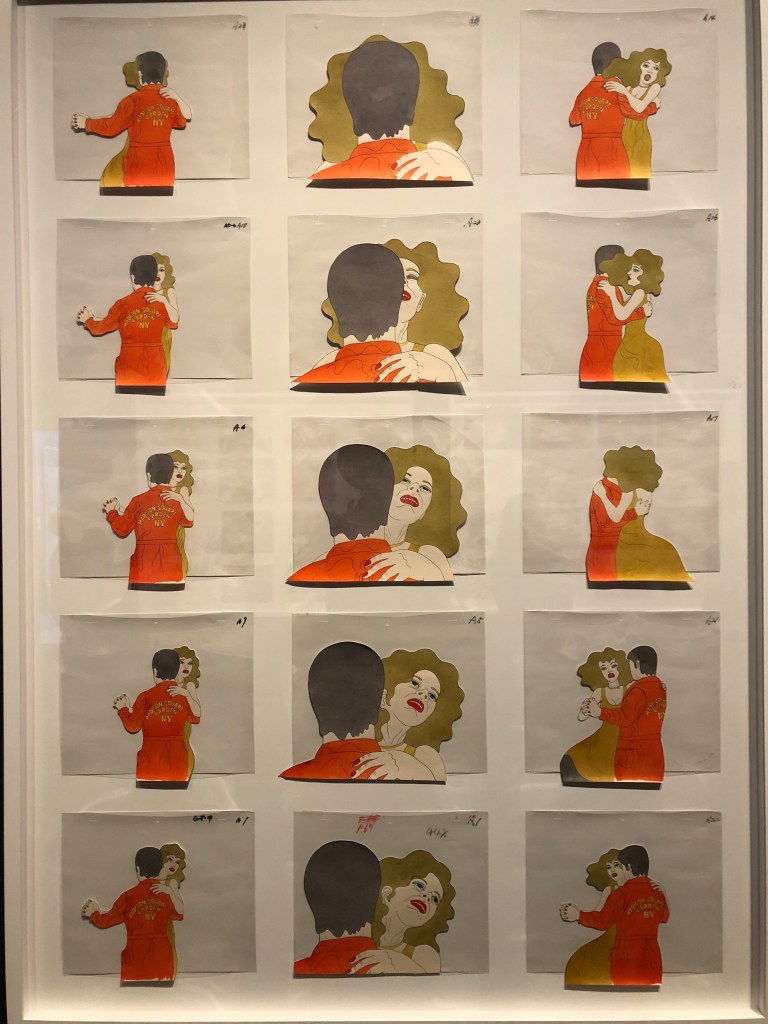


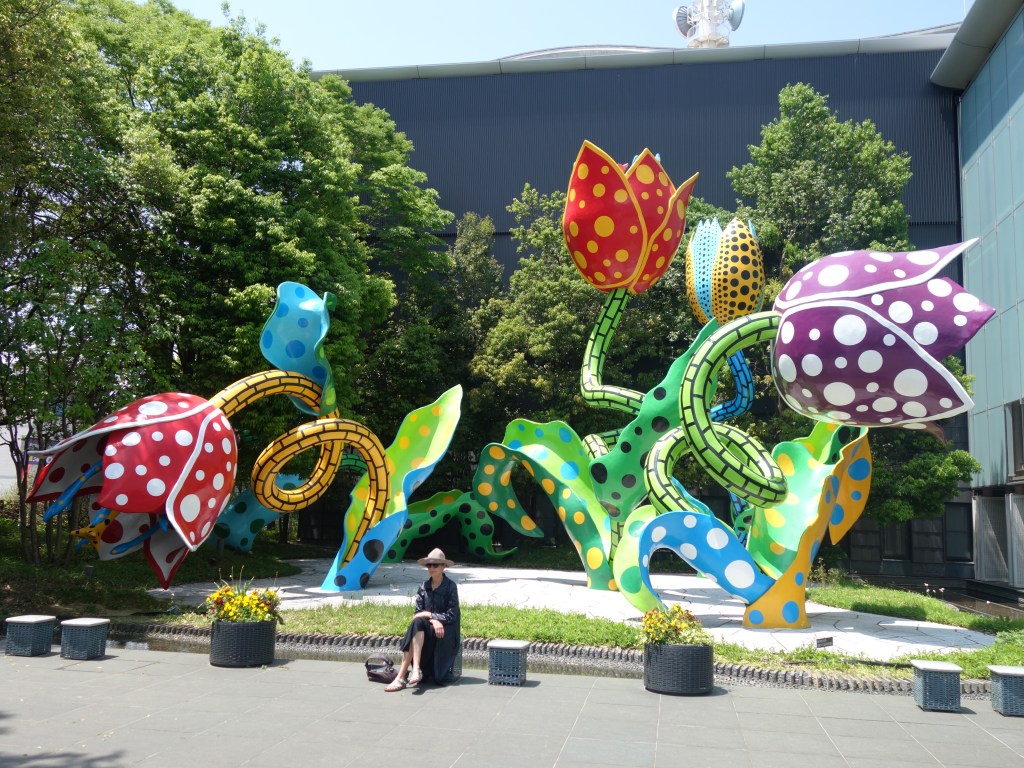
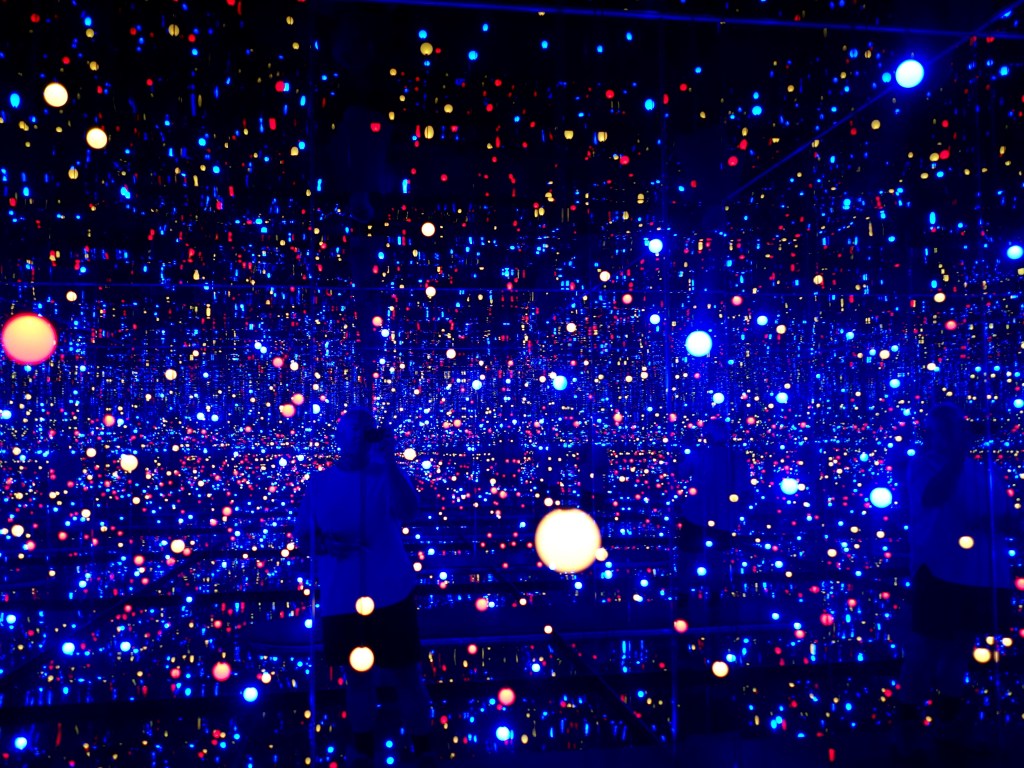

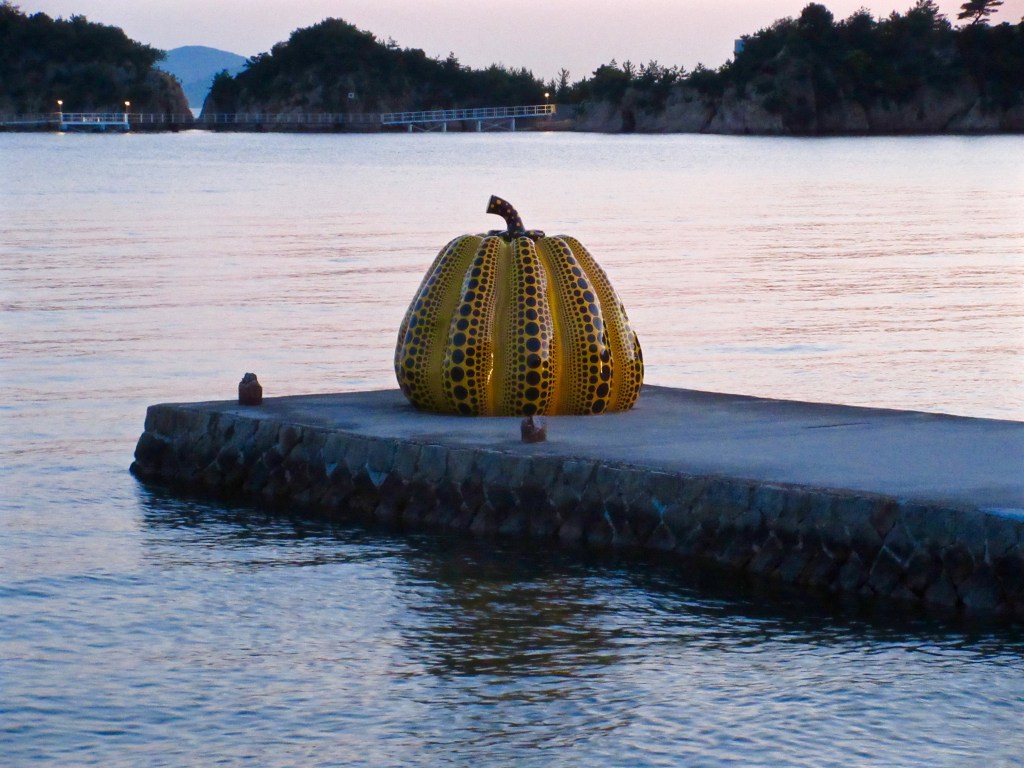


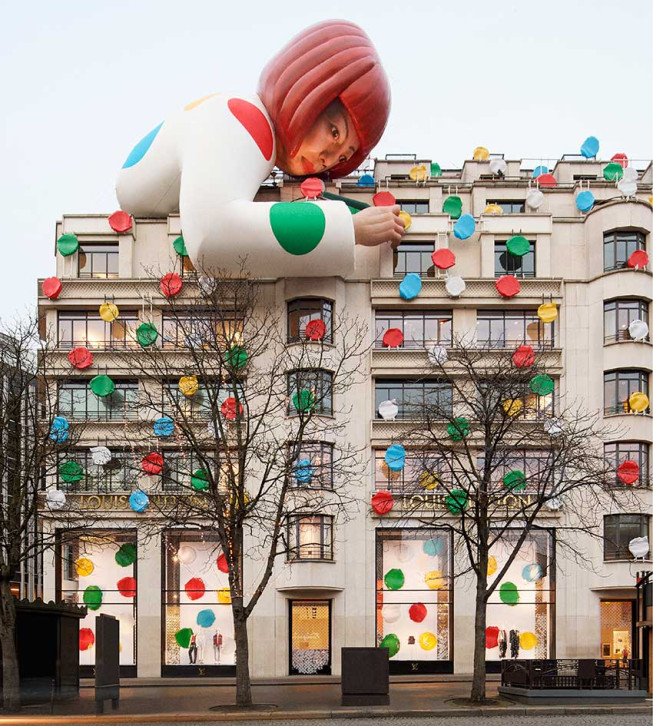
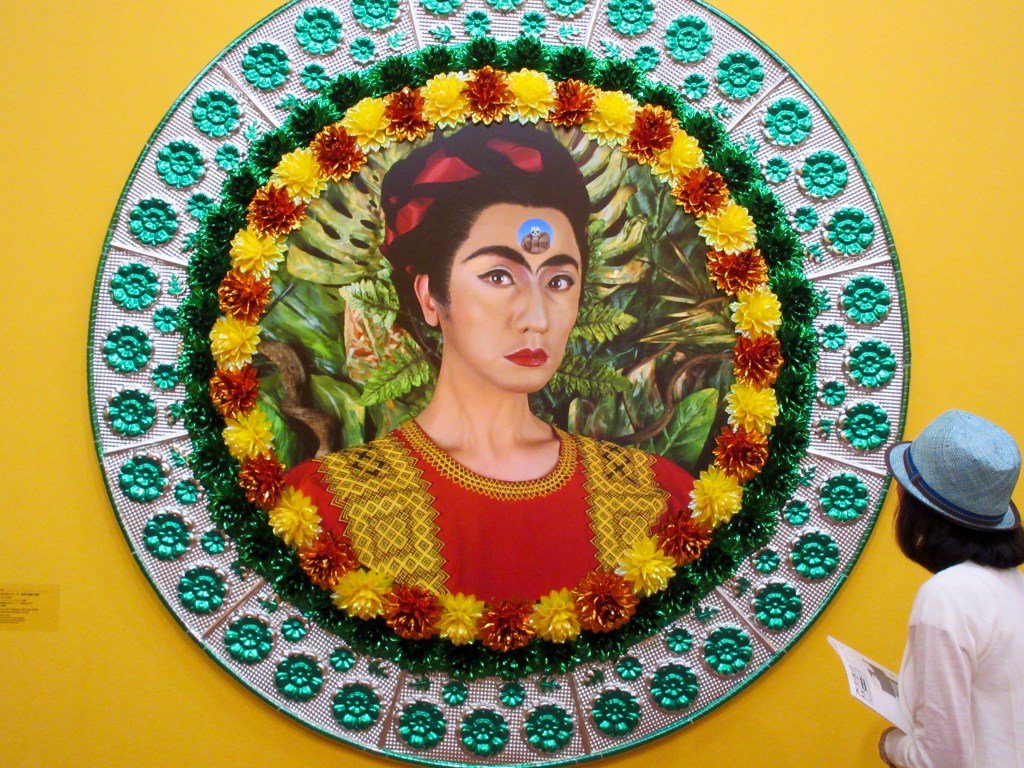

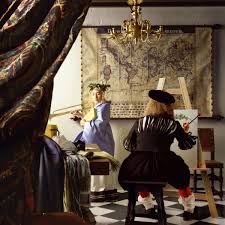

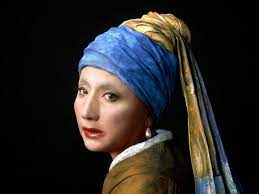


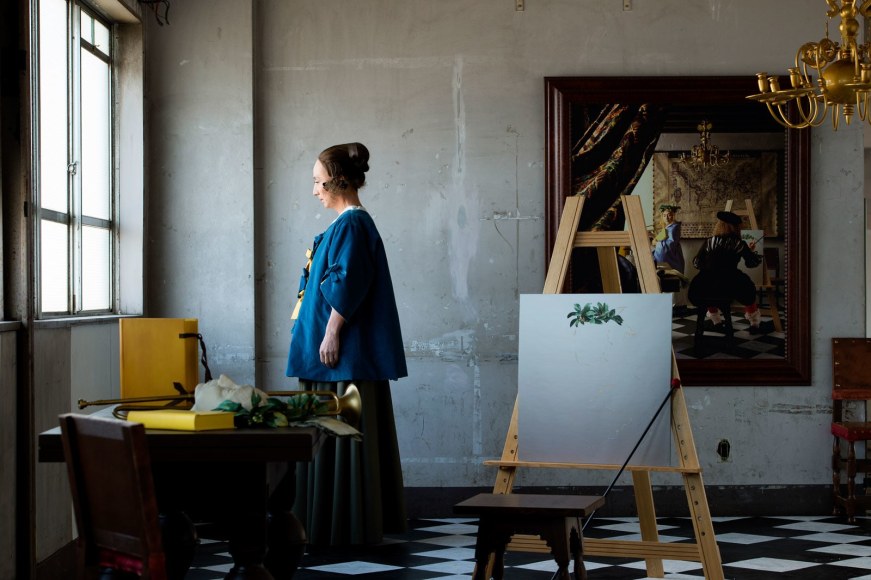
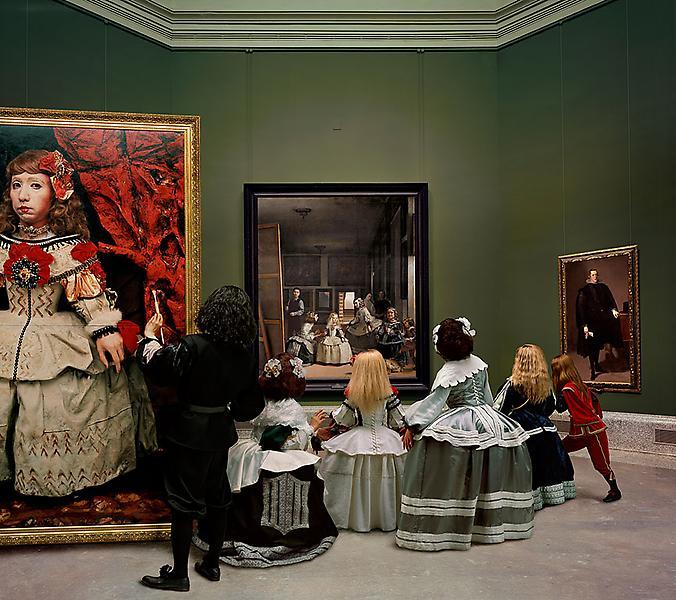
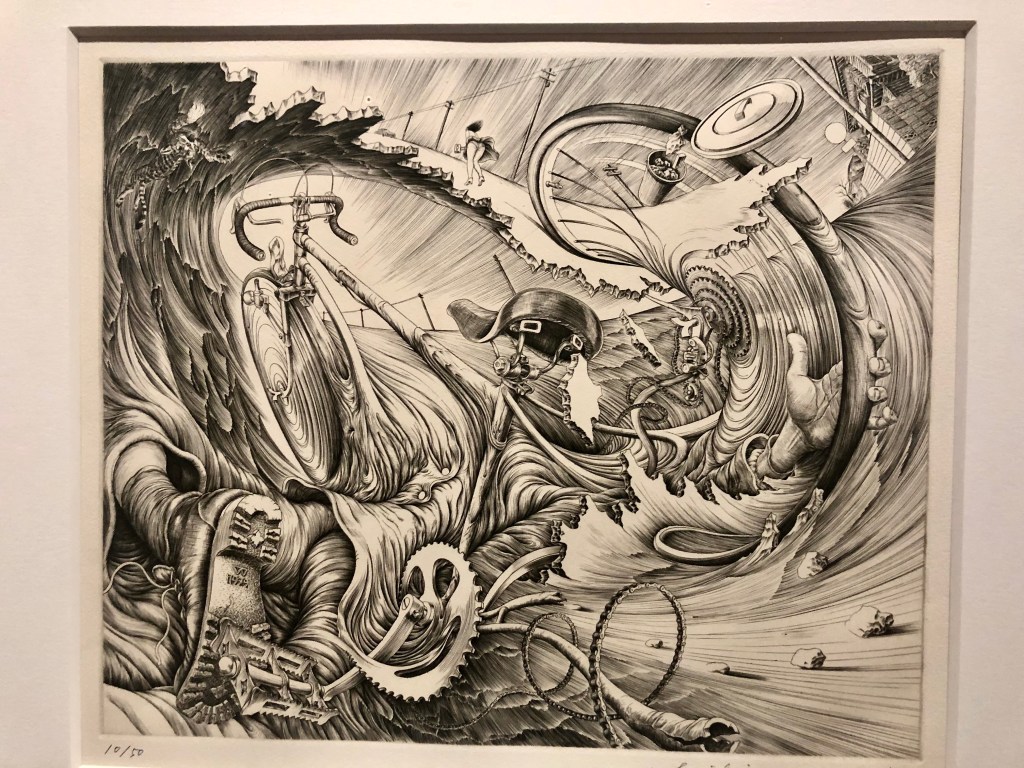

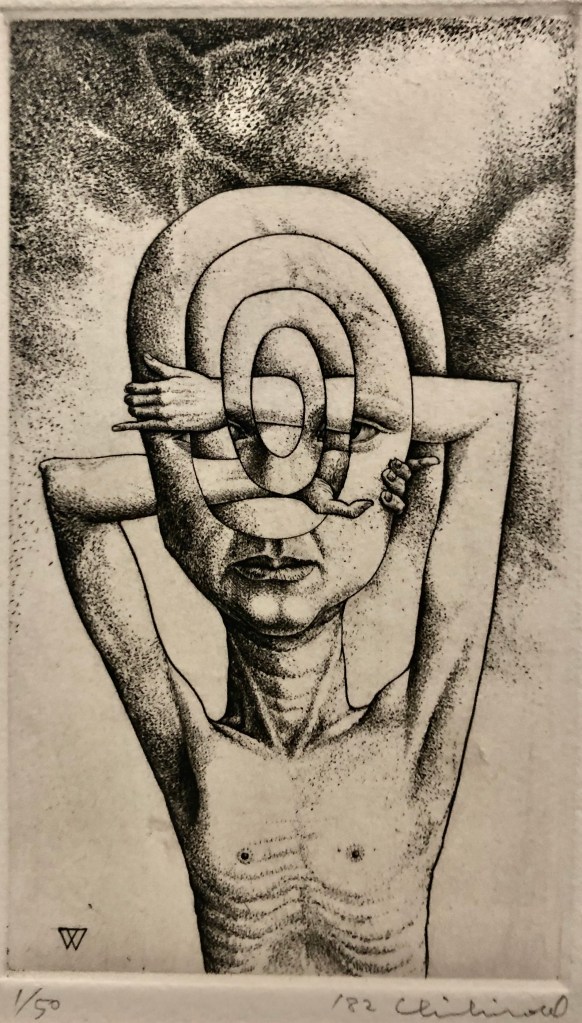


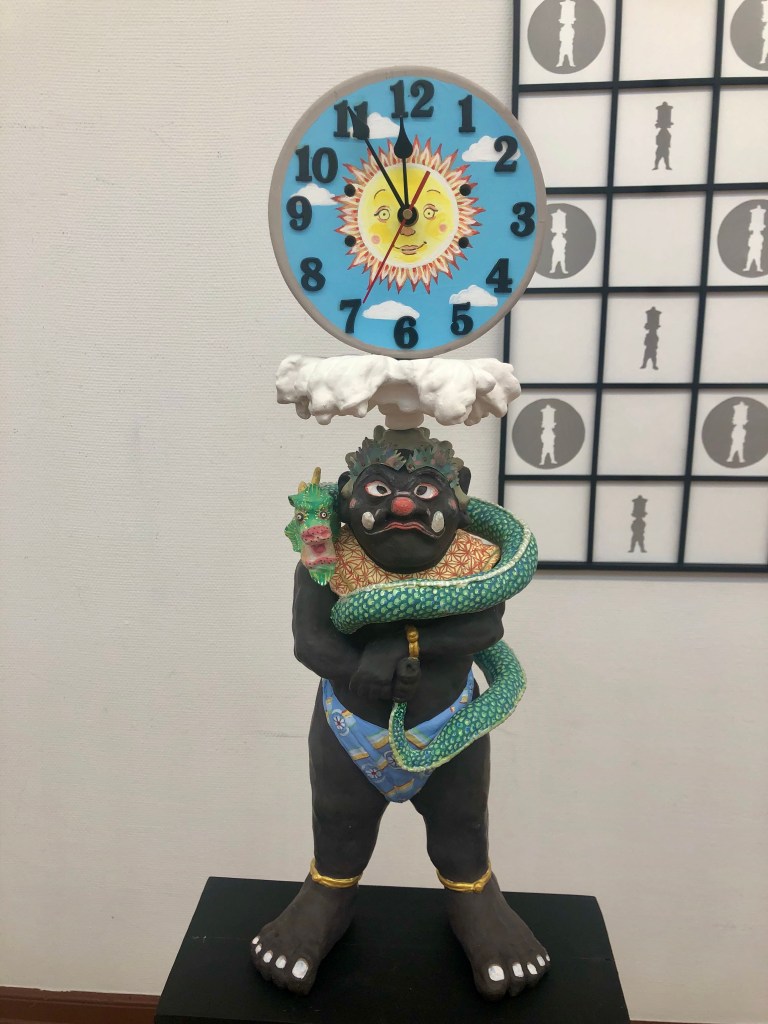
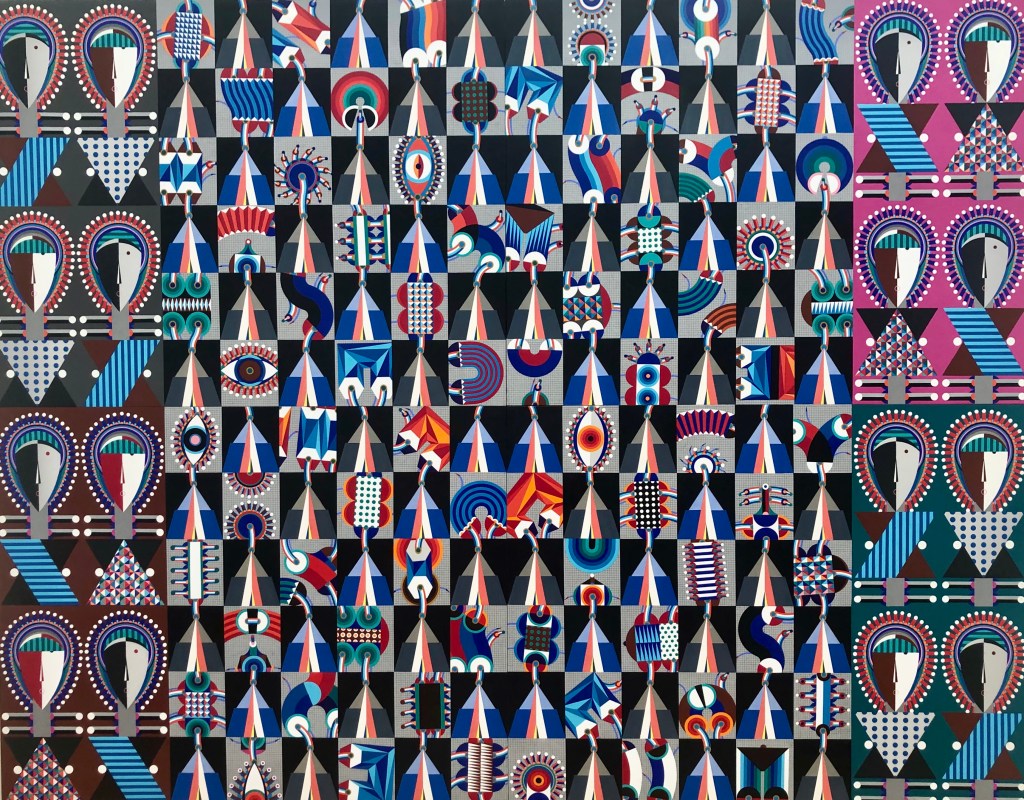


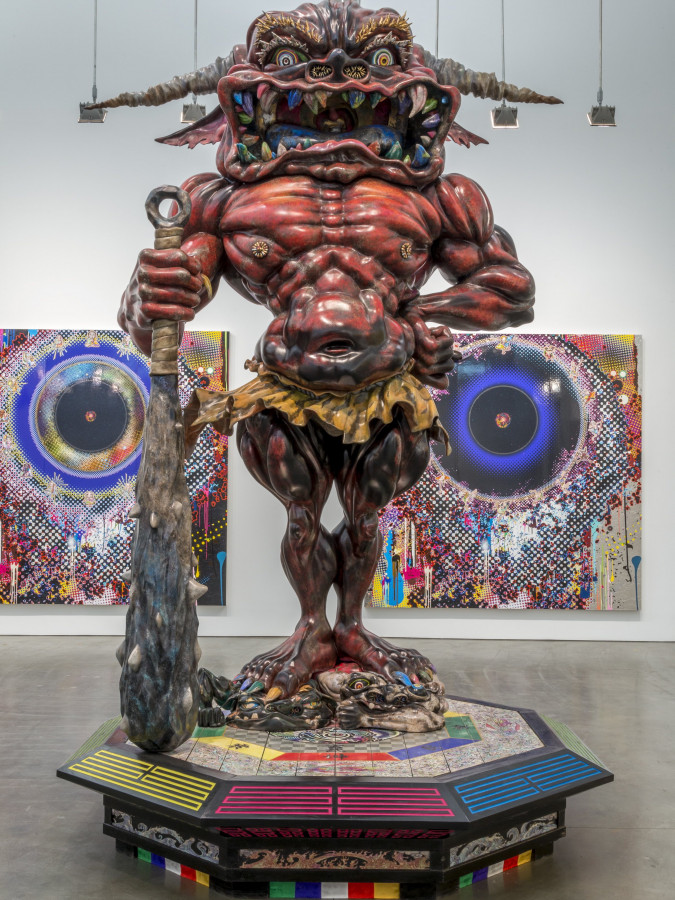
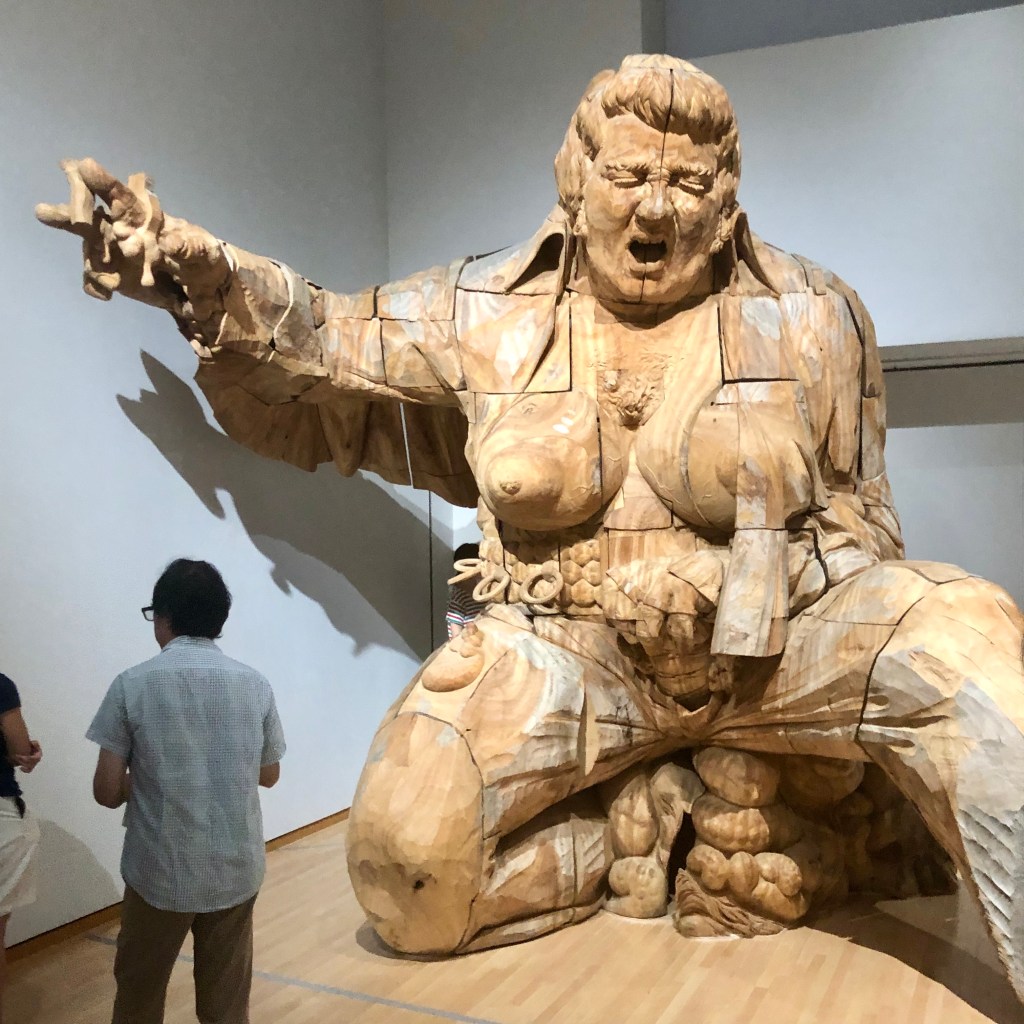

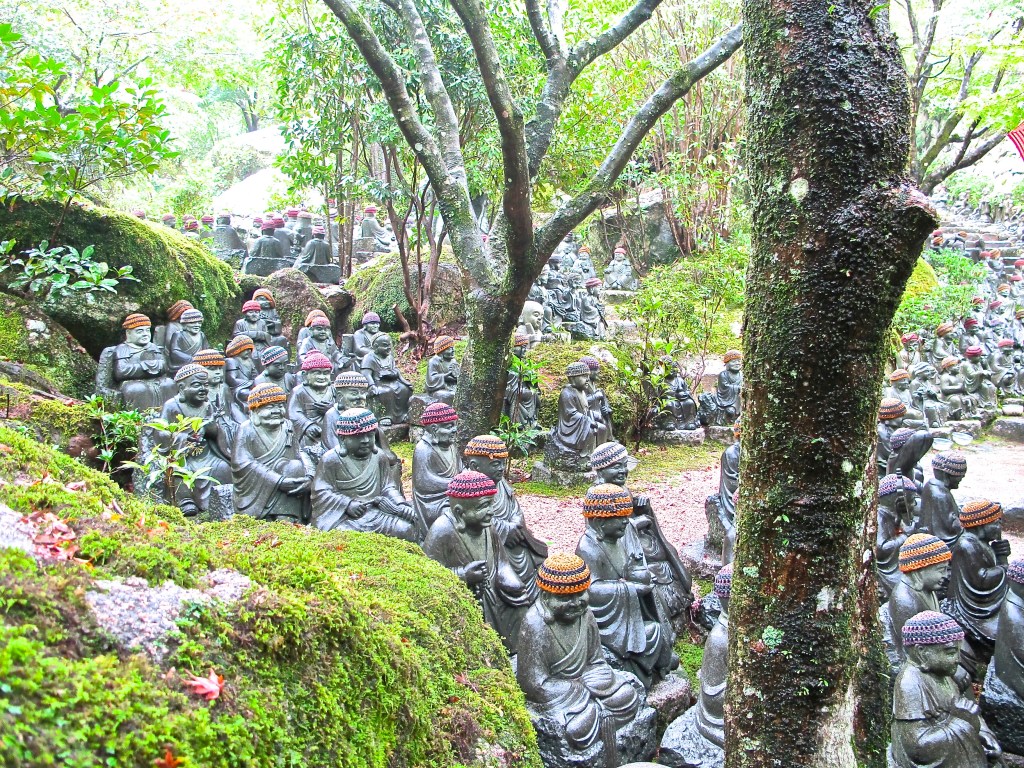
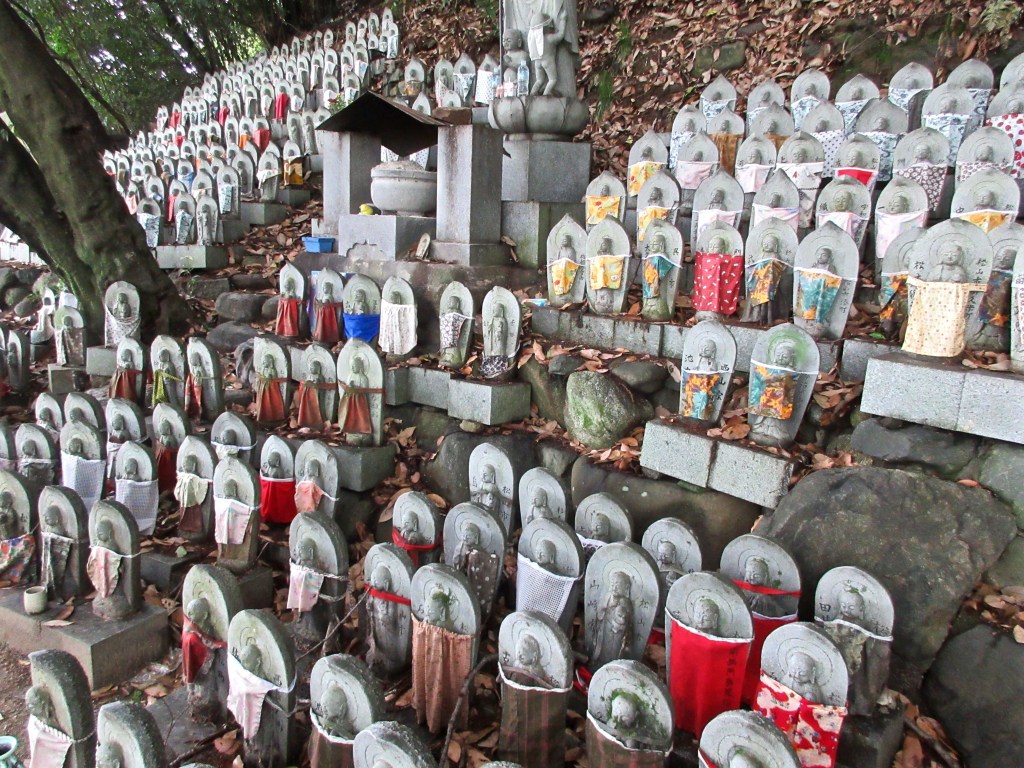
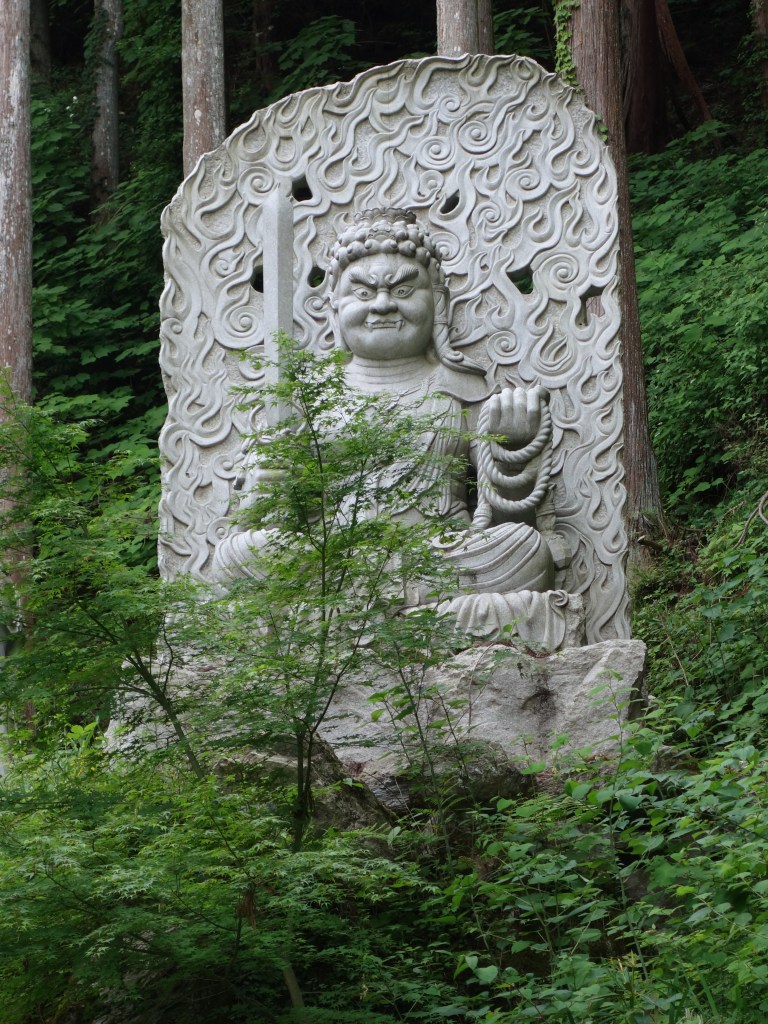
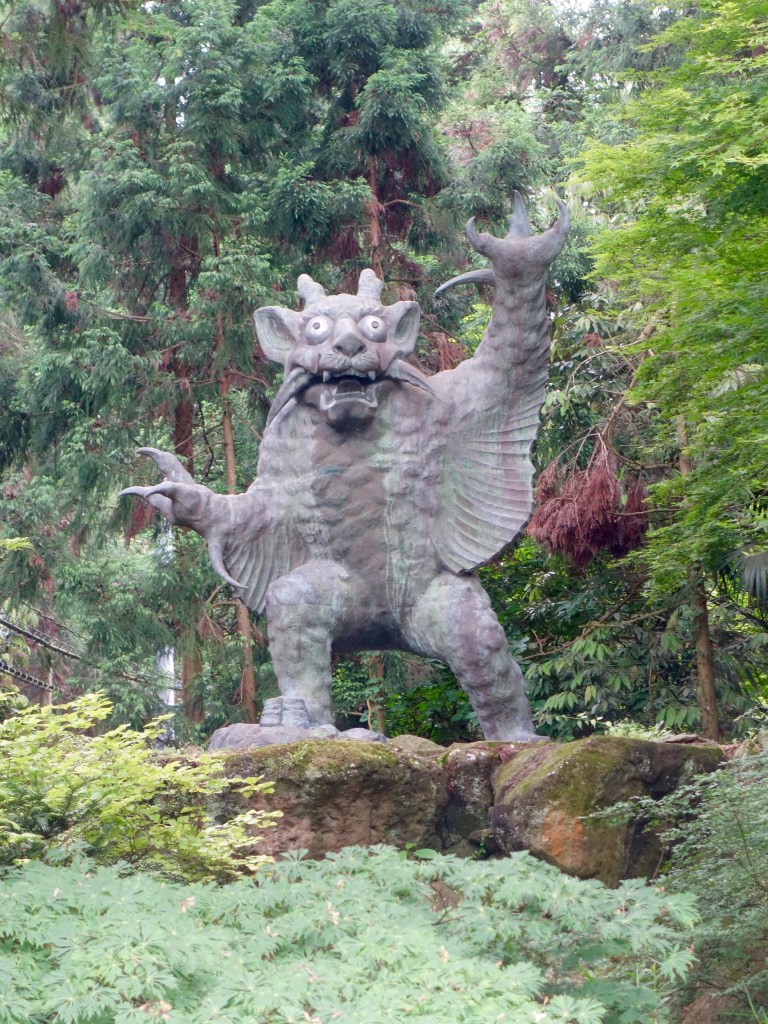


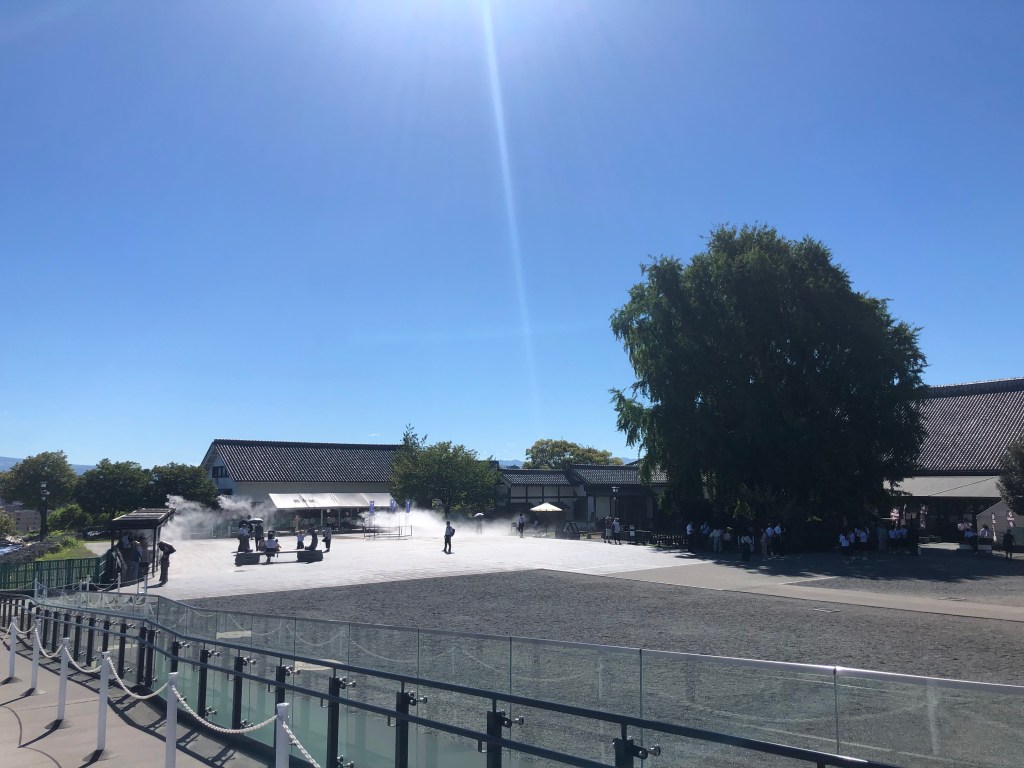
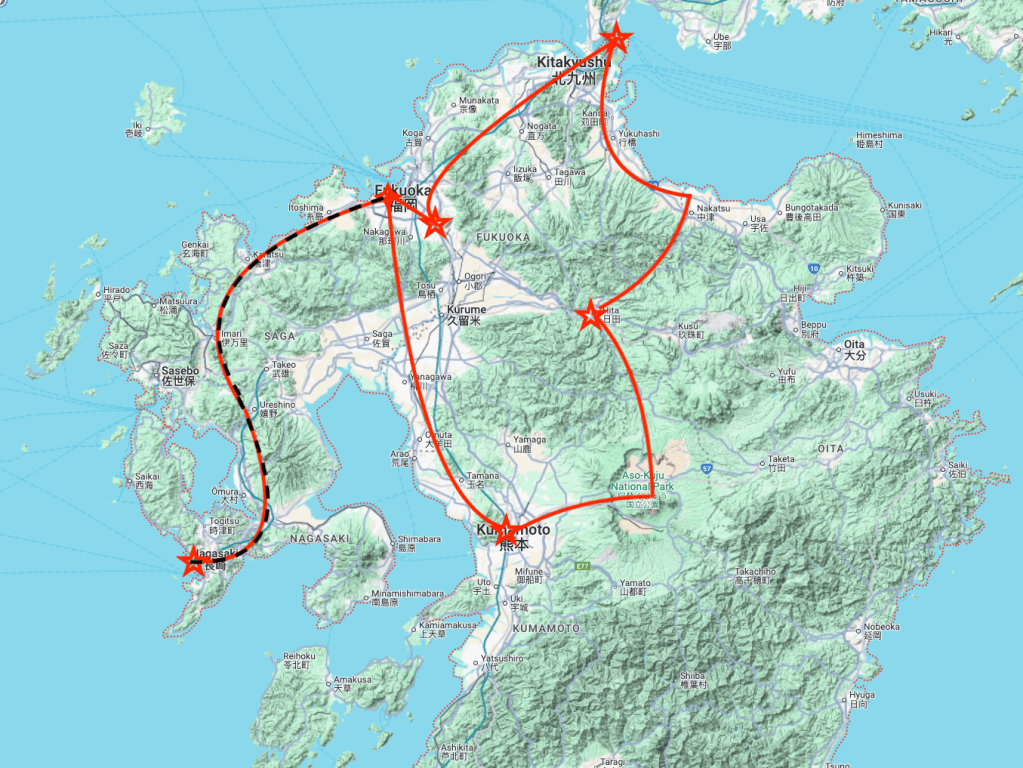

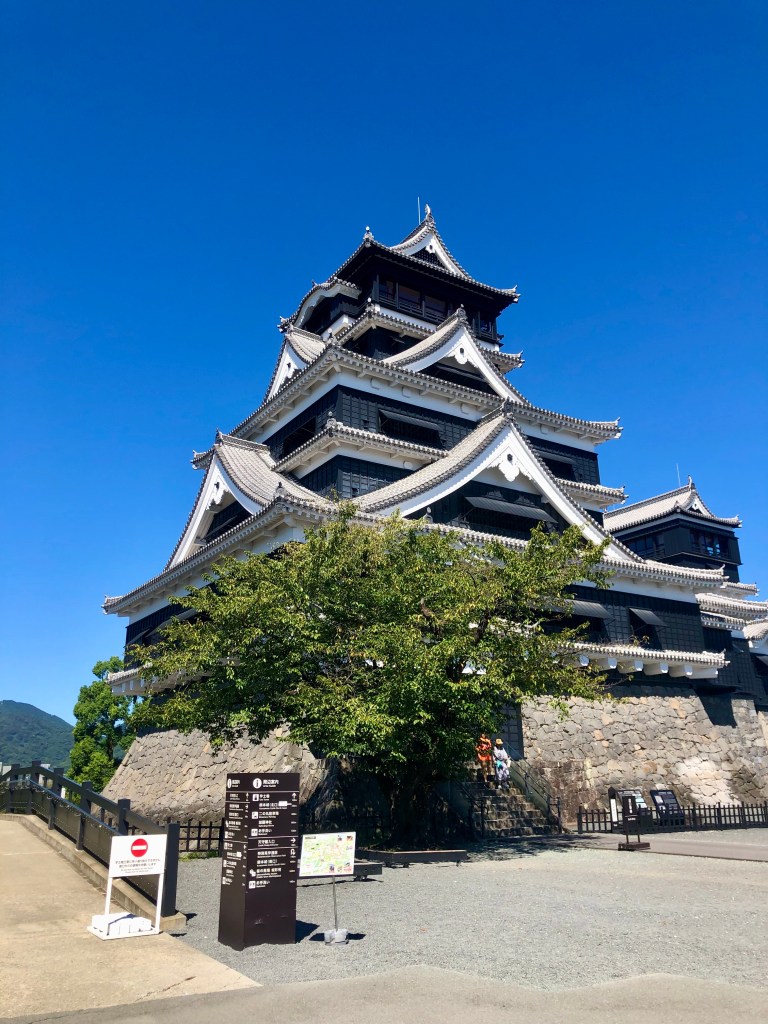


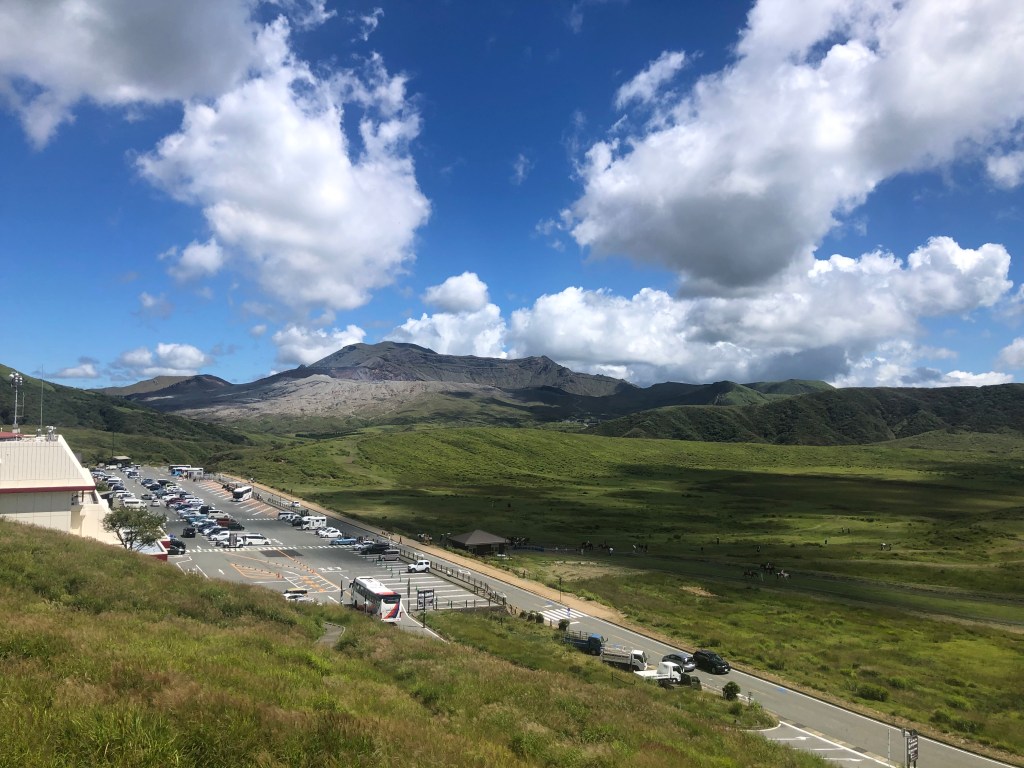
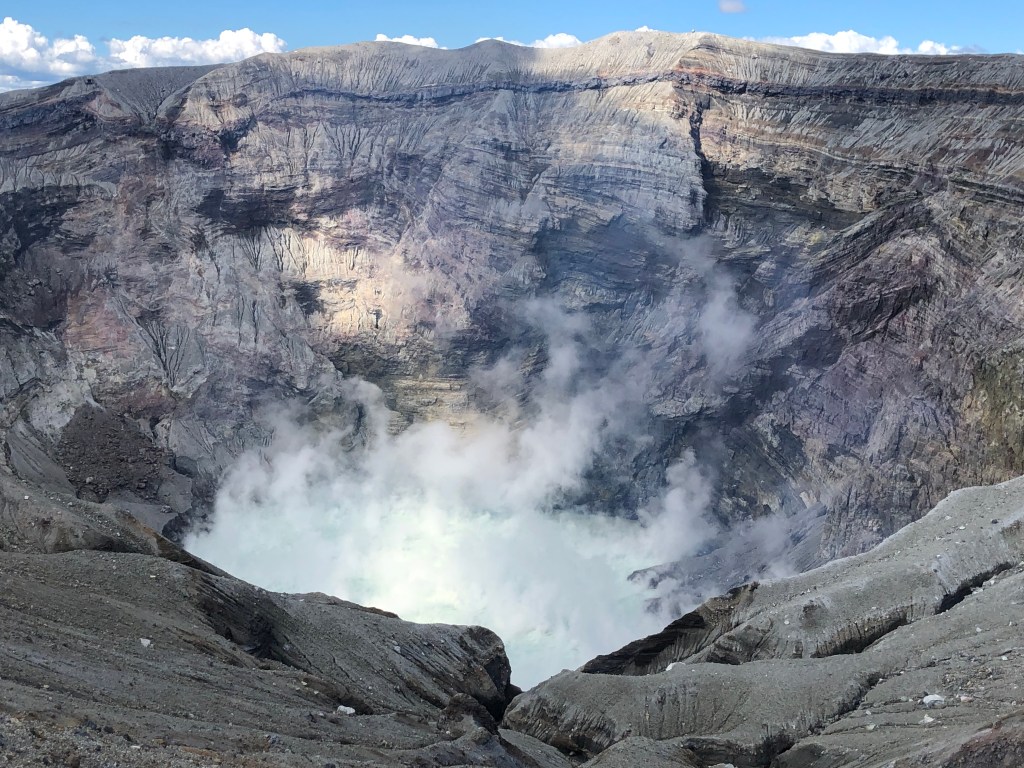
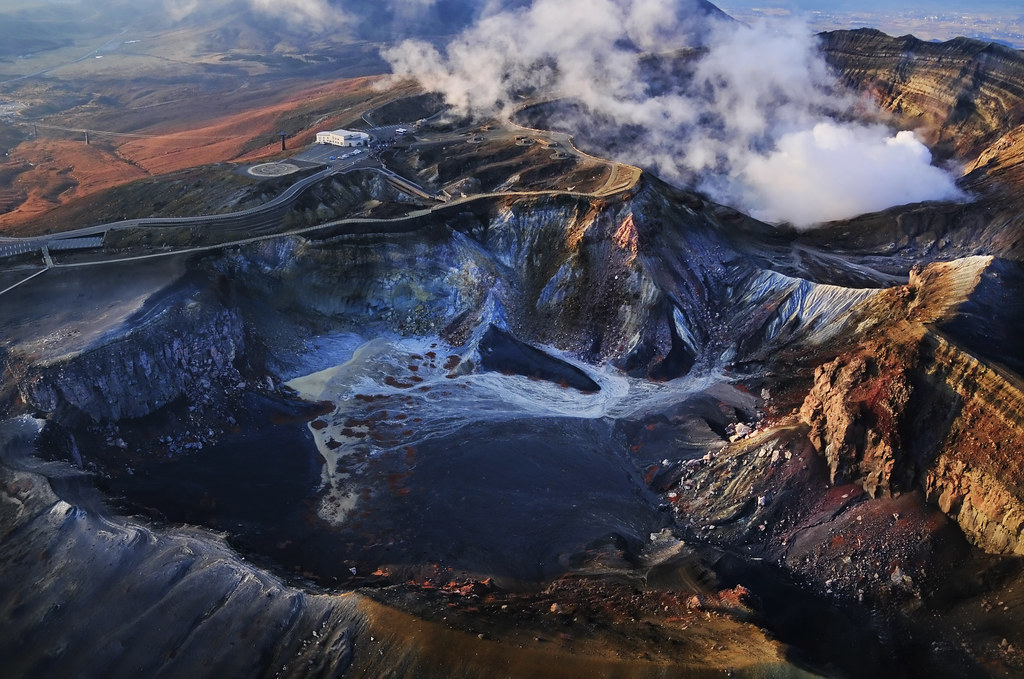

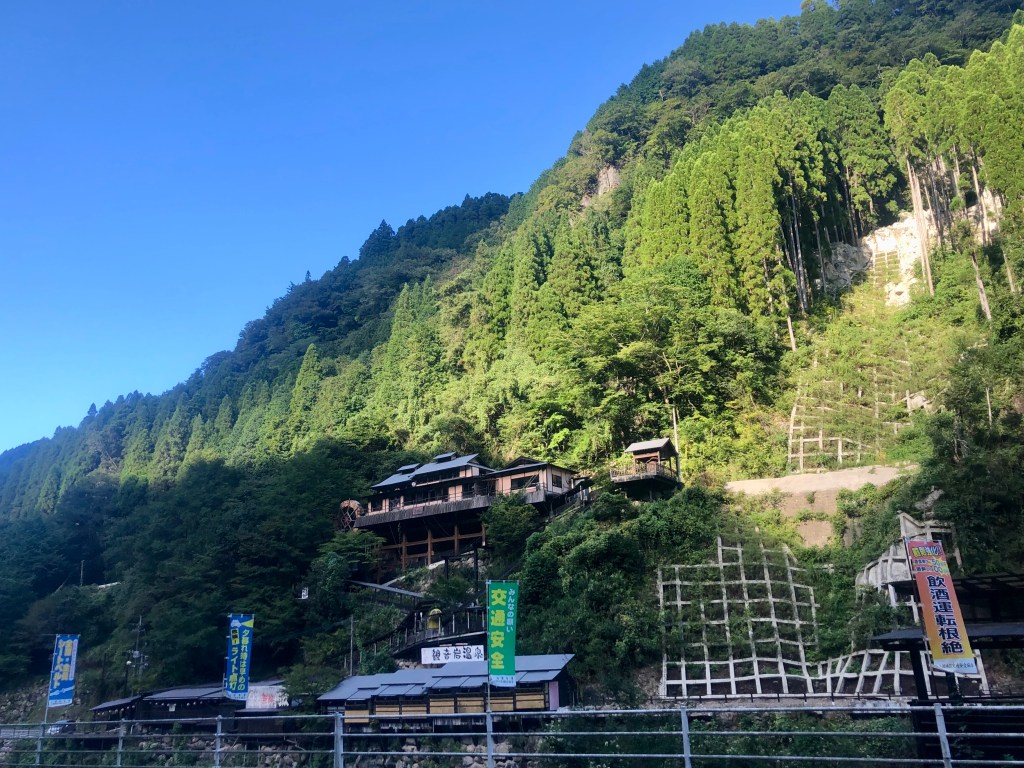
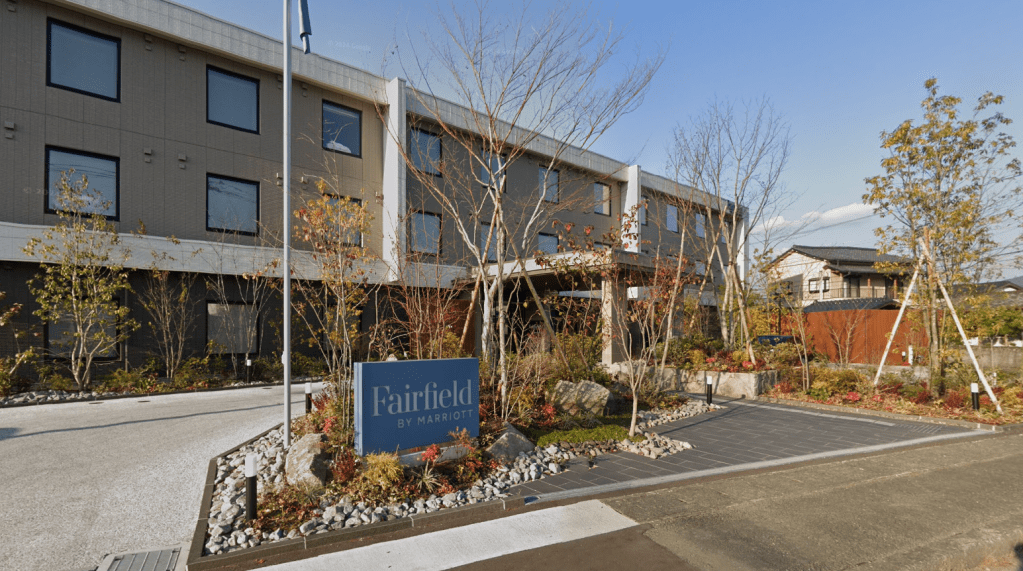

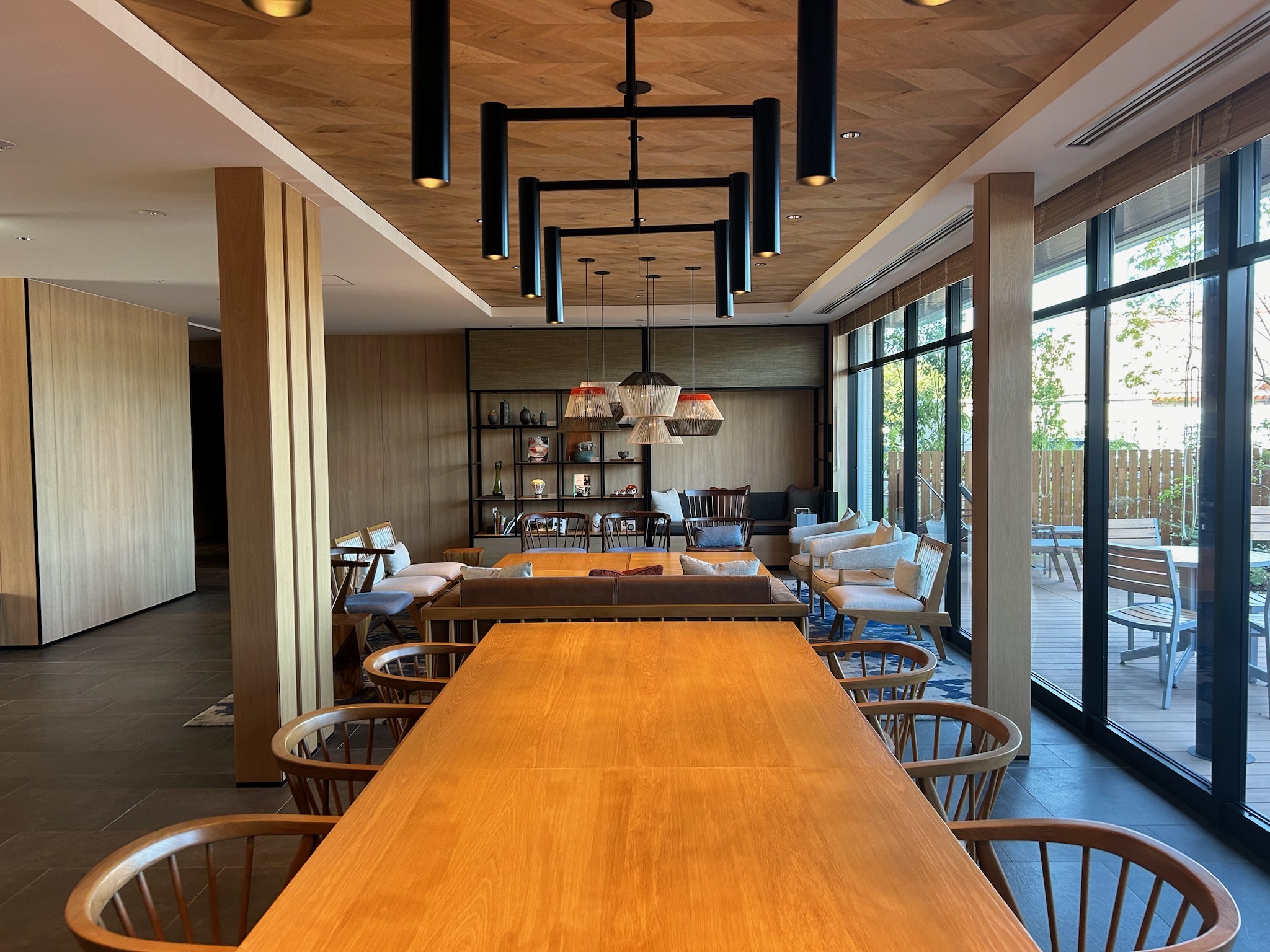


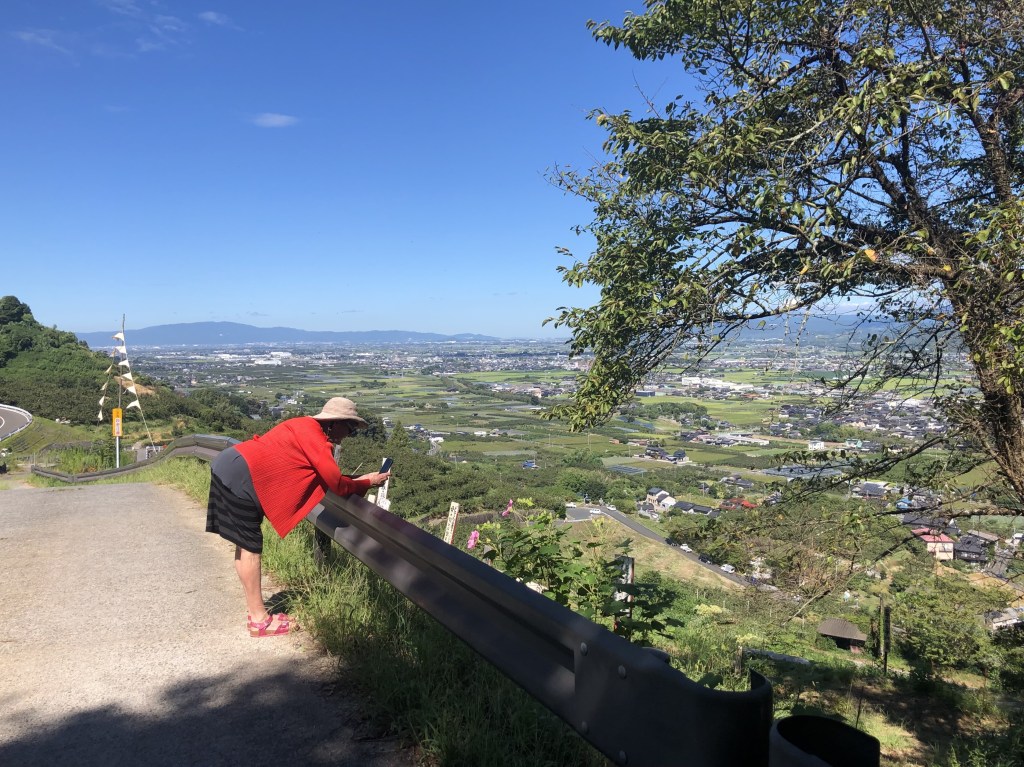
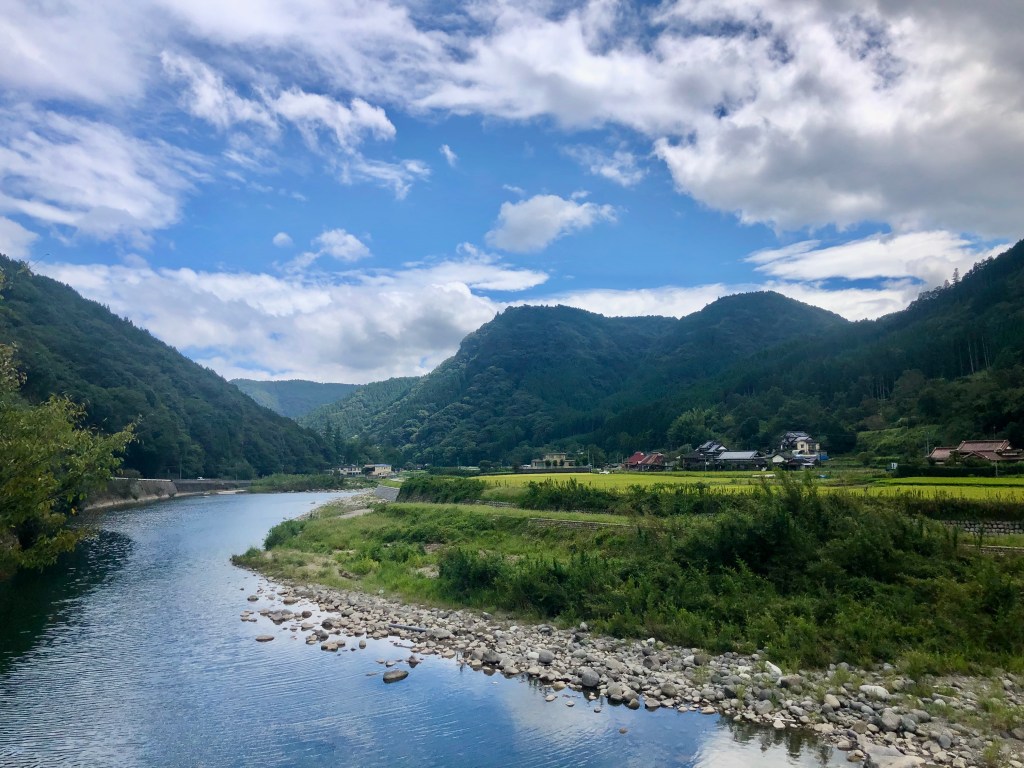
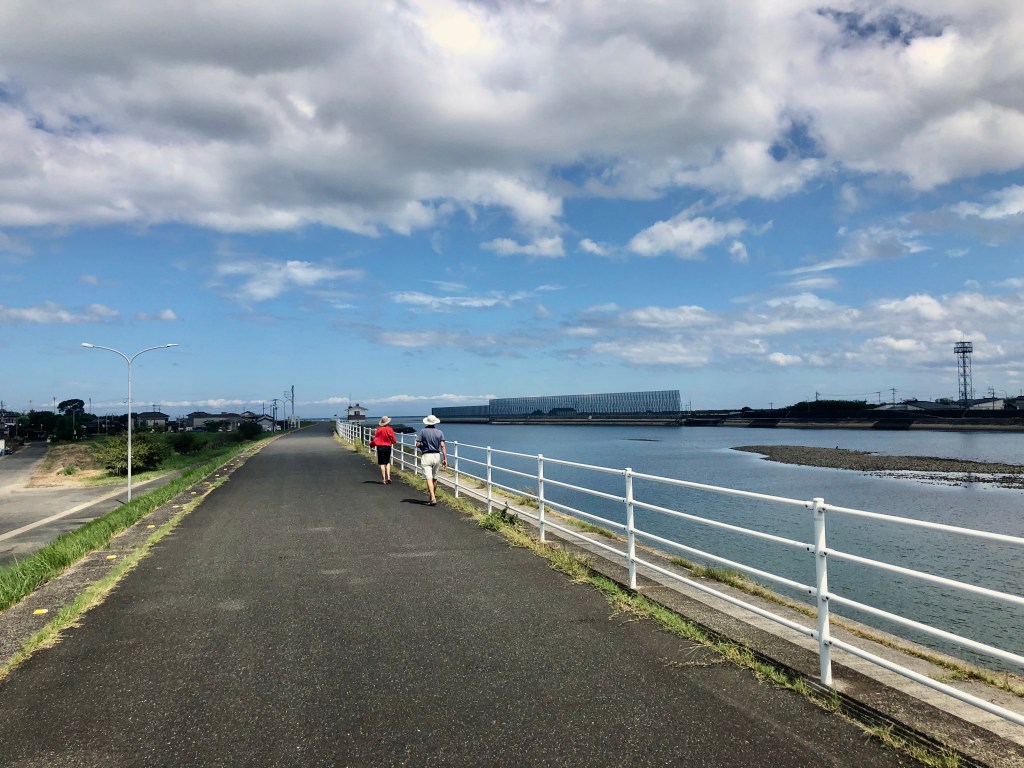

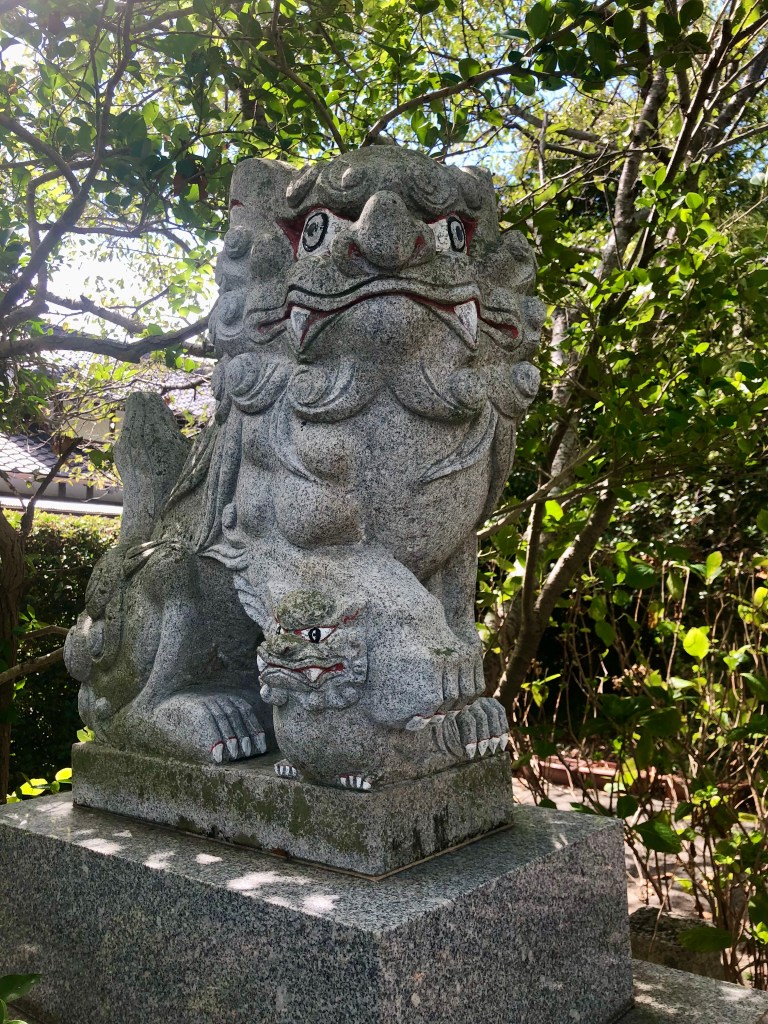


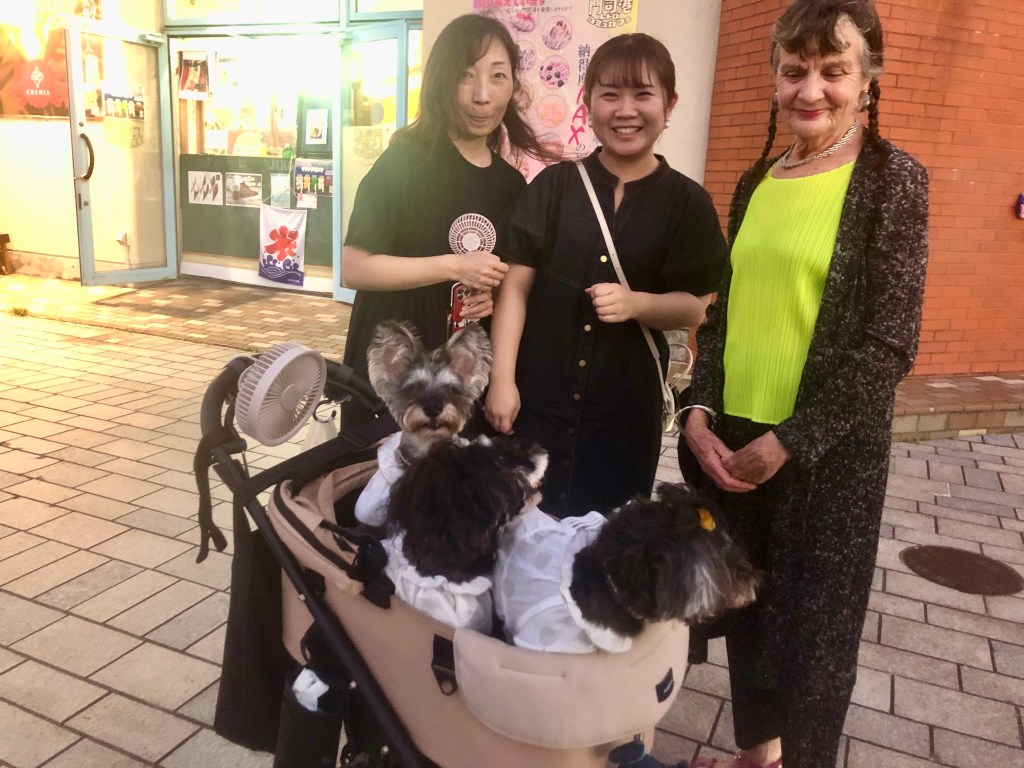


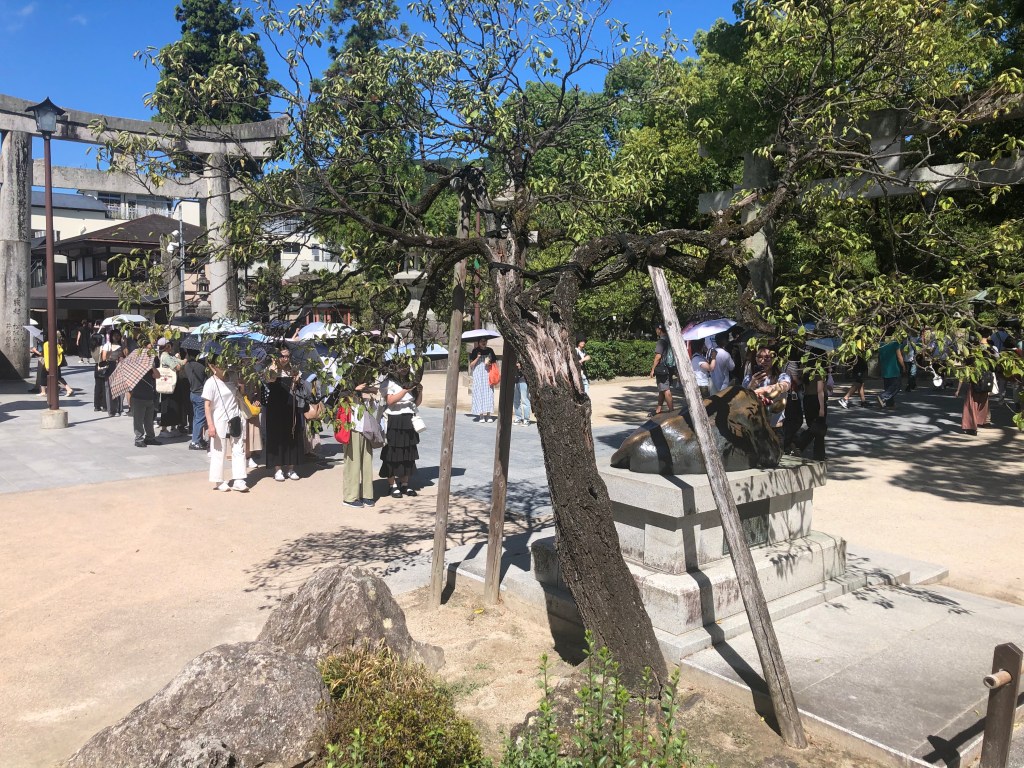
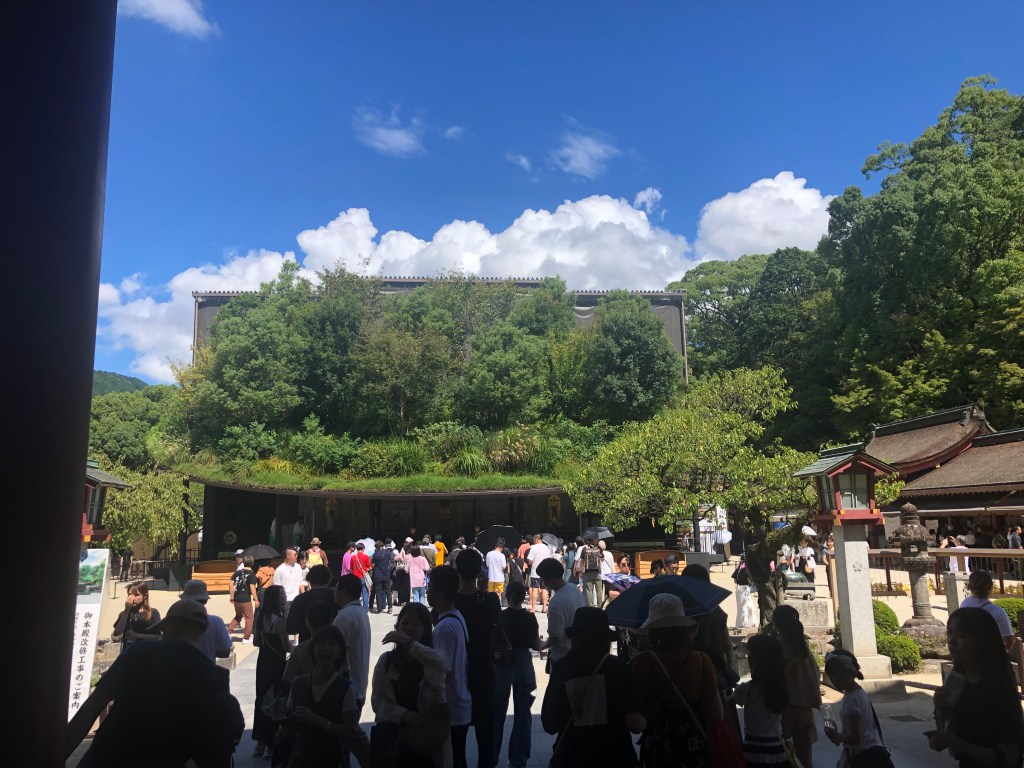

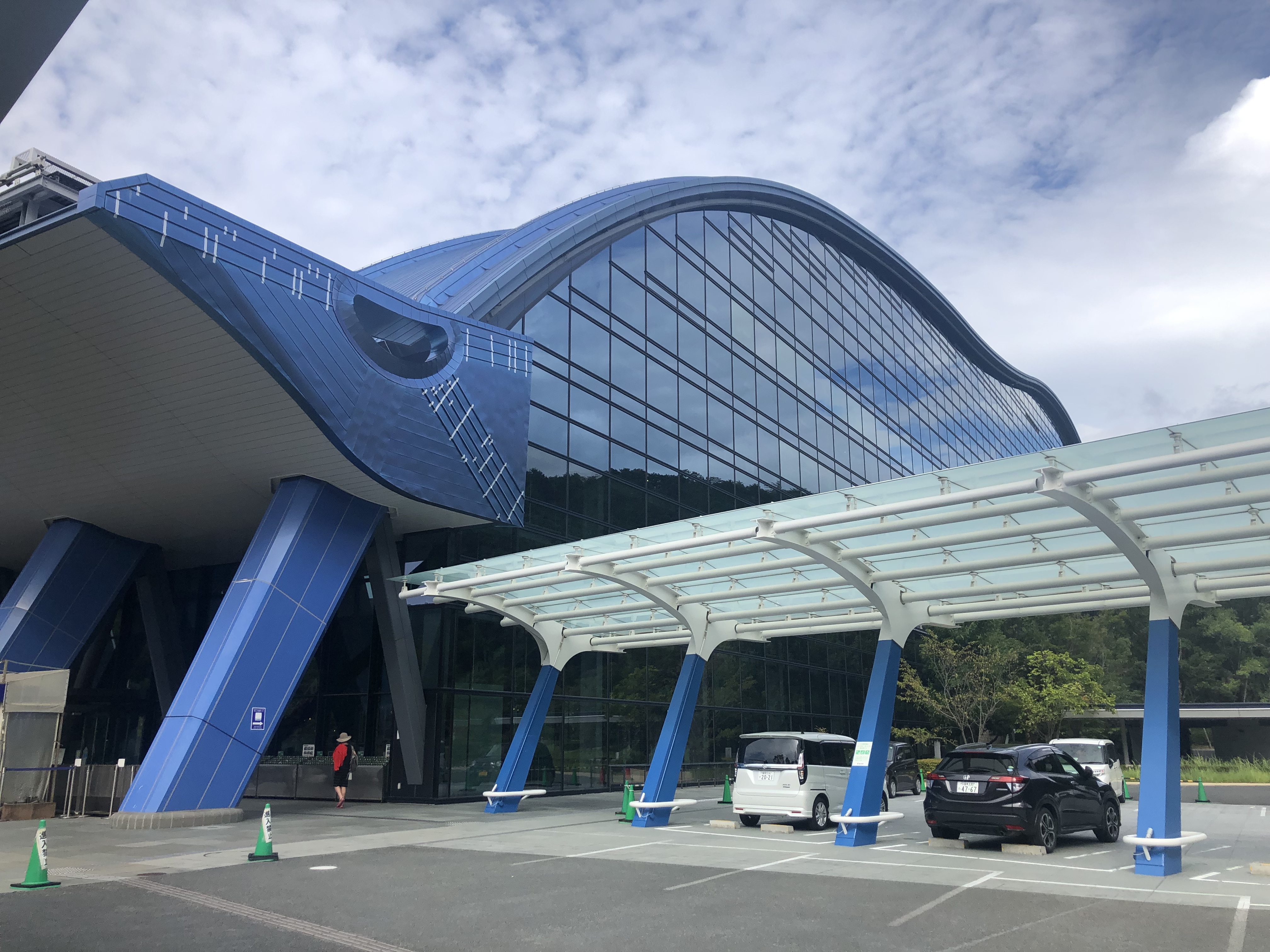
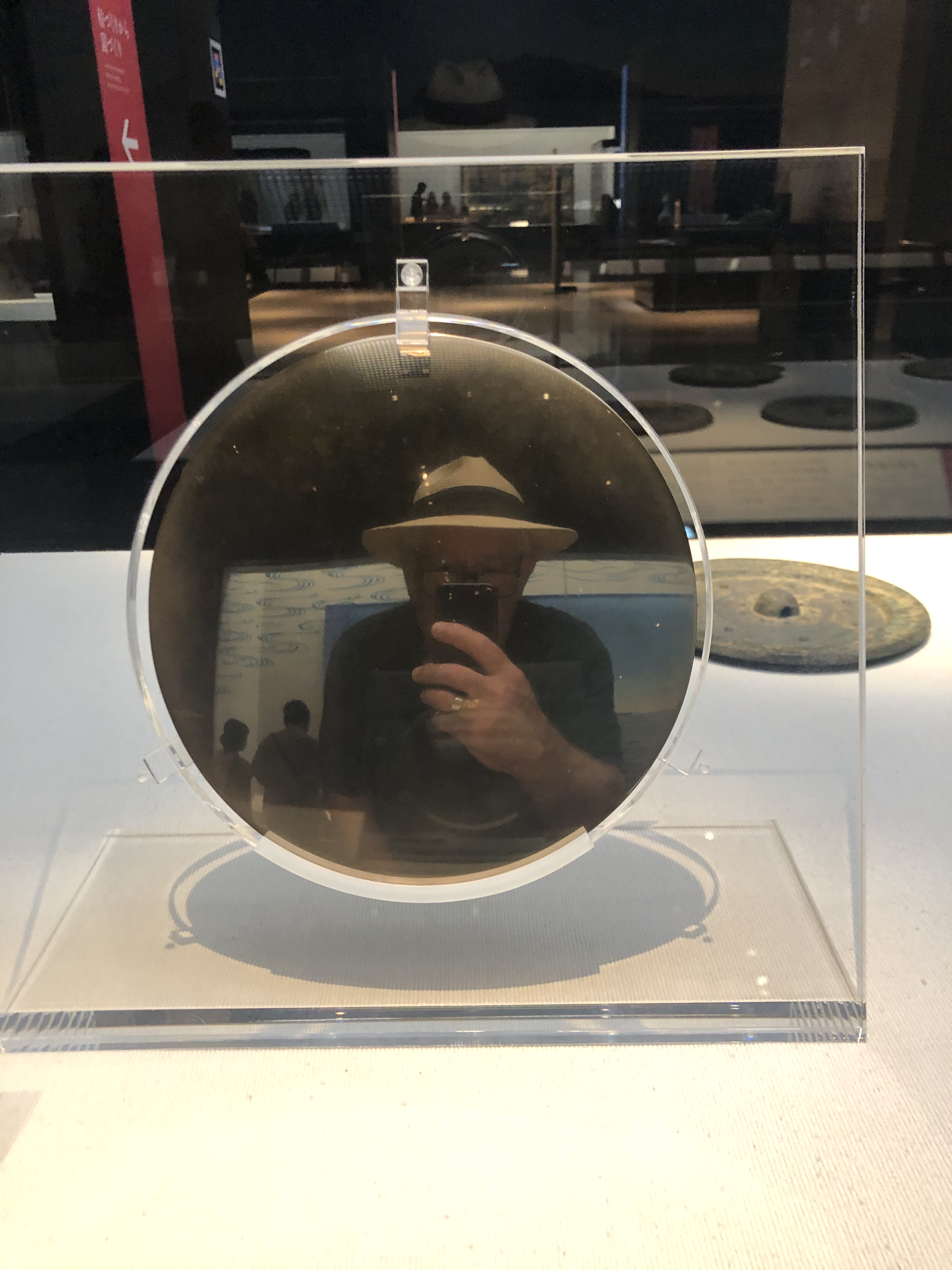


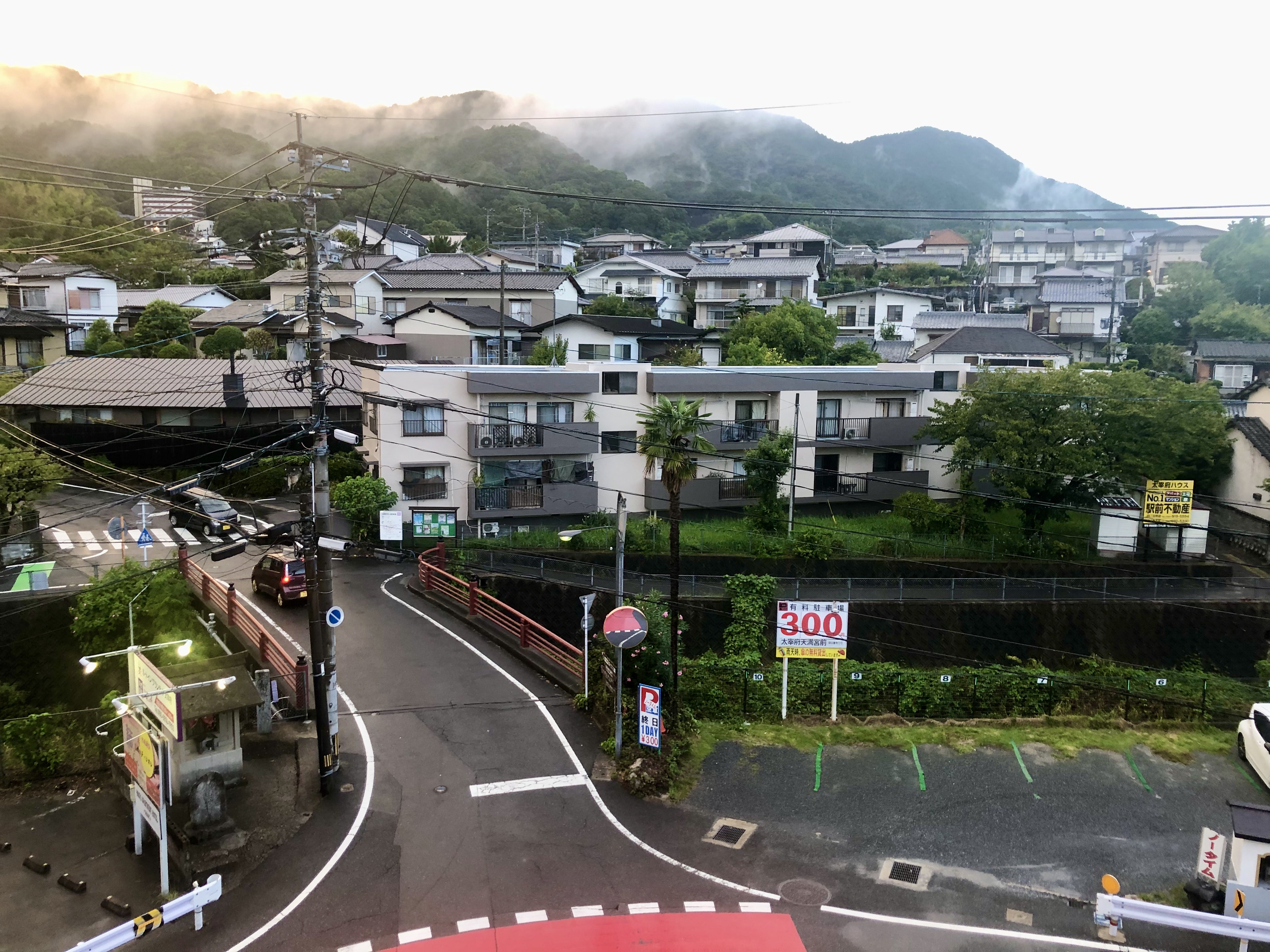


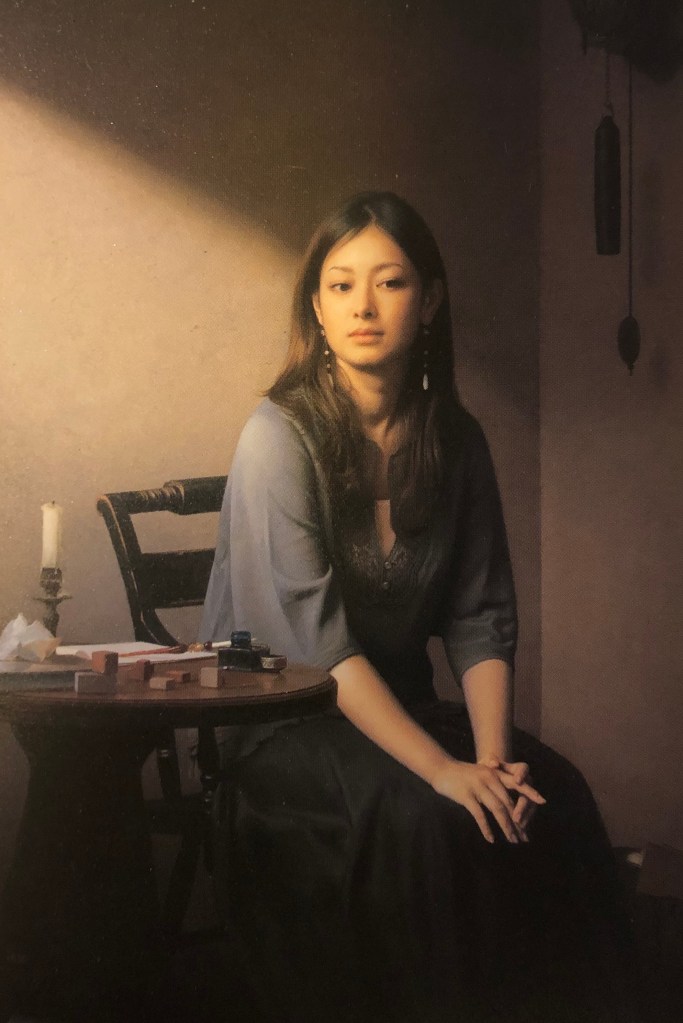

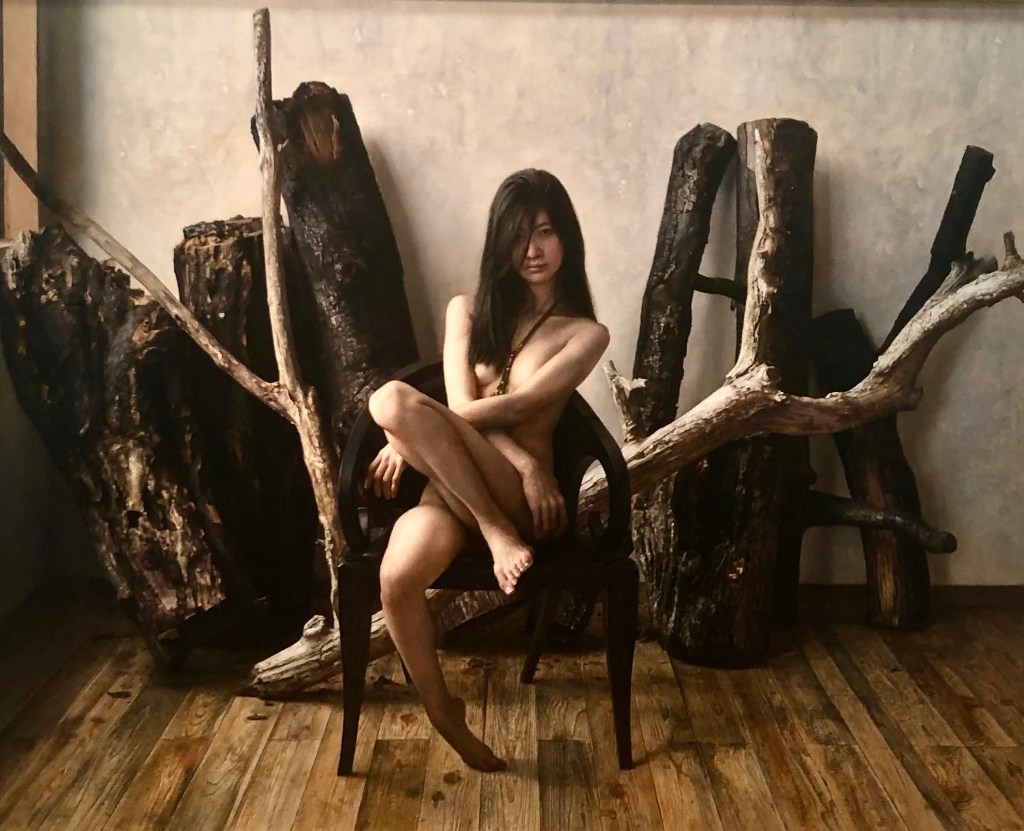
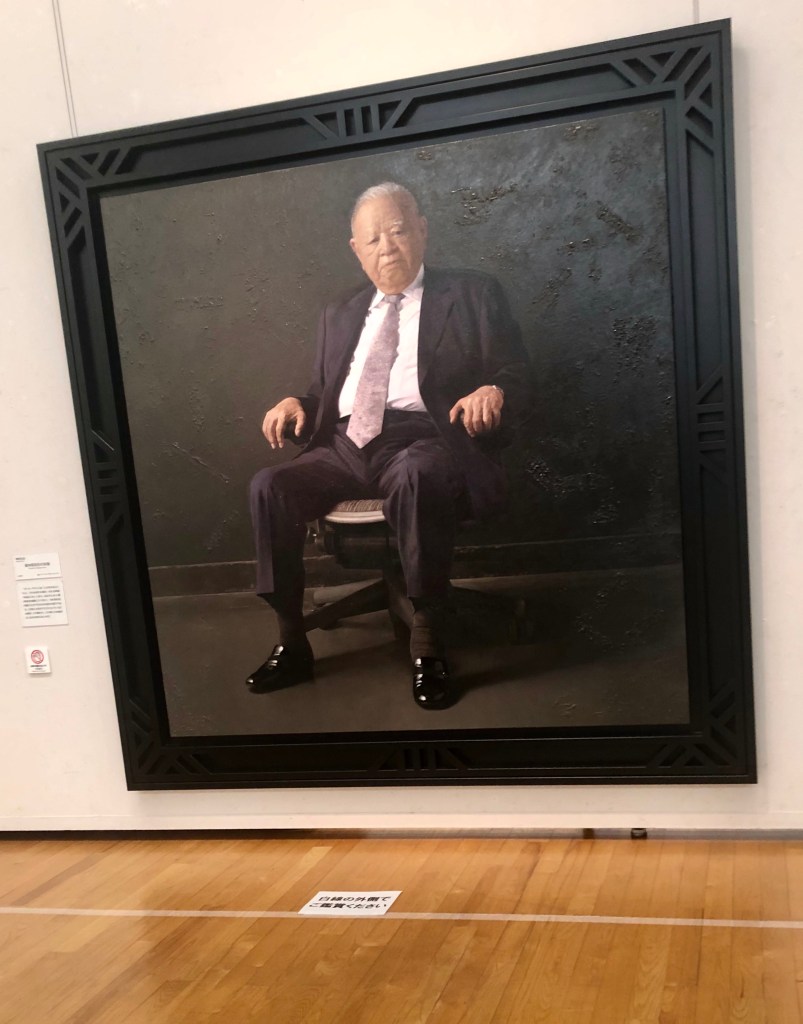


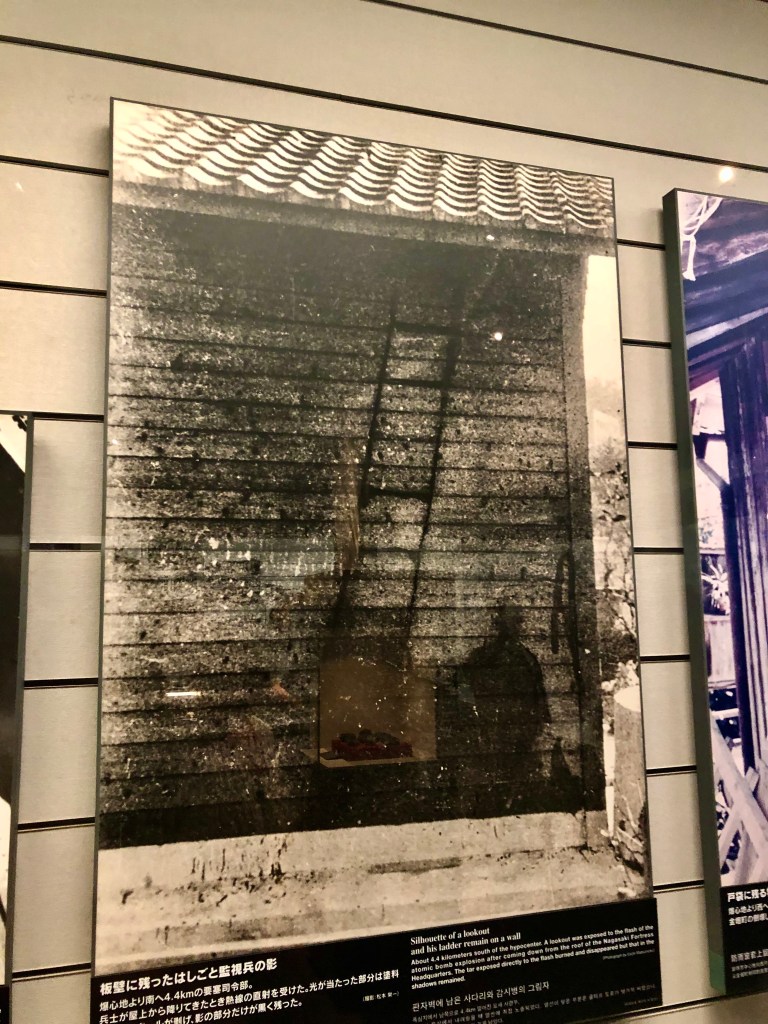


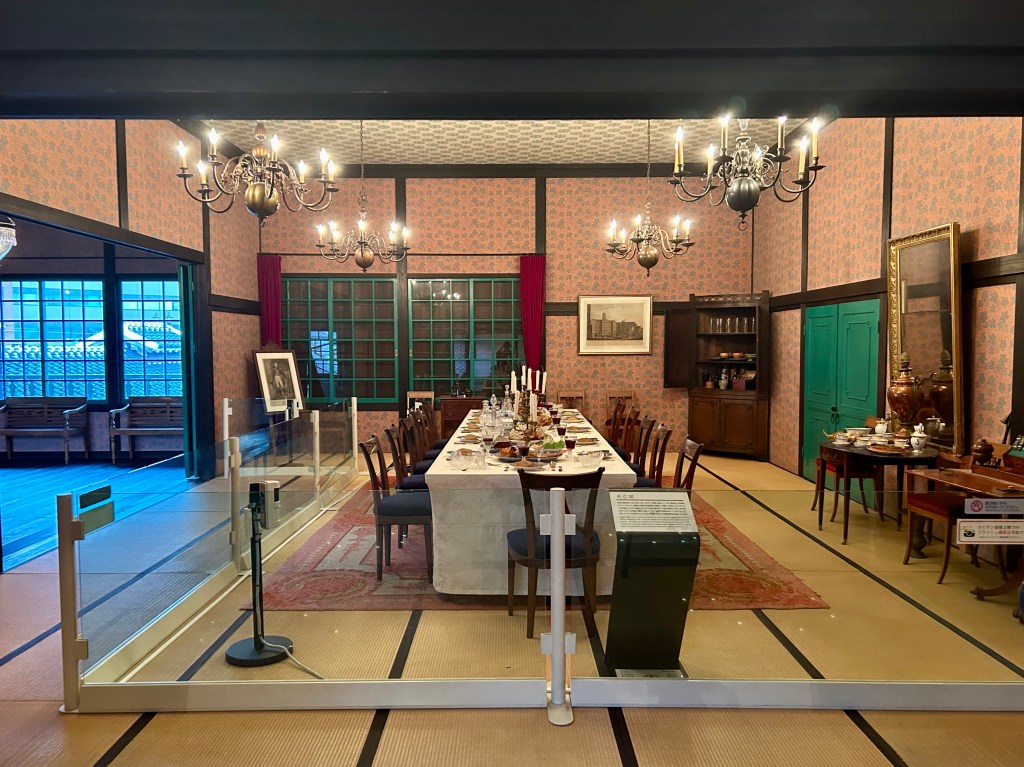

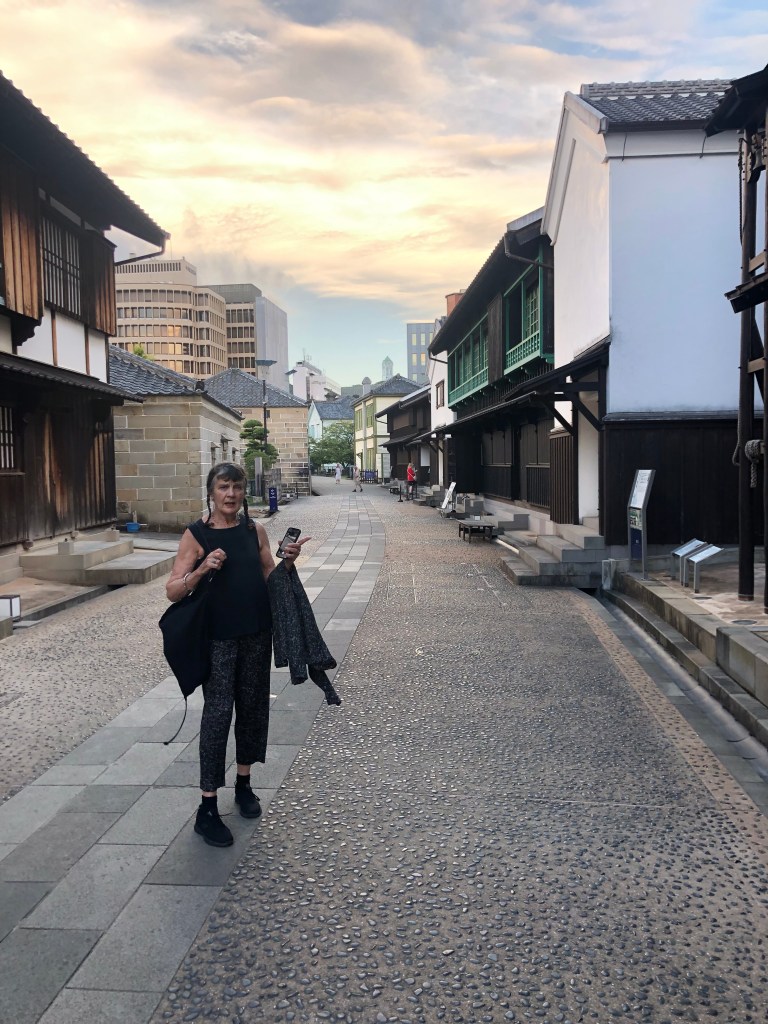
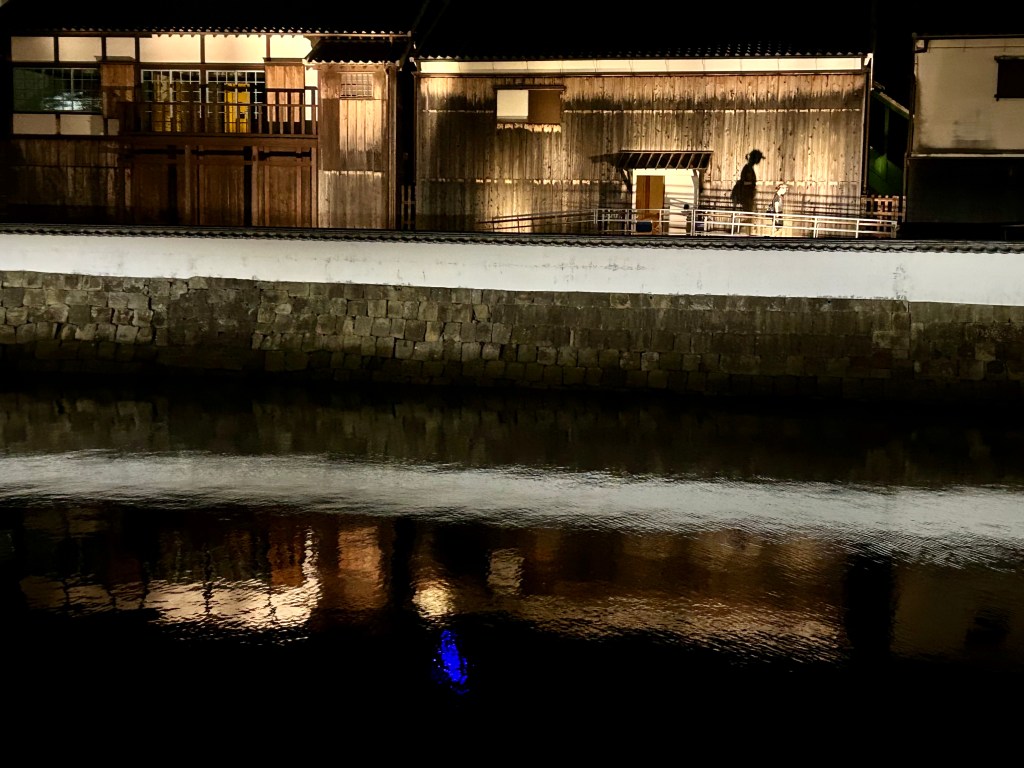


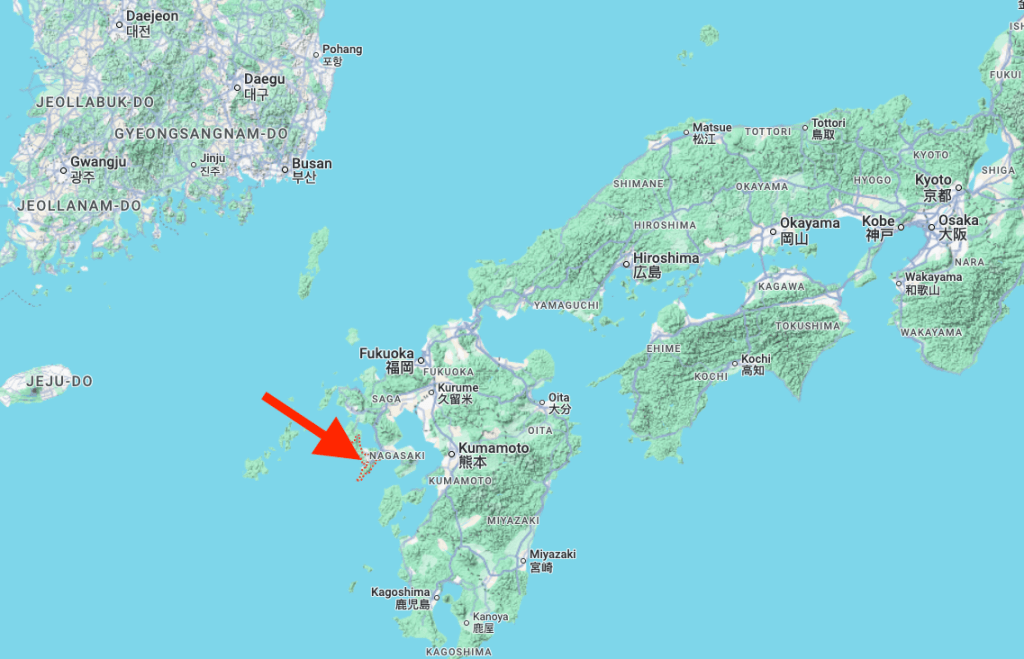
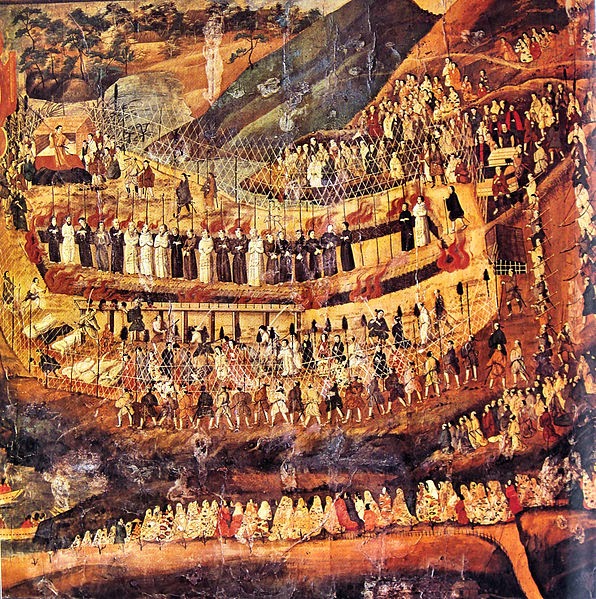

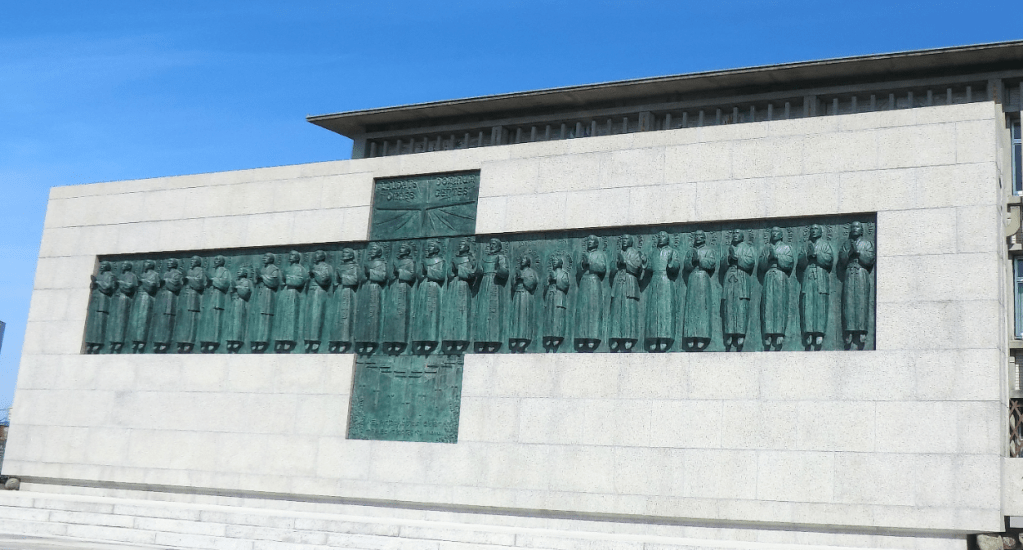
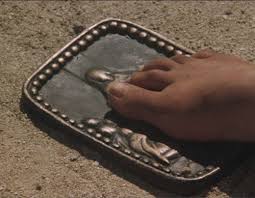
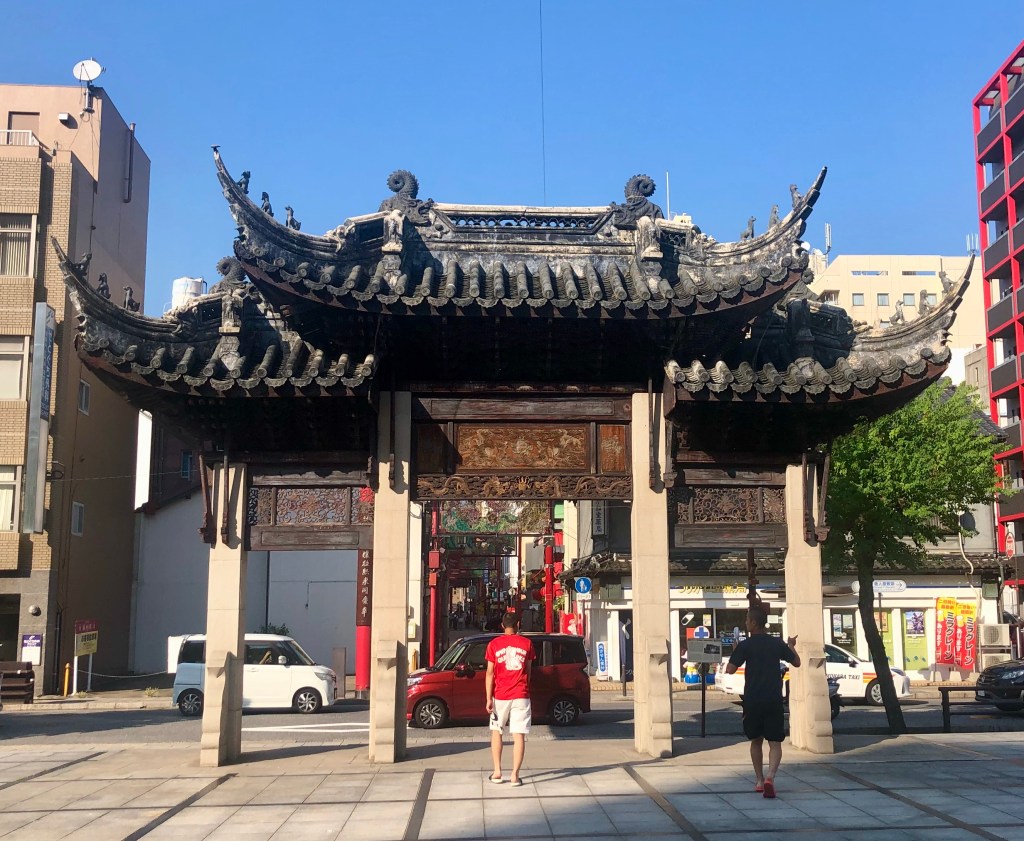

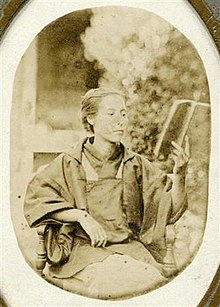
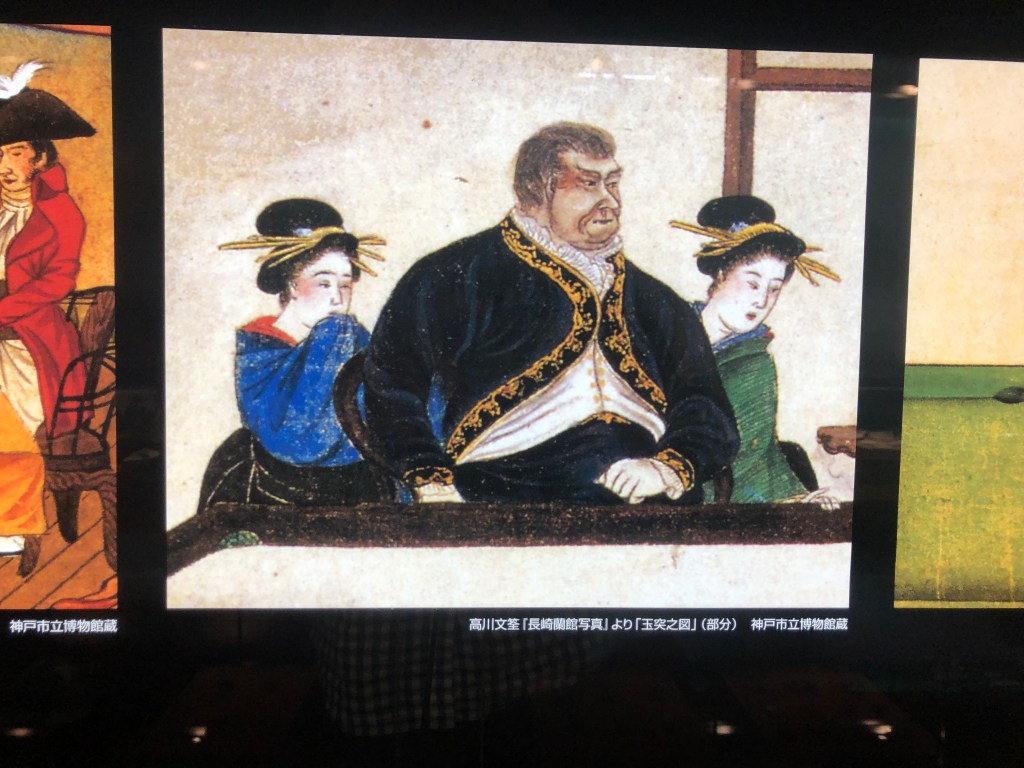
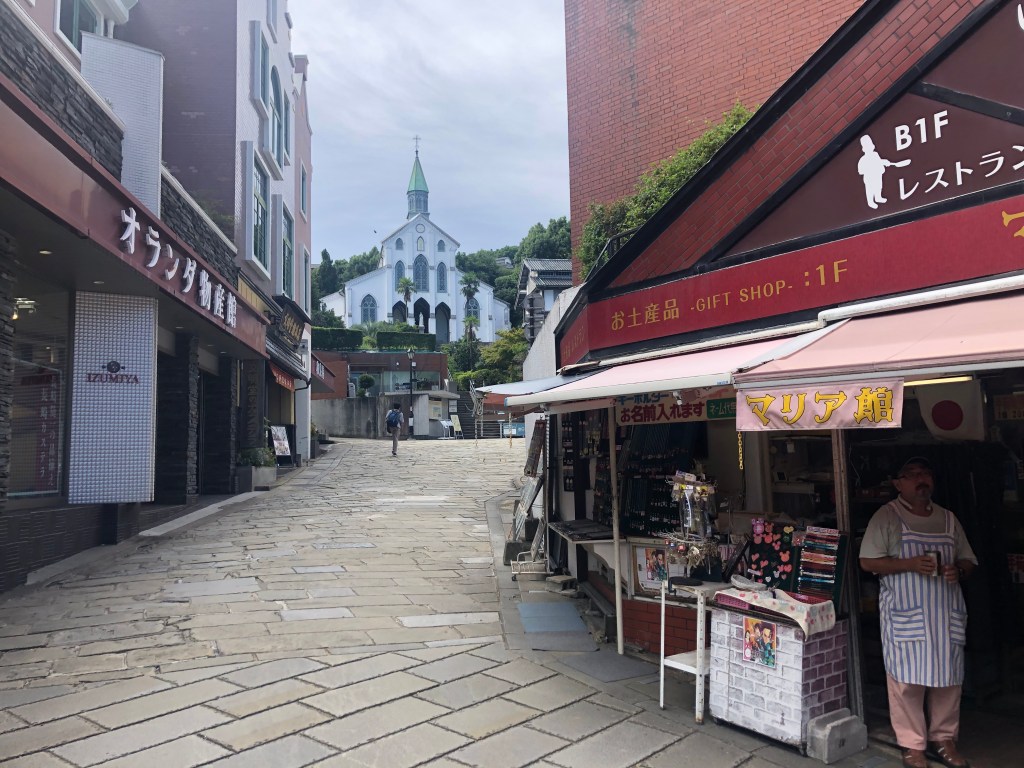


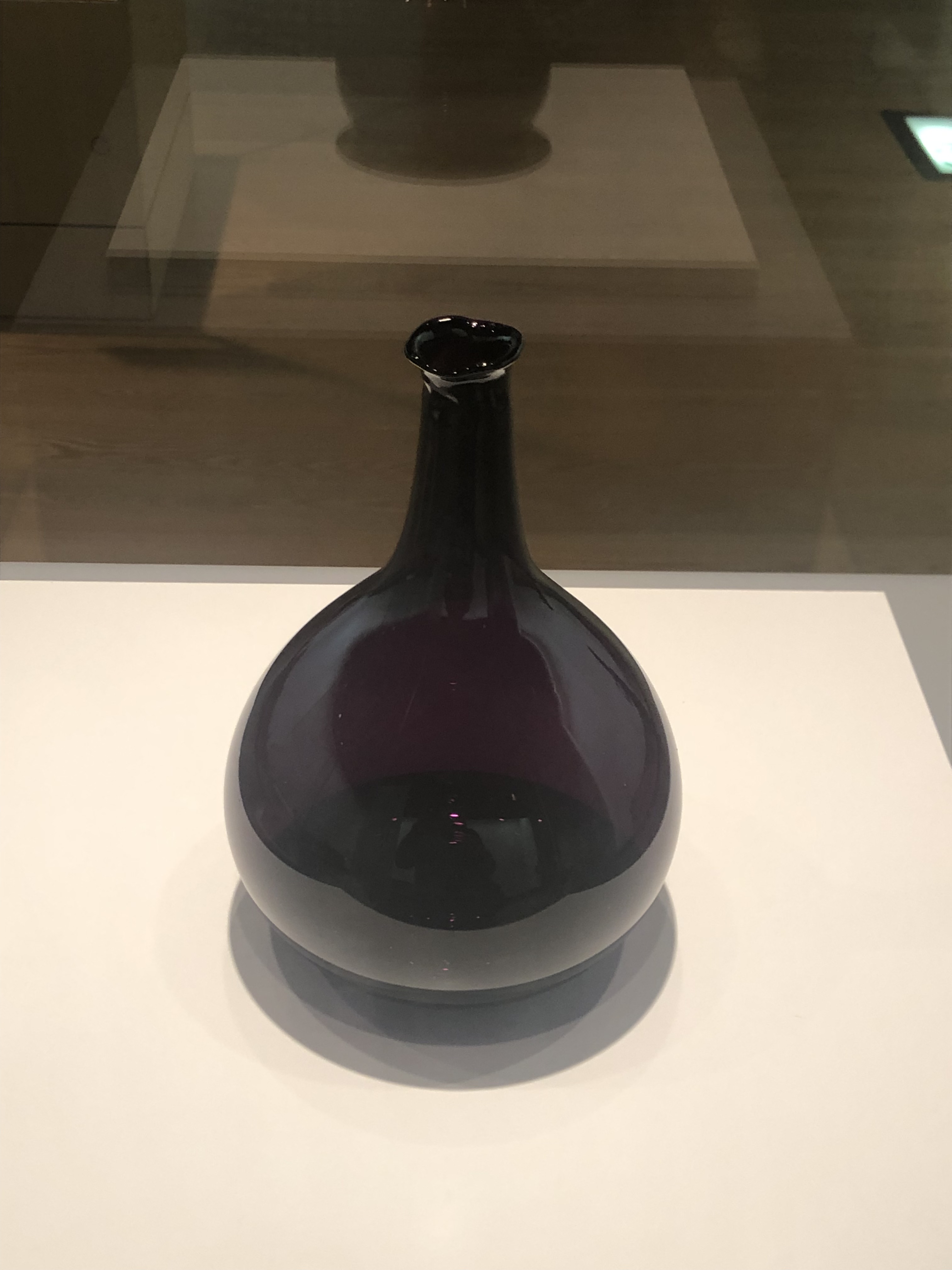
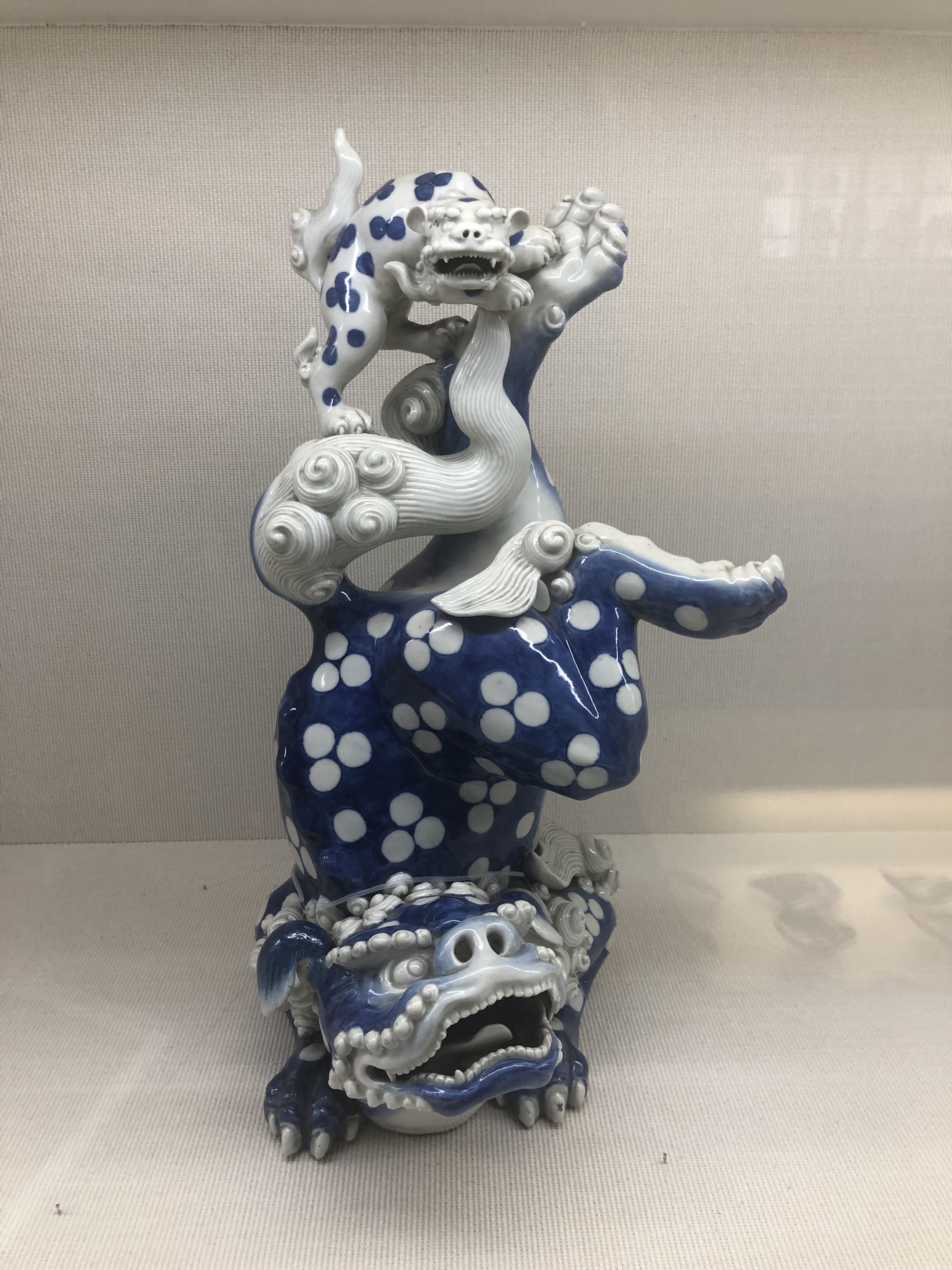

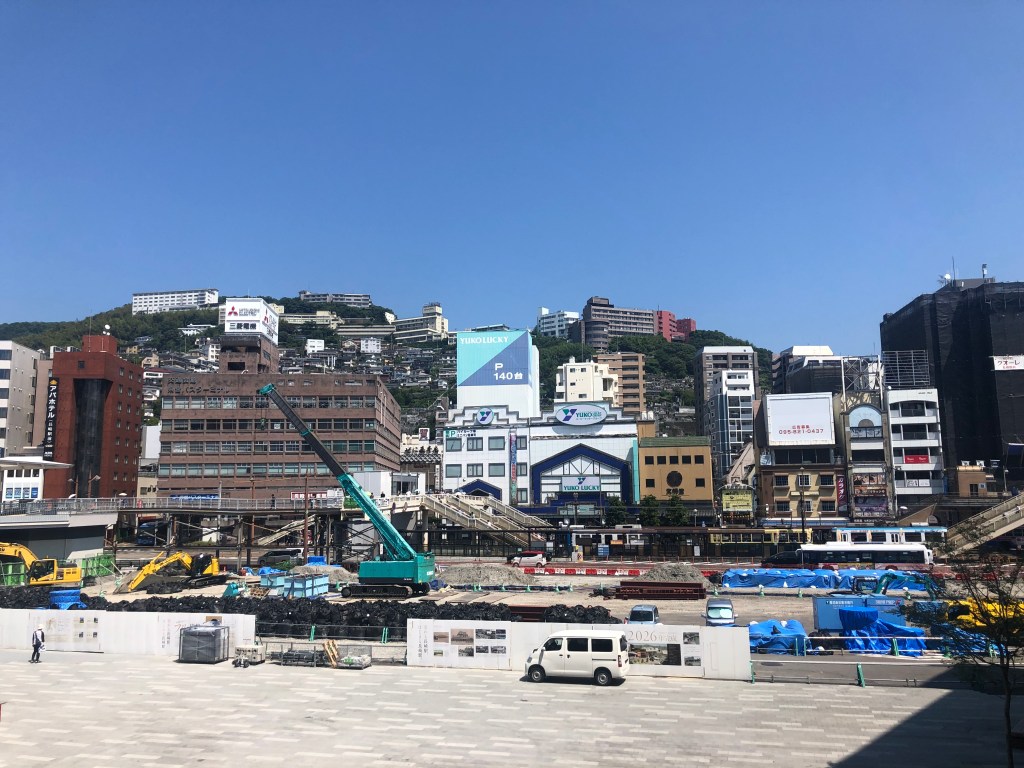
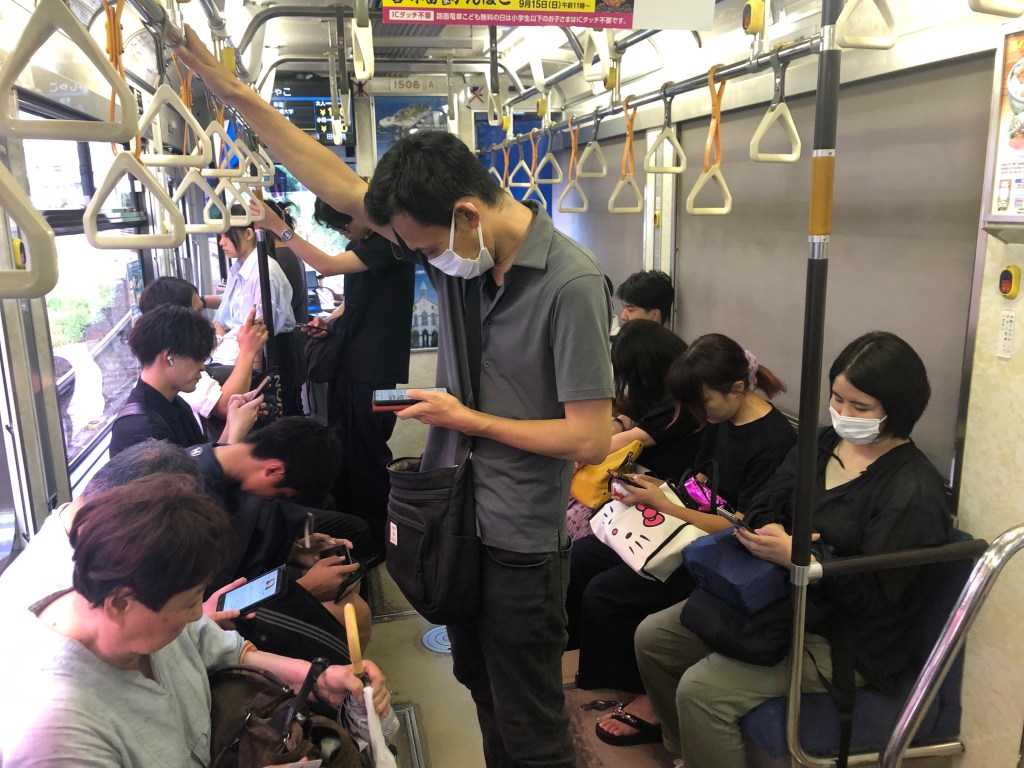


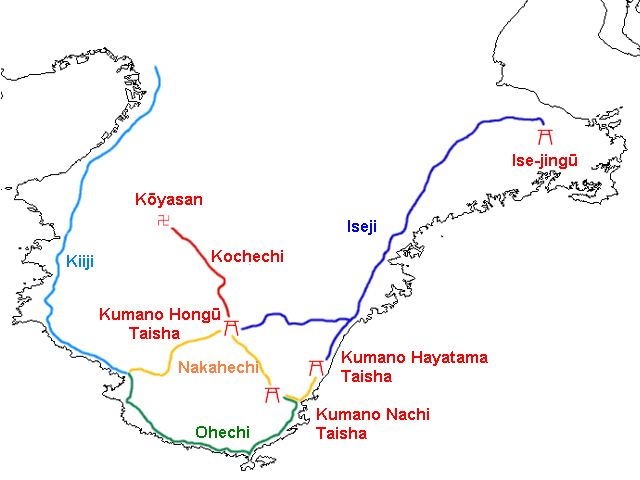
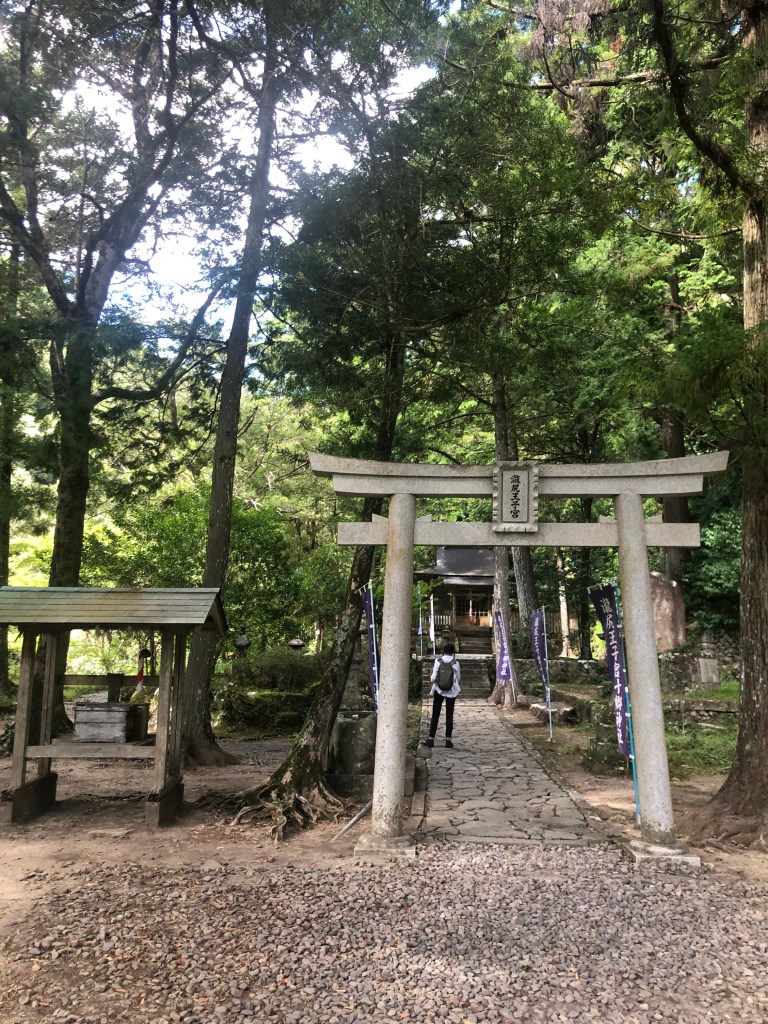
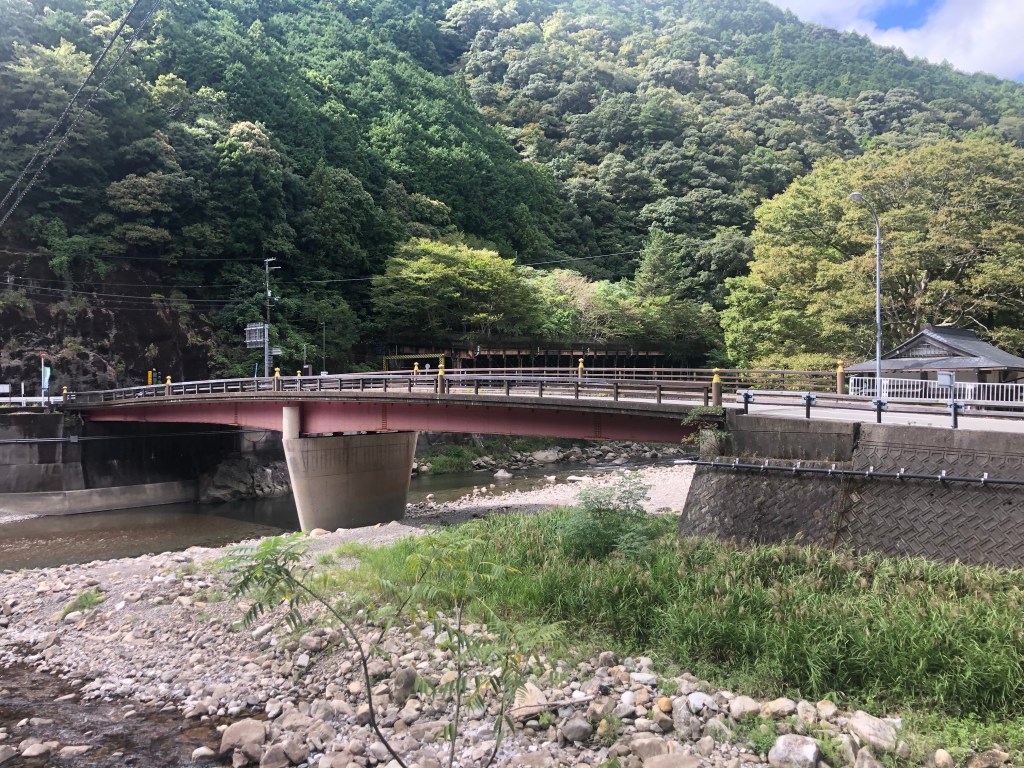
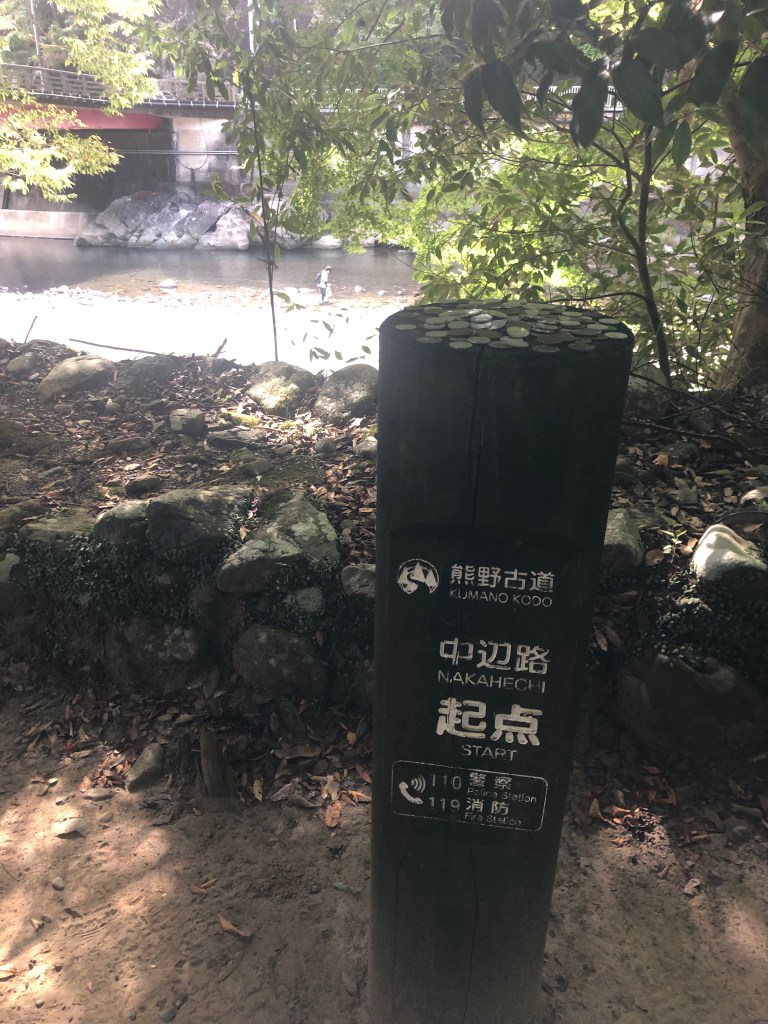
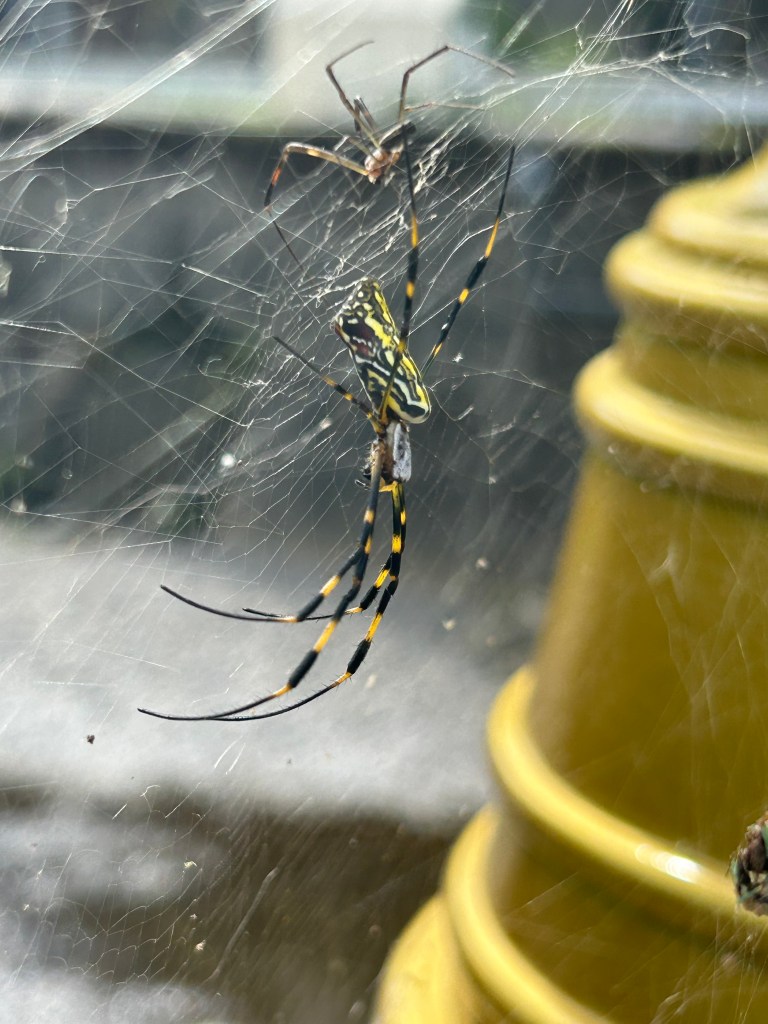


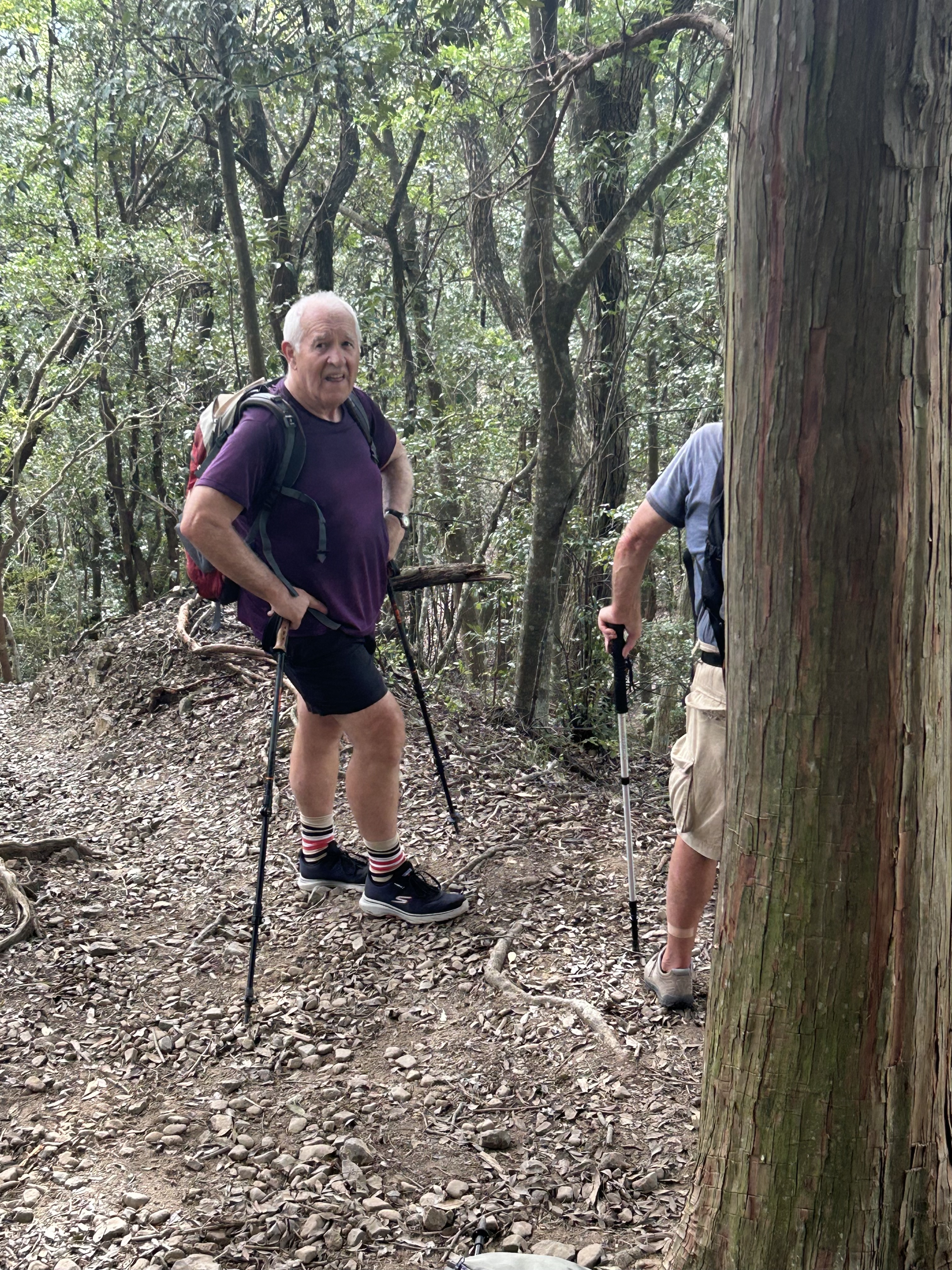

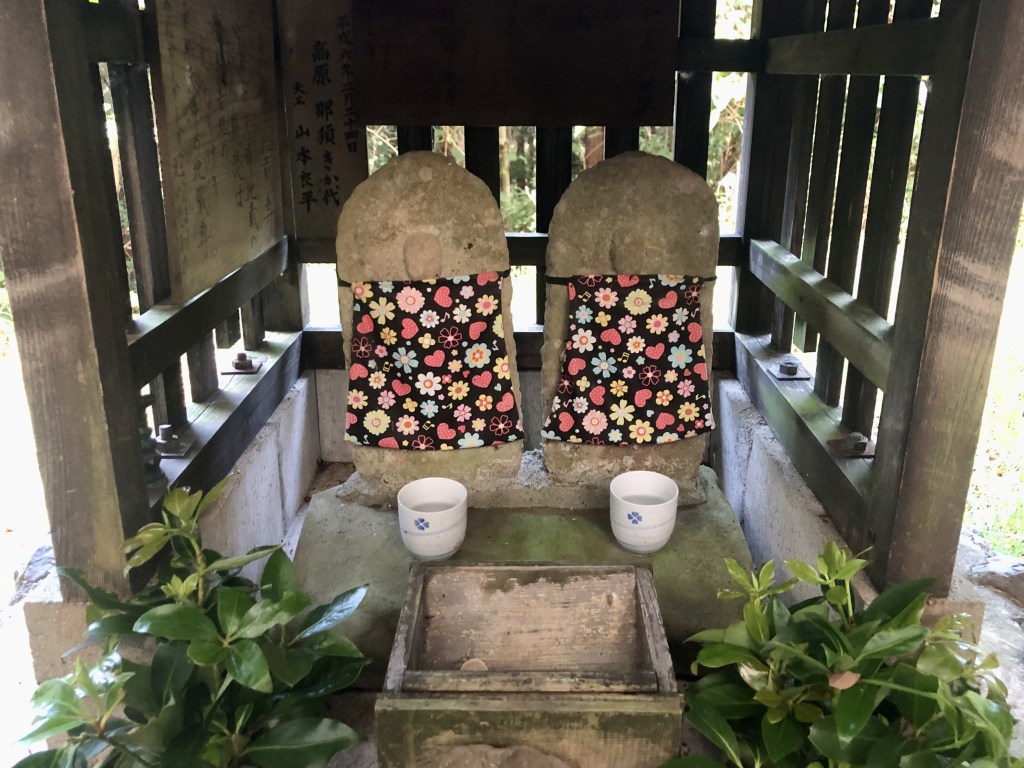
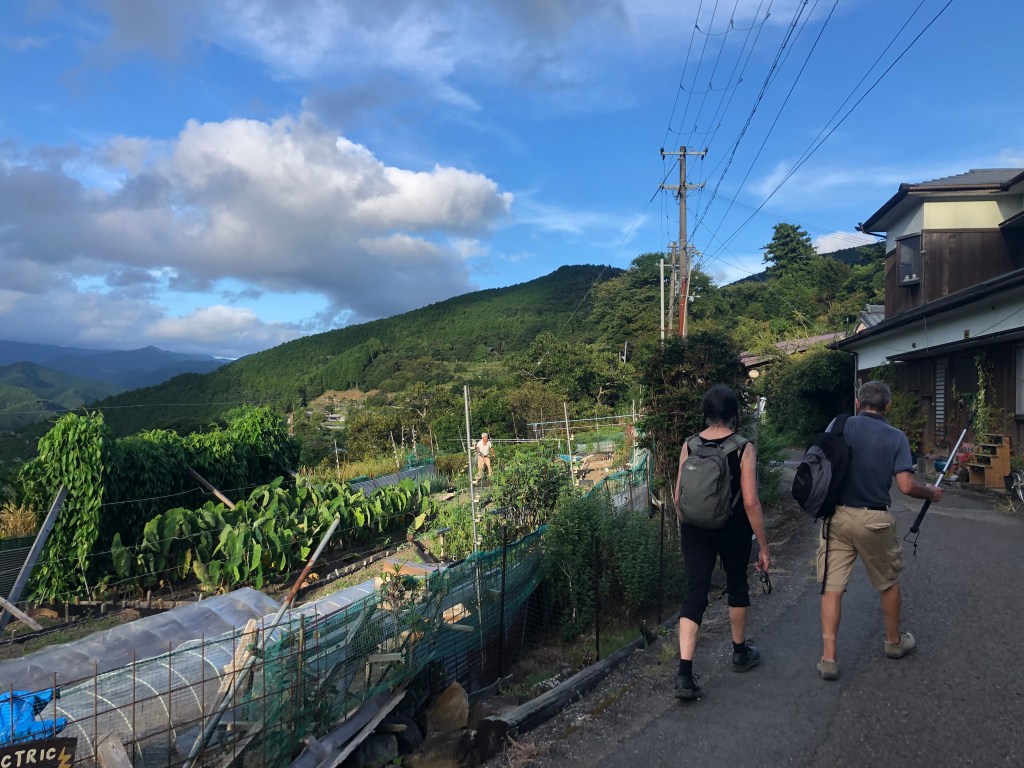


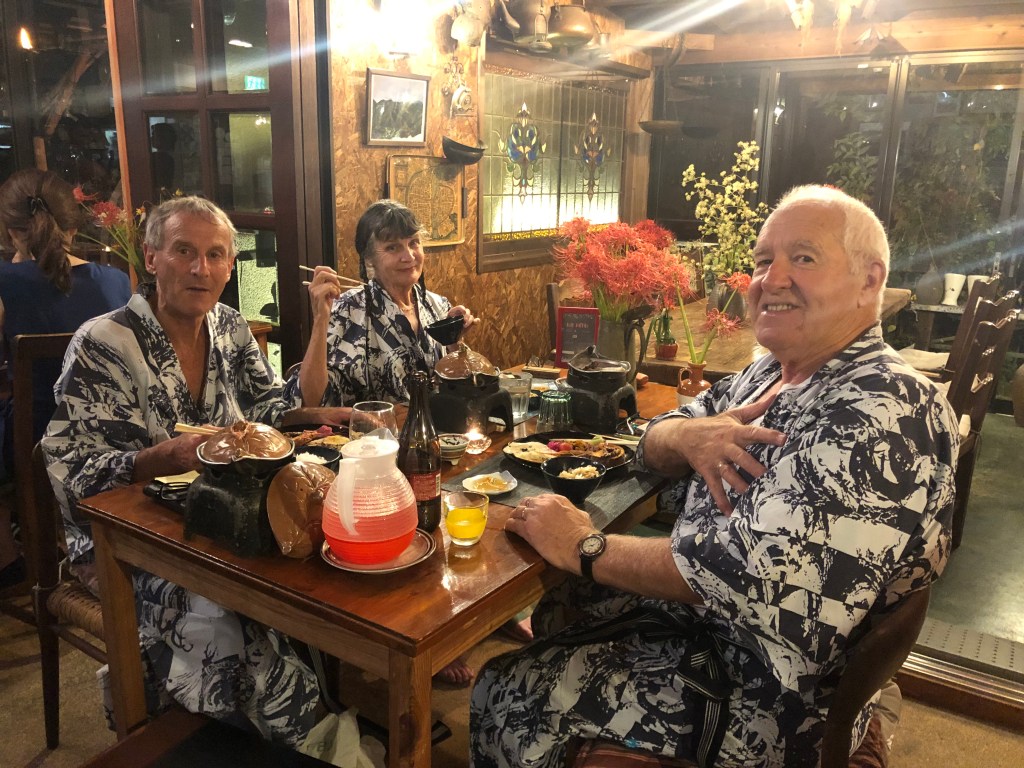


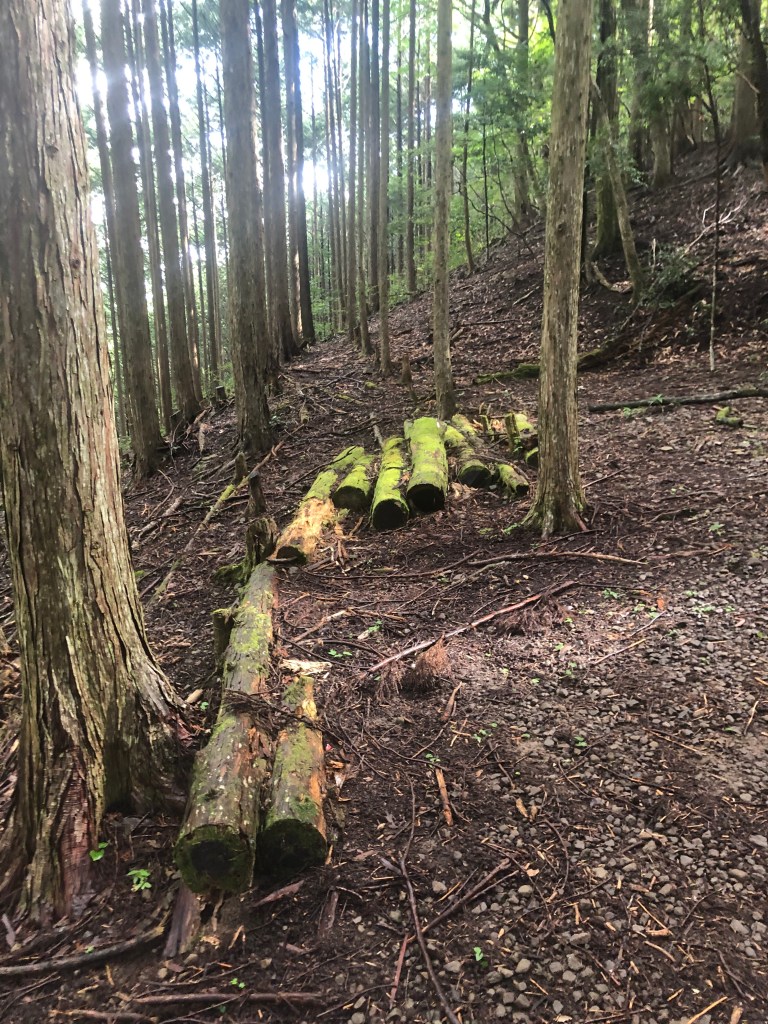

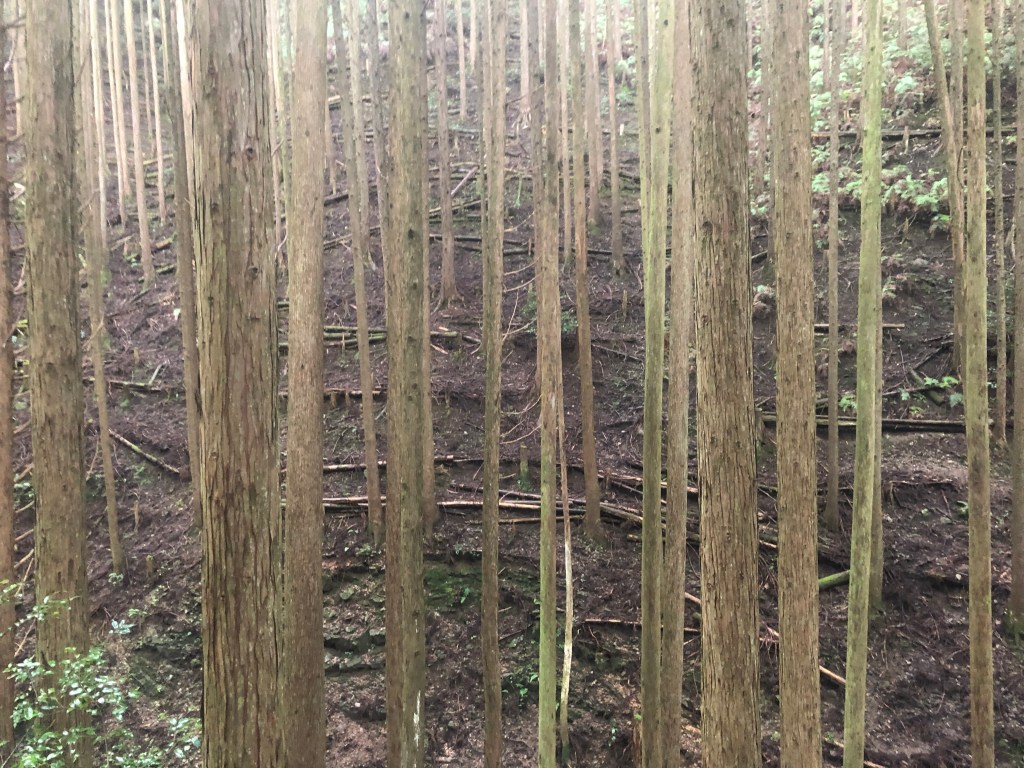


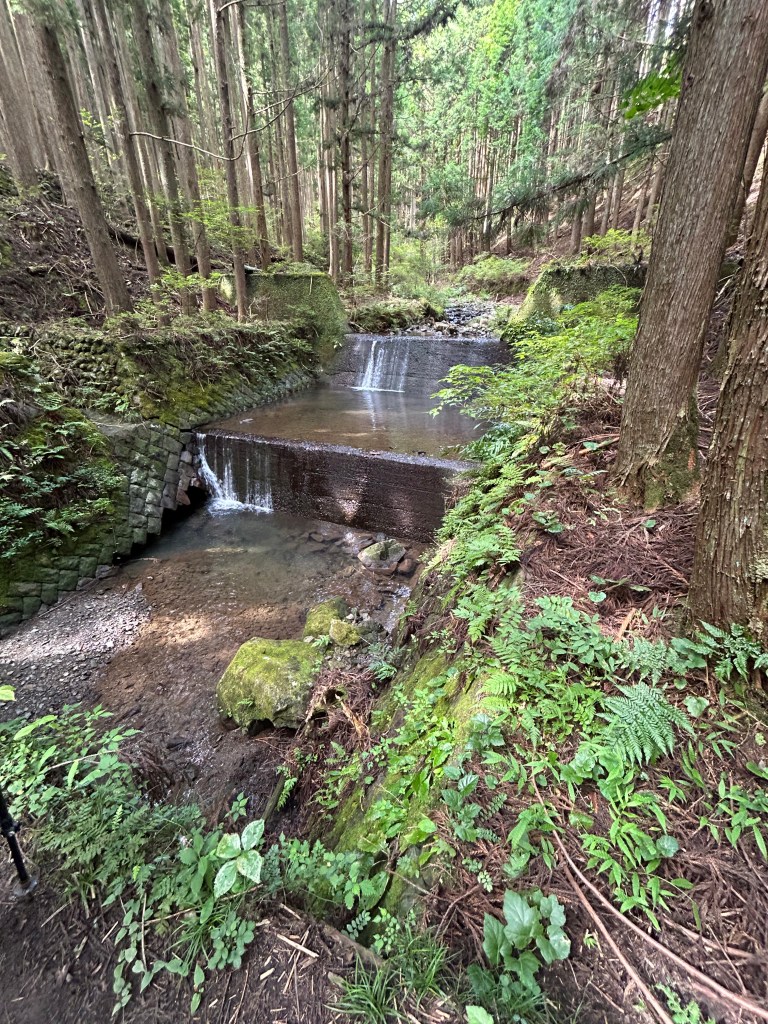


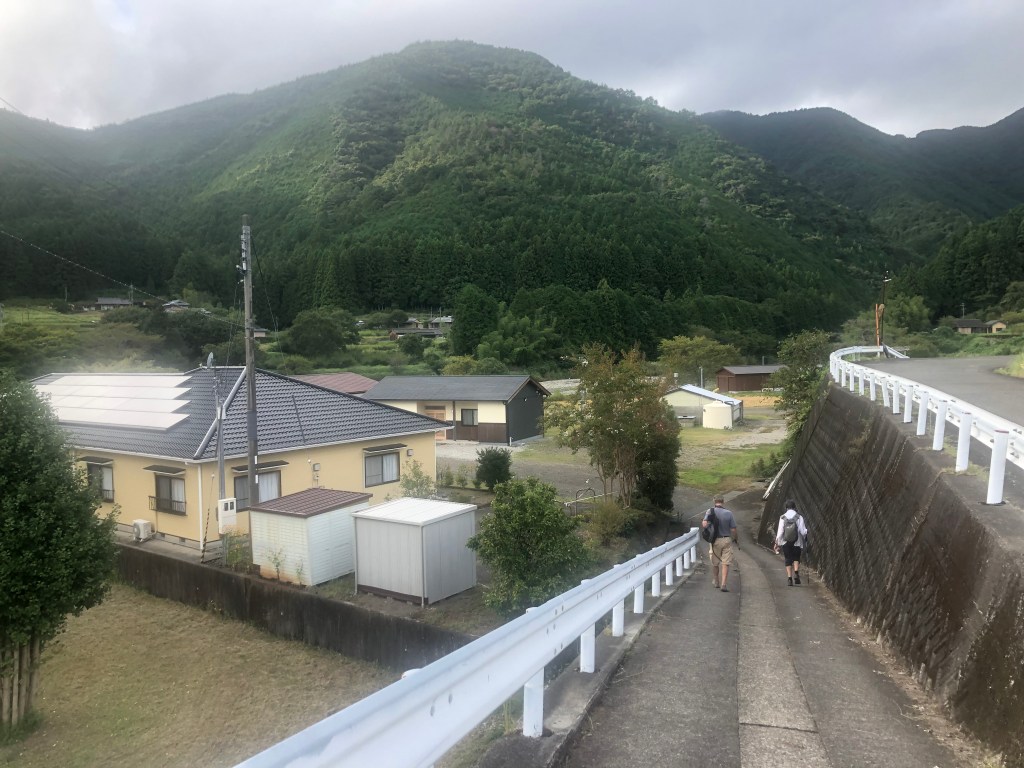


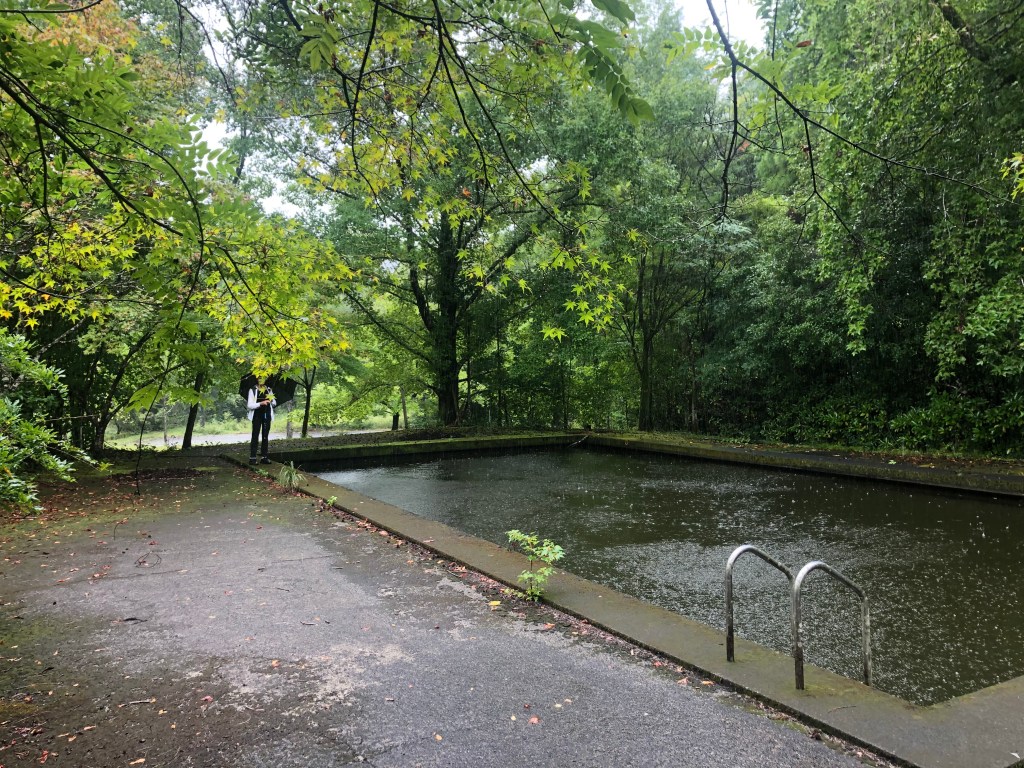


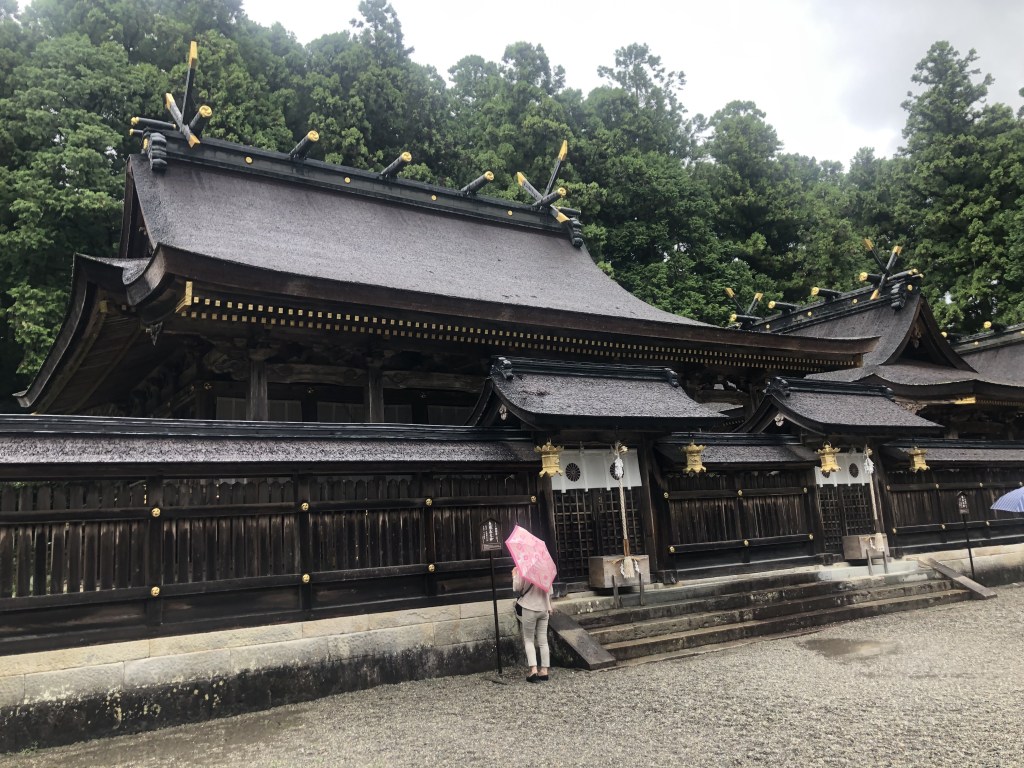


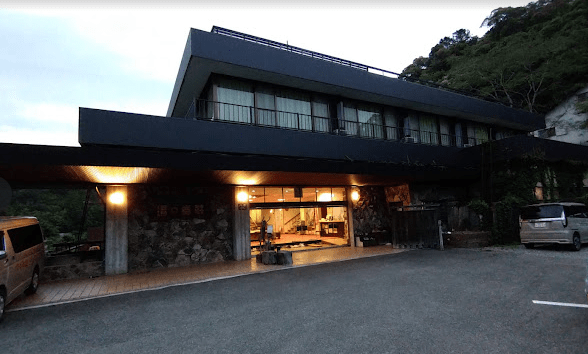


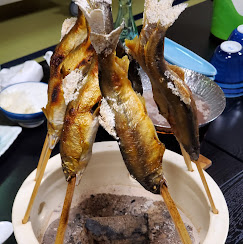
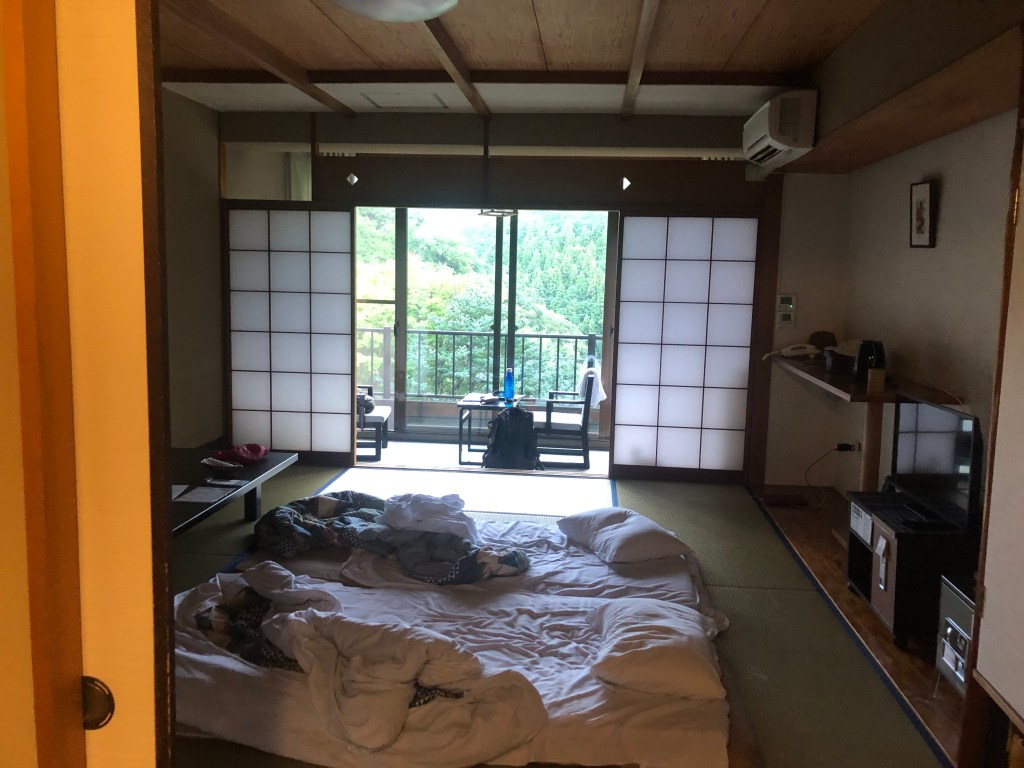
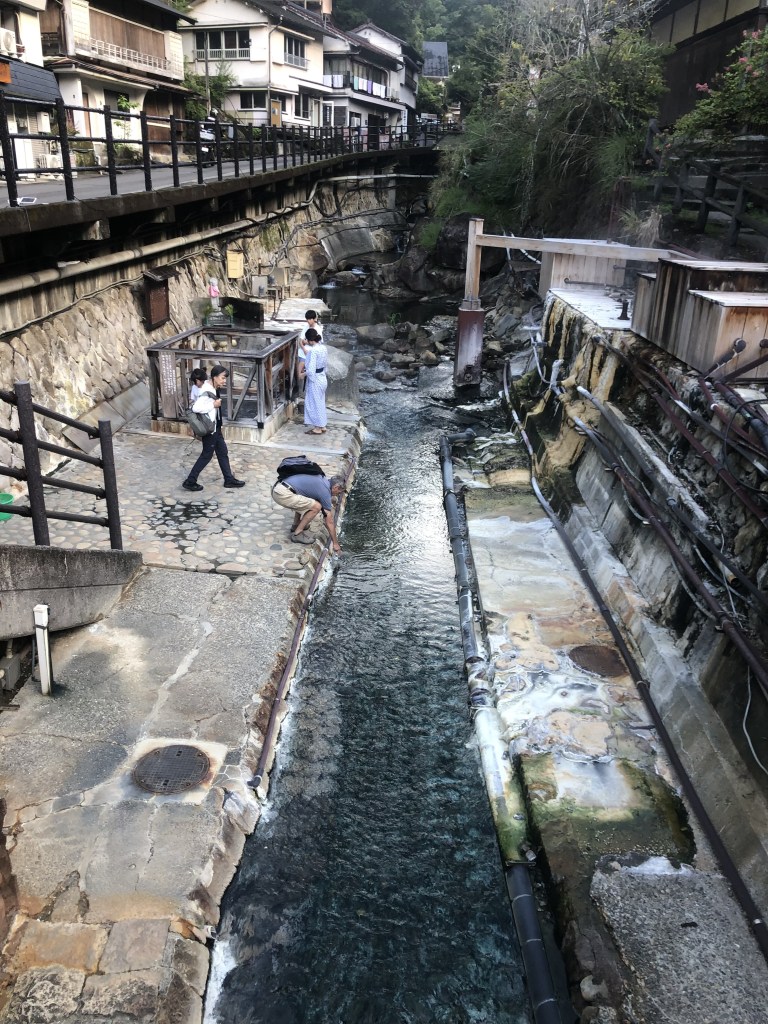


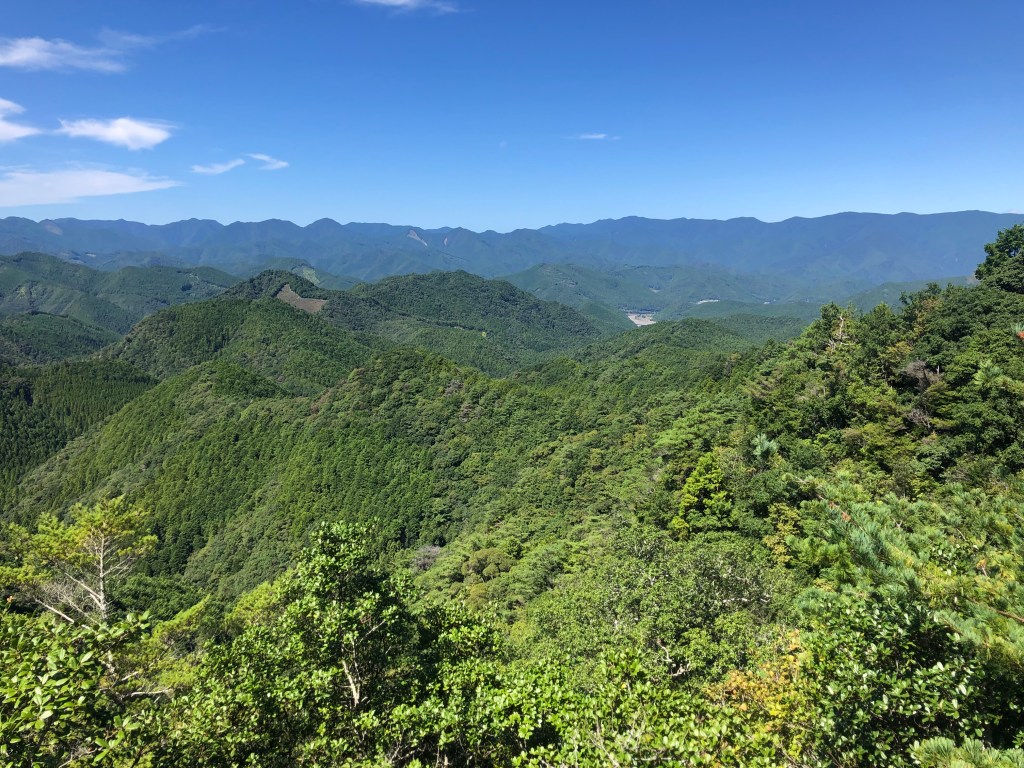


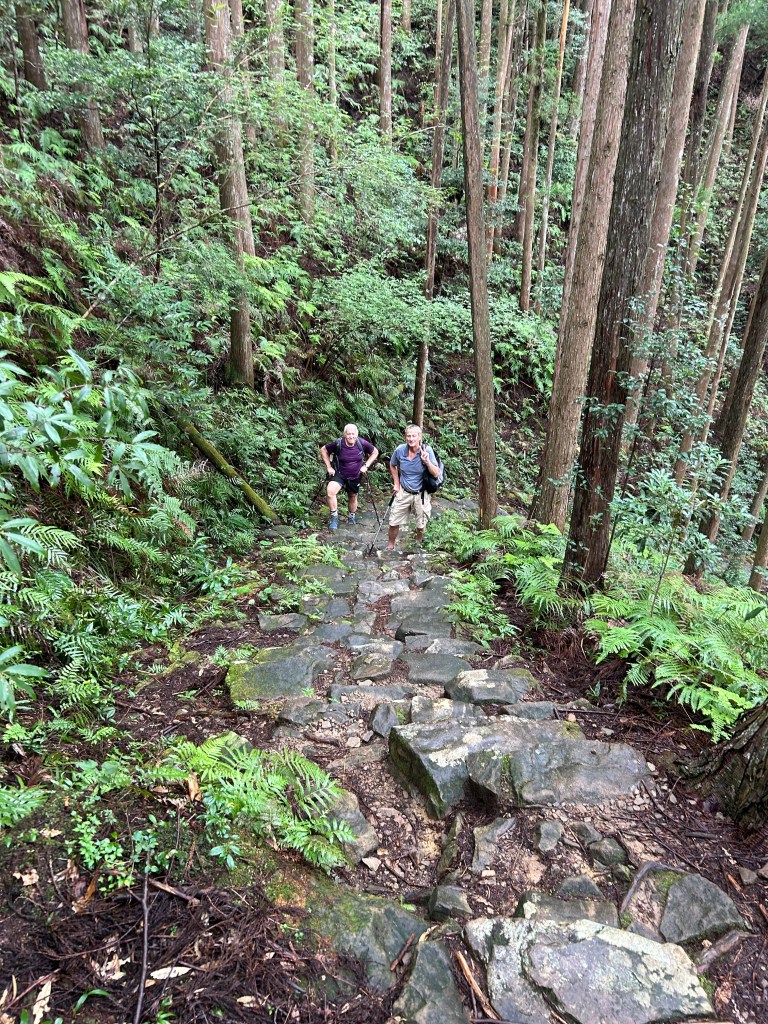
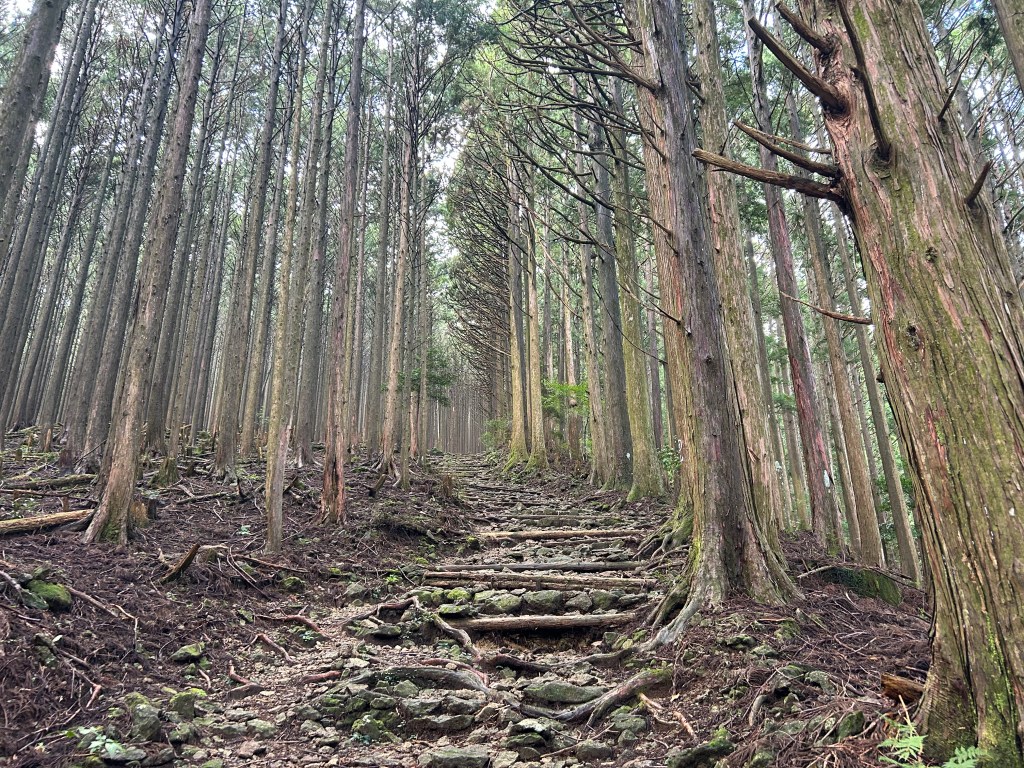


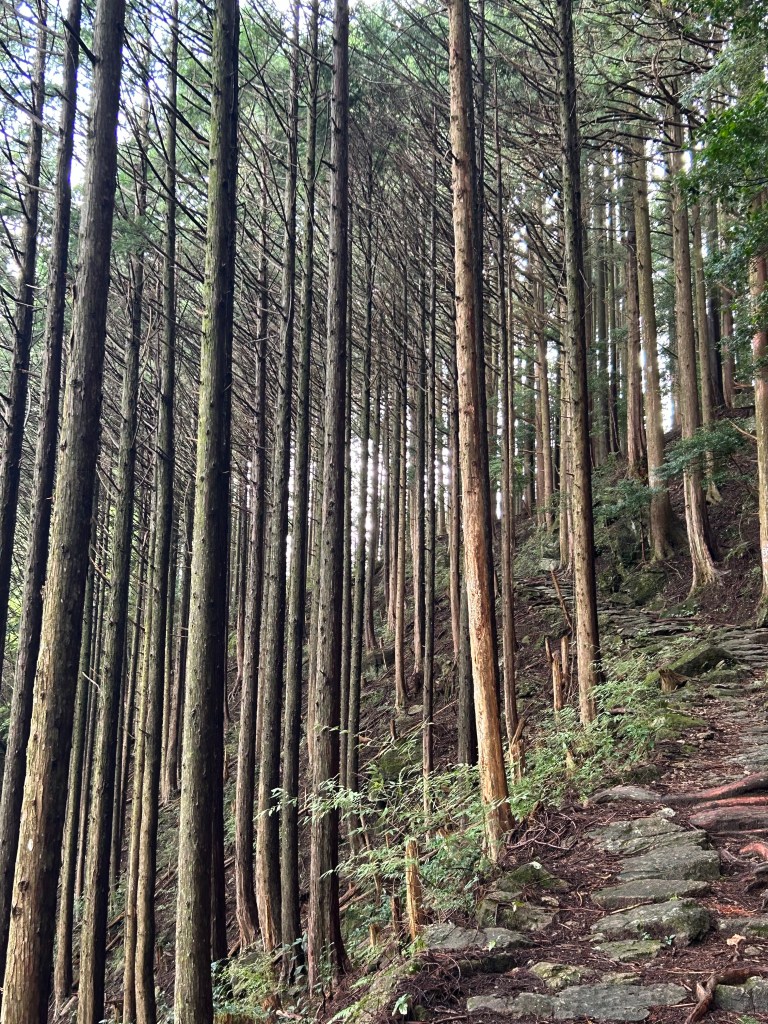
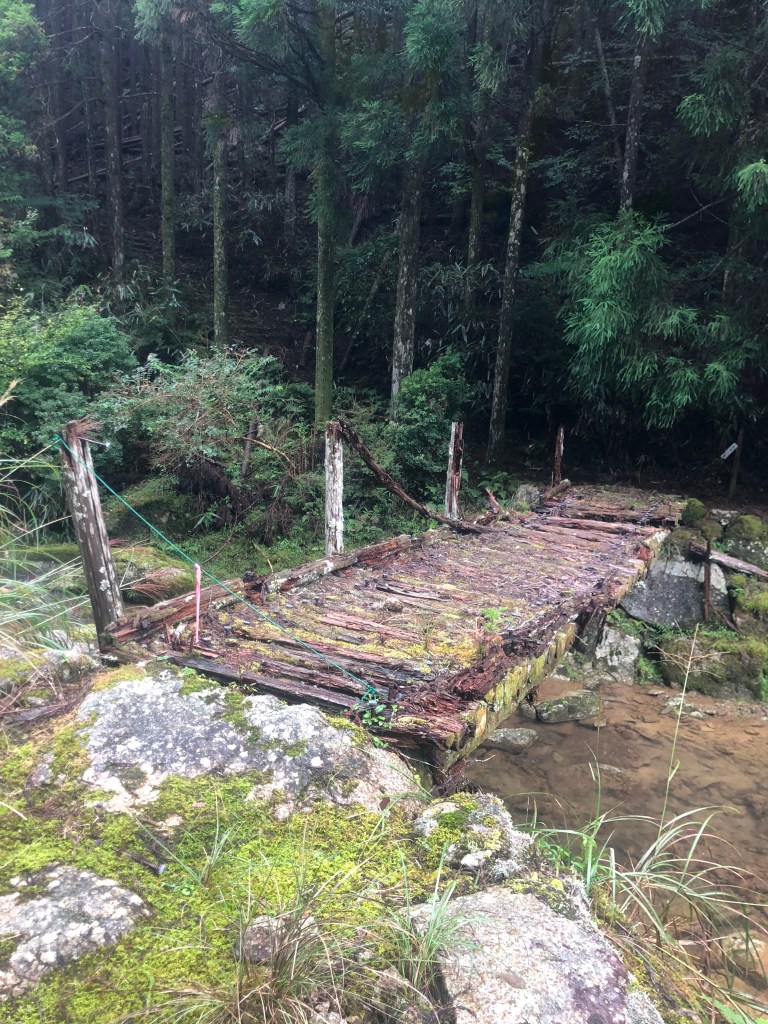
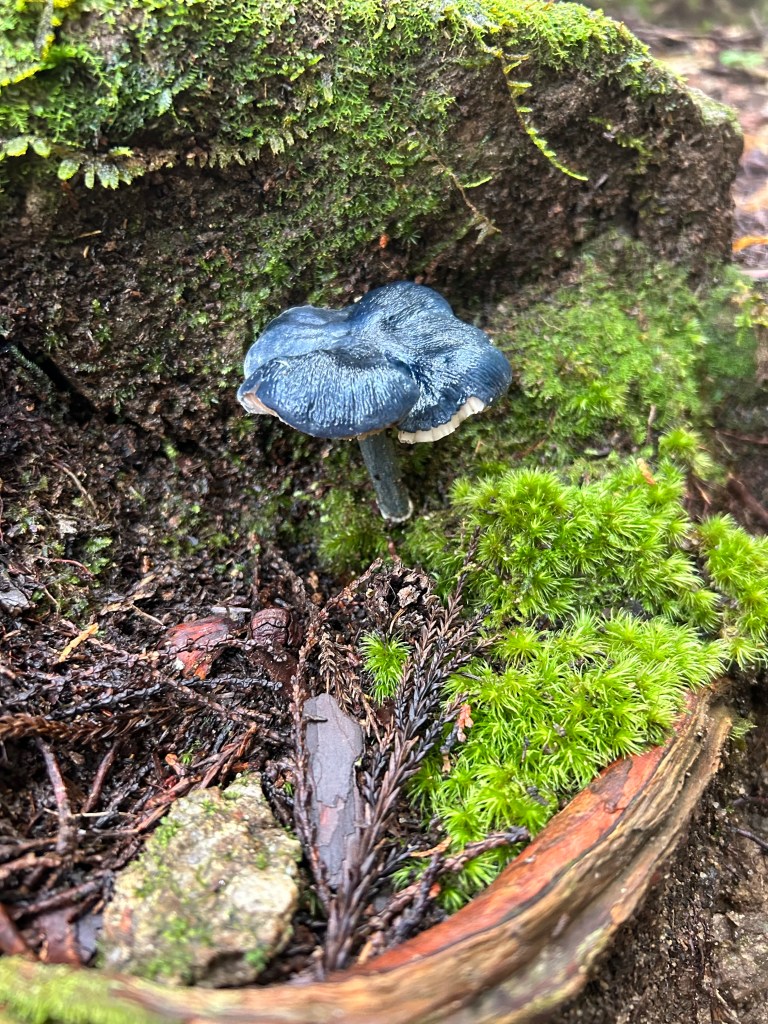
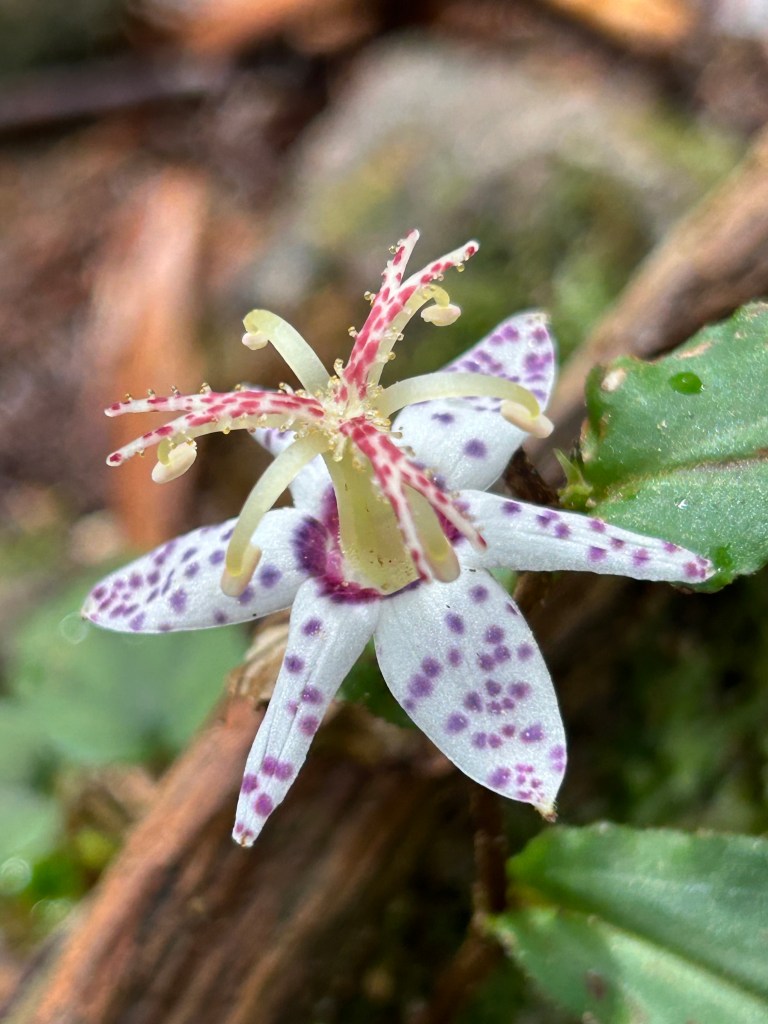

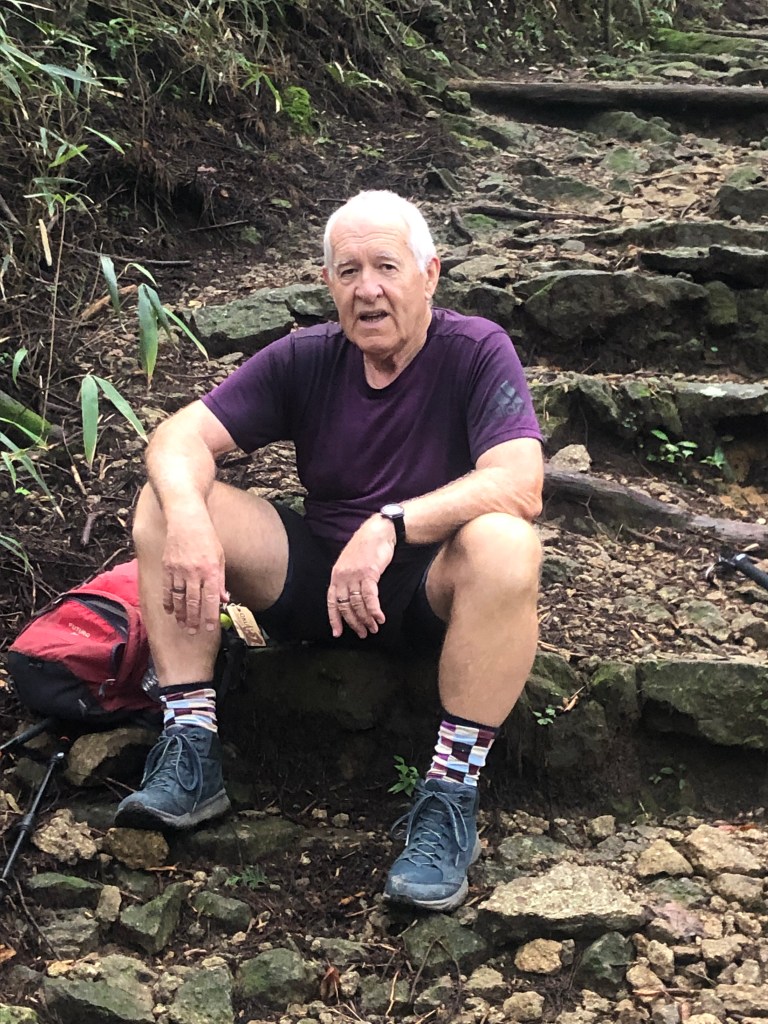
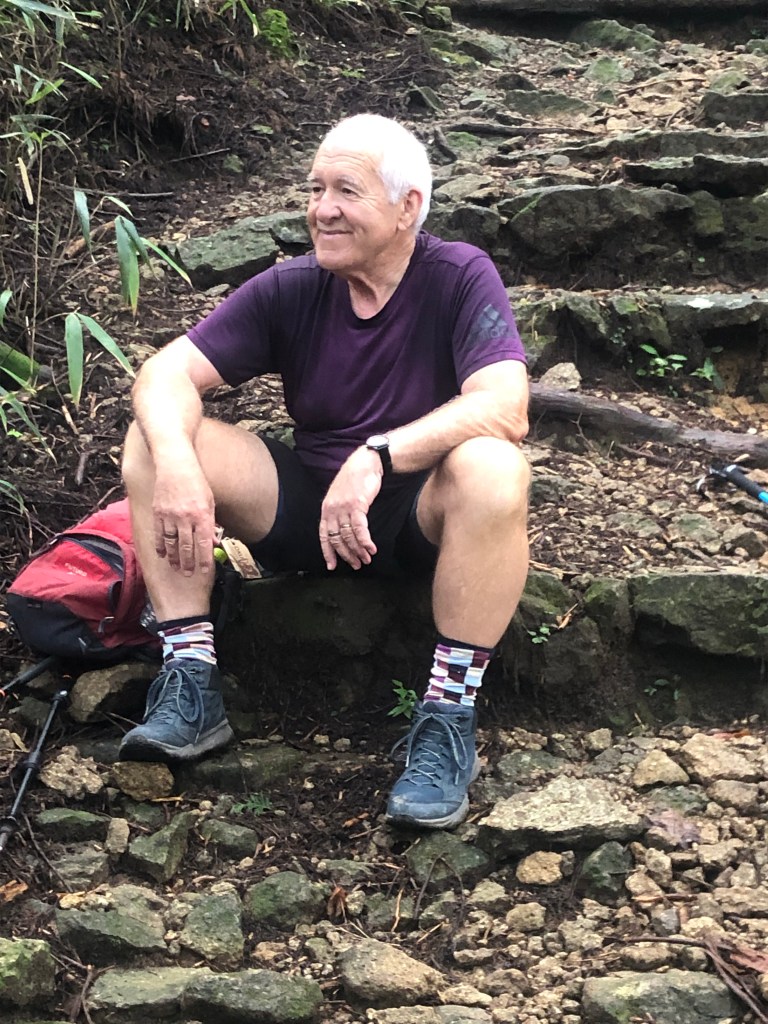


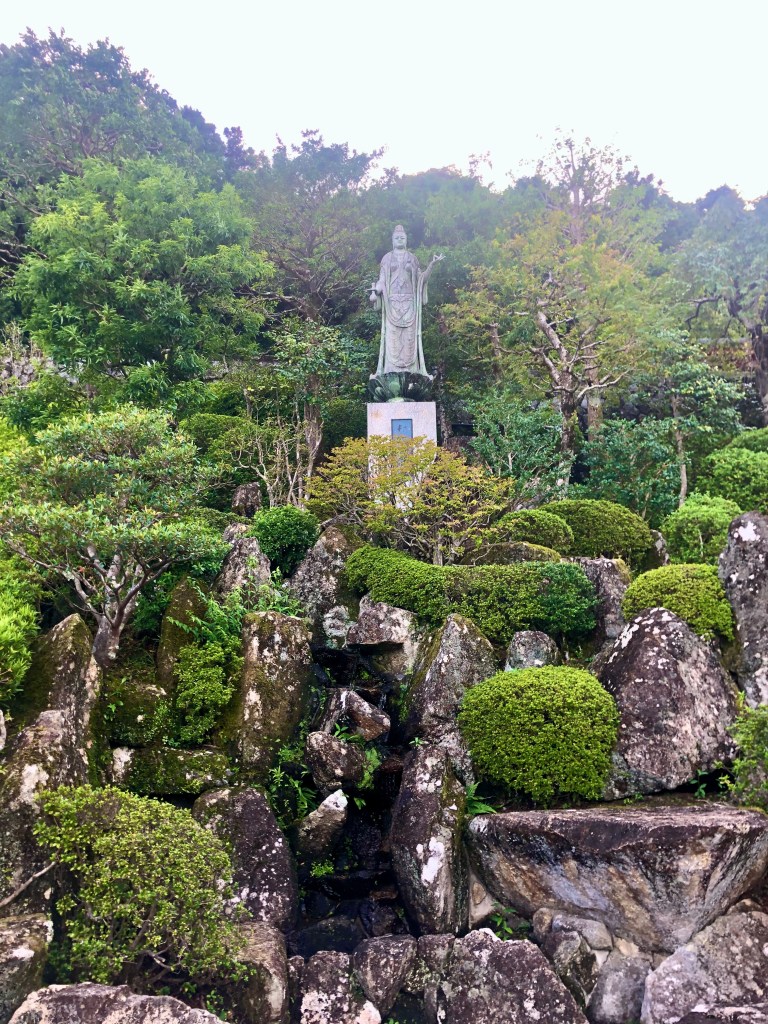


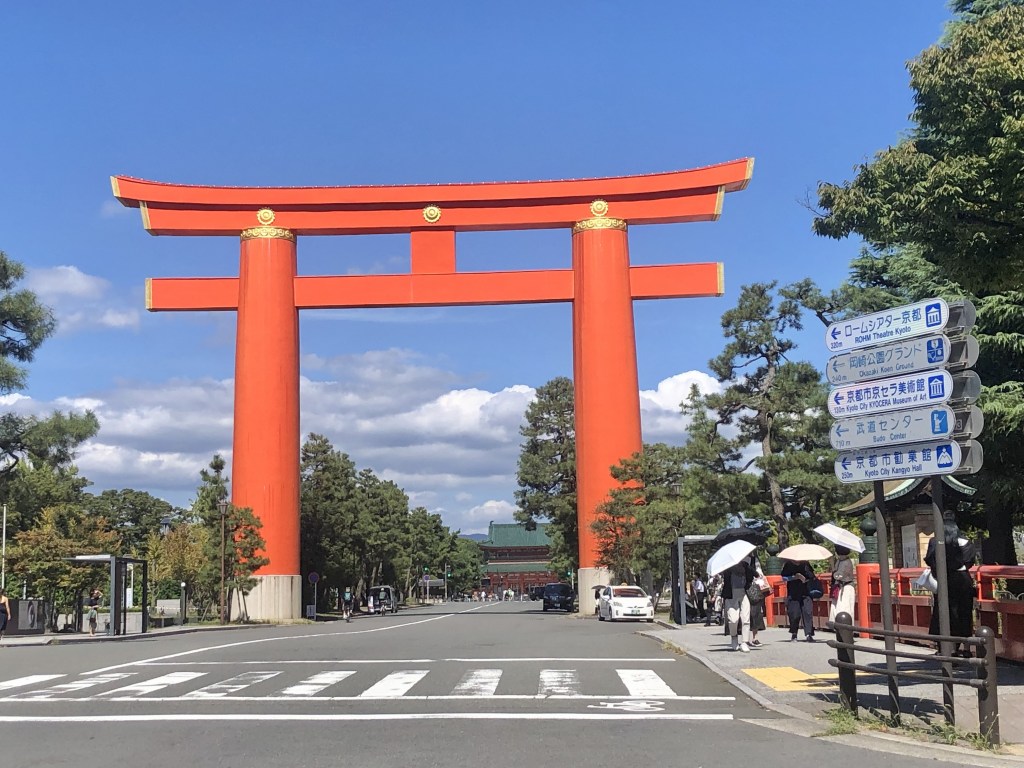


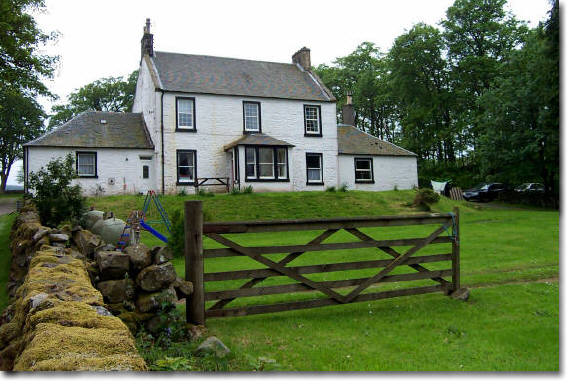
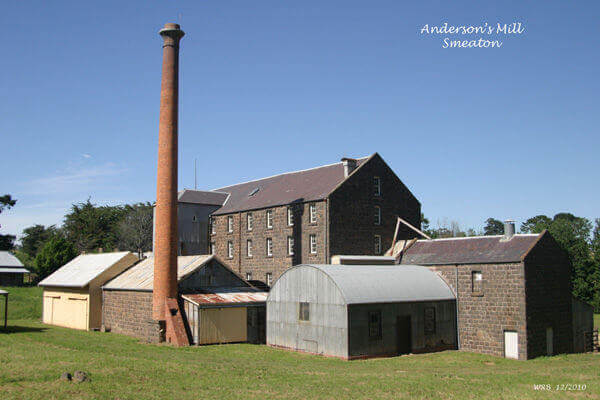

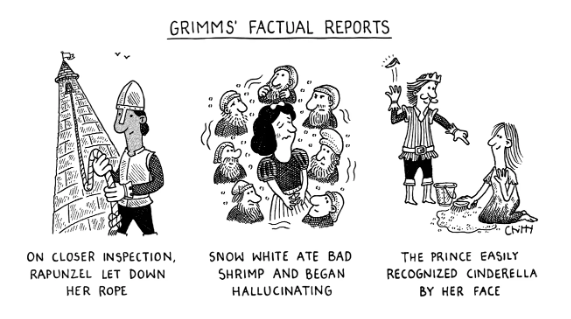


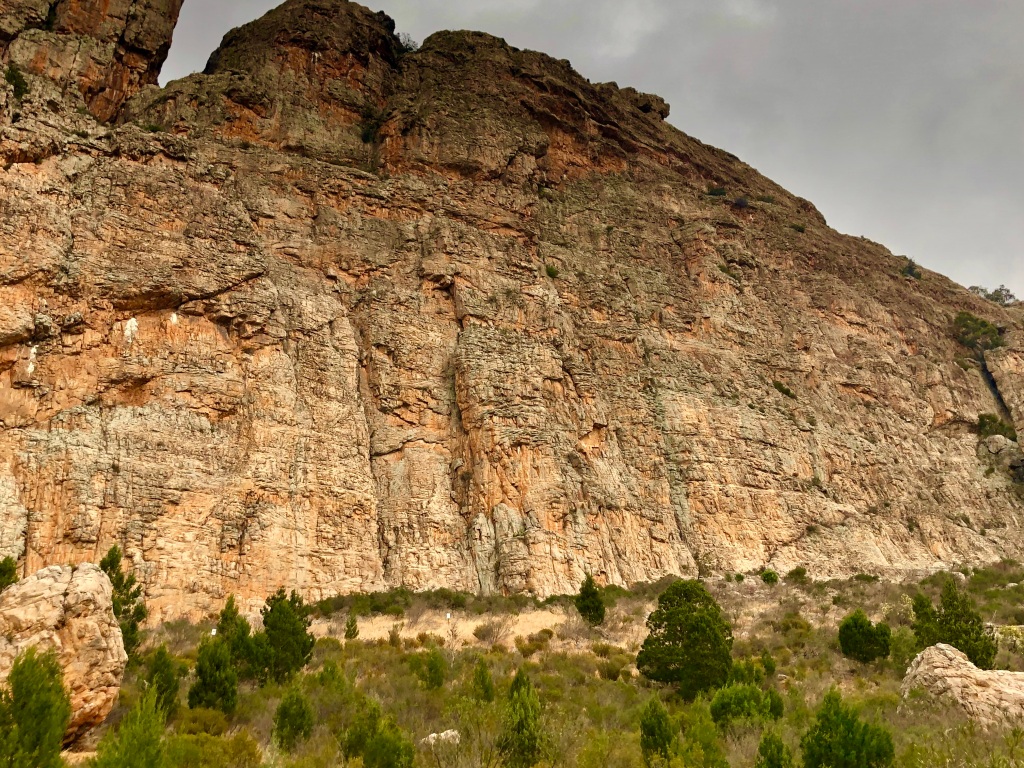


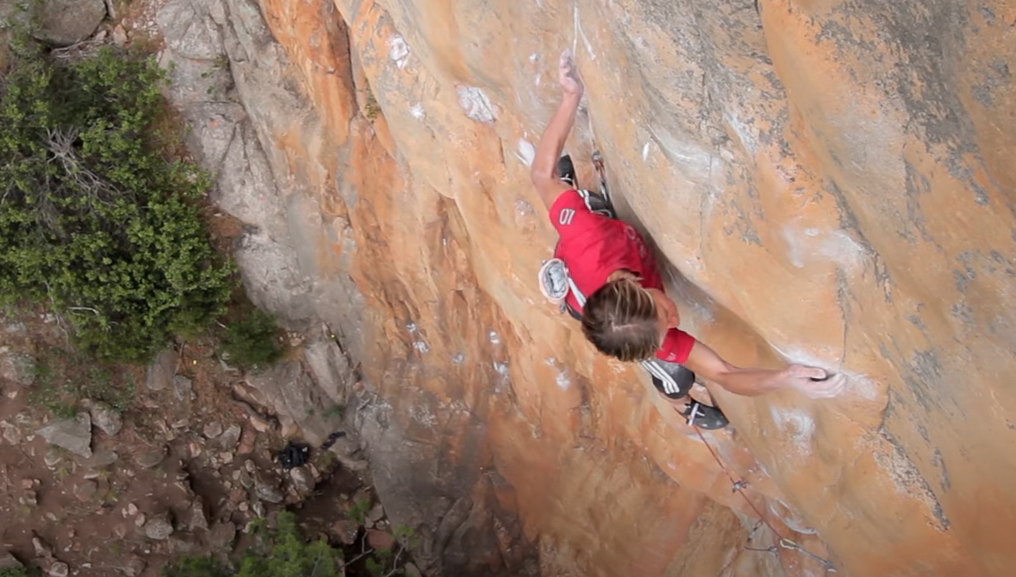

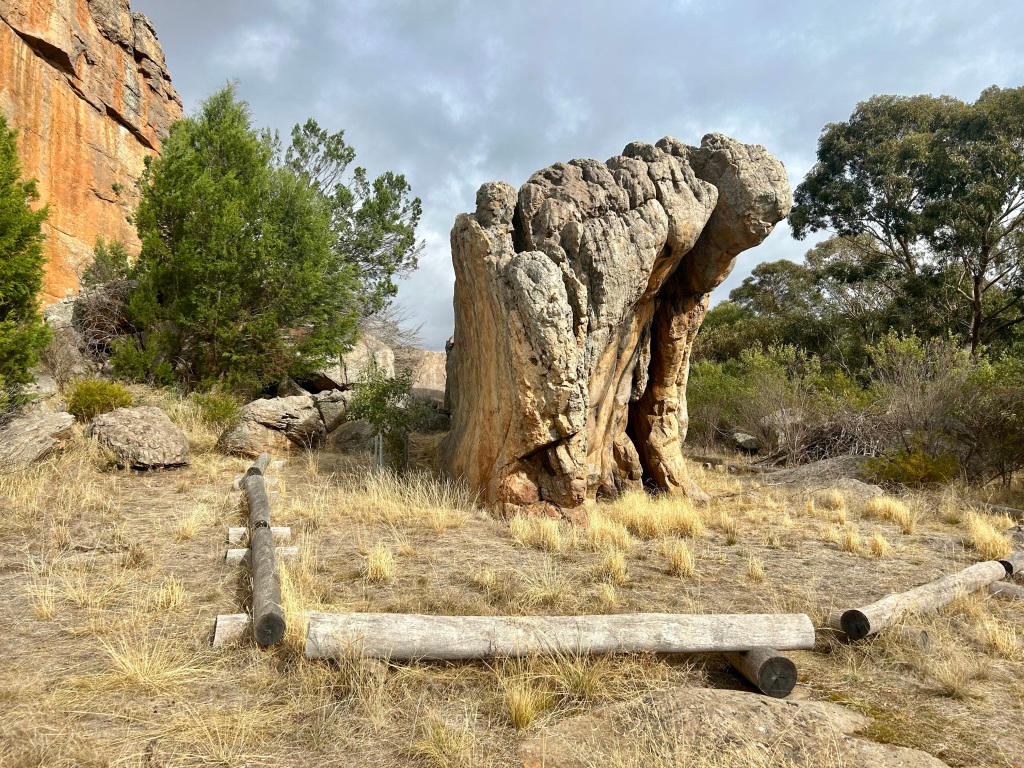


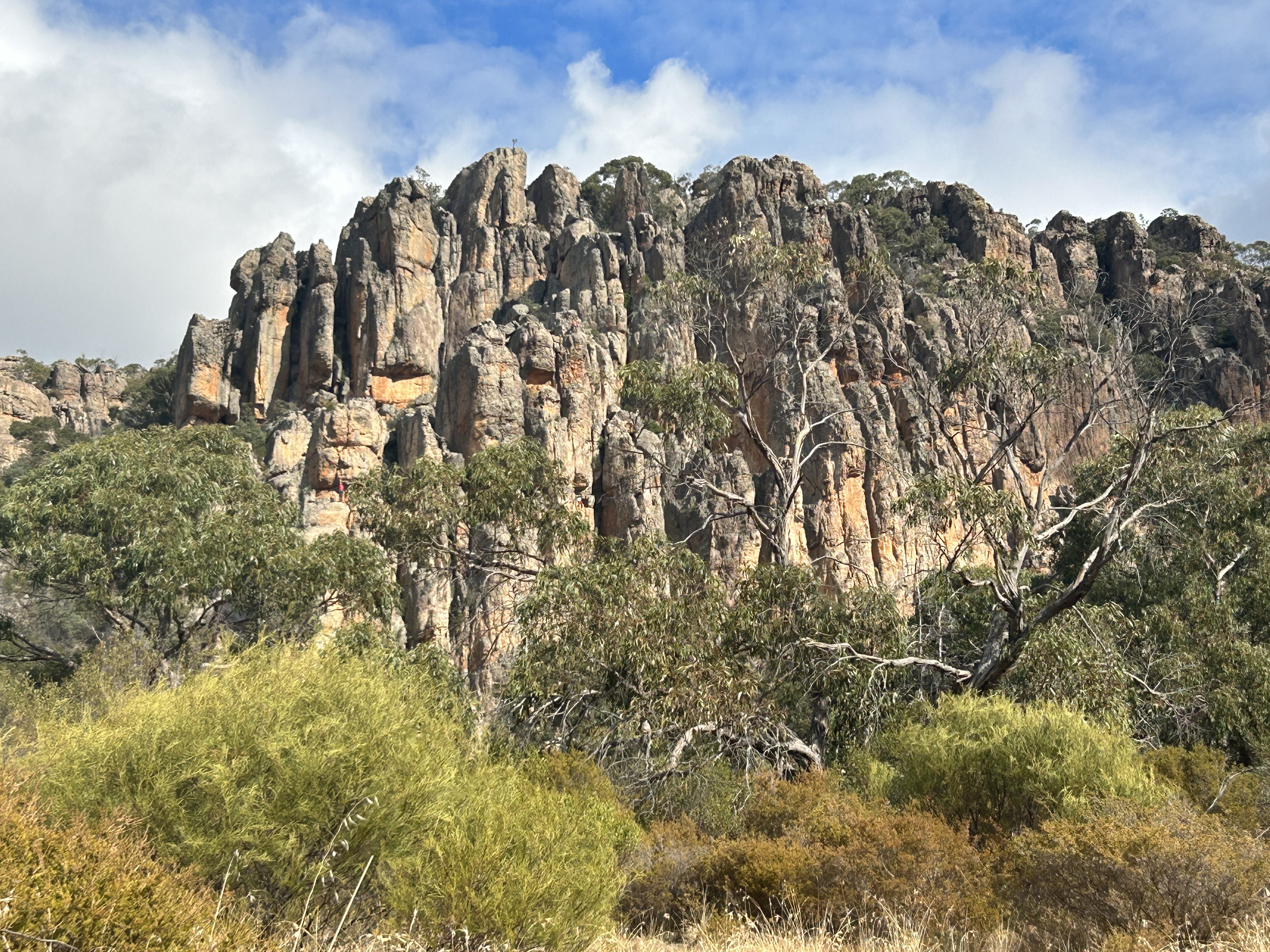


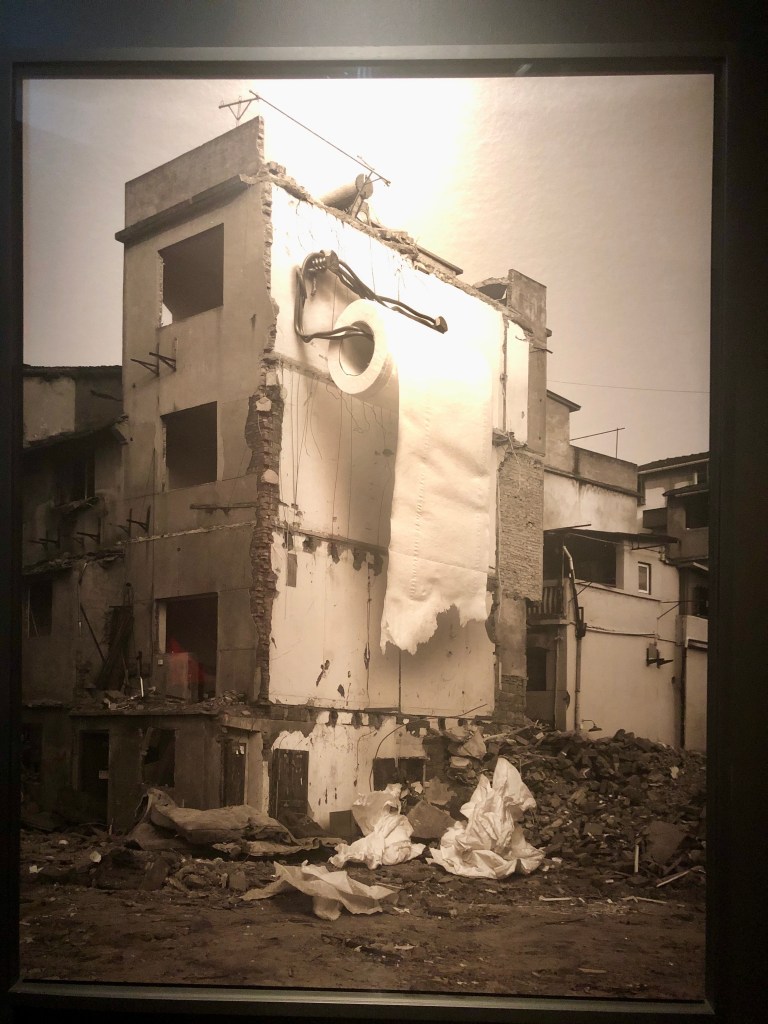


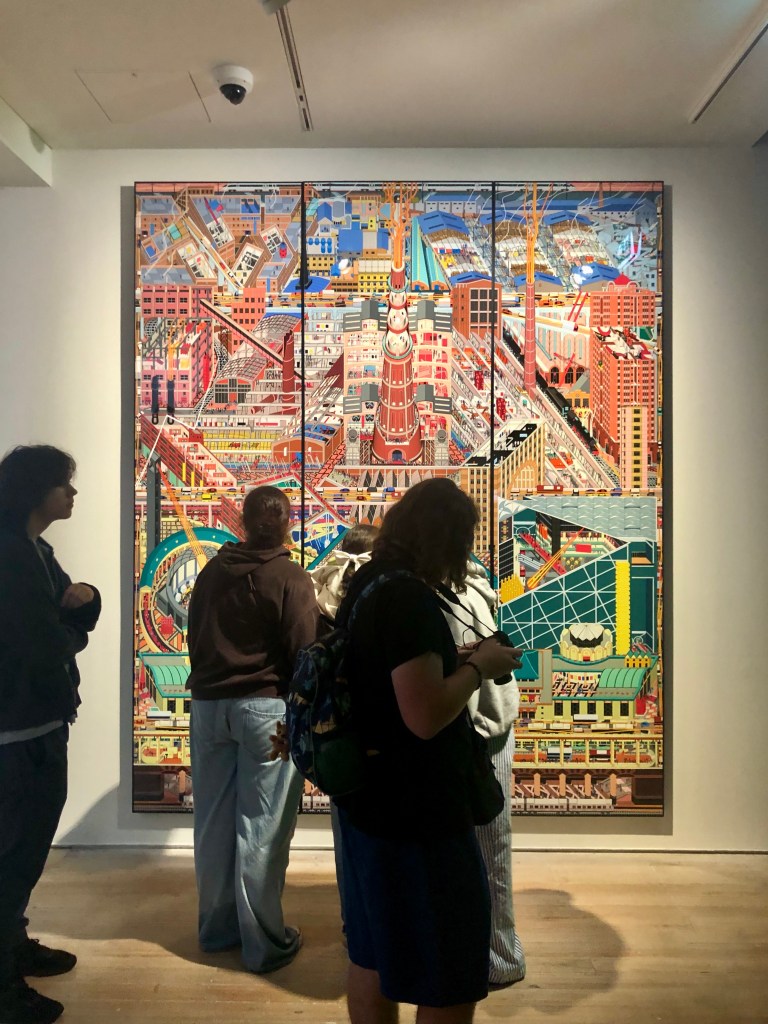


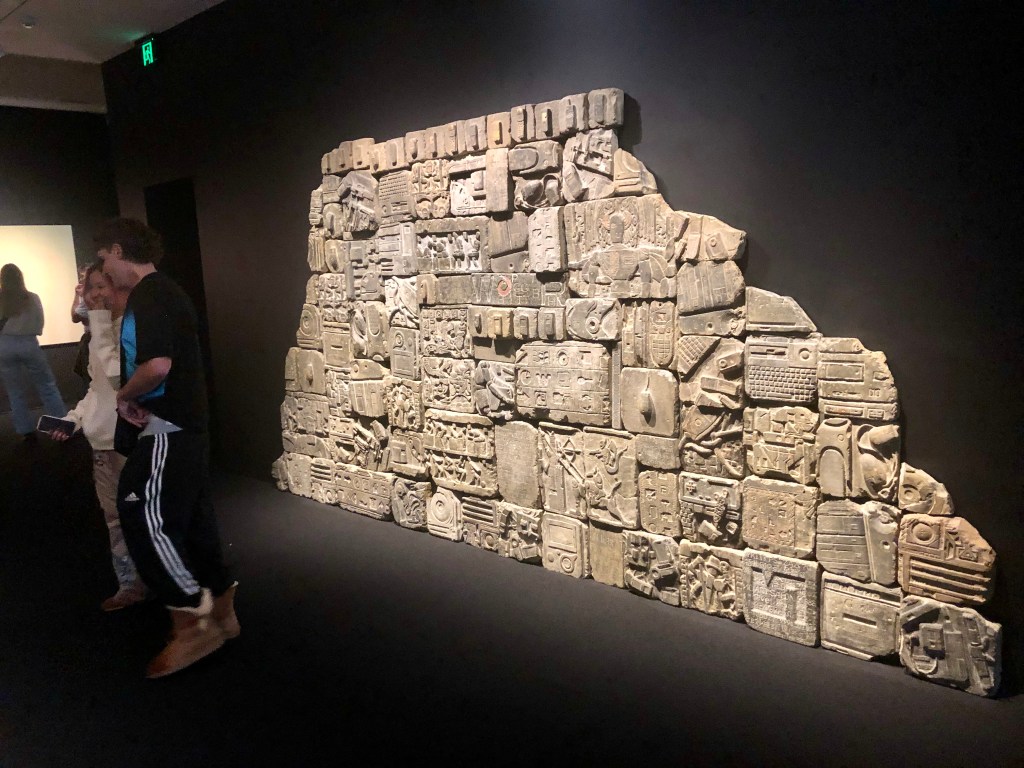

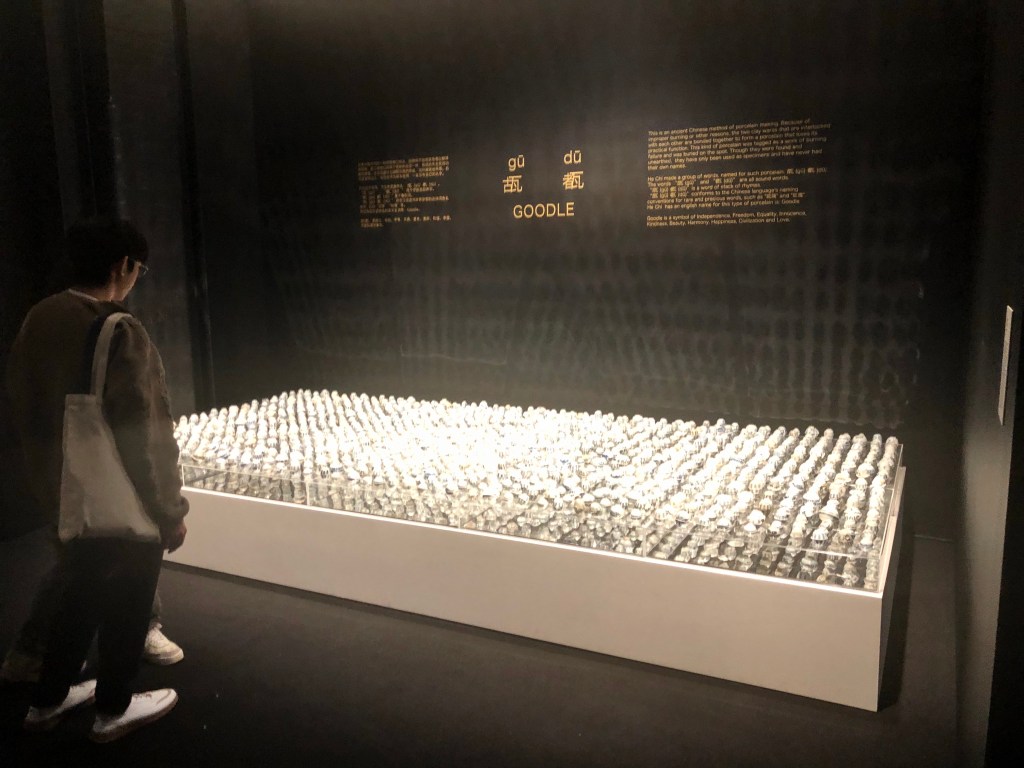


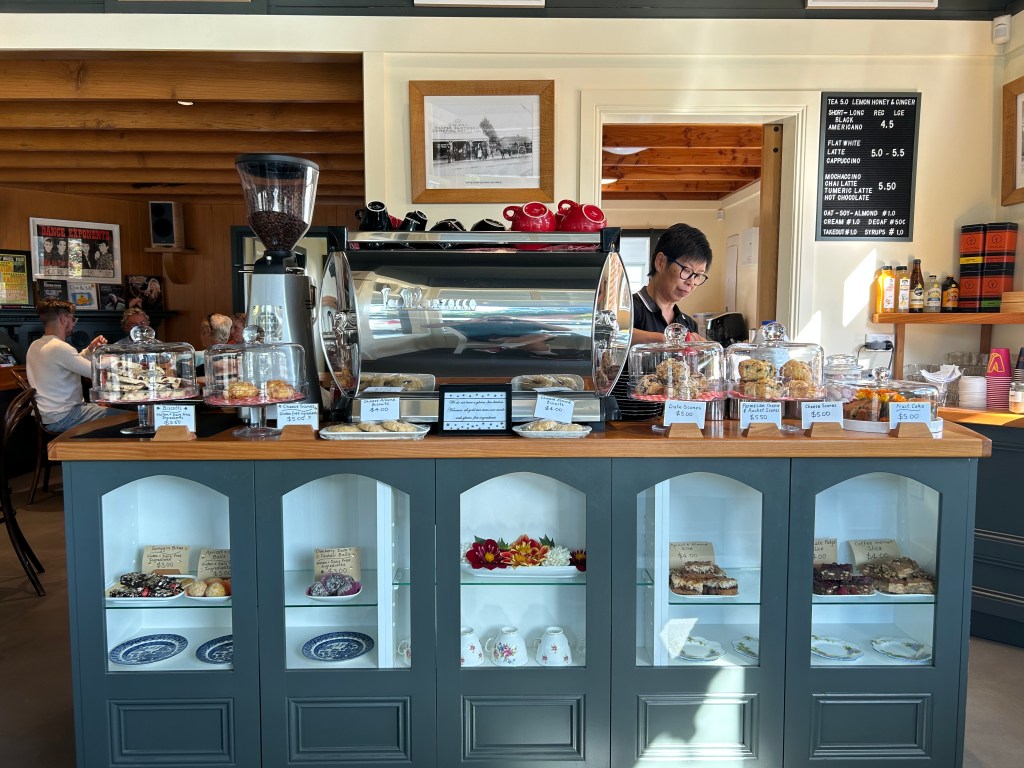

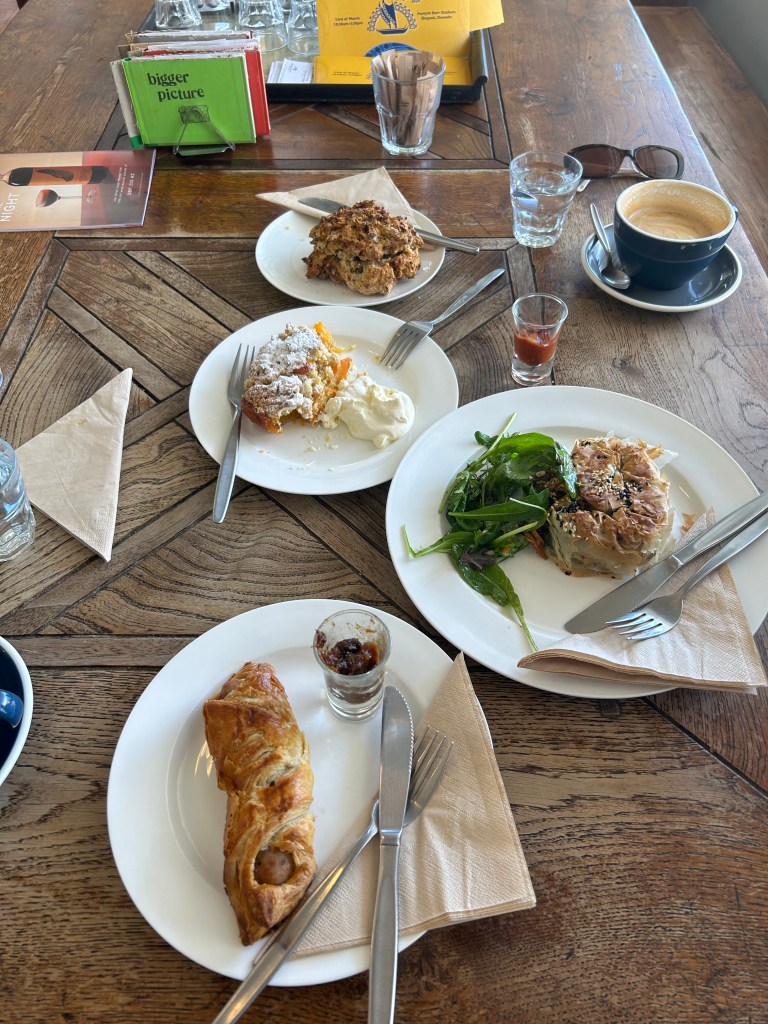

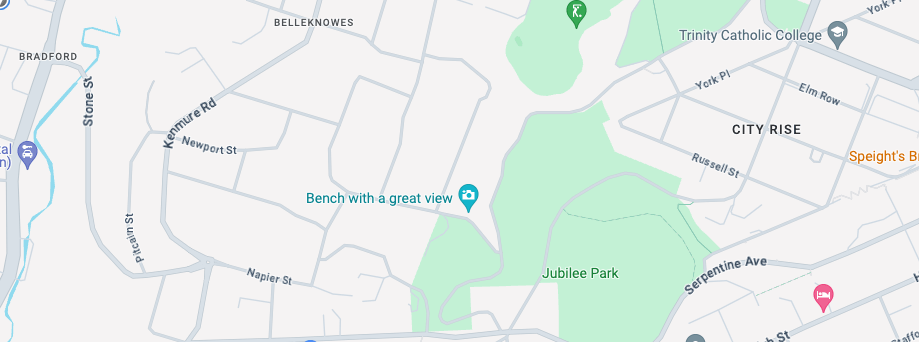

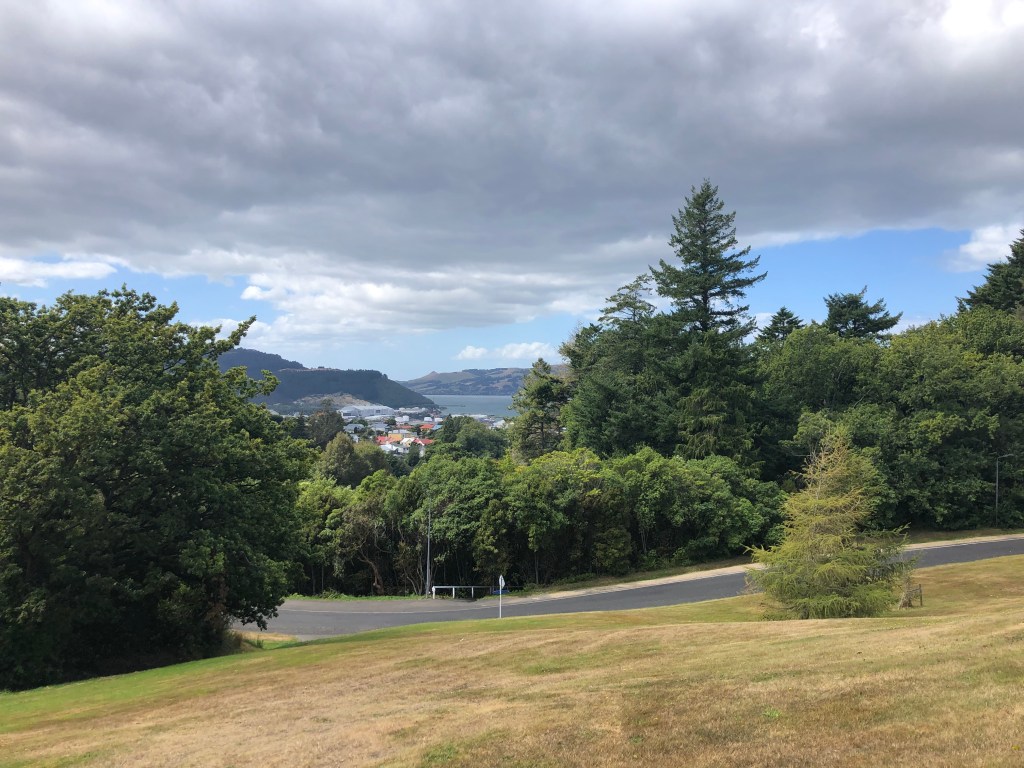
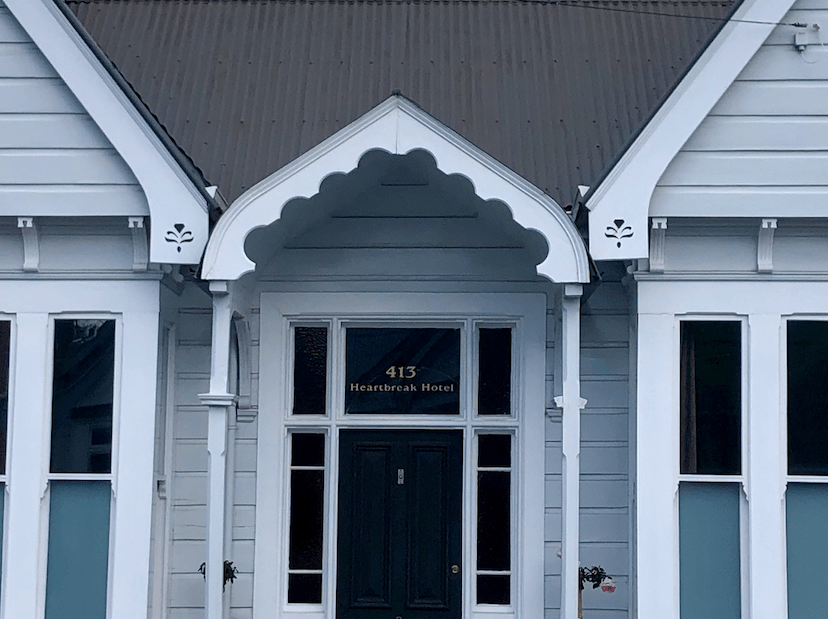


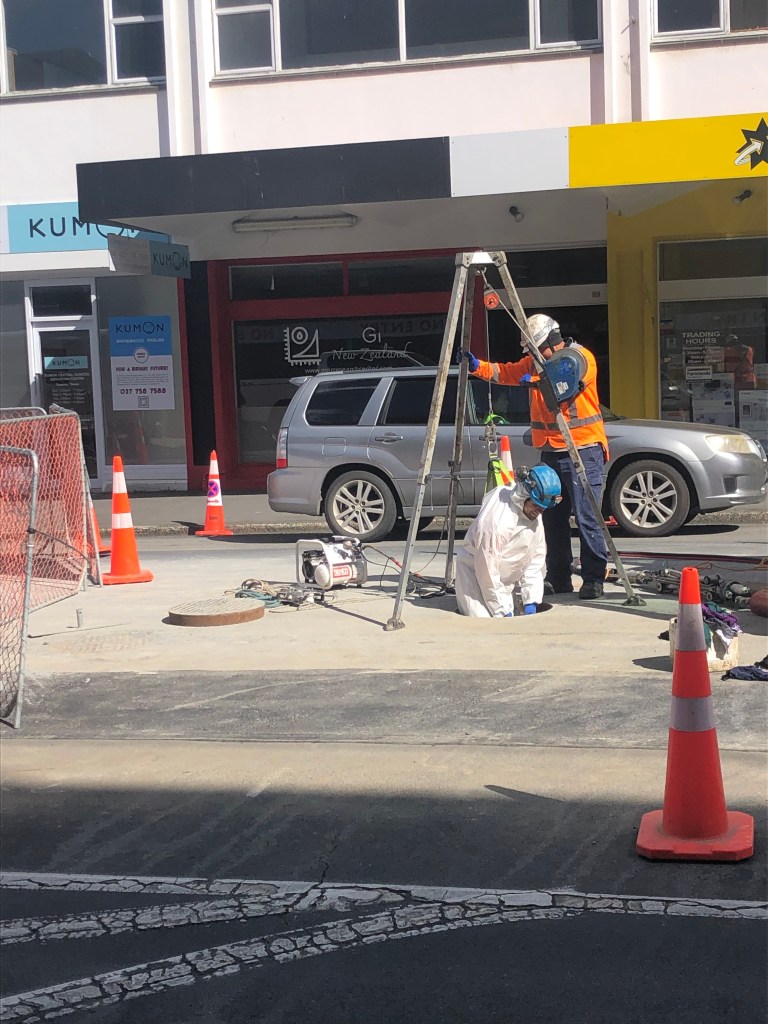
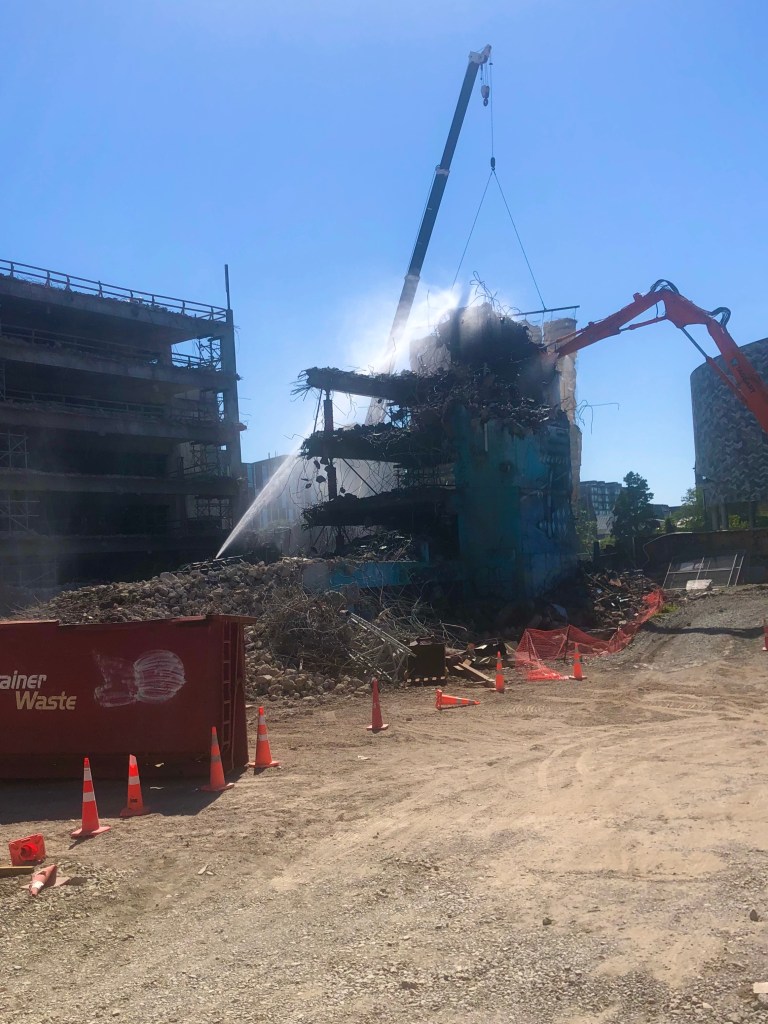
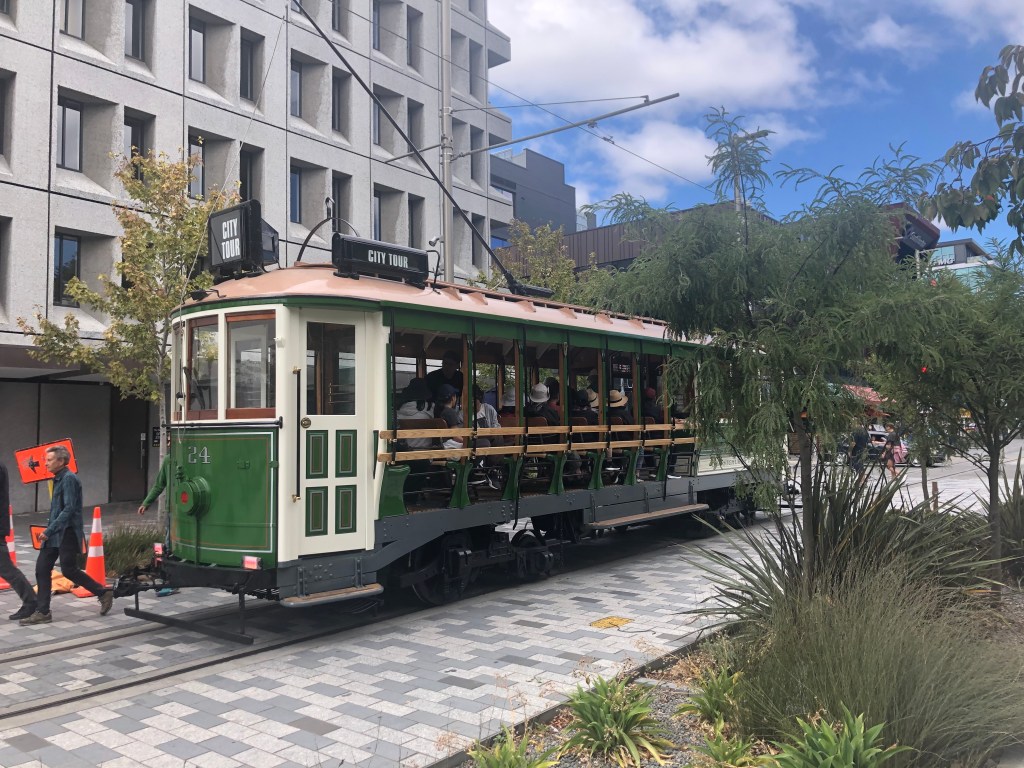

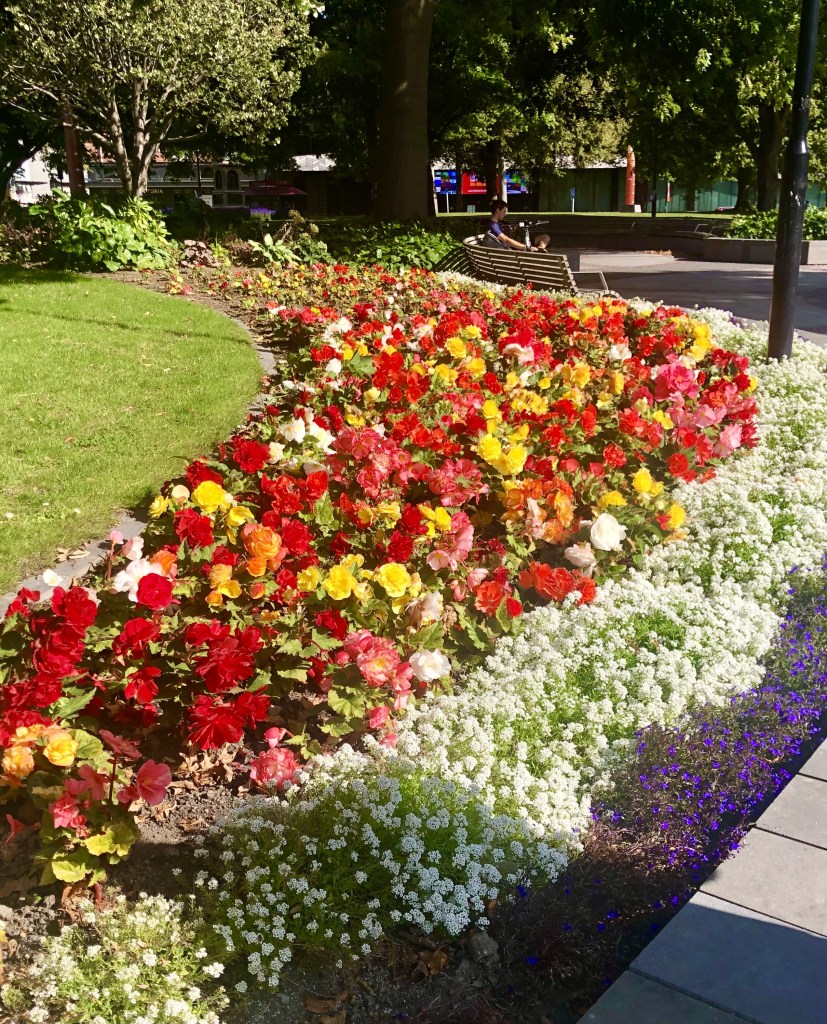


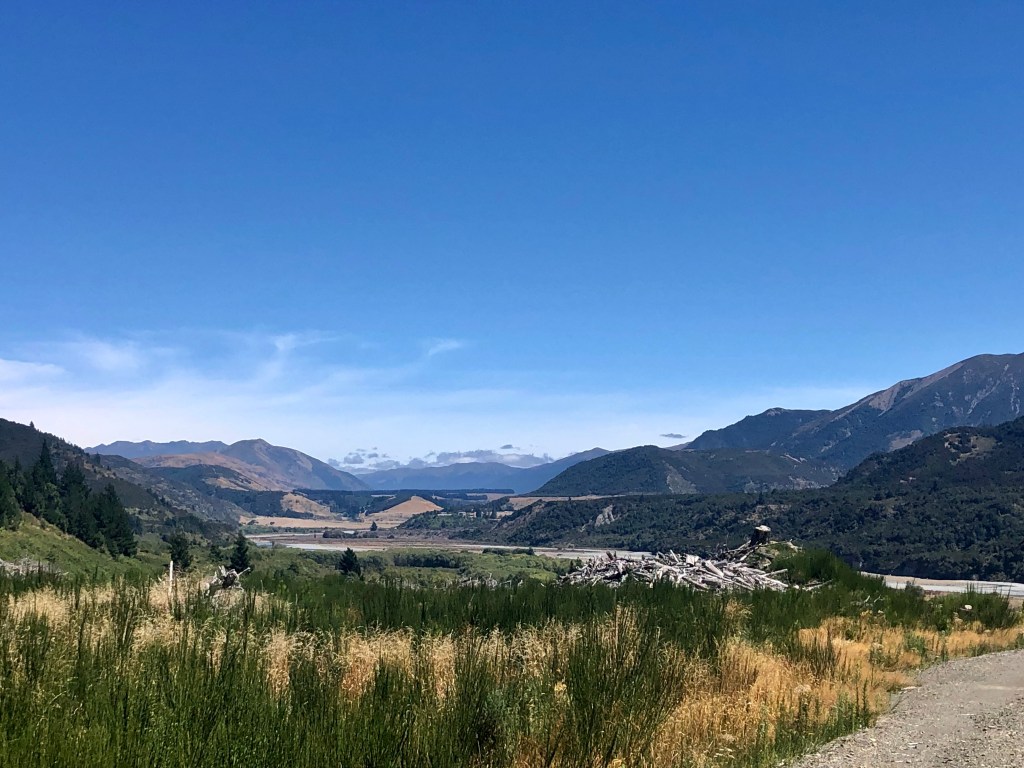

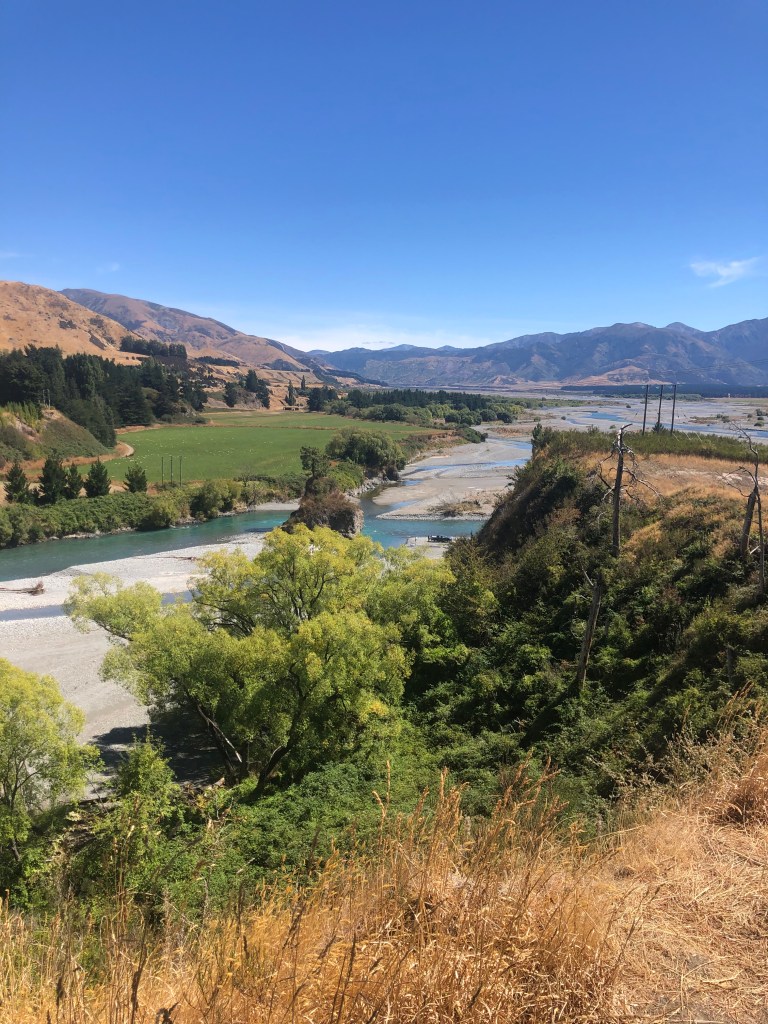


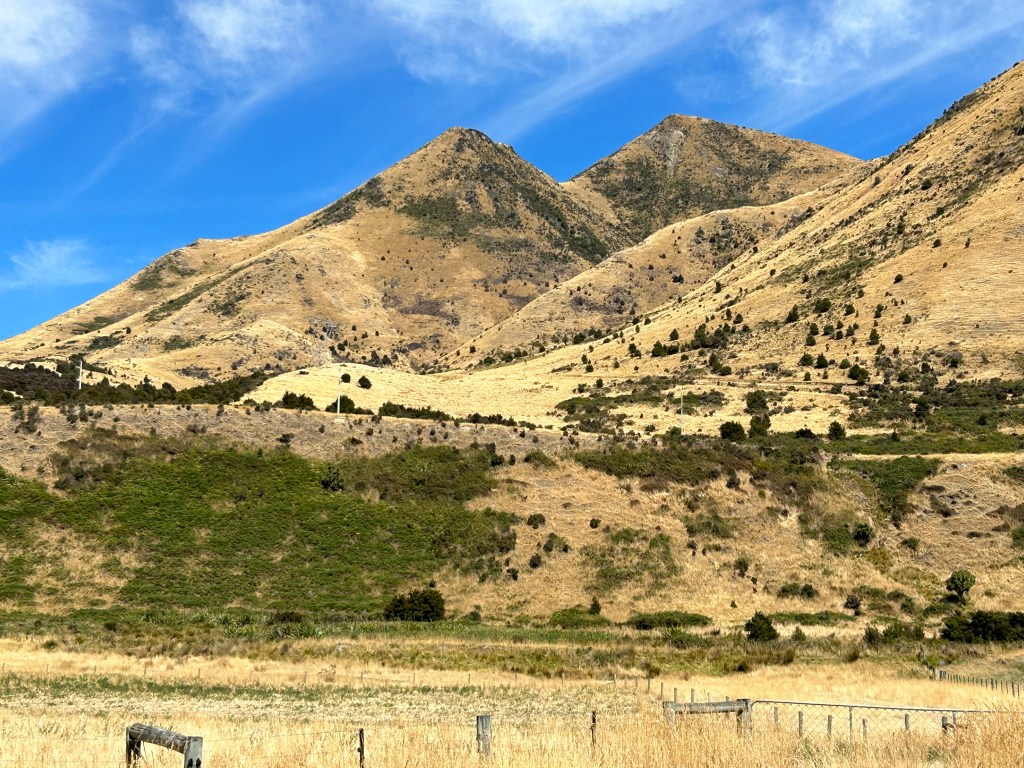

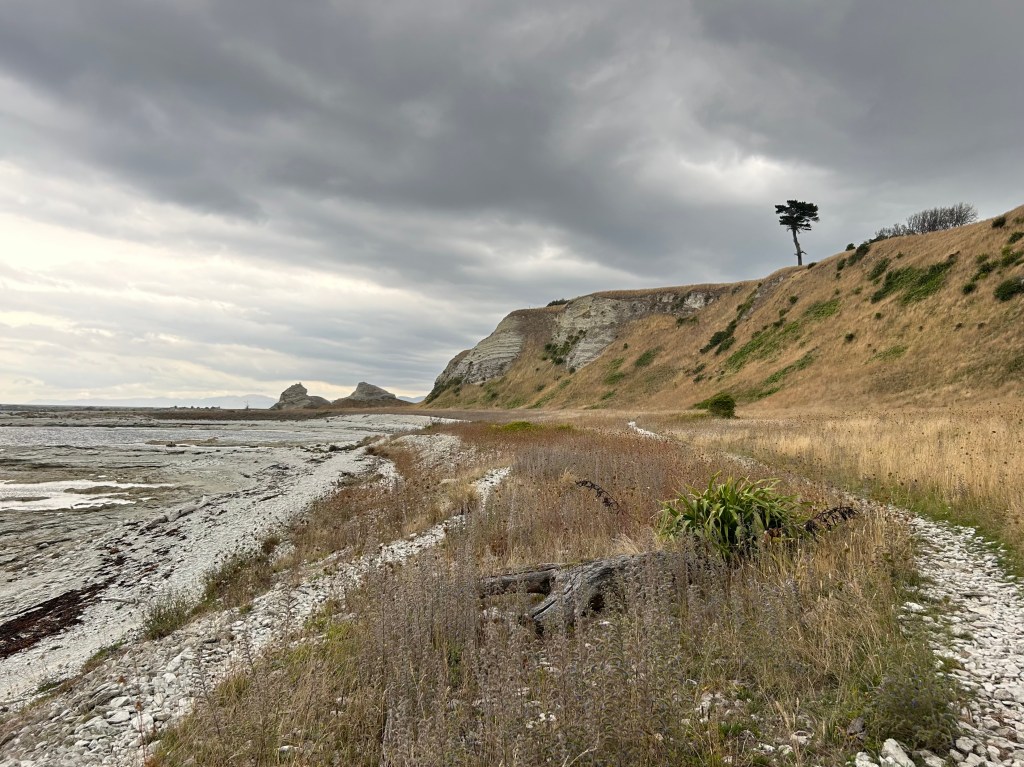


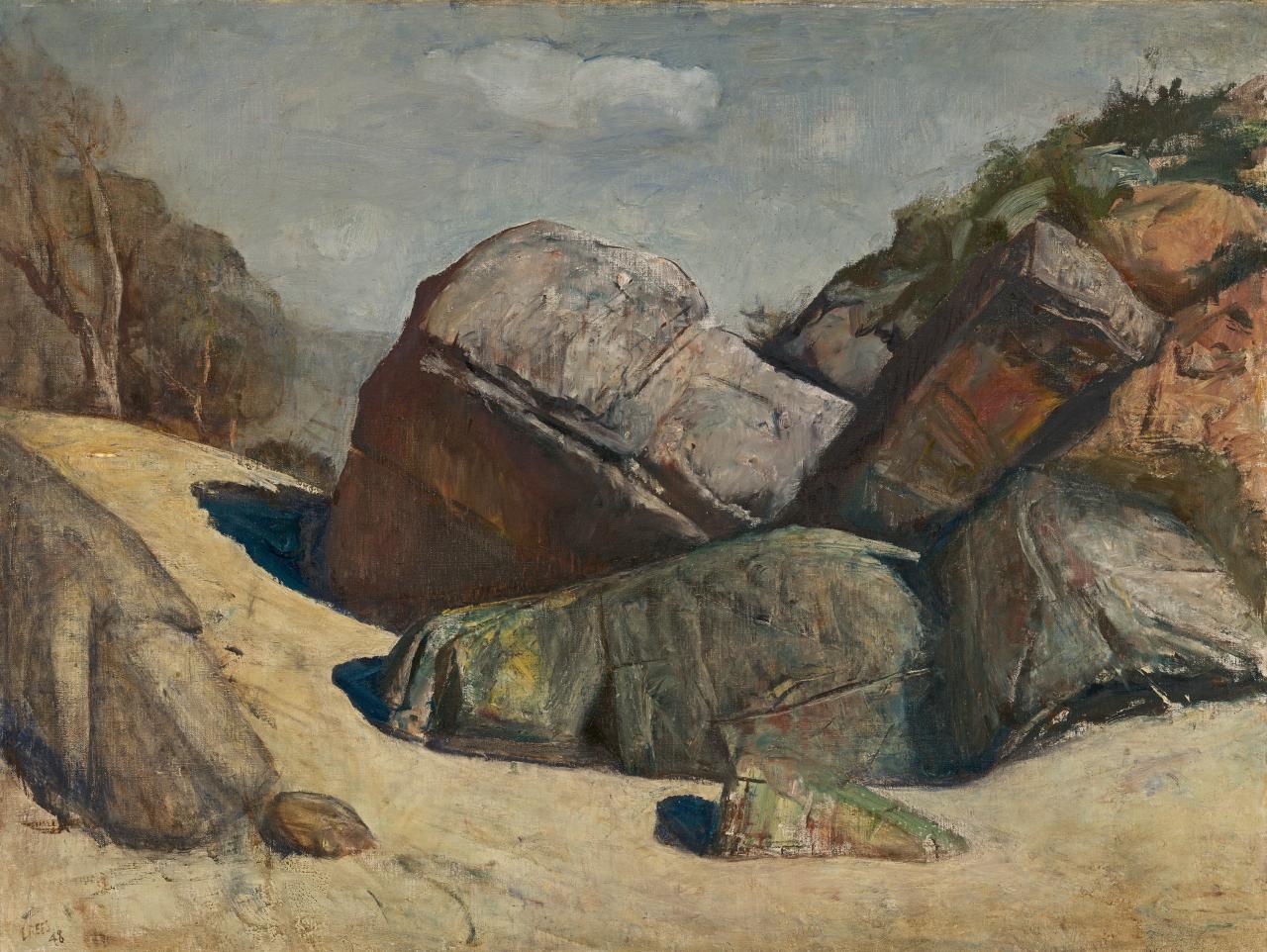


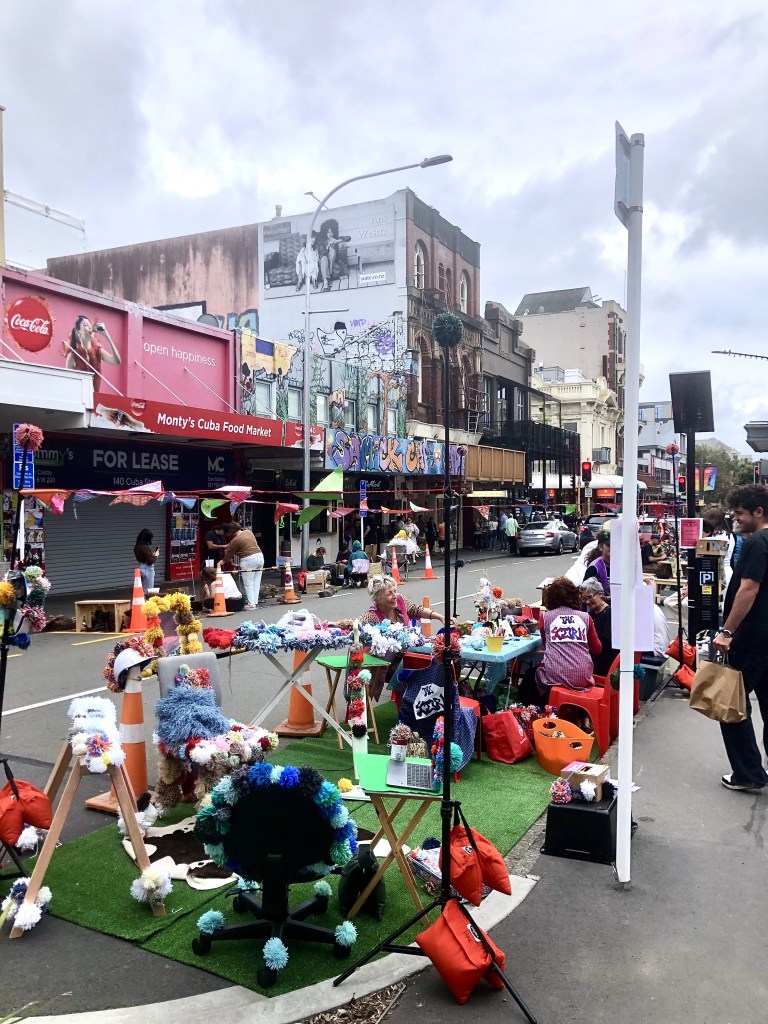




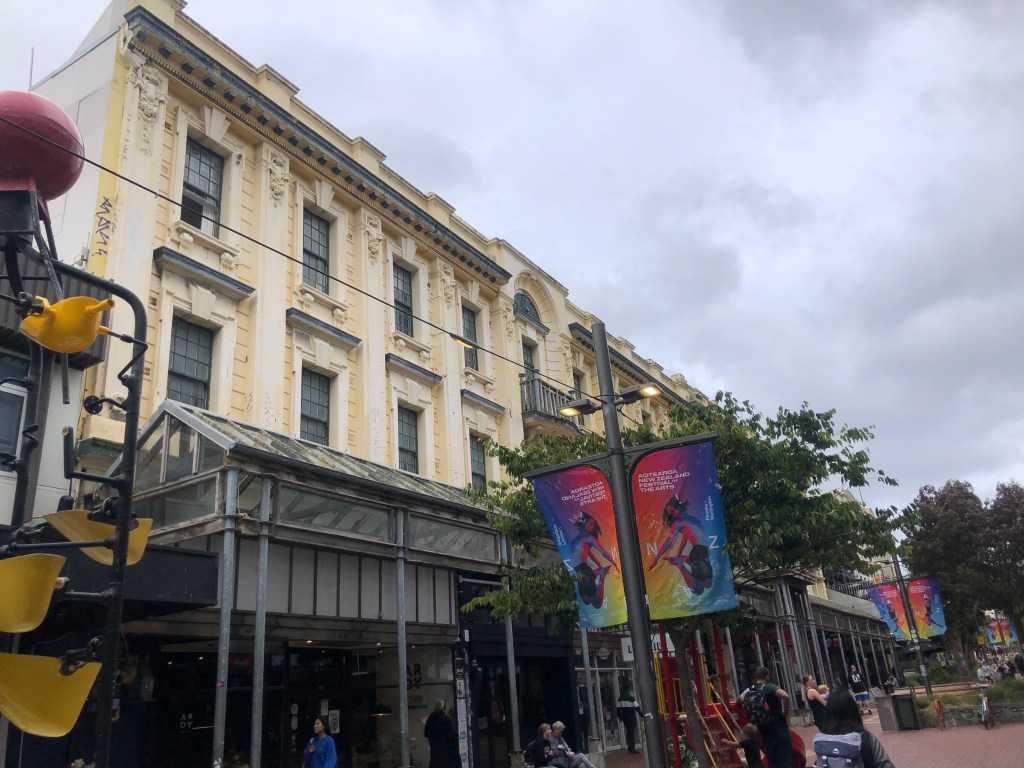



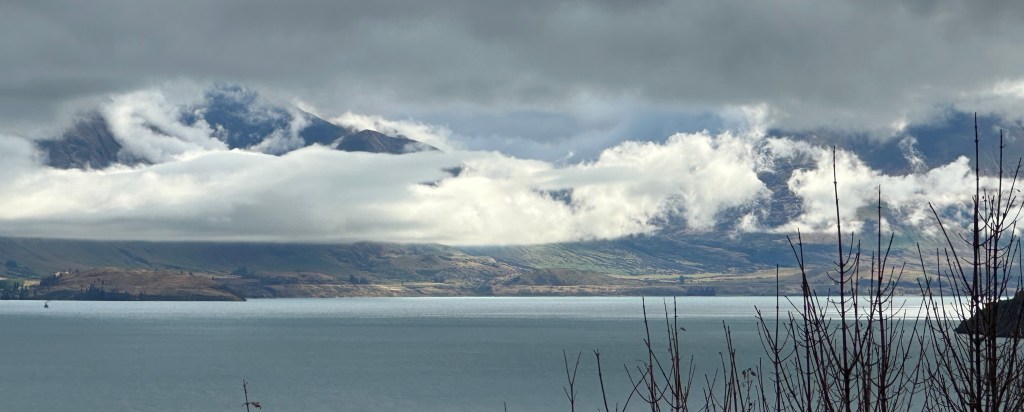
 mcraeblog