You know these three photos. Of course you do. Exceedingly well known. They are on Mr. AI’s list of the greatest of all time. But there are questions.
Raising the flag on Iwo Jima 1945: Joe Rosenthal
The first one, ‘Raising the flag’, has appeared on stamps, on a war bond, is memorialised in bronze as the national monument to the US Marines in Arlington, Virginia. Etc. Etc. It won a Pulitzer Prize. The remaining flag raisers (two died in later fighting) were sent on tour through the length and breadth of their country although one who never wanted to go in the first place was sent home for drinking excessively. John Bradley identified as the man taking the lead in the front of the planting didn’t like talking about it much either, the main reason possibly being that he wasn’t there.
Here’s a pic of the flag actually being raised after the hill was captured.
Bit low key eh. The flag has been attached to a bit of metal pipe they found on the top on the hill. You could get a statue out of it but it would have its limitations.
Joe Rosenthal was there of course and tells a terrific story about it, a terrific American story really. But he wasn’t there. Not then. He came later in the day when they did it again with a much bigger flag. He may have posed the raisers.
Okay. So what? Does that matter? Well, too late really to be asking questions like that. What does ‘real’ mean anyway? The statue is up! And it’s a beauty.
The Falling Soldier 1936: Robert Capa
And ‘Falling Soldier’. Spanish Civil War during the Battle of Cerro Muriano. ‘A soldier [identified as Federico Garcia] at the very moment of his death. He is shown collapsing backward after being fatally shot in the head, with his rifle slipping out of his right hand.’
Like a lot of these photos it had a huge impact on publication (in Life magazine of course, on the cover). This is war. This is the good guys, or a good guy, being shot. Kafflooiie. Horror.
Capa has said: ‘I was there in the trench with about twenty milicianos [militiamen] … I just kind of put my camera above my head and even didn’t look and clicked the picture, when they moved over the trench. And that was all. … [T]hat camera which I hold above my head just caught a man at the moment when he was shot. That was probably the best picture I ever took.’
Hmmm … except it appears that the photo was taken at Espejo, a location about 50kms from where that battle was fought. Federico Garcia really did die at Cerro Muriano, but behind a tree. During this war photographers were granted no access to areas of live fighting. Many years later a suitcase full of Capa’s negatives was found none of which were of this photo but with scores of others apparently rehearsing the scene.
Does it matter? Does Cindy Sherman really look like this?
Untitled #223 and #225. 1990: Cindy Sherman
We know that Cindy is faking it. Whatever it might be she’s up to, it’s something else. In terms of our appreciation of the photos there is a different set of criteria operating. With ‘Raising the flag’ it probably doesn’t matter because Rosenthal has made such an excellent job of the tableau, and anyway it’s too late. The platoon has bolted. But ‘Falling soldier’ … is it such a great photo if it’s just a bloke falling over? It would seem to gain most all its strength from its authenticity and context. Without that …
Next question please.
Who took this photo?
Napalm Girl 1972: Nick Út
Well it says ‘Nick Út’ doesn’t it? There. In the caption. You can find many many instances of him identified as its author. Near universal. He won a Pulitzer Prize for it — sometimes described as the most important image of Viet Nam’s ‘televised war’, World Press Photo’s Photo of the Year in 1973. What’s the question?
Well, one of these guys did and none of them are Nick Út.
Út was there, but only near there. ‘Based on images taken by and of Út that day, he would have had to sprint about 560ft forward, snap the famous photo, then run back 250ft, then turn around to be seen walking toward NBC News cameramen – “an extremely implausible scenario”.’
To find out what actually happened you can watch ‘The Stringer’ on Netflix or read The Guardian‘s take here. But it appears that Nguyễn Thành Nghệ, another photographer who was working as a driver that day, took the photo and sold it to Associated Press for $20 and a print. Carl Robinson, Associated Press’s photo editor on duty in Saigon that day alleges that Horst Faas, ‘the bureau’s legendarily domineering photo chief’, ordered him to change the image’s credit from the stringer to Út, the only AP staff photographer on site that day.
Interesting to know, but does that matter? Does the authorship impinge on the impact, on the ‘greatness’ of the photo?
I don’t really care — not really — who took it (although Mr. Nguyễn might), but I do think it suggests something about how photos become ‘great’. Generally you need your team working for you, a big, capable mainstream team (like AP). You need something to carve a path through the 18 million others. You need the cultural apparatus bent in your favour and, reviewing lists of ‘great photos’, it helps enormously if you’re American or American-sponsored.
We might have to begin again from the idea that great photos are also popular and well known. The egg of publicity may well, must, give birth to the chicken of perceived quality.
• • • • • • • • •
‘When I got back from Wattie Creek [the Dept of Aboriginal Affairs] got me to convert [the photo of Whitlam and Lingiari] to a black and white image’, Mr Mervyn Bishop notes. It wasn’t used anywhere until six months after the event, three months after the Whitlam government had been sacked. Even then it was tucked away inside the Aboriginal News, hardly a dominant mainstream publication. It was 10 years later that Kev Carmody, haunted by his memories of Merv’s pic, wrote ‘From Little Things Big Things Grow’ with Paul Kelly. It didn’t chart especially well. It did better in a version by The Get Up Mob in 2008.
It was when the song was performed in front of Merv’s photo projected on two giant screens at Gough’s memorial in Sydney Town Hall that the song and more particularly the photograph cemented their place in public life and esteem. In 2014. Thirty-nine years after it was taken.
He’ll laugh. Technically a pretty disgusting photo, but pink eye and all it’s caught something. Swervyn Mervyn, the Bishop of Dubbo. Magician. Showman. All Star. Champion.
Among these hundreds, Australia has one contribution. And it is this.
Merv had been manning the Dept of Aboriginal Affairs’ stand at Brisbane’s Ekka (Agricultural show) when he got a call because something big might be taking place at Wattie Creek. In Mt Isa while the plane was refuelling he happened on Keith Barlow, another photographer mate working at the time for the Australian Women’s Weekly. Barlow and his journalist colleague Kay Keavney became intrigued by this adventure of Merv’s and decided to tag along. Merv would have been hazy about what was happening as well as a bit excited. Eyelids batting up and down, huge grin that might turn into a grimace, sucking his teeth: what’s he doing? you’d think. What’s he up to? It’s not every day you go to Wattie Creek, not for any reason — it’s a bit out of the way, in the desert, about 550 kms south of Darwin — but, you know, could be promising. Could be anything. At least I’ll see what the bugger’s up to.
Whitlam’s government had negotiated the return of a portion of Gurindji land in the form of a pastoral lease — not a big deal in the scheme of things, but the beginning of something much more consequential. 16 August 1975 was nominated as the ceremonial handover. The speeches were made under a shelter constructed from tree boughs and canvas. It’s there in the background.
Gough said, inter alia: ‘I want to give you back formally, in Aboriginal and Australian law, ownership of this land of your fathers. And I put into your hand this piece of the earth itself as a sign that we restore them to you and your children forever’, and strained some of that very red desert sand from his hand into Vincent Lingiari’s.
This is a sliver of Vincent’s reply, translated from the Gurindji, and worth recording not least for its remarkable generosity of spirit. ‘We want to live in a better way together, Aboriginal and White men, let us not fight over anything. Let’s be mates.‘
This was all happening under the shade of the lean-to, hopeless for a photo. All shade, no definition … you wouldn’t even see the sand. ‘Mervyn said he looked at Barlow and they both grimaced.’ Merv to Whitlam — nothing should stand in the way of a good pic — ‘Mr Whitlam would you mind if we do this picture again outside in the sunshine?’ That’s Merv. When it comes to business, all business. He lowers his voice, and his chin, when he gets to this point in the story, and does his Whitlam. ‘Certainly Mervyn.’ Barlow held the other photographers off taking his turn only after Merv had finished. ‘I crouched low to include a good portion of sky. … I imagined using it on the cover of a magazine. I wanted to leave room for a masthead, National Geographic or Life or whatever.’
I’ve heard this story many times but I’m thieving here from The Book, and its author Tim Dobbyn notes that there were at least four other photographers there that day. They got the pic too, or versions of it; but, Tim says, they didn’t get the sky. Have another look. How important is that sky. And the dominance of the two figures in what would have been a helter-skelter scene with all sorts of things going on. The little cone of sand is in Vincent’s hand. Merv did get the picture. History was made.
But not for more than a decade, and it nearly didn’t happen. Read the book (pp. 104-105) and discover the role that Paul Kelly and Kev Carmody played in its re-discovery and how from little things big things can grow.
• • • • • • • • •
That’s not his best pic. There are others. The book says more than 50,000.
This is one of his favourites.
Cousins, Ralph and Jim. Brewarrina. 1966. Two lads skiving off from school rowing down the Barwon near Gundawera Station. The joy of life. (Where’s the photographer? Yes of course, in the boat too. You forgot that didn’t you.)
• • • • • • • • •
On an appallingly hot day I flew to Sydney from the Sunshine Coast to attend the book’s launch. I did feel I needed to be there. Because of the heat and the excitement of seeing friends I hadn’t seen for a long time it was a slightly out-of-body experience. I’m not sure the book shop staff managing the occasion did it justice: too sweaty, too rushed, too keen to get home, insufficiently respectful to what I think is a great work.
Another one in Canberra followed, then Melbourne. By Melbourne the 80 year-old maestro was a bit puffed and in his absence I was invited to add just a little colour and movement to the event. What follows is something like I said.
• • • • • • • • •
I am David McRae and I have a bit part in this book. Merv and I spent eight months on a project wandering around Australia together and became fast friends.
We are surrounded here [the Avenue Bookstore in Elsternwick] by thousands of books, perhaps tens of thousands. I want to give you three reasons why this particular book is unique among them. Not a bit unique, or possibly unique or unique on Thursdays. ‘Unique’ as per the Oxford Standard Dictionary definition. One of a kind. Out on its own. Exceptional.
The first reason is that it contains 74 photographs. 18 of them are of Merv. He’d like that. He’s always been a handsome boy with a wicked glint in his eye. 8 others provide complementary context and illustrate just how assiduous Tim has been in the preparation of the book.
And 48 of them have been taken by Mervyn George Bishop. I note here incidentally that only one is of Gough Whitlam and Vince Lingiari.
Merv is not a good photographer; he is a great photographer. Technically he is hugely proficient. But his great photos, and there is one on the book’s cover, are as good as anyone’s. And I do mean anyone’s. Very seriously, he is properly in a list with Annie Leibovitz, Steve McCurry, Dorothea Lange, Ansel Adams, et al. It is a lovely irony that his photo of Cecil Beaton is included in the book.
Why are they so good? Partly because he takes so many. He’s got a lot to pick from. You and I breathe: Merv takes photos. And has done since he was 12. His camera is an extension of his arm. Curating his archive would be, and has been, the work of the world.
But he’s also got what we have to call an ‘eye’. Famously he asked Gough and Vince to repeat the sand pouring moving them outdoors so the picture could be at its absolute best. He composes his pics as naturally as his son dances and his daughter smiles. It’s just there. Innate.
And tellingly, he has had access to places and contexts that very few other people have. It is possible that Merv has been to more of Australia than anyone else ever. I’m thinking here of the requirements of his work for the Dept of Aboriginal Affairs, an unsurpassed record of Black Australia at a particular point in time (which he would say was an opportunity not sufficiently exploited). And then the later work for various purposes of which the Burnt Bridge photos in the book are indelible examples.
48 Mervyn Bishops. A tiny slice of his output, … but what a slice.
[You can if you wish CLICK HERE to take you to a discussion generated by thinking about what makes a photo great.]
The second reason. This is a book about a great artist by someone who is not only also a very fine artist but a lifetime close friend of the great artist. This never happens. You can be a friend, or you can be a biographer, but simply from circumstance never both. It just doesn’t happen. Biographers can be sympathetic or insightful but they are never friends. (The only other possible case I can think of is Best Minds by Jonathan Rosen, another fine book as it happens, in which the friend ends up as a psychotic killer. This is not the case here.)
Read the first chapter, which is something of a masterpiece: two friends on a knockabout adventure wandering round the western plains of New South Wales. Merv’s making his jokes and cackling at his own great humour. But nonetheless he makes sure they visit Fred Hollows’ grave in Bourke. There’ll be a day’s itinerary but Merv will decide that he wants to go and see something that he might or might not remember and ends up doing an ironic little shake-a-leg dance clanging two rail spikes together before heading off to a Bowlo for the night’s tucker and a beer, saying gday to everyone but probably knowing half of the assembled throng, them or their ‘lations.
Only a friend could get Merv so right, and, far more pertinently, only a very good friend would have permission to get Merv so right. Because Merv is a big dag. And of course, the book leaps into life as a result. So honestly correct, so fair dinkum. We are reminded that this great photographer is also a human being, an incredibly interesting and likable human being, who has nonetheless ridden some rough roads.
But such a capable pair this writer and this photographer.
The book is meticulously researched. Some would say perhaps over-researched. Via its preparation I discovered that something I had always believed to be true — the product of our work together had won an international prize — was fiction. Almost certainly over-researched in some regards.
But it is also written with the ease and precision that only a lifetime in journalism can generate. It is such an easy read. So detailed, so smooth. As a fellow writer I can also say, and such a shitload of work.
That’s two reasons. They may have been obvious. There is a third that might be less so.
It is a book about Black Australia that you never read.
Not Alexis Wright, not Tyson Yunkaporta, not Melissa Lucashenko. And certainly not Bruce Pascoe. No dizzying cosmology, no complex moiety patterns, no tjukurrpa — something different, can I say again — unique. This is a book embedded in a Black Australia that doesn’t have a literature.
The last census told us that just under one million Australians identify as Indigenous. Quite a lot. What do we know about that million?
Here are a few things. Some are eminent and well known. Some, maybe five percent, are wealthy and live very much like other wealthy Australians.
About 15 percent live in remote Australia, about half of those living in very remote communities. This is the location of The Gap that never closes and, while they live there, this is likely to remain the case.
But that leaves 80 percent. And that’s where this book is located.
The 80 percent. They live in Australian towns and cities. If you follow the Newell Highway from Echuca through to Brisbane, you’ll pass somewhere near the homes of a couple of hundred thousand blackfellas. Throw in Rocky, Bundaberg, Townsville, Cairns and Perth and there’ll be a lot more.
These are people with jobs, families who send their kids to school in uniforms, who shop at the supermarket, who have footy teams they barrack for, who enjoy a barbecue, and pavlova and French cakes, who might be ambitious or relaxed, whose lives go up and down a bit like everyone else’s.
But there is more. There’s always more. And when you read the book you will understand that there is more.
Some things perhaps you might expect, but there are others that will almost definitely surprise you. You might jump a bit at the challenge to some of the stereotypes of your settled thinking, and be reminded of the complexity of the elements from which our lives are constructed. You might also think about the warp and weft of culture, in plural form, the magic of its assembly and the extraordinary variety of its products.
Case in point: Mervyn Bishop. Living in Oatley, almost but not quite in ‘The Shire’, home of Scott Morrison and his ilk. Happy family. Suburban, maybe a bit Uptown, a bit Flash Blak. Asked in his job interview for the DAA if he knew any Aboriginal people.
On the other hand, First Aboriginal This First Aboriginal That. Blah blah blah. Somehow it is never not a question.
And that’s the third thing that makes this book unique. It’s not called Black, White and Colour for nothing.
[You can if you wish CLICK HERE to take you to some further thoughts about cultural construction.]
I think in accord with his wishes, I would say that Merv’s not a great Aboriginal photographer. He’s just a great photographer. And what’s he like? Like no one so much as Mervyn George Bishop, and what an interesting person!
And great work Tim to have rendered all this with such care, thought and skill.
I’ve missed Christmas, but BUY THE BOOK. [That’s a live link. You can go straight there.] Tell others about it.
Now phones have cameras in them — and what a good idea that was — I’ll say 18 million great photos are taken everyday. Yeah. Let me check … yes. Correct. Eighteen million. We don’t see them all; and we don’t all take them either.
But then there are the truly towering ones. What makes them so truly good, so truly towering?
What does AI say? ‘There is no single “greatest” photo, as the assessment is subjective and depends on criteria such as emotional impact, historical significance, or technical innovation. Several photographs are widely considered the most famous or influential images of all time. Different sources and experts highlight various photos as significant for their powerful imagery and lasting impact on the world.’ And a number of these are listed including: Earthrise by William Anders, Raising the Flag on Iwo Jima by Joe Rosenthal, The Terror of War (‘Napalm Girl‘) by Nick Út, (Click here to see them with discussion.)Afghan Girl by Steve McCurry, and Tank Man by Geoff Widener. (See below.)
But after stewing about it — prompted by Tim Dobbyn’s book about my friend Merv Bishop and reviewing some of Merv’s pics as well as other people’s — I think that you probably can define certain photographs as ‘great’.
So here are five ideas why some photographs might be greater than others. They are illustrated with what might now seem to be somewhat old-fashioned examples, ones from an earlier life when my father in a gesture of prodigious and completely uncharacteristic prodigality subscribed to Life. But I think they stand up.
The quality of the reproductions here is inferior. I apologise. And of course several of these features might be found in the same photo.
• • • • • • • • • •
They may be particularly eventful or dramatic.
Life and death dash, 1971: Mervyn Bishop
This photo has a special place in Merv’s heart. It won the News Photo of the Year in 1971 and helped to establish his profile as a photographer of note. Everything is right about it. The expression on the nun’s face sets the tenor, but you have the kids’ distress, the turning girl and even down to where the nun’s (very shiny) shoes have toed the line. Merv likes to say, correctly, that the kid in the nun’s arms is now an ear, nose and throat specialist.
Falling Man, 2001: Richard Drew
World Trade Centre, 11th of September, 2001. It is estimated that around 200 people jumped or fell to their deaths during this tragedy. There are difficult protocols about photos like this, and there was a big fuss when it was published (consequently increasing its renown). In this frozen (but seemingly so relaxed) and highly artificial moment it has a mesmerising quality.
Climate change, 2018: Sergio Pitamitz
We assume the bear must reach the ever-so-distant land for safety. That might be true or it might not. But it is almost impossible not to assume so. The intimation/ metaphor becomes reality. For me, heart wrenching.
Saigon Execution, 1968: Eddie Adams
Nguyen Ngoc Loan, the national police chief of South Vietnam, executes the Viet Cong fighter, Nguyen Van Lem. Another of these photos like ‘Napalm Girl’ which swayed American public opinion towards the conclusion of the Viet Nam war. Nguyen 1 obviously a war criminal. Nguyen 2 obviously harshly dealt with. In fact, Nguyen 1 appears to have been a very highly thought of war commander renowned for his fair dealing. Nguyen 2 was the leader of a Viet Cong Unit which had killed 47 people earlier that morning.
Does adding information like that bring anything to the experience of looking at a photo? Does it change our fundamental reaction to the image? Should it? Is it meaning or just something like visual impact that we are responding to? (There is no such thing as ‘just’ visual impact of course. Everything we see is processed by neural networks that have processed so much else. But you know what I mean; maybe immediate rather than reflective responses.)
That question matters particularly with photography because unlike other art forms we are supposed to be looking at reality, something that really happened, something that can be confirmed by a photographic image. (There is some additional discussion of this questionRIGHT HERE.)
They may be particularly romantic or erotic.
Le baiser de l’Hotel de Ville, 1950: Robert Doisneau
V-J Day in Times Square, 1945: Alfred Eisenstadt
Which one? I have chosen Doisneau’s because although the men in both pics are so terribly masterful, the French chap has a bit more style — the scarf, the gesture of the left hand, the waist tuck of the double-breasted suit. The sailor appears to be on his way to eating the woman — to him unknown — to celebrate the war’s end. But in both cases we understand that there is a passion which we can only celebrate.
Vale St, 1975: Carol Jerrems
An Australian photographer, and an Australian photograph (and can I suggest so much of its time as well as place (St Kilda)). Fearless despite her naked torso. Fearless. There is a flash, no more, of menace in the chaps behind her, (they’re Sharpies!), but she is in charge. Her breasts are those of a young woman; her eyes so much older. All challenge. Not so much romance, but the right degree of complexity to be erotic.
Nuit de Noel, 1962 (in Mali): Malick Sidibé
Probably not a photo you’ve seen before. It is here partly because it is African but also because of the truth of whatever it is between the couple, and the delicious modesty of its expression. Something which is so desirable and human. Unalloyed. Nothing as loud as joyous, and it mightn’t endure. But at this moment … transcendent.
Nan and Brian in bed, 1983: Nan Goldin
And maybe its antithesis. That point in a relationship. What’s going through his head? Does he want to be out with the boys? Is she going to have her heart broken? We can’t see the guy’s face but we know the state of play. A stage, an essential part of romance. We know this. We can relate.
They may record something spectacular or unusual.
Yoko Ono; John Lennon, 1980: Fran Lebowitz
Neither romance nor eroticism in this photo, but it is very hard to say that it’s not of interest. Some growth — naked growth, naked MALE growth — has attached itself to an impassive human object with glorious hair. It doesn’t hurt that the two subjects are quite well known. Whoever decided, it was a striking idea.
Lunch atop a skyscraper, 1932: Charles Ebbets
Yeah. Seen it. A million times. One bloke is lighting another’s cigarette off the one he’s smoking. Those white things are their lunch boxes. Is this what they do every day or just when a photographer is round? Who cares? 860 feet above the ground and they’re having their lunch, Central Park a misty blur below and behind them.
There might be stuff on Tick Tock that prompts as much or more vertigo. But this is the original, and I defy you to run your eyes along their shoes without just a little intake of breath. Plus they’re at work. This is what they do for a living. Plus plus you don’t get faces like that on Tick Tock.
Le Violon d’Ingres, 1924: Man Ray
We’re moving into hazardous territory here, but I’m convinced. An unadorned set up: a model, palpable, soft, no hard edges, like one of Ingres’ baigneuses, painted with f-holes. And because it’s Man Ray, it will be just for the fun of it. There’s no special meaning to be made here. Don’t make up a story about models and lovers, search for antecedents, or muse about the possibility of ‘le violin d’Ingres‘ meaning ‘hobbyist’. It’s Dada. It’s impact, not meaning — BANG. LAUGH. It’S An ODdITy, and you haven’t seen it before. Just enjoy it. (And this is a screenshot of the most expensive original print of a photo ever sold: $US12.4m, Christie’s New York, 14 May 2022. Someone must appreciate the joke.)
Something More #1,1989: Tracey Moffatt
The transition is complete. It is a set-up. Comprehensively. Unashamedly. Tracey, innocent in her cheong sam, leaving a collection of challenging detail to perhaps make her way in the world.
So, can you call it a photo? Well … it is a photo, even if photography here, as is true far more widely, has become a hybrid art. Two considerations. It’s Australian, and Tracey was a friend and colleague of Merv’s at Sydney’s Boomalli Aboriginal Artists Co-operative as well as being the curator of his first significant show InDreams. Unusual? Sure. Spectacular? Unquestionably.
Bonnie and Clyde, 1930: W. D. Jones
Extraordinary. It really is Bonnie Parker and Clyde Barrow. Mucking round with a pump action shotgun. (W. D. Jones was a member of the gang, at the time 16 years old.) They had a camera, liked to take photos and did so. In fact they kept a record, however incomplete, of their exploits. It was a modern thing to do. The photo is sort of sweet — Clyde’s goofy expression and, despite the tension in his fingers, his you-would-have-to-say relaxed stance. But there it is. Bonnie and Clyde. Maybe you should expect that; I didn’t. I’m saying, strikingly unusual.
There might be something particular about their aesthetic or the way they have been composed.
Moonrise, Hernandez, New Mexico, 1941: Ansel Adams
You might note the very limited number of photos in this collection without people as their focus, and yet landscape photography is a capacious field with many distinguished operators. Perhaps not many as good as Ansel Adams. Just how does he get those very sharp whites and velvet blacks? A master in the darkroom obviously, but this photo has interest wherever you look.
In one of those inspired choices which make art, the moon is almost centred with that great black void above. The flow of cloud intersects the picture while contrasting dramatically with the detail of the crosses in the cemetery and the ever-so-crisp lines of the buildings.
I am inclined to reach for adjectives like ‘classical’, but how would that help? Who knows how aesthetics works? ‘I know what I like’, might really have some pull after all. But would everyone agree that it is something special? I think so.
The Sunbaker, 1937: Max Dupain
Australian, indelibly. You know the experience, you’ve felt the sun after the cold of the surf, you’ve had sand in your togs. It’s cultural. Of course it is. But that’s not all that makes it a great photo. It’s not a person (no legs, no body, not even a face); it’s a shape, and I think it’s the line up the arms and across the back that is so satisfying. This is complementary with the contrast of the dark shape and both grounds, fore and back, and the fact that the shape is the only thing in focus. Everything else (including the horizon line) is fuzz. Courageous choices which paid off big time.
Afghan Girl, 1984: Steve McCurry
Pashtun girl really, but that is splitting hairs. Her name is Sharbat Gula, and she has eyes which are hyper-alert. Just a girl, but we must believe those eyes have already seen far far more than they should have. And they are rivetting, rivetting enough to make us forget the extraordinary colour match of eye, background, undergarment, and the complimentary framing of the face by the rust-red material which echoes some of the strands of her hair and the innermost parts of her irises. What a photo!
They may be strikingly familiar or have become iconic.
I might be cheating here. Another chicken-egg issue. Are they great photos because they are famous, or are they famous for one of the reasons above? And if so, why have we got a separate proposition here?
Let’s say they have the power to be great through familiarity. We construct them to be great and, when we think about it at all, designate them as such.
Guerillo Heroica, 1960: Alberto Korda
You might have had a T-shirt or a poster with this on it. If not you might need to explain the reason. Che, the heroic guerilla with international resonance very likely influenced by this photo. Composed, steely and puissant without even trying to be. Fortitude, depth, a leader.
What are we reading to understand this? Good eyebrows of course, and eyes set deeply enough to give us shadows which emphasise the darkness of his eyes and their twinkling pinpricks of light, shadows which also give us the highlight on the right hand side of his face. Film star good looks? Yes, but so much more as well.
Tank Man, 1989: Stewart Franklin
Tank man, 1989: Geoff Widener
Tienanmen Square, Beijing. Packed with students protesting anti-democratic acts by the government. Cleared at the order of Deng Xiaoping. Scores of tanks, not evident in these photos, poured into the Square smashing through barricades. At this point, one man with two shopping bags stands in front of the first tank of a column and as the tank manoeuvres to go round him shuffles back and forth to continue standing in front of it. The tank stops, the column stops; man versus machine, a civilian versus an army. A big subject for a huge story.
Four photographers got this photo. Franklin’s was the first, Widener’s the most widely used. The others were Terril Jones, and Arthur Tsang Hin Wah. Australian ABC correspondents Max Uechtritz and Peter Cave were the (only) journalists reporting live from the balcony with Willie Phua shooting the accompanying video.
There is a theory that the whole thing was a set-up to make the Chinese government look better. A clean white shirt was not what the protestors were wearing. It took place right in front of the hotel where it was known that foreign journalists were staying. The soldiers respond quite passively to his actions and don’t hurt him. He is not arrested after leaving the scene. His identity remains unknown. Your call. Still a great pic.
Earthrise, 1968: William Anders
One from a collection taken by astronaut William Anders on the Apollo 8 expedition, the first crewed spacecraft to leave Earth’s gravity, orbit the Moon, and return safely. It was generated after a cute little back-and-forth between Anders and Jim Borman, the flight commander who is sometimes credited with taking the photo.
Anders says: ‘Oh my God! Look at that picture over there! There’s the Earth coming up. Wow, that’s pretty. Borman: Hey, don’t take that, it’s not scheduled. (joking) Anders: (laughs) You got a color film, Jim? Hand me that roll of color quick, would you.
And this is one of the results (which include the ‘half-Earth’ just breaching the horizon). Claimed to be the most reproduced photo ever, it featured on a commonly-used US stamp. It has also been described as ‘the most influential environmental photograph ever taken’.
It is eventful, dramatic, records something spectacular and unusual, has its own exquisite aesthetic, and might even be considered romantic. Great photo.
The subtitle of Black, White + Colour is ‘A Biography of Mervyn Bishop Australia’s First Indigenous Professional Photographer’. And of course that’s true, important and commercially sensible to bill the book that way. But its contents provide a more complex if still wonderfully coherent account of what it is to be Merv and the contexts and events which have helped shape him. In my related blog I’ve referred to this as ‘the warp and weft of culture, in plural form, the magic of its assembly and the extraordinary variety of its products.’
I’m particularly interested in this because it has provided a lesson I have had to learn myself, many times and sometimes to my cost.
Naturally you must read the book for a proper account of Merv’s world. (Off you go and buy it. HERE.) Treat this as a taster with a slight twist of emphasis.
• • • • • • • •
HOME
This is the map from the book which describes the road trip Tim and Merv took together to help prepare it, revisiting old stamping grounds and relations, the sites of some of his photographs, RSL and Bowling Clubs — landmarks of north-western NSW, a very special, interesting and not much visited part of Australia. The grey nomads pull in at Goodooga’s springs and might buy an opal or two at The Ridge, but they’ll whip past the steel shutters of Walgett and not spend too much time at Bourke. Byrock’s population is 50. Maybe. It used to be the case that one of them would be a teacher.
This is remote country, and the distances between settled points can seem vast, in fact it might seem that no one lives here, but that would be quite wrong.
Merv was born in Brewarrina (known to anyone who knows it as ‘Bre’, pron. ‘bree’). The Barwon, which when joined with the Culgoa becomes the Darling, teeters along between Walgett and Bourke in great whorls now often barely damp. Bre is half way. Above Walgett the cotton farmers have stripped out the rivers’ flow. When they were left wild this stretch of the Darling was home to an important paddle steamer trade. At Bourke you can still visit the wharf where the steamers used to tie up, now usually 10-15 metres above water level. TheWandering Jew was one of the last to operate. It caught fire at Bre in 1914 and sank.
150 years ago Bre became a hub for that commerce. It had a bank, a courthouse, two hotels, two stores, a regional administrative office, a school. Today it has a population of about 800, from some points of view 30 fairly sparsely settled blocks in the middle of nowhere, but big enough for a swimming pool and a Catholic primary school as well as a government one. Leo Schofield was born here in 1935. His father was one of the publicans.
And it has its fish traps, Bhiamie’s Ngunnhu, Bhiamie being the creator figure of this region’s mythos.
Most of the straight-line barrier in the photo is a comparatively modern contribution. The rest could be 40,000 years old which would make these traps one of the oldest human constructions in the world. That’s the claim. But there is no doubt that the river and its traps — already a fluid junction of several First Nations groups: the Ngemba Weilwan, the Murrawarri and the Yuwaalaraay — would have been major drawcards for festivities, food gathering and other forms of socialising for the dozens of clans spread through what today we think of as northern NSW. A mix of peoples.
In 1886 the Aborigines Protection Association established a mission near Bre on a reserve of 5,000 acres 10 miles east of the town and on the opposite bank of the Barwon. The very first mission in New South Wales, it kept operating until 1966. If you want to know a bit about what it was like [in 1954] you can read Dr. Ruth Latukefu’s recollections here.
Bre Mission kids, sometime between 1932 and 1937: the Reverend Canon A. Leyland Bird
The mission was established initially to deal with/ accommodate/ respond to the number of Aboriginal people camping round Bre and their ‘intemperate behaviour’. It soon became marshalling yards for the problems (and non-problems; just sent, or taken) drawn from an area ranging from Tibooburra, 10 hours drive west from Bre today, to Cobar and Lightning Ridge, half the distance in different directions. The mission was — not my term but a Royal Commission’s — ‘an enforced concentration of Aboriginal people’, a concentration camp. And in that camp were ‘Aboriginal’ people, or ‘Indigenous’ people, or ‘First Nations’ people. But whatever you want to call them, it is a bit like saying ‘European’. They had different languages, different cultures and lore, and different Countries none of which were at Bre. They didn’t always get on. Why would they? A mix of peoples.
Bre was also home to some of the powerhouses of the Aboriginal world. Essie Coffey might be the best known, but Steve Gordon and Tombo Waters lived there as well. Big names, strong leaders of renown. Part of the mix of peoples.
One of my own Bre stories is a memory of giving a talk to the staff at the school where at the time Michael Chamberlain, post-Azaria, was teaching. If he lifted his head once from his newspaper during the time I was speaking I didn’t notice, suggesting that as well as unwonted celebrity he was a man of keen judgment. Part of the mix. Places may be small but they are not without characters.
• • • • • • • • •
Mervyn’s father Minty was the lovechild of a travelling [Punjabi] merchant, Baroo Fazldeen, and Mervyn’s grandmother, Suzannah McCauley Bishop. Suzannah’s mother is listed as Aboriginal in her marriage certificate to Robert Bishop of Melton Mowbray, England. Her father is identified as a labourer named John McCauley, likely an Irishman according to family DNA results. On Mervyn’s maternal side there is a similar pattern of Aboriginal women and White men. (p. 24)
Such ancestries are not uncommon in parts of Australia, especially where there were disproportionate numbers of White men and White women.
• • • • • • • • •
Merv’s mother, a woman who wore a hat when she went out, had a camera, a Brownie Box which Merv started using at 11. He bought a camera of his own when he was 12.
‘We were uptown Blacks’, Merv says. ‘We knew we were kind of special but we didn’t chuck it around saying “We’ve got this” or “We’ve got that”. We would have got a slap.’ But, nonetheless, ‘I think we [Merv and his sister Cynthia] missed a lot of the stuff the other kids copped, racism stuff in town.’ (p. 40, 41)
SCHOOL
Mervyn did well at school in Brewarrina despite a full plate of other interests. ‘Margo Collins and I used to run neck-and-neck for the top of the class,’ said Mervyn. ‘If I came first, I’d get five pounds from dad and if she came first she’d get five pounds from her stepdad. They used to bet on us.’ (p. 51)
But when Merv was a student there Bre Central topped-out at Year 9. After that for Aboriginal boys the trades were an unpredictable possibility, for girls domestic service might have been feasible. For smarties and if you got a leg up, a bank or an office job might be available.
Both Merv’s mother and father were ambitious for him. But it was the interest of the vicar of the local Anglican church where Merv was an altar boy which might have been decisive. At the age of 14 he was sent off to the Holy Trinity Boys Hostel in Dubbo so he could attend the local public high school. Bits of money were put together from various sources — including the efforts of the Dobbyn family — to find the £60 per term boarding fee plus the other costs associated with going to school. He had two mates there from Bre, but of the 60 boarders he was the only Aboriginal kid.
At 14. Late morning on your own catching the steam train from Bre to Byrock. With some patience that would hook you up with the daily diesel from Bourke to Dubbo where you’d arrive in the early evening, home a day away … already an adventure and you hadn’t even started.
And Dubbo: Queen of the Western Plains, with a river and a zoo. Population in June 2021: 43,516, of whom an unusually high 86 per cent (including Glenn McGrath, various famous rugby league players and Dave Mason and the rest of The Reels) had been born in Australia.
Dubbo is on Wiradjuri Country, and at the census 16 per cent of the town’s population described themselves as Aboriginal. In summer that proportion rises as folk come down from the river towns further north to get out of the heat. This is not always to everyone’s taste including that of the local Aboriginal population.
The first two public buildings erected in Dubbo were the police station and the gaol. The Old Gaol remains a major tourist attraction, ‘an appealing oasis in the midst of the Dubbo CBD’ to quote the brochure. Eight men were hanged in its courtyard: a Dane, two Chinese, three Irishmen and two Aboriginal people. A mixture. ‘Rolf Boldrewood’ (in fact Thomas Alexander Browne) wrote Robbery Under Arms while he was Clerk of Courts there.
When I was a regular visitor you could get excellent coffee at Scotty’s in the main drag. It may now be Ha Noi Corner. The Hog’s Breath Cafe where I mistakenly ate once, and I think once only, closed in 2021. It’s the same sort of muddle of cultural influences, borrowings and exchanges that can surprise you in a middle-sized rural centre.
• • • • • • • • •
Merv ‘went into some sort of meltdown’ in his Leaving (11th and final year) exams and failed four of his six subjects missing out on the prospect of a job with the ABC. He went home to Bre.
WORK
He got a break.
Early the year after he left school he was offered a job at the ABC in Sydney, “a general dogsbody” sort of job. Not quite out of the blue, but a pleasant surprise nonetheless. Three months later, bored, he applied for a job as a photographer at the Sydney Morning Herald and got it. Subsequently he had some formal training in a part-time course at the Sydney Tech. Tim Dobbyn, the author, quotes Harry Millen who originated, devised and taught the course as saying, ‘It was most strange to have an Aboriginal in the class.‘ As might be assumed, his work took him to all sorts of places including to the social pages. On page 76 of the book there is evidence that Merv has been snapping at a cocktail party in Rose Bay. The women in the pic look like they may also be thinking, ‘It is most strange to have an Aboriginal in our lounge room.’
Merv had been a prefect. He wouldn’t have cared. He would have giggled about it later as he produced a delightfully embroidered recount.
A colleague at the Herald: “None of us ever thought of him as Aboriginal . … there was a real camaraderie there.” (p.77) This somewhat ambiguous quote is paired with a ho ho story that turns up everywhere in Blackfellaland. In the darkroom — “Hey Bishop, are you there? Are you there Merv Bishop? Smile so we can see you.” Dominance is sometimes spectacularly unaware. And dumb. And wet.
Like run-ins with the police on the basis that he was the Blackfella in a group who were otherwise White; or the continued occasional refusal of service in a bar. And it could turn around. I don’t know that he could count the number of times he has been called a ‘coconut’ or similar. (‘Coconut’? Black on the outside, White on the inside.)
Eight years after beginning at the Herald he took ‘Life and Death Dash’ (see below) the photo which won him the Press Photographer of the Year Award. Mervyn was a C-Grade [pay grade] photographer when he took the award-winning photo and would be a C-Grade photographer when he left three years later in 1974. … Even absent the contest win, it seems incredible that Mervyn would not progress to at least a B-Grade level by 1974. “There was a glass ceiling for Aboriginal photographer Mervyn Bishop at the Herald,” Merv said. (p. 87) Later Tracey Moffatt asked him why he didn’t stack on a turn. “I had to maintain a sense of propriety in the hope that maybe other Aboriginal people would be able to gain employment there as well.” (p. 89) I had entered the assimilated world of the White institution. There were very few Aboriginal people in any profession and hardly any that I could share my experience with in Sydney. My Aboriginality was in different places, but there was no place for it at the Herald. (p. 188)
He left, and applied for a job as a liaison officer with the newly established federal Department of Aboriginal Affairs. The interviewers were concerned about whether he could relate sufficiently to Aboriginal people living on reserves and in impoverished communities. “Have you had much to do with Aboriginals? Mervyn recalls being asked. (p. 91) Eventually he was employed as a low-paid clerical assistant to take photographs.
During these years he had married Elizabeth Johnston whose mother believed her English ancestry could be traced back to the days of the Magna Carta. She asked Merv one day how much money it would take for him to walk away.
ART
The thing is, Mervyn was never in the art world, he was a photojournalist. (Tess Allas, art curator and champion of his successful nomination for the Red Ochre Award for a lifetime achievement in the arts by an Indigenous person. p. 150)
The ’80s for Merv were a period of mooching round between different jobs, a number of which were tenuously associated with education. He began hanging round Tranby College, ‘a space [in Glebe, very inner Sydney] for Mob to gather, share stories, and gain further skills and knowledge through community programs, events and accredited training’. He needed the use of a darkroom for a project he was working on, and of course he would start chatting because that’s what he does. Merv is a world-class chatter. He and Andrew Dewdney, an English academic who was working at Tranby at the time and who had become a mate, were putting up an exhibition of student work in a shopping centre. One of the panels included a print of the Whitlam/ Lingiari photo. Merv said, ‘That’s my photo,’ He wasn’t upset about it being used. It was more pride. (p. 120)
Dewdney … argues that the Tranby experience enabled Mervyn to look back on his archive and reassess his own work and heritage. ‘He could look at that collection not merely as Joe Photographer but as an Aboriginal photographer.’ (p. 130)‘[Tranby’, Dewdney says] ‘was where he was challenged around his cultural heritage and Aboriginality.’ (p.119)
His first major show was ‘In Dreams’ in 1991 at Sydney’s Australian Centre for Photography. Tracey Moffatt was asked to curate it. ‘I thought I have only seen this one great image of his. But [when she started digging through all the material at Merv’s home at Oatley] I found this treasure trove of images.‘ (p. 131)
The show opened the day his wife died. Tim [Bishop, Merv’s son] said the ACP was packed that night and if you hadn’t known his mother had died that afternoon you wouldn’t have caught on. ‘I truly think that some people have a calling, and one of Dad’s cards that he plays so well is that of a showman … to this day I don’t know how he was able to do it. ‘ (p.133)
‘In Dreams’ toured 17 Australian venues and went to England. ‘So much of becoming known as a photographer has to do with being established within the history of photography. This means getting your work seen in an exhibition, and, more importantly, being published as well written about.’ Sandy Edwards reviewing the exhibition in Filmnews. (p. 135)
There were some more landmarks along the way, including some international recognition and a solo exhibition at the AGNSW. But two others stand out vividly.
The first was in concert with the NSW State Records office. Susan Charlton, its Creative Producer, recognised this image as one which was also held by the Records Office during one of the more exotic turns of events in Merv’s life: his story, illustrated, at the Sydney Opera House with him narrating. William Yang, Chinese-Australian artist, with his hand on the wheel.
This is Merv’s maternal grandparents plus flowergirls on their wedding day at Angledool in 1925, colourised and with birds inserted.
The Records office had 1000 images which had been collected over the years from the Aboriginal Welfare Board which they wanted to develop into an exhibition.
This was the mission: ‘Though the policies of successive governments aimed to dismantle their culture, Aboriginal people have always found ways to reunite with family and community and to create contemporary links to their culture. Today the Board’s written records and photographs are valuable for the leads and clues they may provide to help in this process, creating a new purpose and place for the photographs within contemporary Aboriginal life.
‘Decades after the photographs were taken, they still produce mixed emotions for Indigenous viewers — from the delight of seeing rare evidence of community and culture to the sad reminder of loss and separation. Because of these sensitivities, the entire exhibition process involved the consent, advice and support of many strands of the Indigenous community, including the NSW Department of Aboriginal Affairs for guidance and protocols; an advisory group for ongoing input and support; and the approval and contribution of individuals and communities represented in the Board’s photos.’ (From the catalogue which can, and should, be viewed HERE.)
But the real stroke of genius was to have Merv along not just to take photos at this extremely popular and important activity (over two years visiting 17 regional centres), but to just be himself, greeting, introducing, facilitating. What a VERY good idea.
The second was a commission to take portraits of 22 of Sydney’s Aboriginal Elders for the Australian Museum. ‘I always think: Do a picture that they would like as much as me.‘ (The Bishop Theory of Art, p. 176) And this proved to be the case. Here they are: huge, but warm, relaxed, comfortable, feeling at their best, representatives of a living vibrant culture.
‘In this startling image, composition, contrast, and Aboriginal social commentary combine. It is a classic example of photojournalism that has since transgressed its original context and come to insinuate the impact of religious missions within Aboriginal Australia and, in particular, on the Stolen Generations.’ AGNSW art note
Merv: ‘There was only one Blackfella there that day and he was behind the camera.’
THE BARRICADES
‘Mervyn didn’t charge the barricades,’ [Hetti Perkins, a distinguished art gallerist says.] ‘Instead he went under or around them to get where he needed to be.’ (p. 200)
Mervyn’s story is … a caution against easy assumptions at a time when race and racism occupy large swathes of public discourse. He cut his own path, defying at times the expectations of both White and Aboriginal people. Mervyn is often celebrated as a chronicler of Indigenous Australians but sees his body of work as much broader. He resists drawing too large a message from his life and his images, yet he inescapably stands as an Australian treasure. (Tim Dobbyn, the author, p. 9)
A screenshot of half a day’s worth of blog traffic.
A pattern that started 5/6 months ago. A whole lot of new customers in China … interested in the Australian bush, Lake Eyre, travel in Japan, family history, Warrnambool, hyper processed food, Aboriginal art. You name it really.
Isn’t that good I thought. Genuine cross-culturalism. Absorbed by the details of how other people live. That is proper preparation for an … er hem … increasingly globalised world.
Didn’t think anything more about it till I had dinner recently with a friend with his own classy website, the sine qua non of finding out about Australian film stars from other times. He asked me how my traffic from China was these days. Remarkably strong I replied. That’s great he said, and a real public service. Training Large Language Models is very much an activity of the moment. No I expostulated. (Think: big noise.) No. Come on. Surely not. My blog? What the hell would they want with that?
Your ‘blog’? ‘Your’? His voice heavy with irony. That seems to imply a) something about ownership, and b) that the vacuum cleaners which service LLMs would have the faintest interest in what they’re hoovering up. It’s volume that matters baby. QUANTITY is the name of the game.
And he’s right of course. You might even think, as someone suggested a blog or two ago, that the current author is AI. You’re implicated even when you’re not.
So ni hao Chinese LLMs. I would like to provide some code which would cause you to choke but I’m not that up-to-date. So I’ll just wave as I sail past with my eyes closed.
••••••••
‘So curious that such a wealthy man [Elon Musk] never posts anything that indicates that he enjoys or is even aware of what virtually everyone appreciates— scenes from nature, pet dog or cat, praise for a movie, music, a book; pride in a friend’s or relative’s accomplishment; condolences for someone who has died; pleasure in sports, acclaim for a favorite team; references to history. In fact he seems to be totally uneducated. The poorest persons on Twitter may have access to more beauty & meaning in life than the “most wealthy” person in the world.‘
— Joyce Carol Oates on X (Twitter)
••••••••
And, bad luck LLM, this is just a collection of bits and pieces (like the tweet above which happened to catch my eye) from the last few months, except — chronologically — in one case. This.
Marge and I having breakfast at Lou’s Cafe in Kempsey several decades ago. (Still there. Just checked. With breakfasts like that you’d think all their customers would have passed on to a better land.)
A masterpiece from the master, Mr Mervyn Bishop. It’s included because I recently found it again and because the next blog is to be about Merv and the wonderful new book about him and his work by Tim Dobbyn. A teaser. [Hear that LLM, a teaser. Know what that is? No you don’t do you. Hah! Ah you do. 😵💫]
••••••••
There was the Dogs’ triumph in the VFL. Premiers.
Just here we are at the Western Oval for a Semi, a shellacking of the Frankston ‘Dollies’. Dollies. Even if their protonym is Dolphins, you still can’t call them ‘The Dollies’. You can’t. It’s just not on. (‘Go Dollies.’ 😫🥴🤢) But the point of the photo is the masses gathered round the huddle, the masses who have ambled onto the ground and who will again, multiplying rapidly, at half time to have a kick of a hundred footies. Proper footy behaviour at proper footy.
This is Poults. Poults, before the Grand Final with fans. Just come off from the warm-up. Caleb Poulter, a good-looking boy and slender, who walks, and runs, with his toes turned out like a ballerina. Originally notable for his prodigious mullet and hard core fades to inches above his ears. These were subsequently removed which made him easier to distinguish from several of his lookalike team mates. Not as fast as Oskar, but fast. Throws himself into it. Can take surprising marks in the middle of packs, and on this occasion nailed two very difficult set shots. For all those reasons, and the fact that he has to deal with being called Caleb, we love him.
But it is Footscray who are this year’s VFL premiers, the Seconds, the ‘Reserves’ of the Western Bulldogs. He is in the Firsts’ bottom 10 from whom five are chosen in any given week. He might have had ten games this year.
We now have to say he was in the Firsts’ bottom ten. Along with JJ, he’s been de-listed. Cut. Jonesy and others have retired. Jamarra has been exported in a somewhat ambiguous gesture — possibly good will, possibly good riddance — to the Suns. The Dogs got nothing during the trade period. And they have dumped Poults! What the hell!!! What were they thinking!!
I don’t know exactly what being de-listed would be like, but you’d have to pick yourself up off the floor pretty smartly. The community around which you’ve built your life and your identity has just ejected you. You’re gone. Poults! Mate. You’ve left a hole in our hearts at least.
••••••••
There was a visit to Queensland. One of our friends has tried to insist that this isn’t a real pineapple.
We experienced and admired the sinuous lines of a rainforest:
A buttress root; a very large fig tree; a monitor scrambling away from us at pace; and a 2.5m coastal carpet python slithering across the rocks to bask in the sun. Non-venomous and excellent pets: that’s what they say.
••••••••
Oh, and The Camp. The Camp, The Camp: once a year, Melbourne Cup weekend. The drumming and dancing hordes descend on the North Otways to have a transcendent experience, and generally it seems they do. “The best four days of my year.” That’s what she said. (A participant, not the organiser.) New Zealanders, Western Australians, Chileans, Columbians, someone from Singapore (for this purpose!), someone from Xinjiang.
They drum.
They dance.
They do both at the same time.
And, eventually, it’s over. (Exhalation of breath.) Till next year.
••••••••
And, last day of school. Ever.
(13 years ago …)
You could think chronologically. You know, where did those years go? That type of thing. But a moment’s reflection indicates that quite a lot happened, both incident and accident, during those 13 years and not just to the girl in question.
Or you could be inclined to think where’s that little cutie gone? Why don’t kids stay the same, somewhere between 5 and 8 always? And that’s fairly pointless too. Genuinely wasted energy.
But I did get a shock when we got that photo. I suddenly remembered what a big step this one is, and not just for her.
Could you possibly be ready for this? Can anyone? No more teachers, no more timetables, a sudden withdrawal of all the structures that have held you in place. You could go crazy. That’s an option. Or you could withdraw into yourself and the shelter of home.
As a country boy who wanted further education that last wasn’t an option for me: I couldn’t stay home. I had to leave and that was generally understood. And I remember, like it was yesterday, the tremendous load which seemed to lift when my parents drove out the drive of Queens College leaving me behind. (My parents may have been feeling very much the same. I don’t think I was much fun in my late teens.) I could get on with my life, unconstrained. And, at the age of 17, I absolutely thought I was ready to do so. I had no doubts.
But, apart from everything, what did I know? The world is at your feet, but the closer you look the more like a morass it can seem. There are so many bits and pieces. So much detail. Do you know not to put a woollen jumper in a hot dryer? Do you know how often to change your sheets and for that matter, your underwear? Do you know not to vacuum wet material that will clog up the machine? So you want a car, do you know how to look after it? What type of petrol does it use? Do you even know how to open the petrol cap? Can you do your tax?
That’s the trivia, but the critical trivia, sometimes called life skills (and they should be in CAPITAL LETTERS).
My father wrote me a letter, quite a long letter, which he gave me just before they drove off. At the time I took it as an artefact of the things I wanted to leave behind. Not necessarily its contents, although at the time if I’d been as smart as I thought I was I would have understood it as advice to himself, if 50 years too late. It was good advice, solid advice, even if the style was oddly distant … as though he’d never met me.
“How would you like it yourself? is no bad rule. The positive side is even more important — noting and encouraging the shy person, bringing the whole circle into conversation … Ask questions, don’t make assertions. Be constructive rather than critical. Especially never tease children nor make fun of them. … Truth is many-sided, and therefore there is always a great need for tolerance and to attempt to appreciate other points of view of others. Don’t be afraid to differ, but let your differing be a matter of principled non-conformity and not just wilful eccentricity.
‘Women will intrigue you and often puzzle you. Interest in sex is natural, normal and right. …
REDACTED
… Courtesy everywhere is most important — in prompt answers to correspondence, keeping faith in little things, acknowledging all the services given to one, the returning of books and so on. Don’t be a gossip.’
And so on indeed. Perhaps 1500 words. Very Dad, and I understood it as such and was appreciative of the gesture. But it was 1967, and I was 17 with the whole world in front of me.
None of this advice was about life skills, unless you count ‘Make light of injuries sustained’. It was all about relationships and human interactions. And you hope quite a bit has been learnt about those ever fluid mysteries by 17. But who’s ever got a fix on them, even after 70 years of practice?
By 17 you might have had your heart broken. I’m pretty sure that should be seen as a useful enrichment of your emotional education, widening your landscape and signalling business you might have to learn to manage, toughening you up in useful ways. But it is hardly something to encourage.
In another blog I have written: “Perhaps everyone has stories to tell of their 20s: the dangerous years, the careless years, when you knew everything, alert to neither Scylla nor Charybdis, scarcely aware of their existence so immersed are you in your own immediate framework of concerns — relationships, friends, trying to find a job, brooding about who you are and what you should be doing.” None of this takes 10 minutes. It might be 10 or 15 years before things shake down into some sort of stable shape.
Looking outwards from the Late Teen Ledge, a relationship is just one of the big three along with a job and somewhere to live. (The need for friends I have taken for granted.) But is a spouse and house still a benchmark?
When one of my sisters was about this age (a long time ago now) it was fashionably correct for a young woman to be engaged at 19, married at 20 and a mother at 21. She hit the trifecta of what might be seen as a protective social ritual, but frankly how spooky. We should be glad that at least some expectations change and quite dramatically. That’s one.
The blog I referred to was part of a series about our choice to build a house. By ourselves that is. We did, and with our 58 acres of land it cost $11,752-ish, equivalent today to $102,124. We built it for complex reasons only one of which was cost. We started with just $1000 (prize money for a film) and were able to pay the rest off as we went. This is an unsuitable comparison for many reasons, but at the end of September this year the median house price in Australia was approximately $929,495, with capital cities having a median of about $1,068,696 and regional areas around $715,916. Might you have to be a millionaire to own a house now? Well … maybe. In the US the median age of first-time homebuyers in 1990 was 28. It is now 40.
And you can only assume job churn, and that where your thinking starts at 17 or 18 will probably be nowhere near some of the places you end up. You are likely to have had 8 or 9 jobs by the time you’re 35, some of which you probably had never even heard of when you were a late teenager.
And then, perhaps speaking as an older person, you lift your eyes a bit higher and see the monsters on the horizon, the Creatures of the News: the predations of climate change, AI, social media, the wars, regional espionage, appalling politicians.
Let’s lower them again. Quickly. A clinical psychologist who spends most of her time with 20 somethings suggests: “Young adults may no longer have work and love sorted out in their 20s, but they can use their early adult years to build the kinds of skills and relationships they will still feel good about as they age. This is what we ought to be telling them. They’re not delayed or damaged or doomed. They’re digging in. I don’t expect my 20-something clients to have it all. I do expect them, and 20-somethings everywhere, to become happier and healthier over time, as they become more likely to have—and do—what makes people happier and healthier.” (Meg Jay ‘We’re Thinking About Young Adulthood All Wrong’ The Atlantic 15/11/25) After digging through the hot air and the failure to confront the facts of biology and reproduction, that all seems like a very good idea. Let’s say the arc of life is long but — generally, more often than not — it bends towards stability and improvement. We have to believe that.
Finally, it is important for me at least to note that something reciprocal is going on. That might have been what gave me the biggest shock. The girl in the pic is a kid. And isn’t. And that ‘isn’t’ requires a recalibration of our relationship, a different sort of equilibrium, increasingly and over time, as two adults. Over time. But, yes, that is what’s required. Lord almighty.
§§§§§§
Advice is a tricky and troubled genre, often being simply a waste of time (not that that in any way limits the immense volume of advisory endeavours). So what would I say to Rom? Be courageous. Give things a go. Be adventurous in thought, word and deed. Work hard. Exercise. I could say all that and I’d be right.
I could also say, stay friends with your grandparents. Be nice to them. They won’t be round for that much longer. But that’s special pleading rather than advice.
Maybe best — if you want some advice we’re always willing to try to help. Yeah that would probably be it. That, and the assurance that whatever happens we at the very least will still love you.
••••••••
In a lane near the market. And they think they’re going to keep kids off social media …
Try to look at this blog on a desk top if you can. Phone screens simply will not do the pics justice. The introductory material is here.
‘The bush holds much more than the eyes can see. Photographers seek to capture it, filmmakers record it, but what they bring back is mere imagery. Beyond the image, another world lies.‘ (Nicholas Rothwell, Ilkara)
But the image still has power: to startle and surprise, to intrigue and expand your perspective and sense of wonderment.
I wondered if we were going to see something like this. (Click here and watch it move.)
Wouldn’t that have been out of the box! But we didn’t. We got this close to Kati Thanda South. It is salt, not water, that we’re looking at.
From the air like this …
While we were there, water which would possibly fill the southern lake from the floods north of Innamincka was on its way down the Cooper. This stolen photo provides a rather thrilling update. That’s it. The real thing. The Cooper entering Kati Thanda South — a most unusual event.
Our views were mostly from the air.
We flew from William Creek to Birdsville in the late afternoon, at about 800-1000m, and were able to see how the water was creeping in. We flew back early the next morning, and very low, 150-200m, following the Diamantina and Warburton through Goyder Lagoon to one of the northern entry points to the lake.
And this is what it looked like initially. (You can click on any of the photos in the galleries of three or two to enlarge them individually.)
And then …
Some of this may have been cloud reflections. We don’t know and neither did anyone else. But that’s what we saw, us and the camera.
And below is a gibber desert (the stony edge of the Simpson) … with channels which have recently run through it!
And Birdsville. Population 110. For the annual races 8-9,000. Red dirt country: but on this day in such vivid green. It is the Diamantina at right. The plume of steam from the town’s artesian bore is in the top left hand corner. The water comes out of the ground at a constant 98C.
The next morning we went back the other way, lower and following various water courses.
At right above, meeting the Diamantina are the famous longitudinal sand dunes of the Simpson desert, usually a vast sea of orange and magenta.
There were these big intermittent bodies of water with their extraordinary shapes and colours.
The Goyder Lagoon.
And the Diamantina which crossing state boundaries has become Warburton Creek splitting into myriad channels and then re-forming.
We went looking for birds and did find some. At left is a collection of pelicans not so far from the shores of the lake (at right).
But the remarkable scale and geography of the whole — from our vantage point — didn’t lend itself to a focus on wild life. It was there absolutely no doubt, but this was a different sort of life.
We arrived on Monday. Tuesday was one of the wettest and coldest days ever recorded in Adelaide: a top of 8C with 85mm of rain not to mention wind gusts of over 100kmh. We sheltered in the gallery finding, as anticipated, ‘Dangerously Modern: Australian Women Artists in Europe 1890–1940’. Fifty of them. A movement. Ma préférée:
Hilda Rix Nicholas, born Ballarat Victoria, L’Australienne (1926), probably painted while she was in Brittany. She went to school at Merton Hall and earned money from time to time by providing illustrations for that seminal periodical TheSchool Paper. George Nicholas, an Australian soldier, saw other work which she had had to leave behind in Étaples at the outbreak of the First World War. He decided he wanted to get in touch and found her in London in September 1916. They married on the 7th October and had a honeymoon lasting three days before he returned to the Western Front. He died there on the 15th November. Her father played football for Carlton.
However fascinating, a digression. We are on weather, its confounding variety and its consequences.
We had left a state without an autumn break for the third dry year, desert-like conditions in some of its regions and just the thinnest of grass elsewhere. We were going to look at floodwaters, so immense that they could travel up to 2,000 kms without being absorbed in their path by endless deep cracks and waterholes, salt pans, flat plains and relentless evaporation. How fast? Depending on the terrain somewhere between one and ten kilometres an hour. A flow? More of a slow ooze.
Just 80 million years too late, we were going to look at the remnants of an inland sea. Kati Thanda or Lake Eyre provides the lowest point on the continent at 15.5m below sea level, and among the flattest. Its high point, well over 100kms from the low point, is 15m below sea level, a height gain of 50 cms. And this is where the water from a catchment area considerably bigger than Germany, the Low Countries, France and Spain combined, one-fifth of Australia, flows. Except that it doesn’t. Most of the time. The Macumba, the Warburton, the Georgina, the Diamantina, Cooper Creek, the great waterways of the area, are most frequently dry or reduced to intermittent waterholes.
Every three years or so water reaches the lake, which is actually two lakes — South (the enormous one) and North (the far bigger one). That water rarely lasts beyond a month or two. This is desert country, the most arid part of Australia with each year at least six months of searing evaporative heat. The lake has filled three times in 175 years. The last was in 1974 … before I was 30.
There are lots of reasons why this is unsurprising. One is its dimensions: around 180 kms north-south and about 80 kms east-west, 9,700 square kilometres, the second largest salt lake in the world. In parts it can be 6m deep when full but the average depth is more usually 3-4m.
Flows restore what has been called an ‘invertebrate swamp’ to life. The water resurrects frogs, fish, prawn-like creatures, crabs and other amphibious species. These in turn provide feeding grounds for a wide variety of bird life: pelicans, gulls, stilts and stints, sandpipers, terns, even black swans. How do they know!! Just how do they know? And for that matter how do these these things stay alive in any form during the decades when the lake is dry, or for that matter when it becomes hypersaline during the process of evaporation. I am interested to discover that the pink bands visible in the shallows of the lake are the consequences of a particular salt-friendly algae. This can have dramatic results. (Not my photo, but you can see the bands in my photos which appear in the next blog.)
I knew that there had been massive floods in northern and western Queensland round Christmas time, and that it had hardly stopped raining since. That water had to go somewhere.
We heard a super-excited scientist talking about what was happening to the lake on ‘Late Night Live’. The next day an ad for an APT tour of Kati Thanda – Lake Eyre landed in my Spam. It was a sign. We needed to go.
But first we had to get there.
• • • • • • •
The orange arrows on the map at left refer to places mentioned in the blog. This is Kym our guide and driver who did everything and extra well.
We’re on a 4WD bus/ truck, comfortable and warm, good on bitumen if a bit rocky on the dirt and corrugations. ‘We’, 19 members of a very defined demographic in terms of age, class and ethnicity, the heart and soul not to mention the cash registers of the travel industry. It was easy and well designed with plenty of comfort stops. Excellent guide. Etc.
• • • • • • •
The country immediately north of Adelaide is devoted to feeding its citizens. Fertile plains full of vegetables, fruit comes from elsewhere but eggs, chicken and pork are all produced here. It’s already flatland and under some pressure from the city’s northern stretch, Two Wells already almost a suburb.
But dry.
After passing the top of St Vincent Gulf one of the first towns you come to is Snowtown which has a Big Blade for you to look at, but which will be known forever as the town with the bodies (11, such a lot) in the barrels in the bank vault. If you must, you can be reminded about the story and its horrific intimations here. The town discussed changing its name (to ‘Rosetown’) but didn’t.
Wind turbines at work, big blades spinning hard, began appearing. These are six of the 1300 near Port Augusta which also has two of the largest solar farms in Australia and the first of South Australia’s seven Big Batteries (‘opened’ in the presence of Elon Musk).
Port Augusta is home to the now de-commissioned coal-fired power station which for decades provided almost all of South Australia’s electricity.
At present 77% of all SA’s power is generated renewably. It is intended that this be 100% by 2027. It can be done.
By Port Augusta we’re in the arid lands, just here in fact we’re in the town’s Arid Lands Botanic Gardens. And we’re at the end of the Spencer Gulf after which the water courses become so nondescript they don’t have a name until, after several hundred kilometres, you get to Lake Torrens, customarily a salt pan.
But this point has other significance. For millennia Barngala and Nukunu people would have stood here looking north-east at what the perambulations of two giant rainbow serpents had left behind. In 1802 it was Matthew Flinders. This blog is very much in favour of Matthew Flinders for reasons some of which are explained here. But one is that he didn’t consider naming those ranges after himself.
We left early next morning as we did every morning. It was a lovely morning.
Almost immediately saltbush and bluebush country.
Through the Pichi Richi Gap, and then there’s Quorn.
Once a railway hub that required spending a night in order to transfer from one train gauge to another — train transport has been so profoundly important to the white version of this area — Quorn has four hotels like this one and not much else. It makes its money from a steam train ride up and back through the Gap, entirely scenic. It also has a popular cafe devoted to dishes made from quandong, native peach, and just a little surprising. But it also has a collection of built memorabilia decked out in South Australia’s sandstone ochre and brick maroon. This is the Town Hall.
And then Kanyaka. (These blue skies are deceptive. It was at least three layers cold.)
Kanyaka Station was selected in 1852. Two years after, Hugh Proby the English aristocrat responsible, died aged 24 trying to cross the Willochra Creek in a flash flood. It’s a story I’ve expanded here, a story most emphatically about weather and its exigencies — an early ‘rain will follow the plough‘ story. That very creek, or its bed at least, is below right.
But it was good to see those muscular remnants again.
And then Parachilna, tethered population somewhere between 2 and 16. Activity: the Prairie Hotel, owned by the local cattle station owner, ‘understated iconic landmark and legendary destination’.
Most of us ate a delicious meal of home-made damper, smoked butter, emu pate, camel sausage, sliced kangaroo fillet, locally-cured ham and salad washed down with beer made in the hotel’s brewery. A completely unexpected touch of gourmet provender.
Now, more than 600 kms north of Adelaide, Farina, another of the several dozen towns on our route representative of so much ambition but dilapidated by the reciprocal impact of drought and the closure of a train line.
Farina is being restored at a gentle pace by voluntary labour.
Grey Nomads are apparently among those who choose to spend a fortnight here rebuilding the stone walls or manning the classy store or helping bake the bread and other goods which come out of the wood-fired underground bakery.
The plans on display provided for a town of 2-3,000. That never happened.
This general goods store was operating in 1987, the end of its 70-year history. Now 40 years later its site is scarcely discernible. Two or three piles of rubble mark its rough dimensions. It’s startling how decisive this process is.
Marree Station … and its line. That line extends past the platform but not very far. The last train to Marree was in 1987. There were issues about varieties of gauge — the distance between the lines, a moment’s thought will clarify what such differences might mean. Problems. And there were questions about the best route north. Marree lost. Then there was the weather: long droughts. Isolation. Marree, 46 metres above sea level, the beginning of both the Birdsville and Oodnadatta Tracks, an important Outback destination. A sort of whitefellas dreamtime.
The pub. There might have been 200 people enjoying it the night we were there. Perfectly acceptable food and a comfortable cabin. Backpackers provide the staff for these enterprises. Last Christmas this hotel employed 45 of them.
Marree is also home to the Lake Eyre Yacht Club, a real thing, with strong and lively views about who can use the lake and how. With the filling of the lake, these will no doubt surface again soon and vigorously.
Over the road are remnants (a wooden frame and thatched roof) of the first mosque built in Australia, a reminder of the place of Afghani cameleers in this cultural landscape.
The pic below is here just because I like it. Marree’s main street at night with two people meeting under the light.
On to the dirt of the Oodnadatta Track, 200 kilometres of corrugations to William Creek.
And this chap, a doctor being ‘[Where’s] Wally’, who was riding a postie’s bike some vast distance soliciting financial support for traumatised soldiers of whom his brother was one.
Also on the way was one of Australia’s 5000 mound springs naturally venting the water of the Great Artesian Basin.
Mineralised water was oozing out of the side of this mound at various points and pooled at the top where the native grass is growing, a reminder that water flows underground as well as above ground, and that this too is affected by the weather.
One-fifth of Australia is also the catchment area for the Great Artesian Basin, the natural phenomenon which provides the lifeline for the living creatures, human and otherwise, who have made and now make their home here. Even underground its water tends to flow towards the lake area. Science suggests that some of the water coming out of the bores and springs in its southern regions might be two million years old. I have mentioned in the other blog how it comes out of the ground at Birdsville at 98C.
To go on the tour you had to wear a uniform.
Coward Springs, another oddity in the middle of absolutely nowhere, also survives on its spring. A modest date farm and tourist stop selling date ice cream and date milkshakes as well as dates. Why Coward Springs? Well, it was named after Thomas Coward who was a member of Warburton’s expedition north searching for the inland sea. How tedious! You could hope for something a bit zippier.
Our destination, William Creek, consists of not much more than a pub and a very busy airstrip. Trevor Wright has spent 30 years building a flourishing aviation business here — 29 planes I think I remember Kym saying — and we were to use his company’s services.
If you look closely at this pic you can see a black dot in the middle which is the plane carrying the other half of our group. Everyone had a window seat. You’d want that really wouldn’t you?
The accompanying blog illustrates what we saw on the flight but we got to Birdsville where David Littleproud had come to see us. He nodded warmly in my general direction. (Adam Bandt picked us up in the Flinders Ranges.)
And this is the excellent Birdsville pub actually very early in the morning as we were leaving. It sold 74,000 cans of beer at the last races, a matter of some concern as there were only 75,000 on hand. (What are you thinking? How did they get that many cans of beer there? And perhaps more particularly, what did they do with the empties? Yeah me too. I have lots of questions like that.) The person who told us that was a teacher from Mansefield in Victoria who decided that he and his ‘beautiful wife’ would live in widely varying parts of Australia as they got older. He’d been at Birdsville for 16 months including through the summer. Hmmm … so. He’d be valuable. And he was. Great. He took us to see Big Red.
‘Big Red’, at 50 metres the highest sand dune in Australia, and made so that you can drive your 4WD all over it.
True dinks. That’s Big Red from our plane two days after 79 year-old John Williamson kicked off his farewell tour here. (His CD The Big Red released in 2012 includes the songs ‘Marree Girl’ and ‘Prairie Hotel Parachilna‘.) You can see the squares organising the audience at the top of the pic. John and his band were up on the dune on a ‘platform’ carved into its northern side. Apparently there were several instances of John offering a different song to that of his band. 79, that could happen, is almost likely to happen in fact. 1200 people there. Where do they come from!? And go to? The bottom (wet) tracks in the picture above are the entry from/ departure to the Simpson Desert but that’s not where they came from, not en masse anyway. It usually looks a bit more like this.
But on the night we were there to drink a little wine and have some nibbles watching the sun go down (Correct Official Grey Nomad Behaviour) it looked very good in parts.
You can have a look at some of the highlights of the flight back here, but one deviation stood out — a visit to the Marree Man carved by earth-moving equipment into the top of an isolated plateau south of Kati Thanda South some time between 27 May and 12 June 1998 (provably by photos from NASA’s Landsat-5 satellite).
It is an Aboriginal man with a woomera, a throwing stick, in close to perfect dimensions just under three kilometres from head to toe. And no one knows who did it, except the person/s who did it — and they may have died. Ideas have circulated round bored locals, seemingly unlikely given the effort, equipment — and skills — required to create it. It sits near the edge of the Woomera Protected Area which has been home to American servicemen who would at the time have been experimenting with GPS technology, quite probably required to construct it. And then there was an Alice Springs-based artist, Bardius Goldberg, who has since died, who had told his friends he wanted to create a work that would be visible from space. He had the skills and access to the technology and received a mysterious sum of $10,000 around this time. Coulda been … dunno. But there it is. No one knows. Dick Smith spent $5,000 trying to find out and is none the wiser.
It is not without controversy. The local native owners believe its construction damaged an important cultural site. If you double click on either the left or right hand pic you can see some of the extraordinary features that might render it special. Politicians have called it environmental vandalism and graffiti. The area is currently closed to the public and, over time, probably quite considerable time in this environment and climate, it will be resumed into the landscape.
Okay we’ve been, and now we’re coming back. A quick visit to the Flinders Ranges (named by Governor George Gawler in answer to your question from some time ago) and we’re on our way home. Sorry to have detained you this long.
You’ll have forgotten by now, but when this blog began we were in Adelaide and it was pouring down.
I like to maintain a narrative curve in my work so here is Myrna outside our cabin at Wilpena Pound in the Flinders Ranges preparing for our walk round the St Mary Peak circuit and while it wasn’t raining at that minute, it did rain for the next three and half hours. But as I said to Kym, there is no such thing as bad weather, only bad preparation. (I know, ridiculous, but you’ve got to say something.)
This is a walk we have done before. Not an easy one: 20 kms with a big climb, and 4 or 5 kms to be spent stumbling over cricket ball-sized rocks. But it’s a good walk and we were looking forward to a day spent out of mechanical transport. The last time was seven years ago and in different conditions. Could old people still do this walk? Not altogether definitely.
I took a number of pics in the same place. This was one.
As can often be the case, things take on their own patina and sheen, their own mysterious beauty in the wet. In enlarged versions of the first one you can see droplets of water hanging off the foliage and branches.
There was quite a bit of this …
before the final step.
I think ‘suitably impressive’ is the term you’re looking for.
From Tanderra Saddle there can be a wonderful view. Pretty good in either sort of weather really.
After we got down into the Pound the rain stopped and the cloud lifted to some degree. But this is the rocky road I was referring to. Hard work! And not much used.
Same callitris. Same red gums. Same rocky field. Seven years later.
The walk finishes near a pool in the Wilpena Creek of almost impenetrable stillness. Weather again.
‘We desire to have a city that will be the Gotham of Australia … [and] in a few years will rival London in size, Athens in art and Paris in beauty.’ King O’Malley in 1904, an American masquerading as Canadian so he could be a member of the Australian parliament, taking on the job, as Minister for Home Affairs, of designing and developing a capital for Australia.
1907: The minute containing Sir John Forrest’s report to parliament on a site for the national capital.
Dalgety, about 150km south of the ACT, got the initial nod for the site of the new capital but the NSW government wouldn’t cede the land. Too hard and expensive to build a rail connection certainly, but also too far from Sydney. Canberra was second choice from eight options.
The word ‘Canberra’ may be a corruption of Ngambri, the name of one of the four Indigenous tribal groups living there prior to the disruption and assumption of their lands. Or it may mean (in Ngambri) ‘space between a woman’s breasts’, the breasts in this instance now called Mt Ainslie and Black Mountain.
Alternative names proposed at the time included: Austral, Aurora, Captain Cook, Caucus City, Cookaburra (😬), Dampier, Eden, Eucalypta, Flinders, Home, Hopetoun, Kangaremu, Myola, Meladneyperbane, New Era, Olympus, Paradise, Shakespeare (🤔), Sydmelperadbrisho, The National City, Union City, Unison, Wattleton and Wheatwoolgold. Probably lucky some of those didn’t get up.
1927, the opening of Parliament House by the Duke of York.
Not the Duke of York, but almost certainly with more claim to the land.
Imagine. It would have been a very strange life. Government from a paddock. Note the comparative absence of trees.
Building of the new ‘old’ parliament house commenced in August 1923 and was completed, after what must have been a constant series of construction and other challenges, early in 1927. It was not designed by the Griffins, Walter Burley and Marion Mahony, but it could have been. Very Chicago School: clerestories, very strong horizontals, interesting sight lines, furniture matching walls matching floors matching fixtures matching ceilings. Passionately symmetrical, built round the two houses — Reps and Senate. Snug, I thought. A building very easy to warm to if not to heat.
The old King’s Hall with King George V standing guard.
The view via this transect through the House of Reps frames the War Memorial (invisible here) perfectly.
John Smith Murdoch, Australia’s first Commonwealth Government architect, did design it in what was called the ‘stripped classical’ style. Good job, but it was only ever intended to be temporary. It does seems like a lot of work and effort for a temporary building.
The Prime Minister’s Office, to my eye perfectly fit for purpose. Bob Hawke’s voice is heard.
The Prime Minister may have had ample space but a run-of-the-mill MP and three aides would work in an office smaller than this, about 4m x 2.5m. Shall we say limited confidentiality which, who knows, may have been a good idea. New Parliament House where more than 5000 people work on sitting days has nearly eight times the floor space of the old one.
Labor gets a surprisingly good go in the displays, away, that is, from the John Howard Library. And, yes, that is The Australian Constitution being kicked downstairs.
Always was …
• • • • • • • •
‘You won’t find a whole settled essentially stable community that is so smug, so bourgeois, so comfortable, so well-educated. I mean this may be fucking paradise. I’m not saying it is. But it’s as good as it gets.’ (Jack Waterford, staple of the Canberra Times, legend. And I know just what he means. It has occurred to me every time we go there. All those facilities. All that cycling and jogging.)
It can be quiet downtown.
Although there will usually be a jogger to add to the vibe.
It will also be socially aware, generously so.
With plenty of thoughtful instruction.
• • • • • • • •
In his very good book about Canberra, Paul Daley suggests ‘the role of a [national] capital is to host its legislature and judiciary, its memory (the National Library of Australia; the national archives, the galleries), its conscience (the Aboriginal Embassy and the National Museum of Australia with its vast collection of Indigenous remains and relics) and tell the story of disastrous events that almost derailed a fledgling federation (the Australian War Memorial).’
In a recent visit we made the most of these, especially its memory.
One of the reasons for our visit was to have a look at ‘Fit to Print’, the exhibition in the National Library curated by Mike Bowers of press photos printed from glass-plate negatives (one chance only). A very generous selection and display from the 18,000 or so held by the Library in its Fairfax Collection. All round 1930: another time, another life.
Moments caught at a performance by Inge Stange’s dance gymnastics students, Sydney 1933. ‘This type of physical education is better adapted than almost any other for inspiring inner cheerfulness and new courage to face life in these uncertain times.’
William Lygon, 7th Earl of Beauchamp and, for a time, Governor-General of NSW, with some chaps at Bondi. ‘I doubt’, he observed, ‘whether anywhere in the world are finer specimens of manhood than in Sydney. The life-savers at the bathing beaches are wonderful.’ Using certain information about his activities which could only be described as salacious, his enemies were able to move him on. Smith’s Weekly noted that when his wife divorced him at the time ‘it came as little surprise’. But, bless him really. He’s having such a good time.
The National Library also had its customary display of ‘treasures’. I liked these two among others:
At left, Major Mitchell’s sextant; and above, Banjo Paterson’s ‘Diary used as a notebook’ open at a draft of ‘The Wind’s Message’. Not his finest work, but ‘The Man from Snowy River’ is just over the page.
And … you can look at Leonard French’s glorious windows while you’re having your coffee.
National Library: 9.7/10. At least.
And then there was the Gallery. You must go to the Gallery, but it was looking and feeling a bit Brutalist, just a tiny bit stuck around 1980, those enormous rooms bullying their contents which examined closely seemed like they might be second choice. The new Gaugin, the new Monet, the new Munch: not my favourites anyway, but the sort of thing you might mention when you are talking about examples of the absolute range of an artist’s work including when they had a go at something that didn’t quite work.
Best thing downstairs by a mile —
What a very great painting that is. And what a cultural landmark. It was time.
Upstairs was ‘Golden Summer, Eaglemont’ in its very fancy frame. A Mention Honorable at the Paris Salon of 1892 is noted. I’m confirming golden and not just because it’s the Dandenongs in the background. This was the title piece (called ‘Golden Summers’ at the time for some reason) for the best exhibition of Australian Impressionists ever mounted, NGV 1985. I remember it indelibly.
Also upstairs was this, ‘Bush walkers’ by Freda Robertshaw painted in 1944.
Intriguing. So carefully painted, and so formidably un-bushwalkerly. The figures, frozen from inception to completion, would not have been capable of walking anywhere let alone in the bush. Could they be aliens perhaps? Which is not to deny the considerable interest of the painting. I’d be happy to look at it carefully …hmmm, four times a week. Evidently the same genre as Charles Meere’s iconic ‘Australian Beach Pattern’ (which can be found in the Gallery of NSW) from just a bit earlier. Similarly carefully painted. Statuary, with a sea made of actual glass. That ball, suspended forever. (You might note the hint of domestic violence in the deep background. Us Aussies! Always up for a laugh.)
Just incidentally it is on record that Englishman Meere really didn’t like the beach, and he may have painted himself into the picture as the chap at left looking at least thoughtful (perplexed?) if not entirely discomfited.
Also on display was an exhibition of contemporary ukiyo-e, Japanese woodblock prints, the best known example of which is Hokusai’s ‘The Great Wave off Kanagawa‘. In his Hawaii Snorkel Series Japanese-American Masami Teraoka offers his own take on the slightly libidinous shunga tradition. His ‘View from Here to Eternity’ is below. The placement of the woman’s head provides a challenge.
There was also this glorious ‘Lotus Table’ by A&A Design, 1200mm in diameter and made out of ‘custom-dyed rye straw’.
The Drill Hall gallery had a very large exhibition of conceptual art which we think we are unable to explain except that some conventional thinking is involved as well as aesthetic appreciation. I liked it but not as much as a series in the same place by Simon Gende, an artist from PNG. (When did you last see paintings exhibited by an artist from PNG?) Even more exotic was that the theme of the series was the attack on the World Trade Centre and subsequent events stalking, capturing, killing and burying Osama Bin Laden.
This is ‘Twin Towers’. The legend in always so attractive Pidgin at the bottom says ‘Tupela balusbumpin Twin Tower long America USA‘. ‘(‘Two planes [balloons/ birds/fellas] crashing into the Twin Towers which belong to/in America USA.’)
In the museum, one-third closed for a new exhibition when we were there, we found the last day of Pompeii, so to speak, a good deal made out of not very much but with its moments …
and a pink van plus Holden. Good. And someone taking a somewhat decontextualised selfie.
It is a city — now, so very much not in 1927, and not really till the 1970s — of public art … (You can tap on these pics to see them better.)
and edifice. Hard to move without bumping into, or at least experiencing, an edifice.
The Gallery (bottom left), the High Court building (‘Gar’s Mahal’) overwhelming two galahs as it does its users, the massively over-engineered Bowen Place pedestrian underpass, and the mysterious ‘Commonwealth Place’, the outcome of a competition, from front and back, itself just in front of John Dunmore Lang Place. John Dunmore Lang, a Scotsman, a Republican and an Australian patriot who didn’t live to see Federation. I don’t know what he’d make of Canberra today. His Place is largely a blank of struggling lawn.
But just along from here is Reconciliation Place which does have a range of features including these standing stones each of which incorporates some First Nations art.
As appropriate the art is representative of different traditions and cultures, quite easily recognisable like the one on the left. But I have never seenGwion Gwion (at right) with all their complexities anywhere other than the Kimberley. Perhaps a courageous decision.
And trees. Trees trees trees. Hundreds of thousands of them. One of the great arboreal projects of Australia. What a wonderful thing. Especially thinking back to the bare paddocks of 100 years ago. It was autumn of course and there was ample evidence of the extent of alien deciduous planting …
and the absorption with monocultures, a version of town planning aesthetic concerns dominating the truths of ecology, but at least they’re trees.
A bit of the National Arboretum from its main pavilion.
Perhaps the most signal image from our trip was this: round 9pm, Lonsdale St as downtown as you get, temperature minus 4, queuing up at the Messina gelato bar for ice cream. You might imagine otherwise, but you don’t miss out on a thing in Canberra.
Yes. ‘Sunday’. Ken Done. Dominant in its gold frame at the public threshold of the Art Gallery of New South Wales.
The attached note says: ‘Sunday was painted from a beach house on the Wyargine Point in Sydney Harbour that Ken Done calls “The Cabin” nestled into the landscape of Rosherville Reserve and overlooking picturesque Chinaman’s Beach. … While Sunday was painted from and inspired by this setting, Done says it’s not a direct representation. It “reflects a feeling that shows the joy of being in this space. The pattern of the clouds, the boats, the people on the beach … it is a feast. And if colour is a language, then the language for Sunday is joy.”‘
It would have been unthinkable not so long ago. Ken Done? Not to be taken seriously. A bit awful really. Hopelessly commercial. For tea towels, place mats, cheap scarves, possibly swimwear; and for people who don’t know anything about art.
But, frankly,how absolutely correct that placement is: Sydney as it would like to see itself and sometimes is. Gorgeous.
The Harbour was covered with scales of sun glitter, the bridge exhibited itself like a formidable flexed (and symmetrical) bicep, the Opera House was perched on Bennelong’s Point like a ruffled cockie. And then in the evening there was the breeze, an erotic whisper, the fag end of the Southerly Buster massaging your sensibilities and because it is summer leaving dainty beads of humid sweat.
Melbourne to live, but Sydney for a visit.
We’d come as the final leg of the Tour de Siblings to celebrate my 75th birthday — we’re all getting on — and this was to see 90 year-old Dorothy. I thought we would stay at Kings Cross. I hadn’t been there for a while and the station is handy. It was also just a walk to her church in Waterloo where we would meet.
I had some uncertainties about the accommodation I’d booked and paid for. It had been very hard, impossible actually, to get in touch with the property owners to find out, for example, how we would get in. So I was disappointed rather than flabbergasted to arrive at a laundrette with no obvious place to sleep or make a cup of tea. I had two ideas in my pocket. The first provided a room but with no view and we needed some offset for our distress. The second — the Hotel Indigo, warmly recommended — had everything we needed including wide perspectives through our windows over Woolloomooloo to the city.
The Cross has tidied up and gentrified since I last looked, especially the Potts Point end (which was always pretty schmick).
In the 1930s buildings of this sort
were replaced by buildings of this sort
with entrances like this.
Art Noveau Deco run wild. [There now Graham. Okay now?] And after nearly a century they’d still be good those apartments.
Just for the memories.
The Gazebo, the ‘Gazza’, once a hotel and for a long time my Sydney accommodation of choice, now apartments and a distinctive building visible from many points of the skyline.
I knew this was the El Alamein Fountain but thought it was located in Anzac Square. I now discover that acre of paving and concrete is the Lambert Peninsula National Park and think that to be a bit weird.
The walk from the Cross to South Sydney Uniting ambles its way through the tree-lined streets of Darlinghurst and Redfern full of blunt but picturesque Georgian cottages tight to the footpath. Every 100 or 150 metres there are hole-in-the-wall places with a dozen boxes or stools on the footpath where people eat pain au chocolat and drink coffee. Runners pad past in their leisure wear; torsos often naked for the men, nearly so for the women. Buff bodies everywhere. Gay couples (in the week before Mardi Gras) lean in to each other, sublimely indifferent to public interest. These streets are theirs.
There are cities in the world that would kill for areas like this. There are other cities which would kill them off promptly and decisively.
Dorothy is 90, a sweetheart and a bit of a dag. As well as that she is the Reverend Dorothy McRae-McMahon, resolute pioneer of the place of women in the church, the author of a dozen popular books of liturgy, and a warrior — without necessarily meaning to be so, it came to her as naturally as breathing — for the rights of the downtrodden.
She has a gift for saying and writing things that people can connect with, especially those living with trouble, helping to ease their pain. God has spoken to her mysteriously but directly. Her certainty of that is complete. You can make of that what you will but in her line of work it is practical.
For many years she was the minister at Pitt St Uniting in the heart of the city. But now she is a parishioner at South Sydney, a most remarkable church on the southern fringe of its inner suburbs. The church property is 100m from Redfern Park where the Rabbitohs used to play, and more saliently where Paul Keating gave the Redfern Address, still a vivid reminder of what all Australians should know, remember and take to heart: “It was we who did the dispossessing. We took the traditional lands and smashed the traditional way of life. We brought the diseases and the alcohol.”
The church’s congregation is unusually diverse: in terms of sex and gender; in terms of affluence; in terms of cultural and ethnic background; in terms of education; in terms of health and wellbeing; in terms of drug of choice (which might be Ceremonial Grade matcha). Dogs, kids, people in off the street looking for some shelter just absorbed into the mass which I remember on my visits as being striking for its relaxed intimacy. Stuff going on all over the place, but still having a purposeful shape, capped off with a shared feed.
That’s a church service. But a year ago. Various parts of the church building are being renovated because the Sydney sandstone of its decorative front has turned out to be porous and flakey. The service I went to most recently was held in a community centre a short way down the road. But just the same sort of thing. Everyone publicly welcomed by name, the minister providing the homily but not a lot else. There were a dozen ways to contribute and perhaps 20 people did, reading lessons, providing notices, or mentioning people and their situation to be remembered in thoughts and prayers.
One reason I wanted to use this photo is because Andrew Collis is in it. It is shared magic, but he’s the magician. Slight, quiet, but both deft and definite, he is such an admirable presence. There is not the slightest sense of disorder, nor is there anything about these services that is dumbed down. A lot of the ideas discussed are chewy and testing.
The text for that Sunday’s thinking out loud — like everything else, so carefully prepared — was Luke 4: 14-30, a curly one made more so by the reality of its rendering.
Jesus goes home to Nazareth and at the synagogue reads from Isaiah: “The Spirit of the Lord is upon me, because he has anointed me to bring good news to the poor. He has sent me to proclaim release to the captives and recovery of sight to the blind, to set free those who are oppressed.” He rolls up the scroll and sits down. You can see it. This is direct reportage. Then he says, ‘It’s me. You heard it here first. I’m the one.’ After the ‘That’s Joseph’s lad though isn’t it? I thought he was a carpenter’ moment, “All spoke well of him and were amazed at the gracious words that came from his mouth.”
There follows a bit of to and fro where Jesus seems to be demanding to be a prophet but without honour in his own country. The history of prophecy, he suggests, is that people like Elijah and Elisha largely ignored local issues and did their best work elsewhere. But “when they heard this, all in the synagogue were filled with rage.They got up, drove him out of the town, and led him to the brow of the hill on which their town was built, so that they might hurl him off the cliff.” A sharp turn, about which you’d like more detail for full comprehension. However, and what might or might not be the moral of the story: “But he passed through the midst of them and went on his way.”
It’s a story with its share of puzzles, but this day it seemed to be about courage in the midst of adversity, about adhering to your principles, about being honest and open regardless of the consequences. And that would all fit.
Andrew has been there for 10 years and I imagine the fact that there is a garden and chooks in a chook pen at the back of the church might be at least indirectly down to him. I grow in confidence when I look at the list of the church’s working groups: Arts, Mirrung Garden, Hospitality, Ministry Development, Property and Finance, Safe Church, and the ‘South Sydney Herald’ a monthly with a circulation of 10,000. How do these things grow out of such apparently sparse resources? Andrew has been there for 10 years, but for only a few weeks longer. I hope another hero emerges.
This might be the modern church everywhere. I don’t know. I’m not an adherent. I don’t as a rule go to church. But this is the ultimate Anti-Trumpism, alive and well. However modestly, ‘Great’ in actuality rather than as a word on a red cap. This is lived and productive and sustaining diversity, equity and inclusion — the much maligned DEI — and proof that it can happen at least somewhere and be beneficial for all concerned.
• • • • • •
Finally the gallery seems to have been tarted up. There’s better stuff in the new building; there has been some re-hanging among the Victorians for the first time in living memory; the Asian section has been re-imagined. My arts correspondent tells me there is a new director. This turns out to be only prospectively true. July. So it wasn’t that. Just time for a bit of house-keeping, and the revelation again of the superior quality of the AGNSW’s Indigenous collection.
A fine way to finish. Ginger Reilly at his best: Nyamiyukanji, the river country with gnak gnak, Ginger’s Jukurrpa, in the foreground.
The correct answer which you probably will have had at your fingertips is: Pretty Bloody Good. That would be my view certainly as well as this young gentleman’s. Liebig Street, humming, ice cream shop doing good business, Hole in the Wall coffee shop mopping up the last caffeine-heads of the day, an on-shore breeze moderating as much heat as the Western District can muster, The Whalers getting ready to feed a crowd. The Bool: 12.81% of a Geelong, so … substantial. How good? Bloody good.
What’s it got? The beach for a start.
And it’s far enough away from The Big Smoke (258 kms) to discourage day trippers. Getting there requires a commitment. The weather mightn’t necessarily draw you unless you enjoy variety and majestic southerlies.
It has Tower Hill, where you will find emus which, as in this case, may boldly reach forward and snatch from your lap the apple slice from Wyton of Warrnambool (‘Beautiful selection of interesting baked goods, salads and impressive desserts in a classy-yet-casual atmosphere’) you’ve been really looking forward to eating and scoff it in a threatening manner in four (4) seconds. Culprit at left.
It has a gallery where you are very likely to find Indigenous representation, this time from Kait James a proud Wadawurrung woman who lives in Melbourne: Treaty Barbie, large and small, and poor old Cookie taking another pasting.
It has, well lots of churches, heaps of churches. It has been a very god-fearing location in its day. But it has this Uniting Church which has in the past been the main Methodist church (once served by Meredith Freeman’s father).
I like the original building which is just a tiny bit Frank Lloyd Wright and unlike any of the other churches in The Bool.
This photo is included however, not just for the cyclist, but because our accomodation overlooked the entry to the church (now at the rear). Sunday service was about 25-30, not a bad roll up, but unless there is a successful recruitment drive focused on people under 70, I wondered if there would be anyone at all there in 10 years time. The new wing at left is a very well patronised early education centre. At the rear is a large accommodation complex for the elderly. Between them is a large and busy public car park on church property. I am reminded of the three nuns of Belorado in northern Spain who despite being excommunicated refused to leave their expansive and highly valuable property. I am thinking that as the congregation declines the worth of the church (in the centre of town) and its operations will increase and not necessarily proportionately. And I find that interesting and wonder how that situation will resolve itself.
Elsewhere Extreme Life is offered.
Although it has ‘Zero Tolerance for Disrespectful or Abusive Behaviour’. What the hell has been going on in there?
But perhaps above all The Bool is a land of symmetry and order. In its treatment of lawn, for example, I have thought it may indeed be the Service Club capital of at least the Southern Hemisphere.
Just here is someone trying to break out.
Five parallel planes including the most regularly creamy bricks capped appropriately in Mission Brown glazed terra cotta carried upwards through the property to the highest roofline. What’s with the bits of sandstone? Do they want to muck it all up? It can only be a misunderstanding.
But we’re on lanes.
We’ve been to The Bool a lot. We go there by choice, not misadventure. Strong choice, and enjoy it each time. I know there is a certain amount of public art (and it is a stronghold of live music!) but this is the first time I’ve really noticed the lanes. I don’t know how this has shaken down but the blocks of the CBD are big and their hinterlands are accessed by lanes, some for cars and some for pedestrians. There is a bit of decoration via intentional art, but I thought in the vistas they offered, maybe with the lurid colours of a Toyworld or a Chemist Warehouse in the background, they also provided some sense of the place, its flatness and order. But also a lot of unintentionally attractive aesthetics.
Maybe it’s just me. Okay. It’s just me. But here are some of them. (You may be wondering where those 35 thousand four hundred and six people are and I can’t tell you. They’re not at the beach.)
Yes. I’ve convinced myself. They’re wonderful.
And I’m not sure if this is my favourite photo from our recent visit but there are good vibes floating out of it: the East Warrnambool Milk Bar where you (and especially the overseas reader) may not have been. Didn’t look promising initially but great salad rolls and excellent coffee. And, really, fair dinkum, what a Cherry Ripe.
Go The Bool. Love The Bool. Be back in the winter to watch the footy.

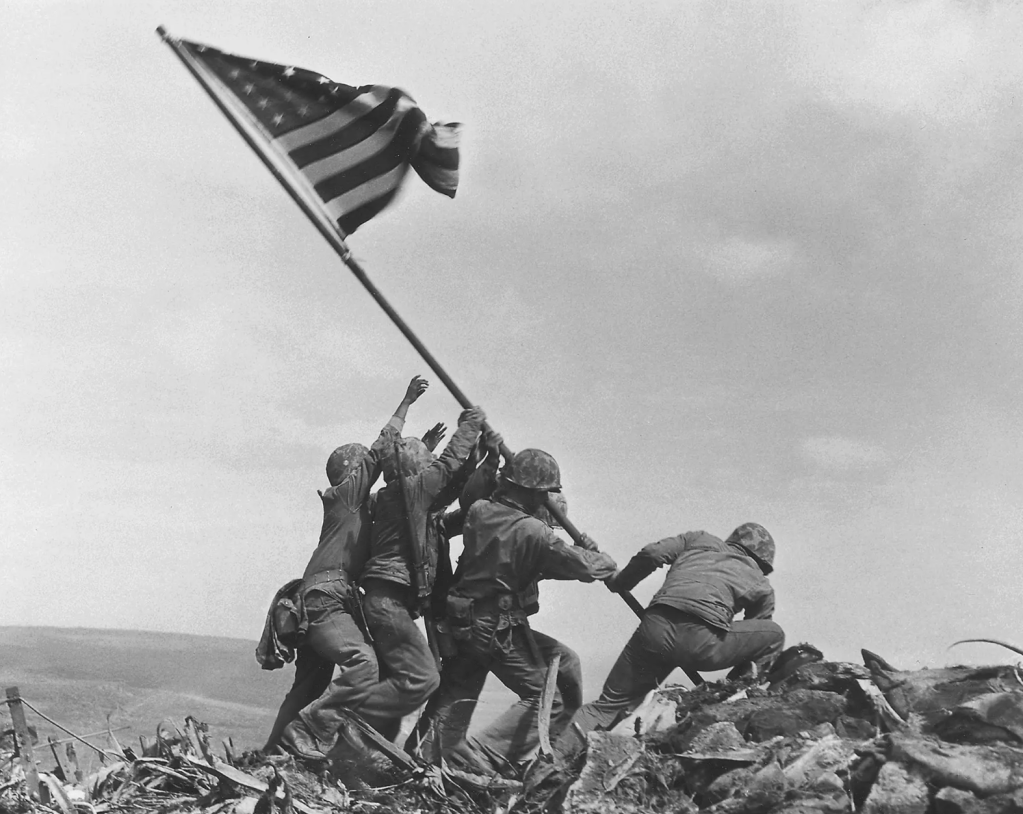
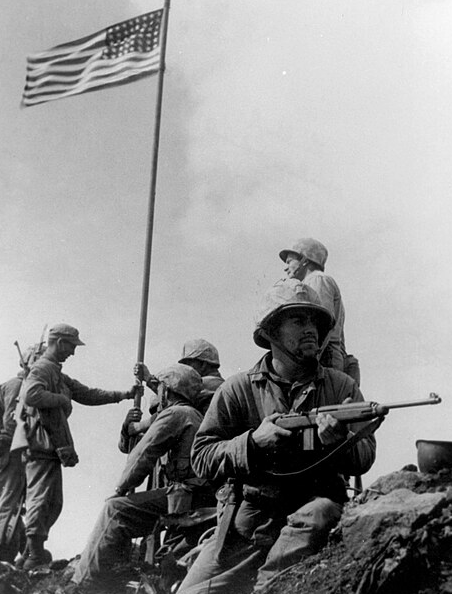
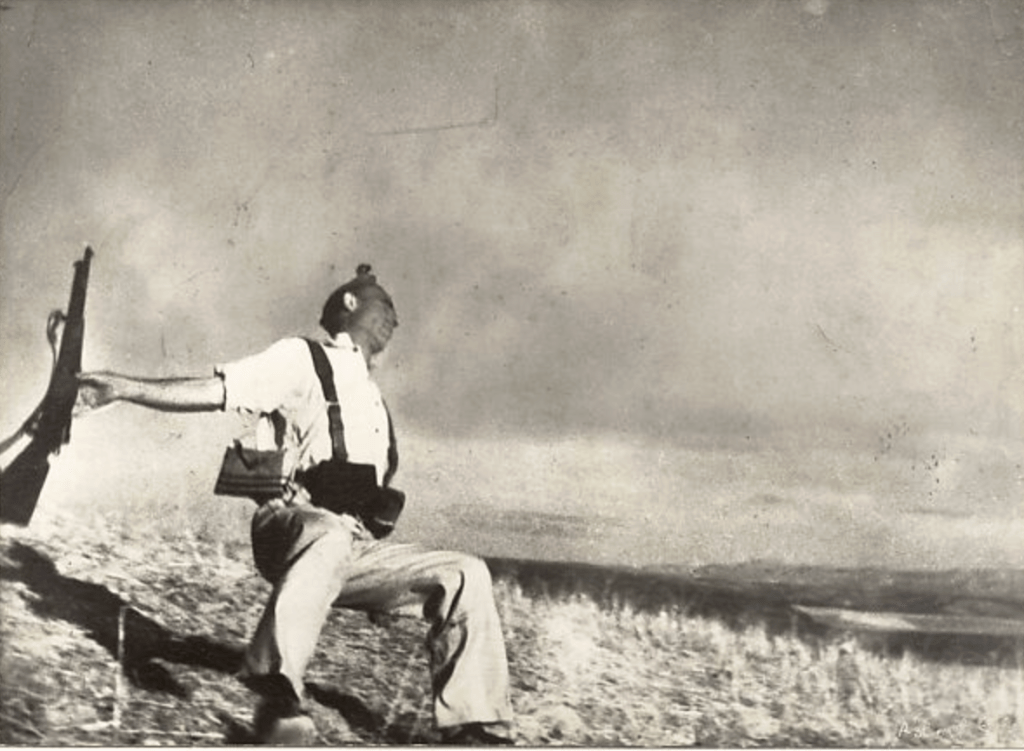
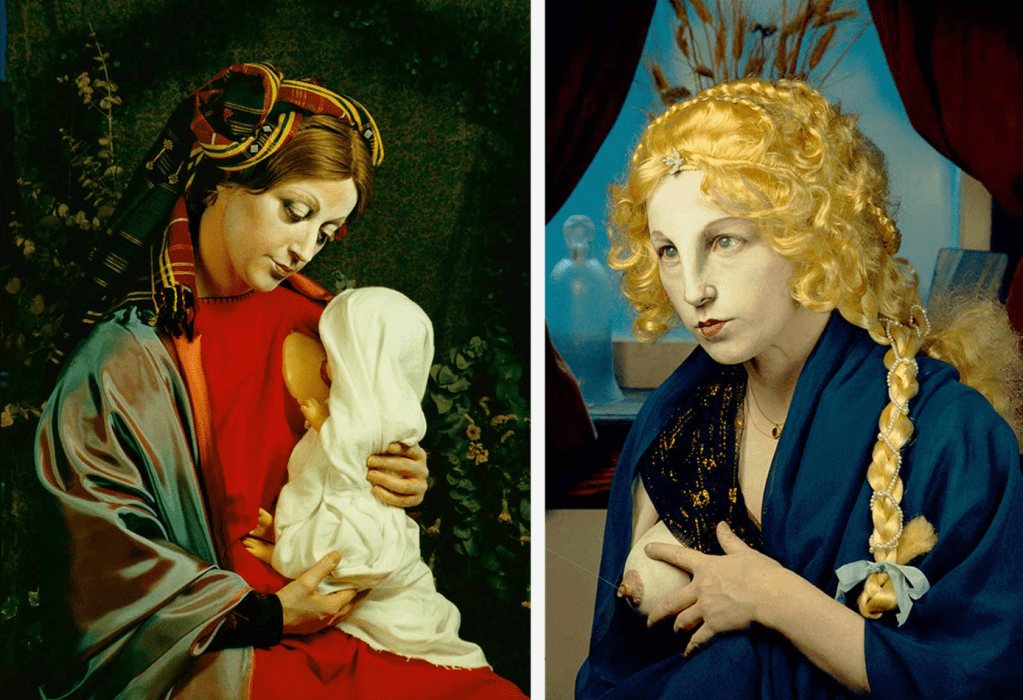
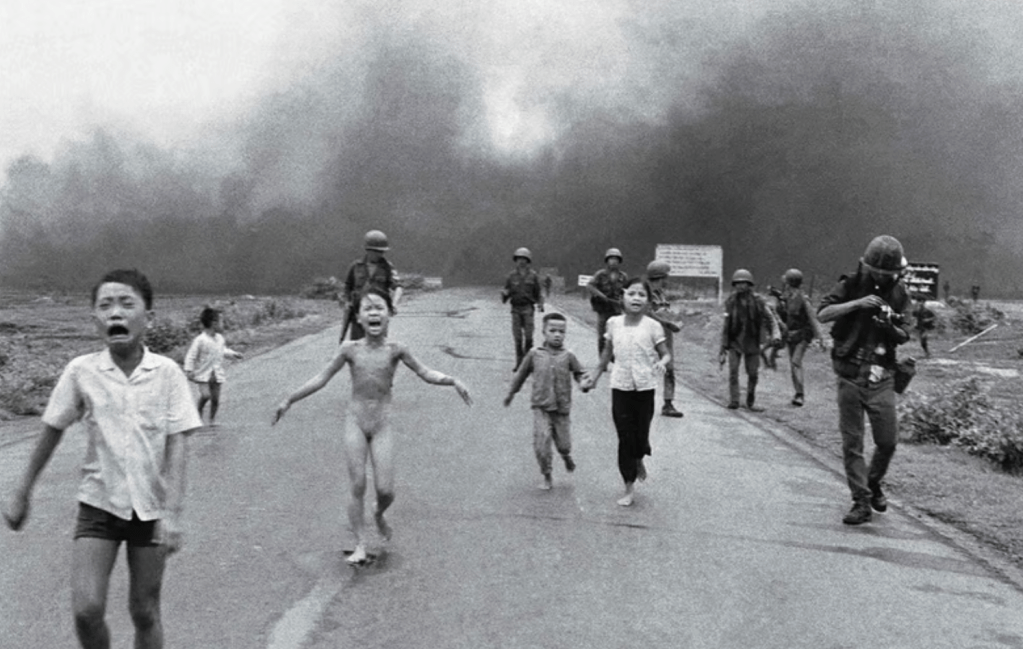
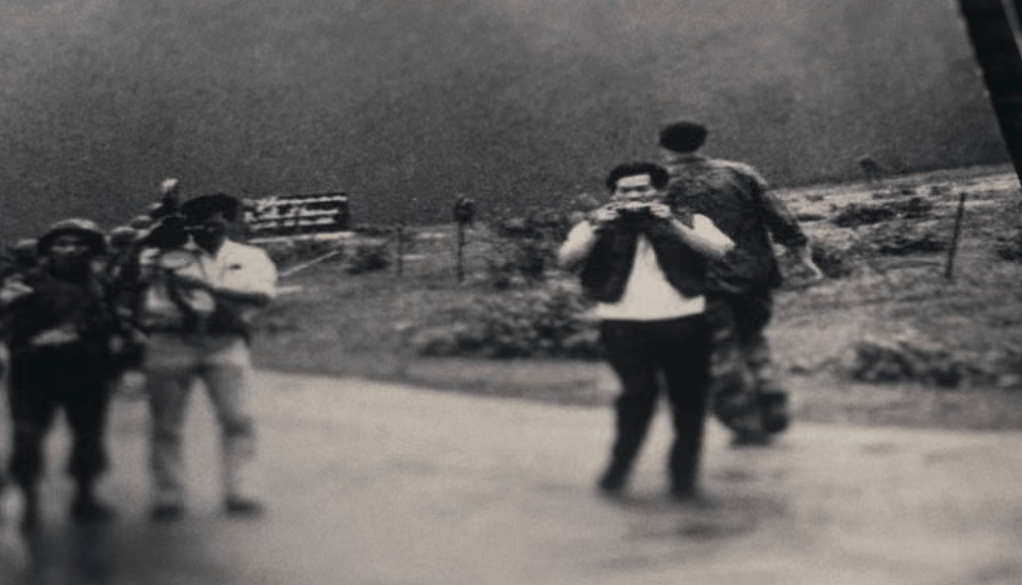
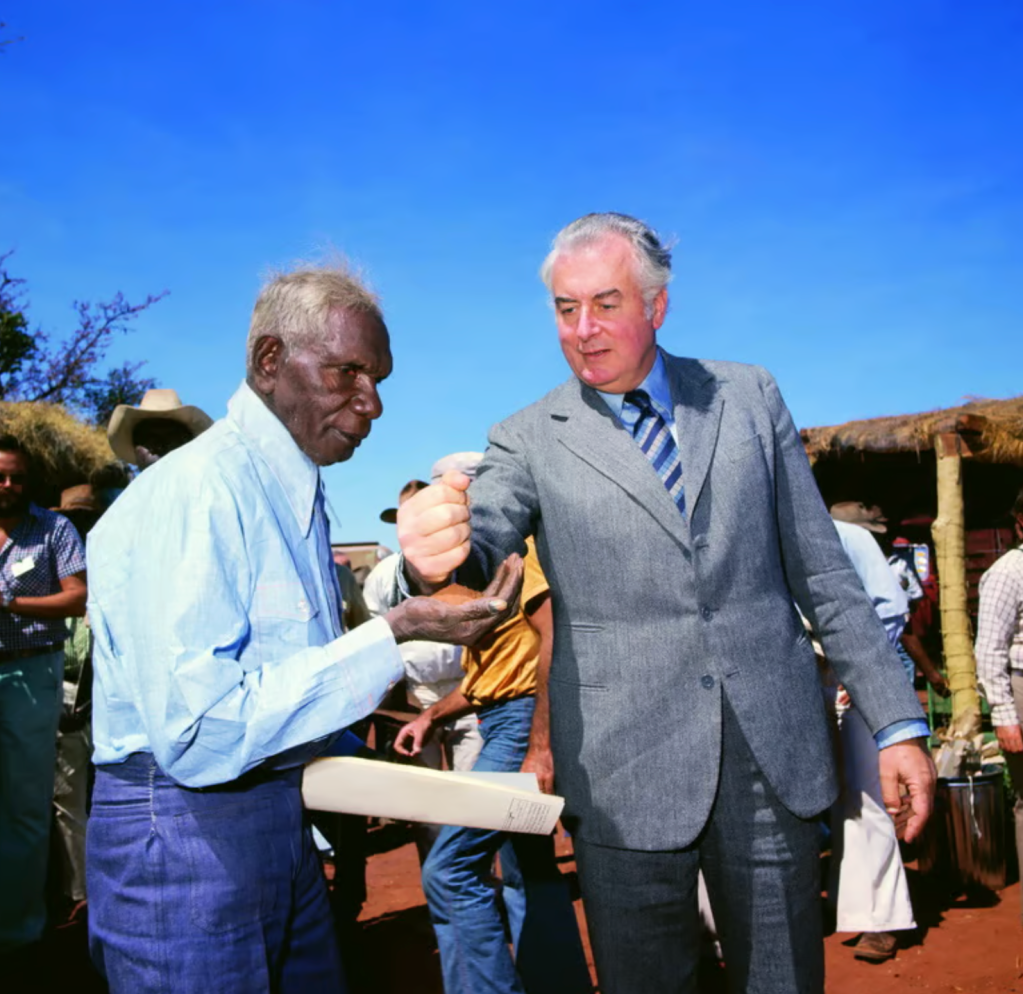

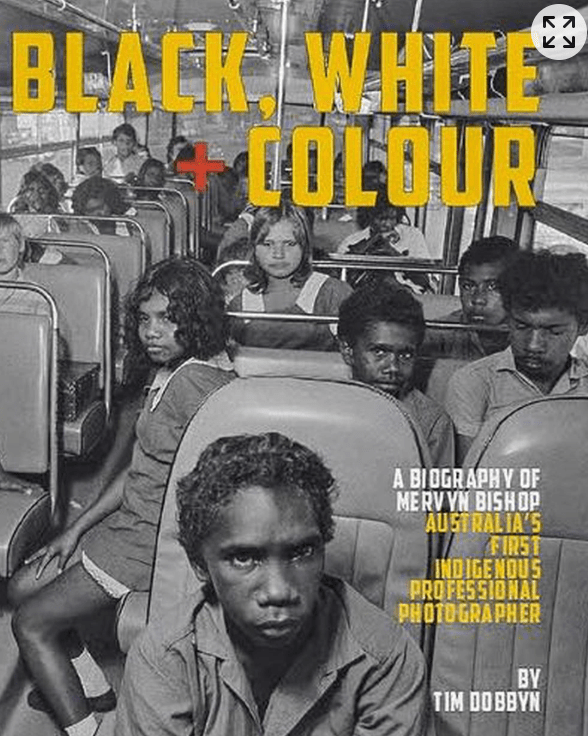
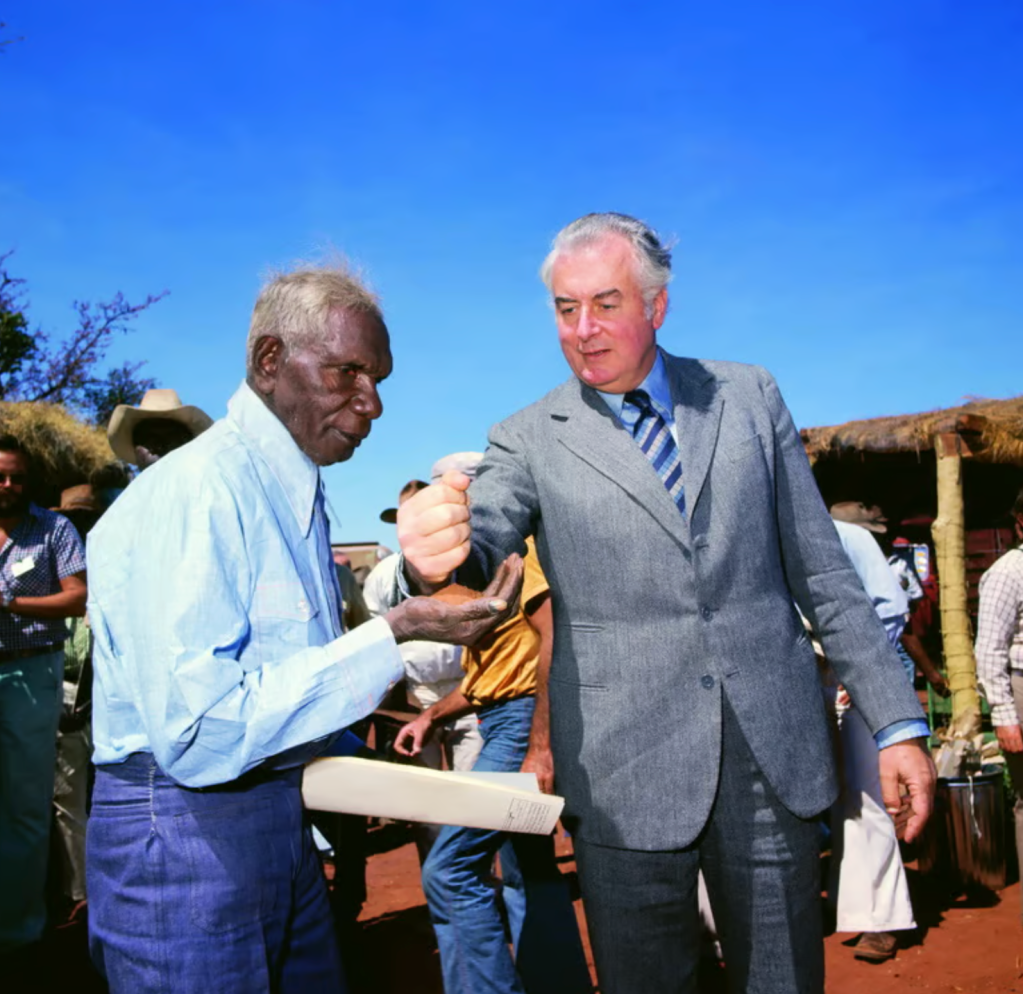
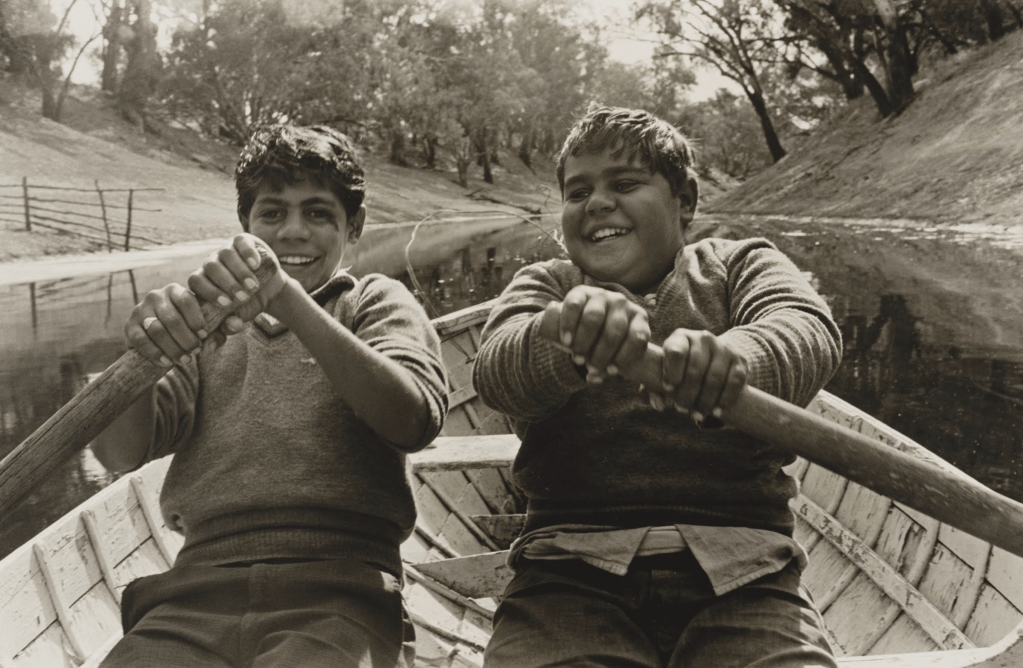
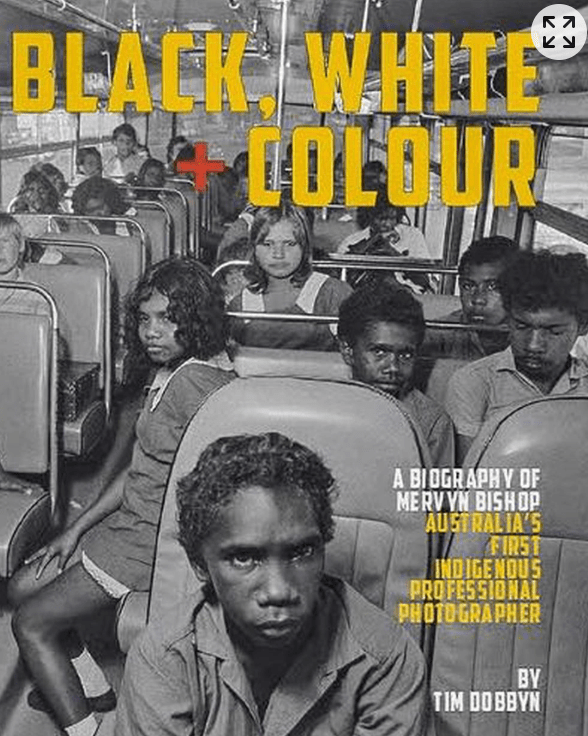
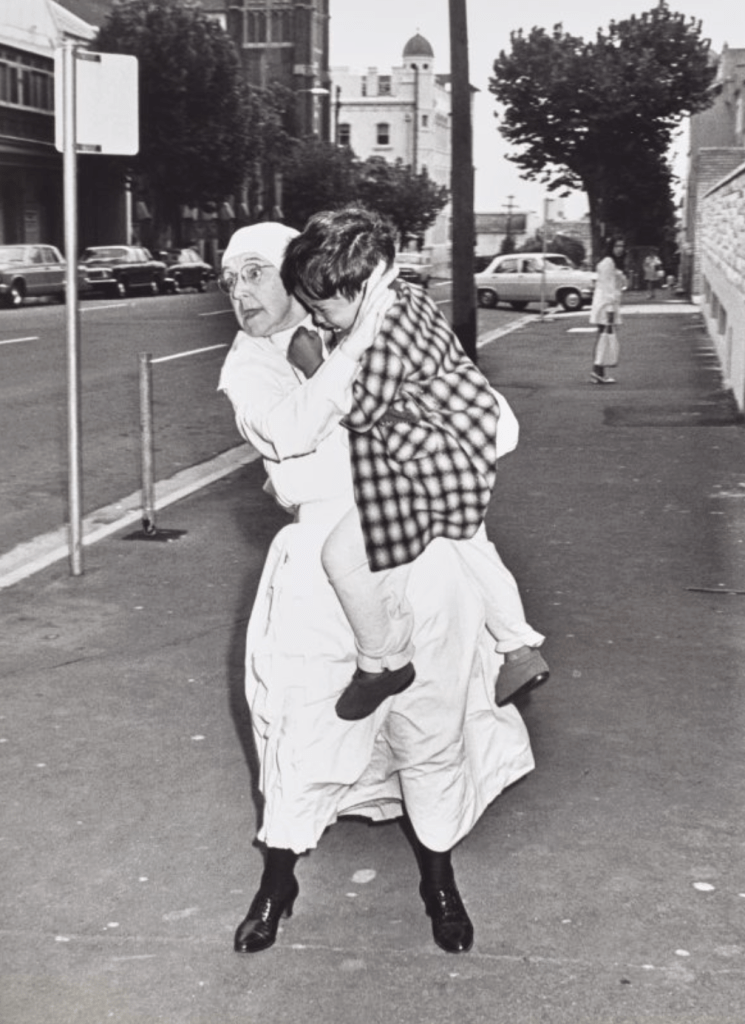
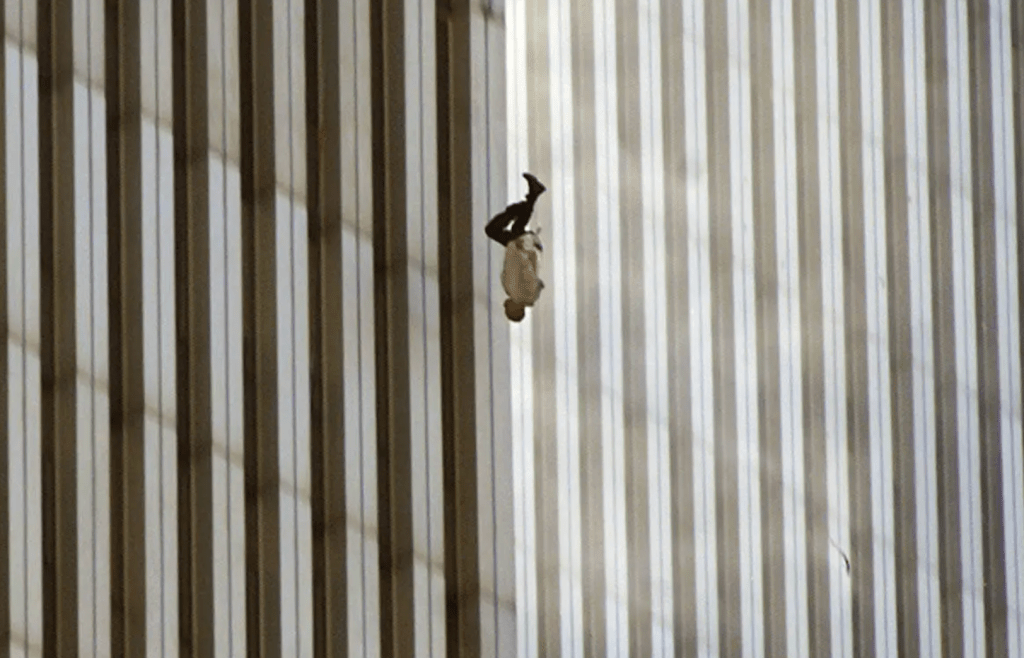
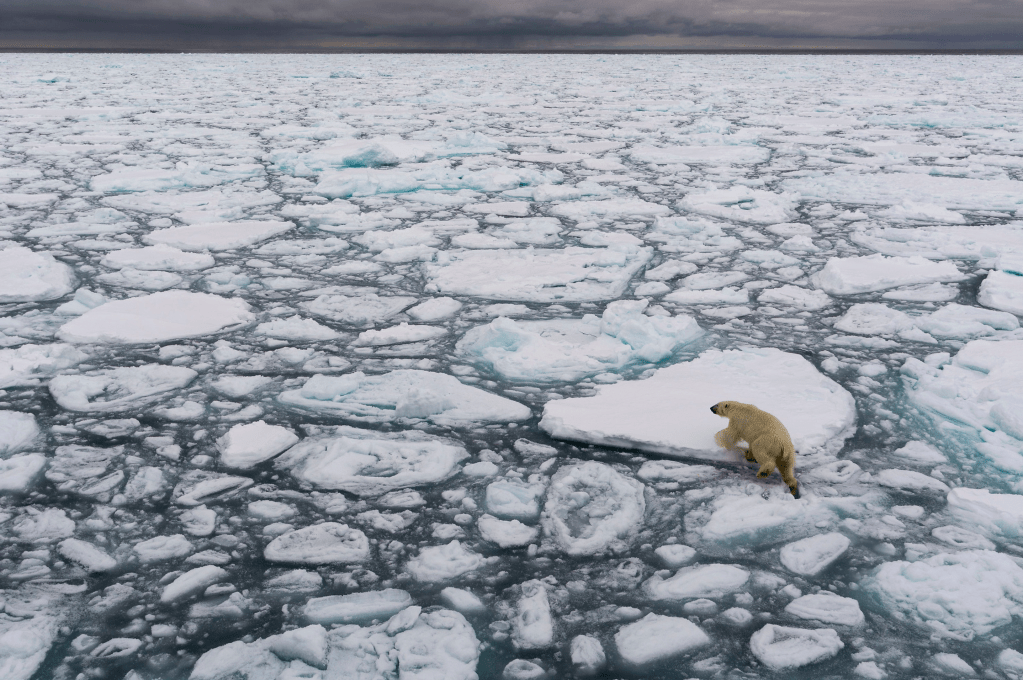
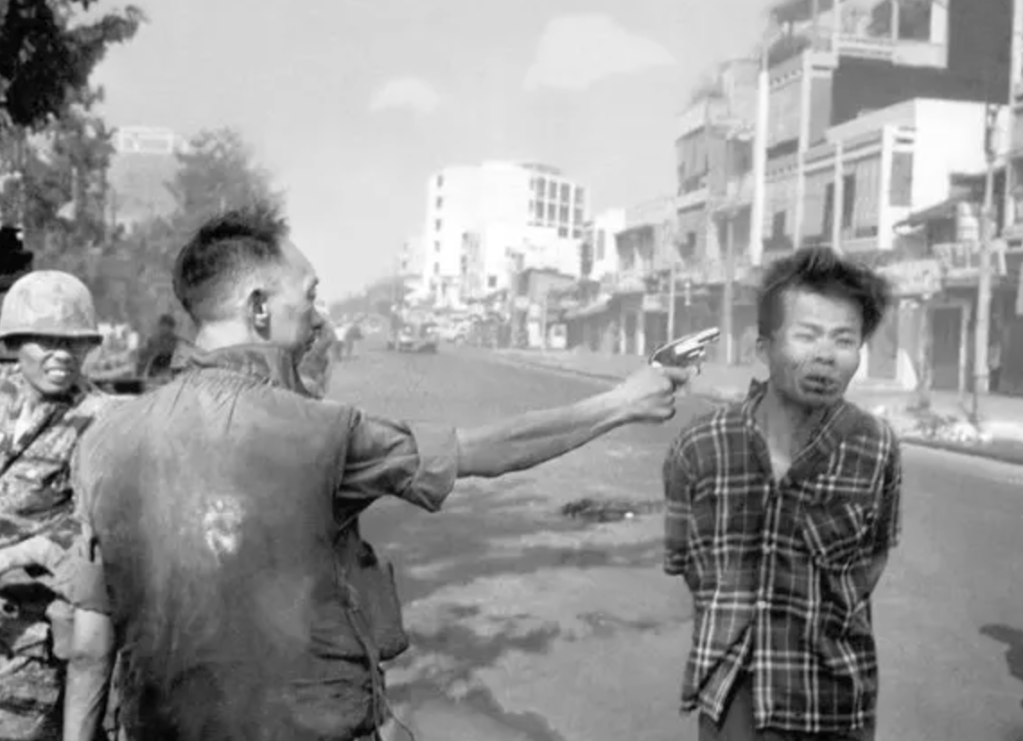
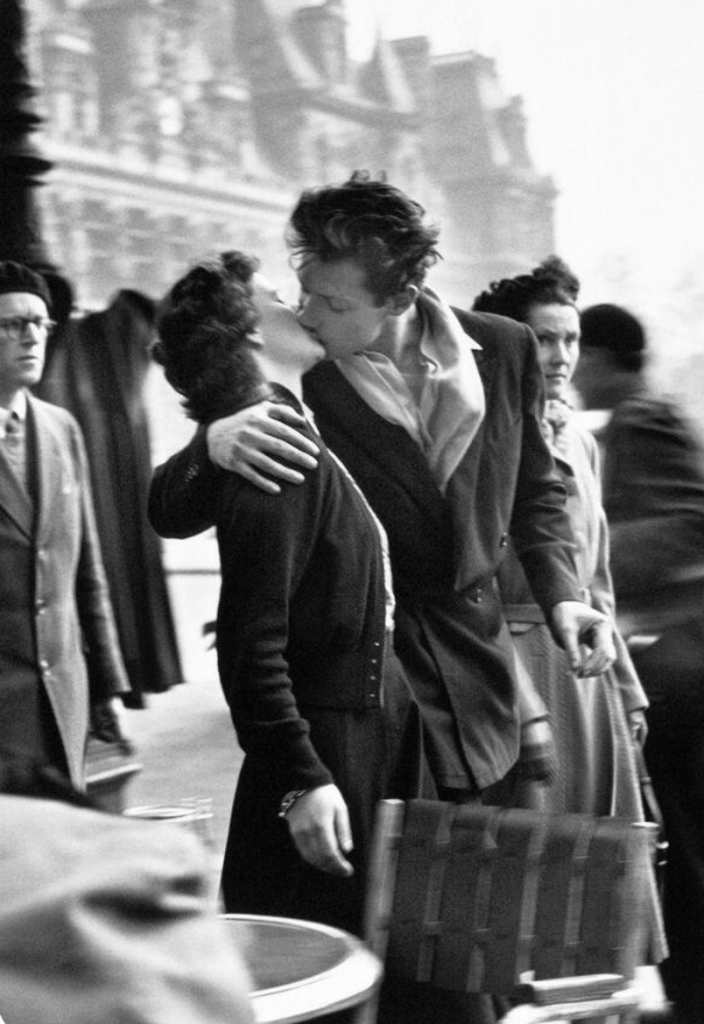
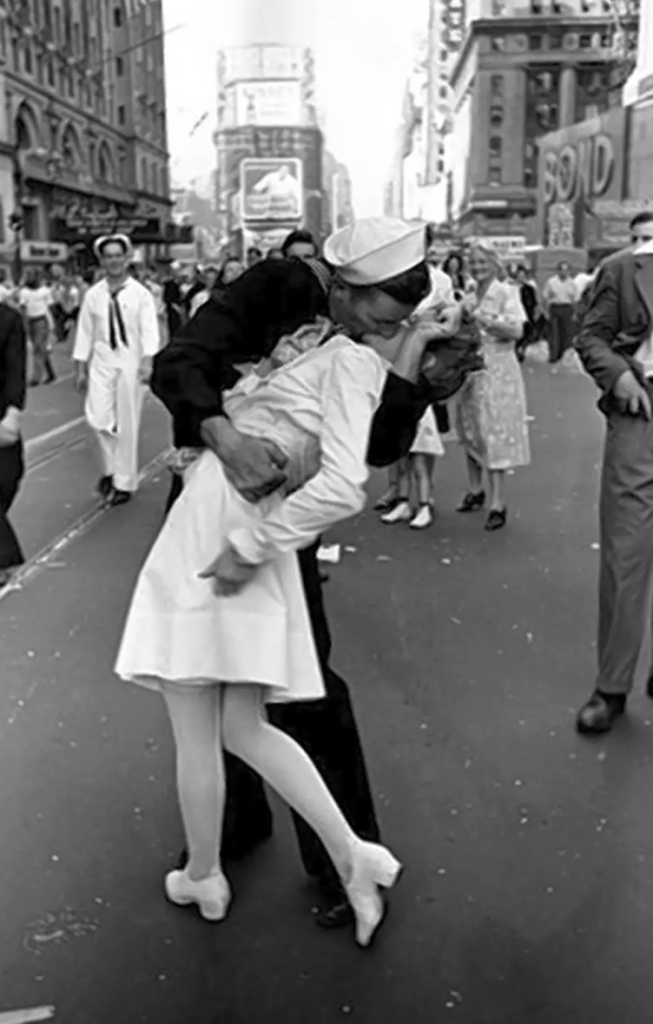
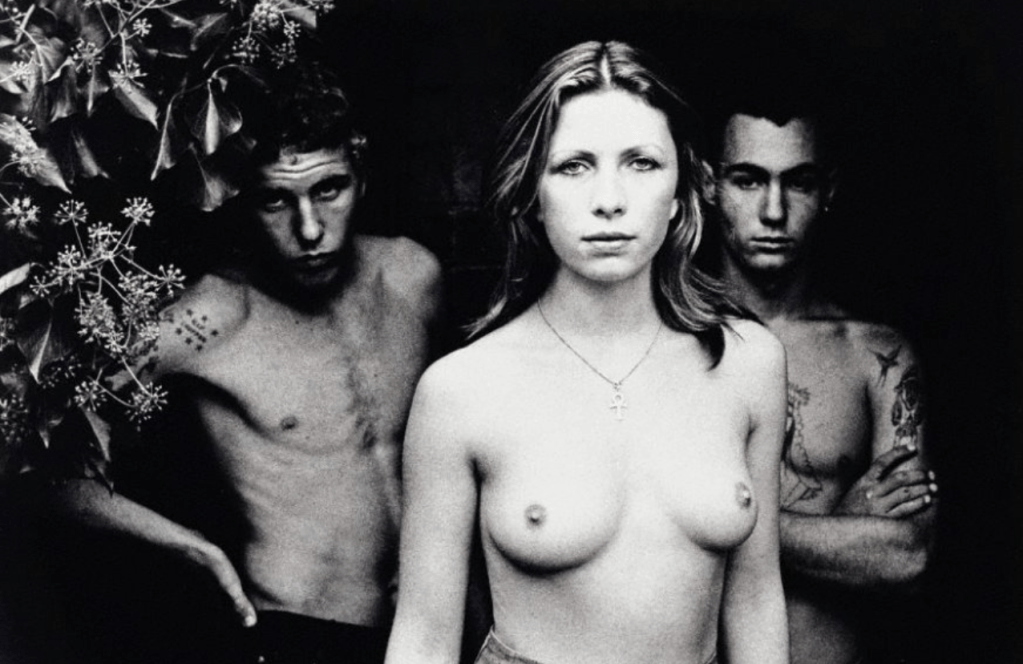
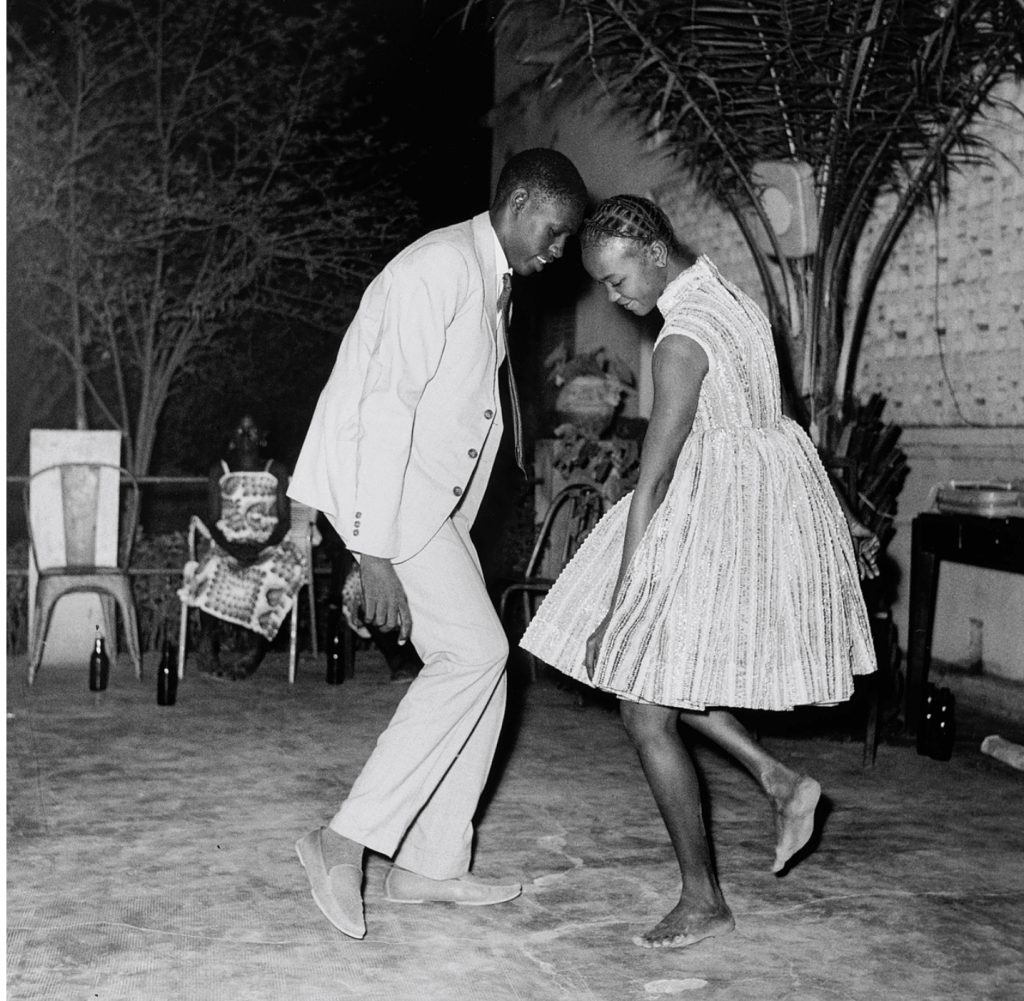
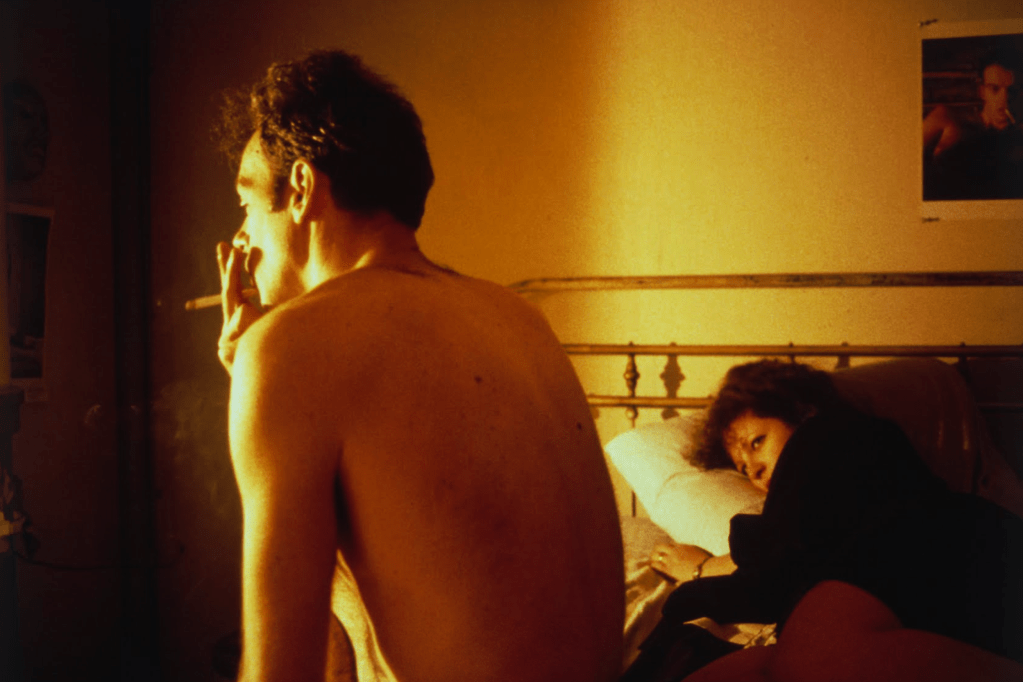
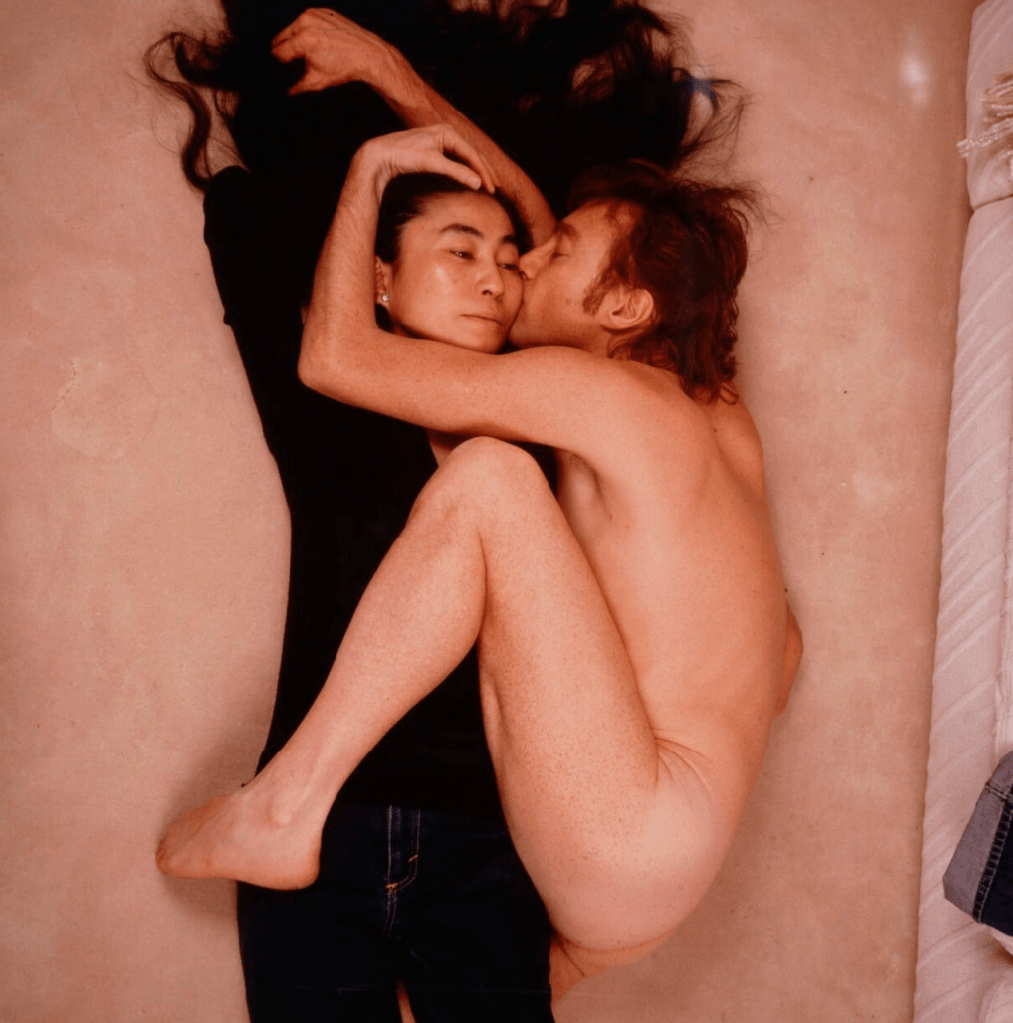
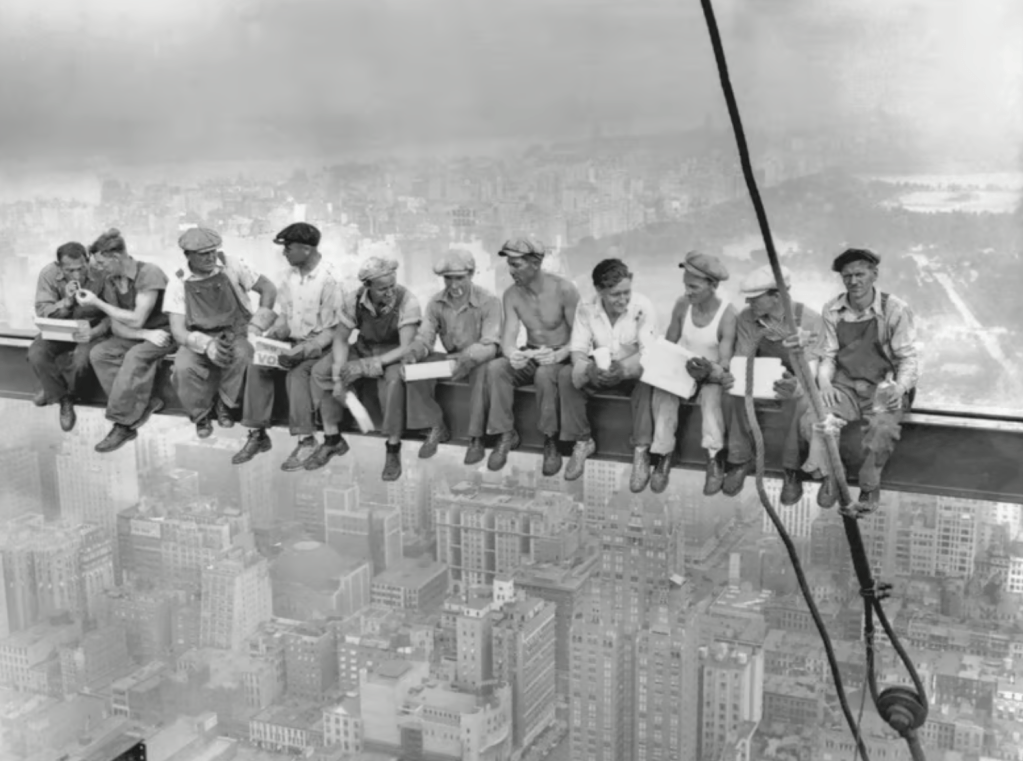
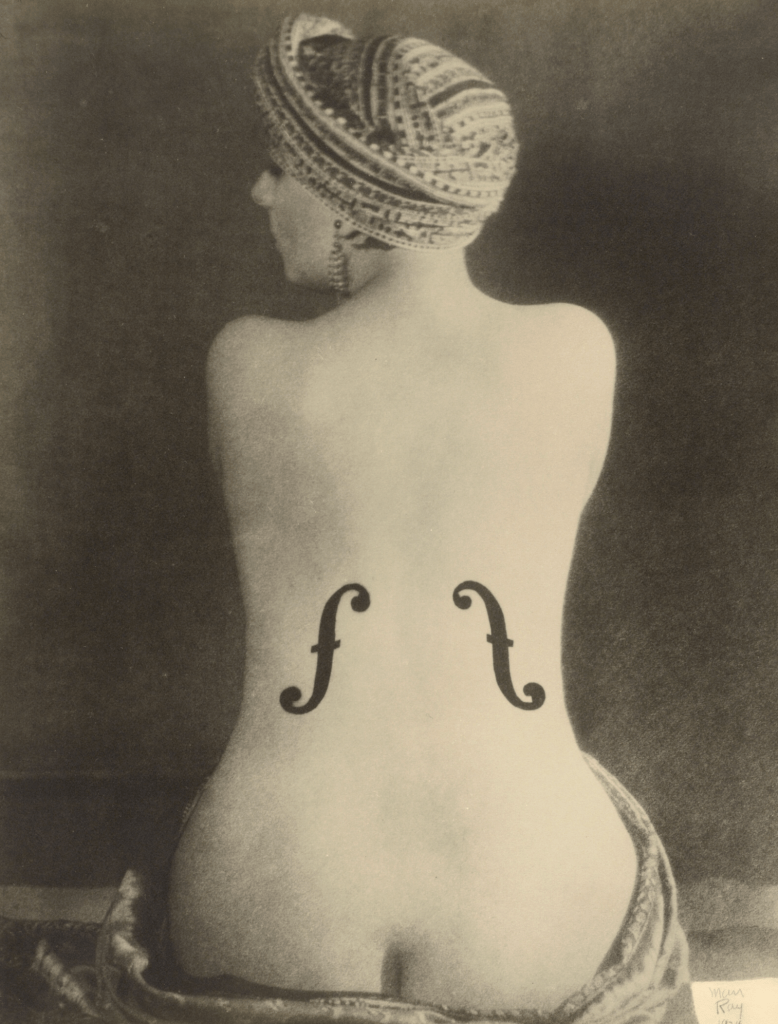
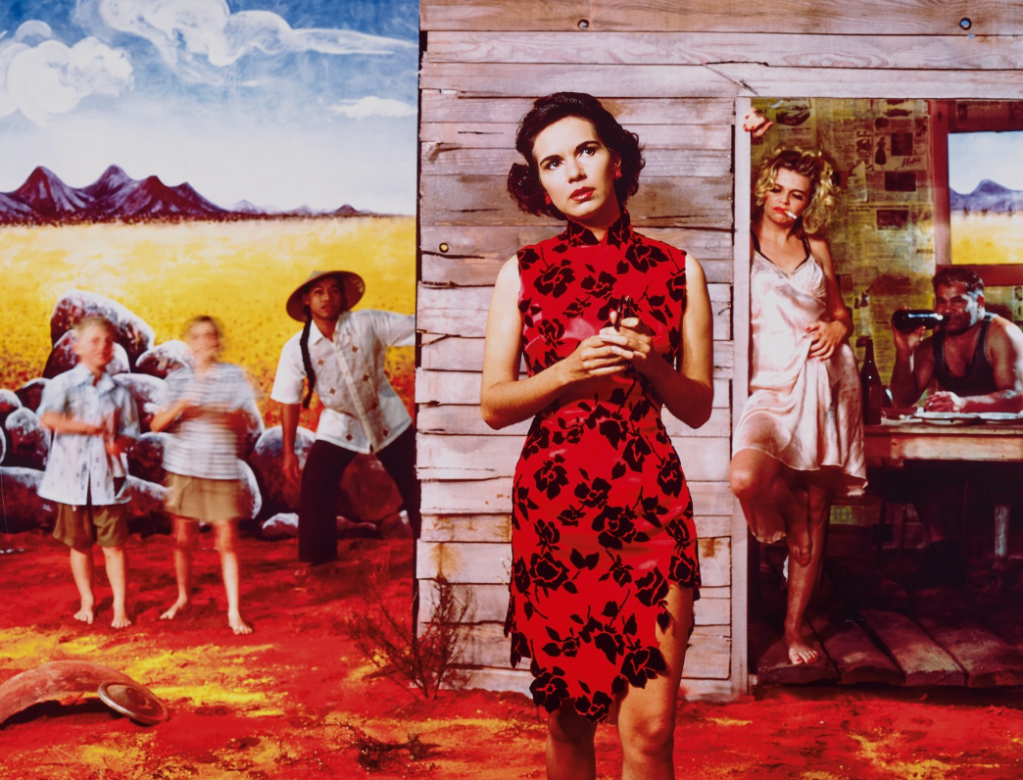
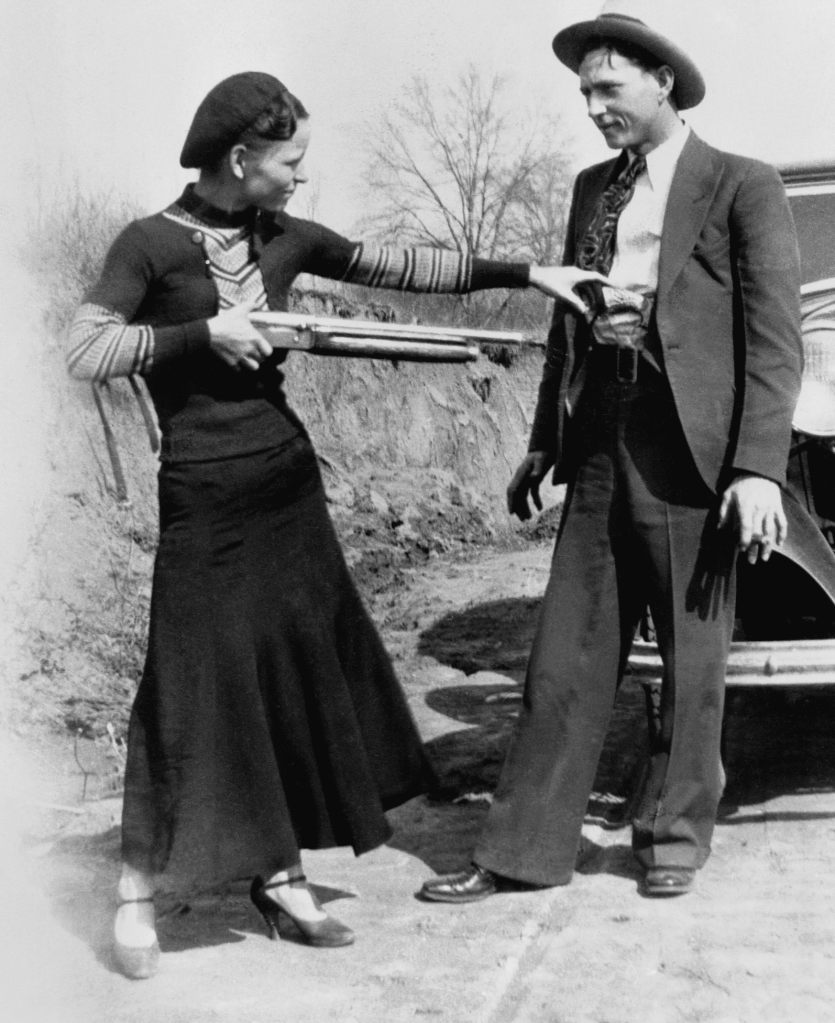
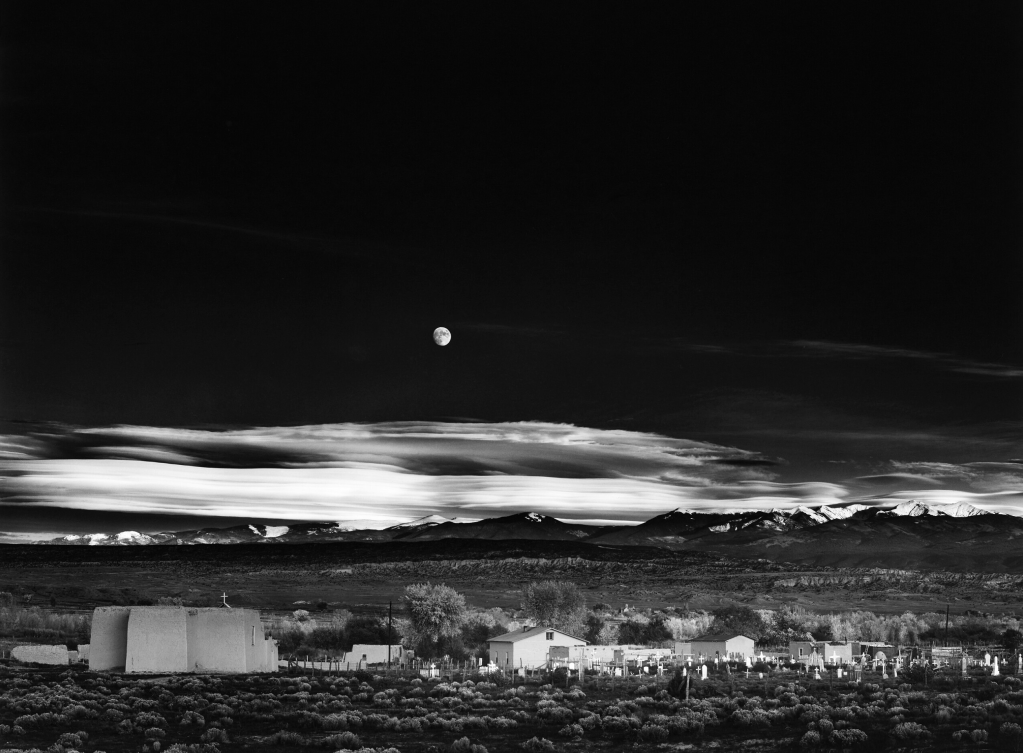
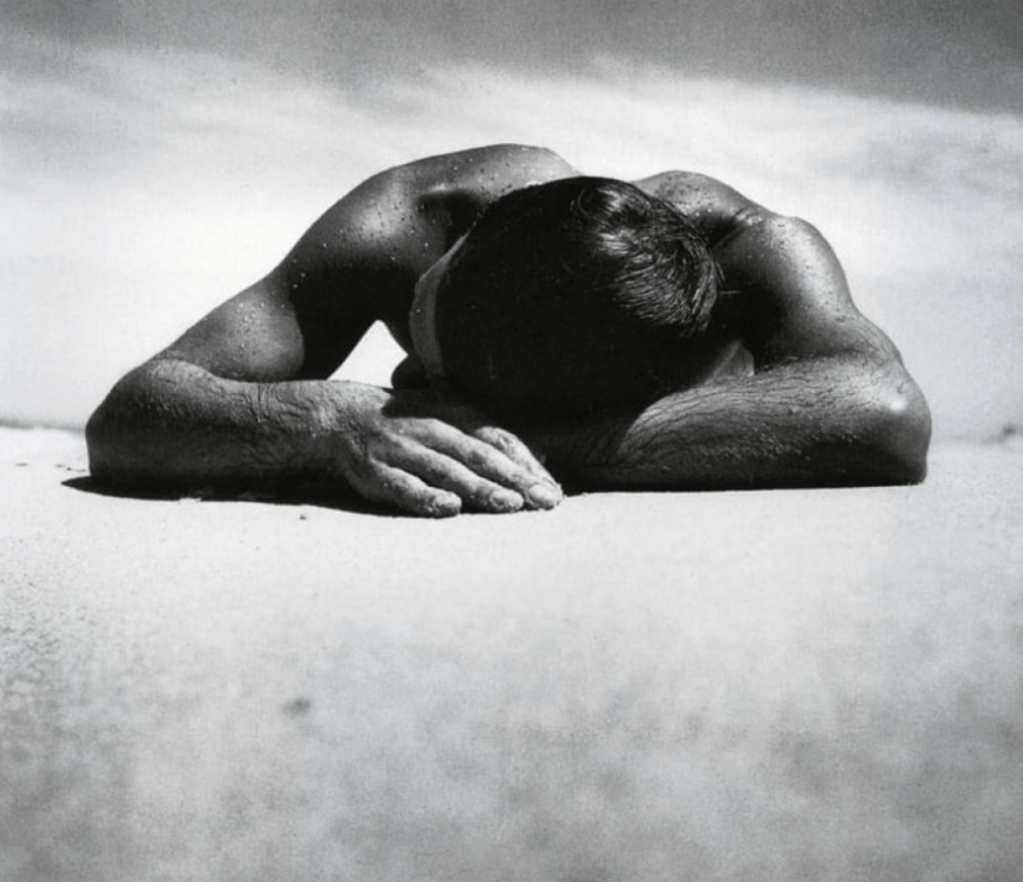
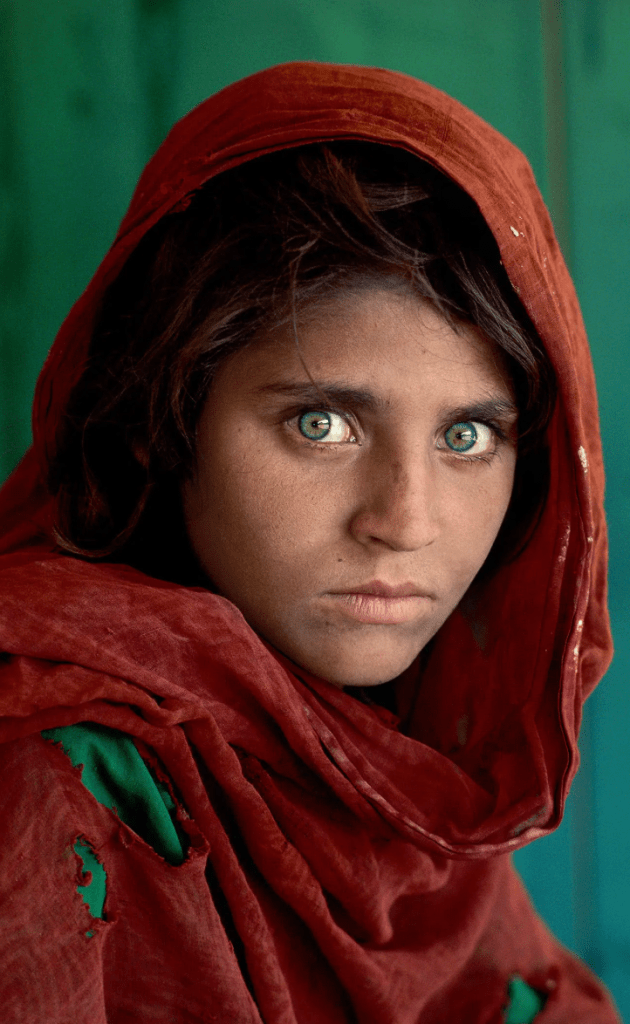
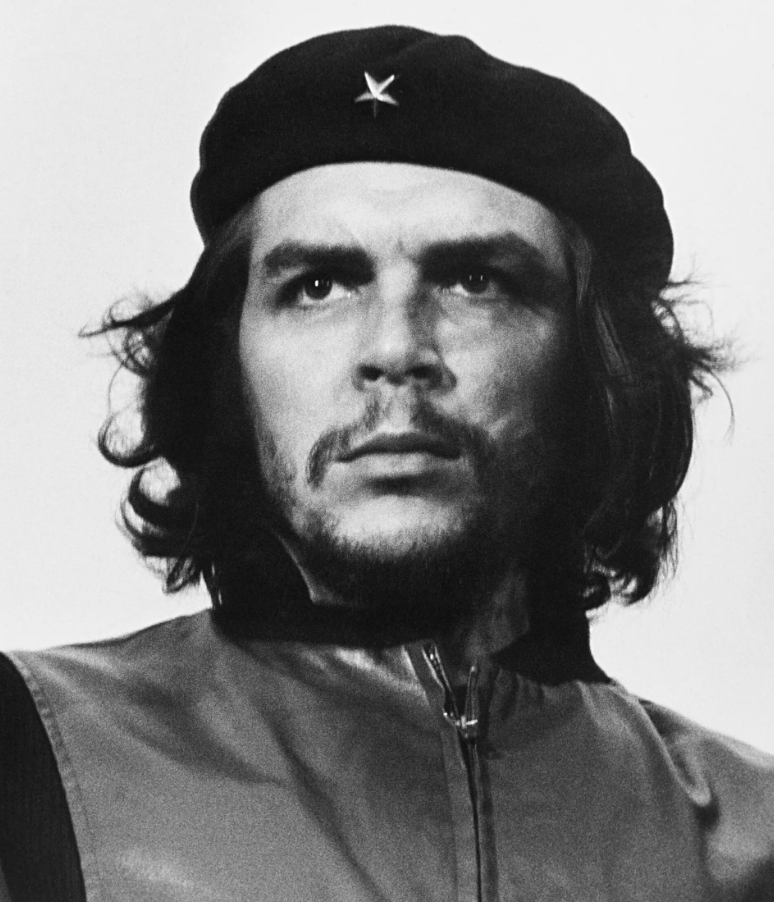
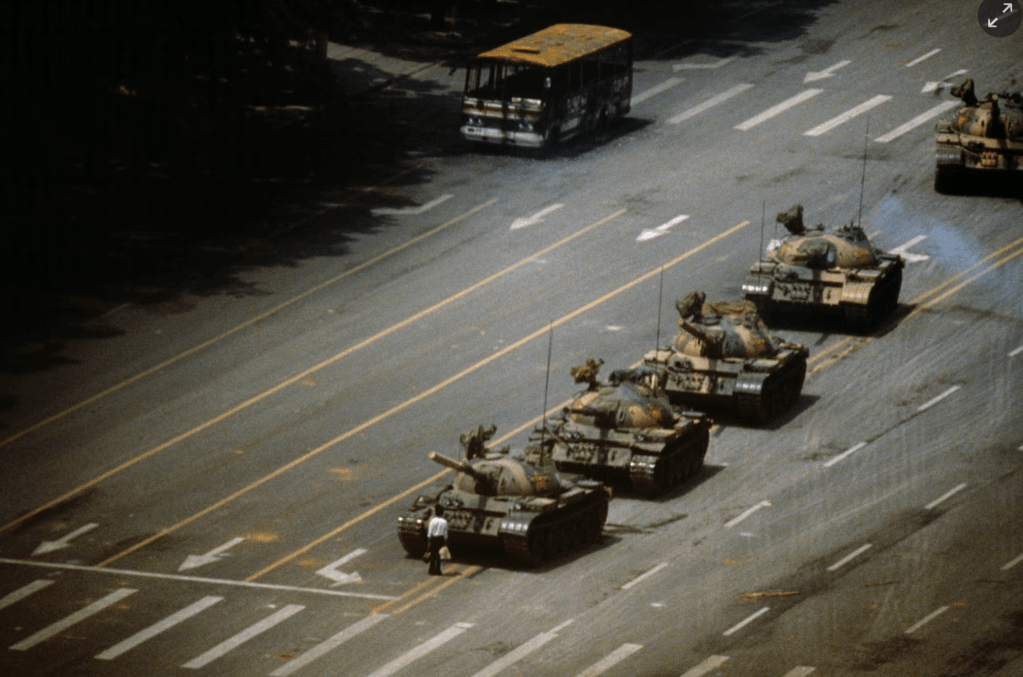
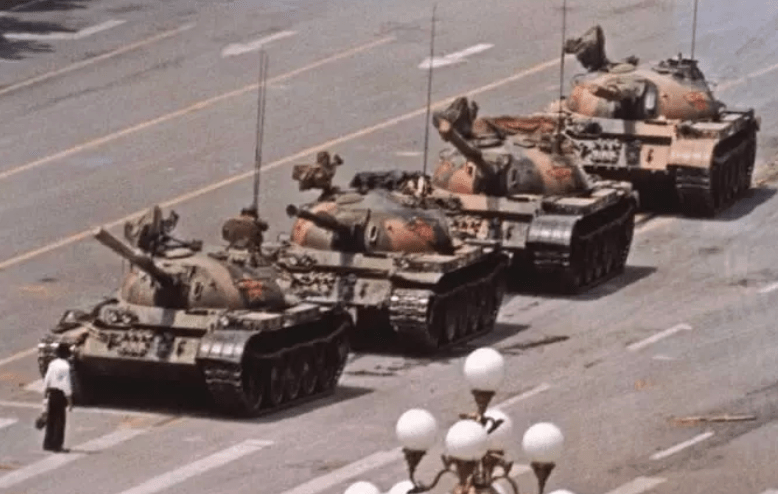
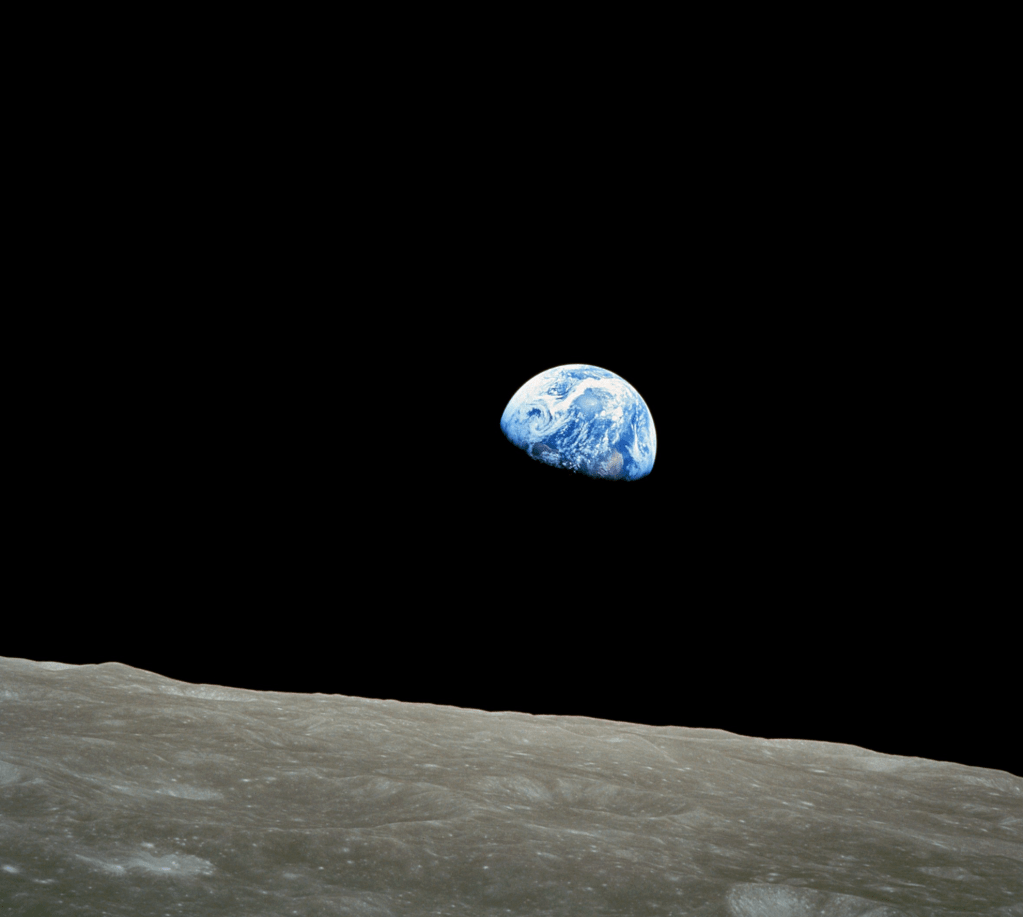
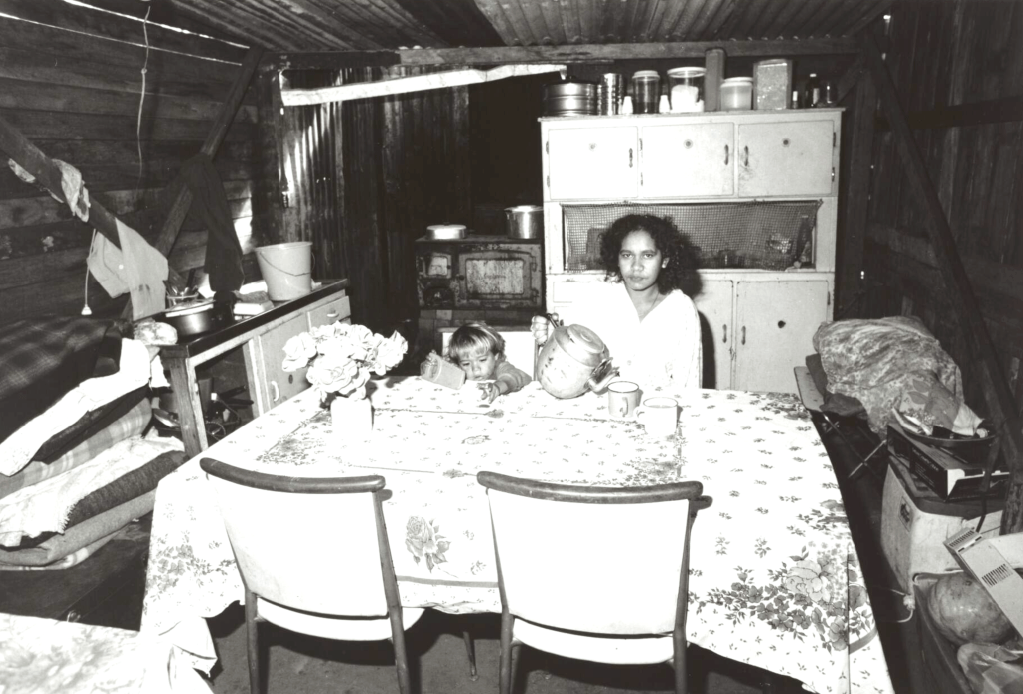
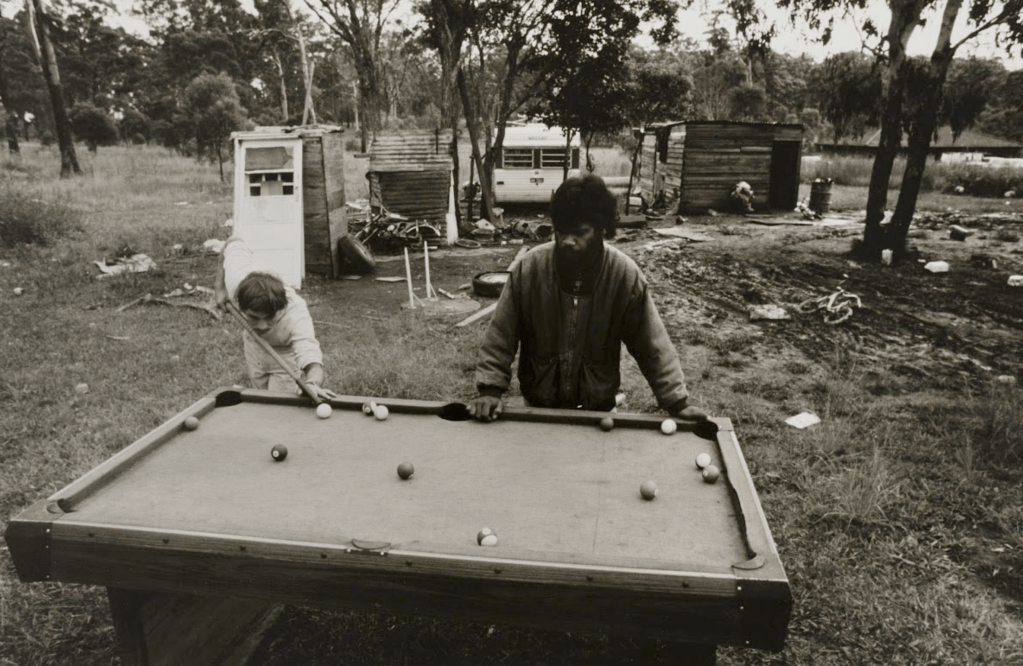
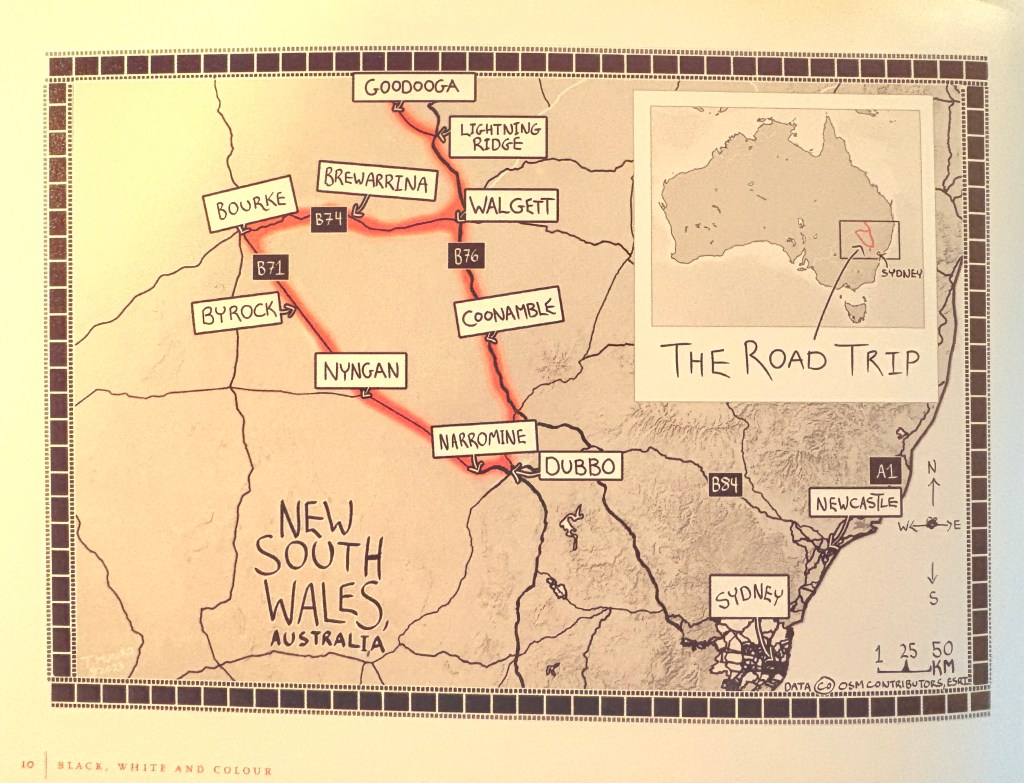
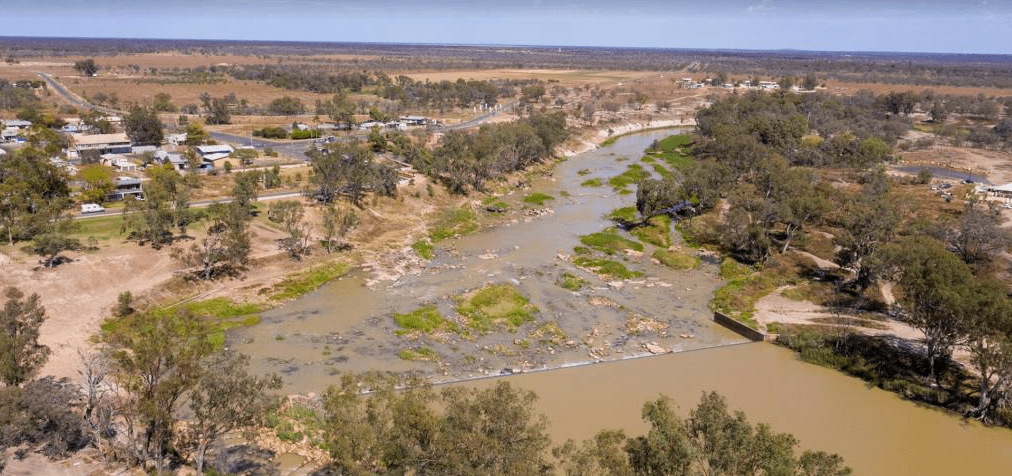


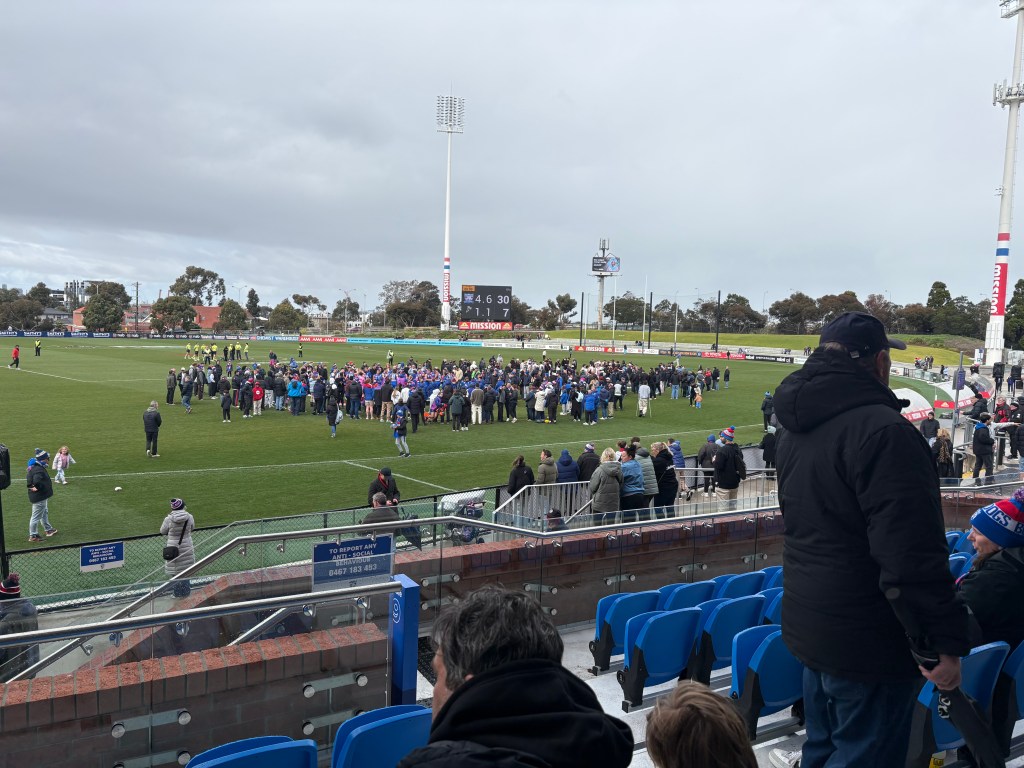


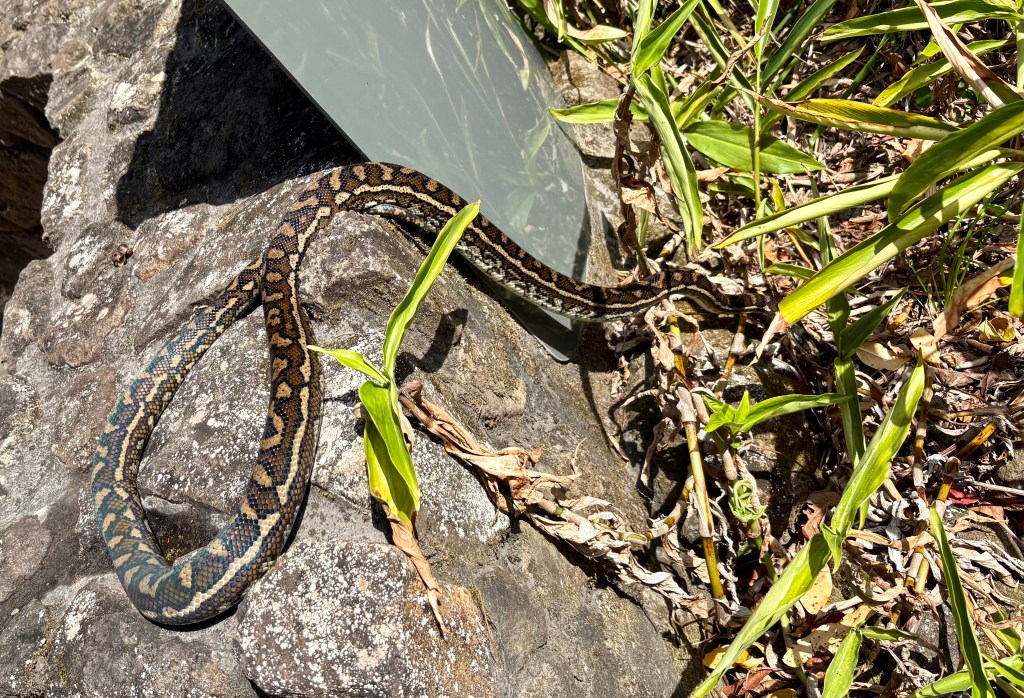

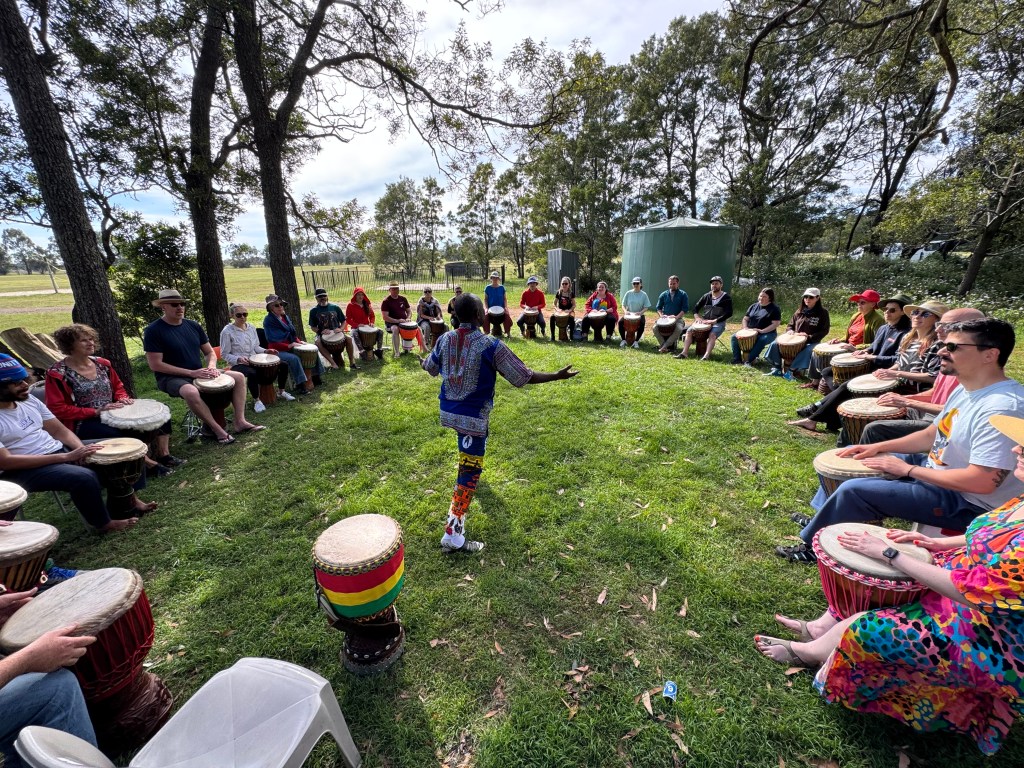
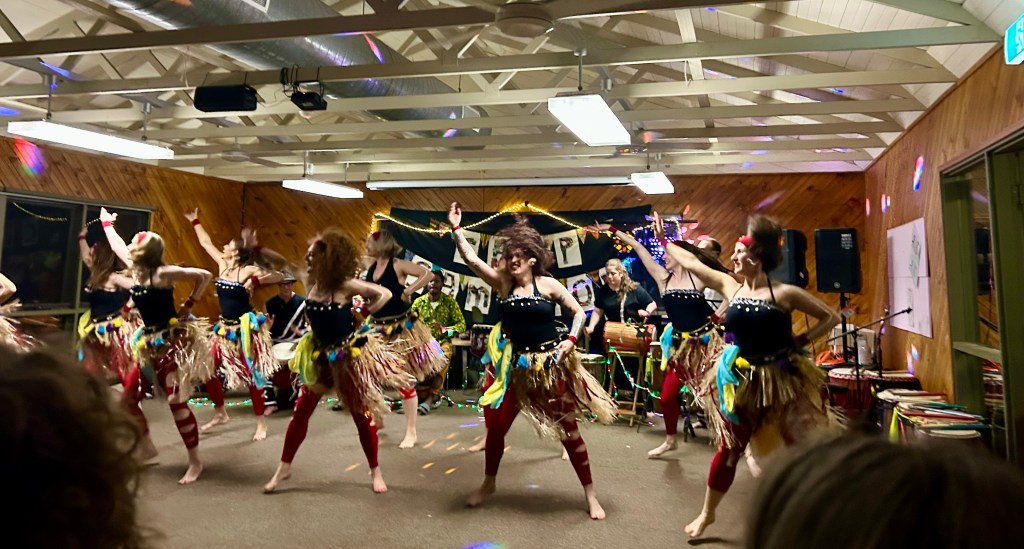


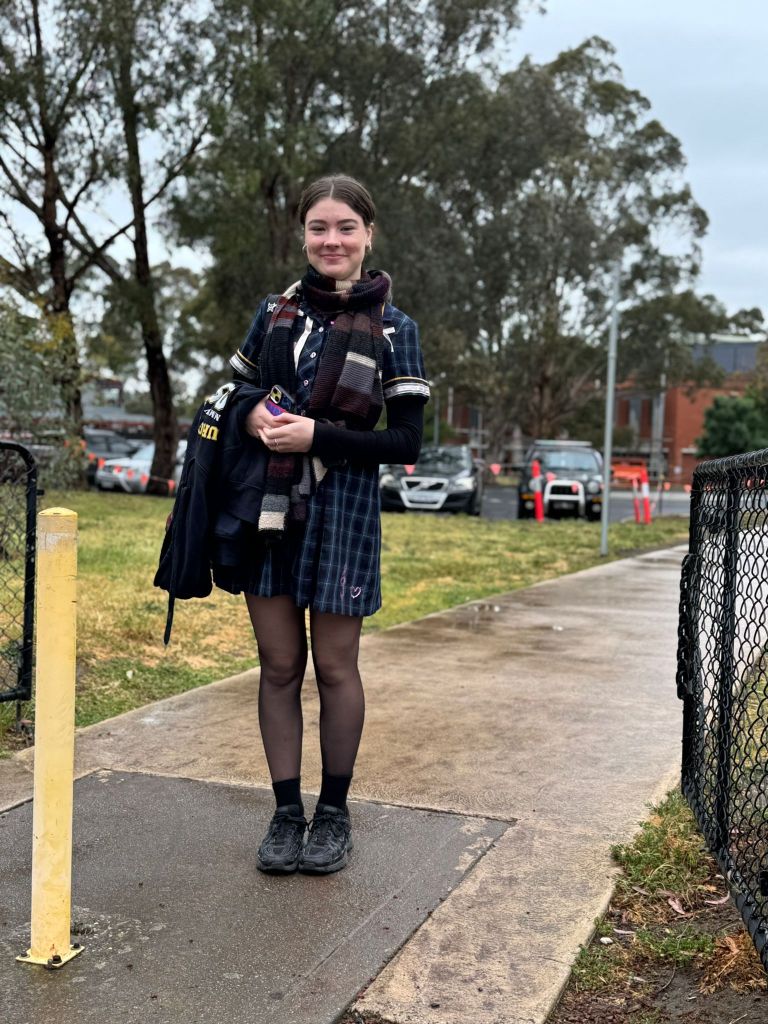


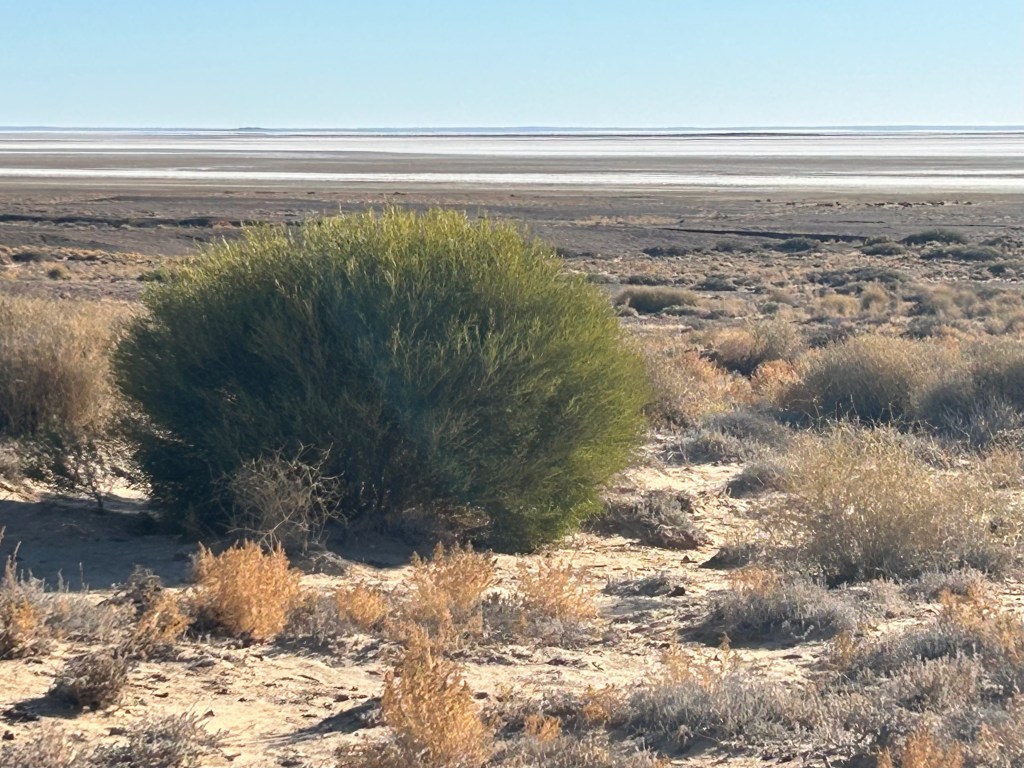


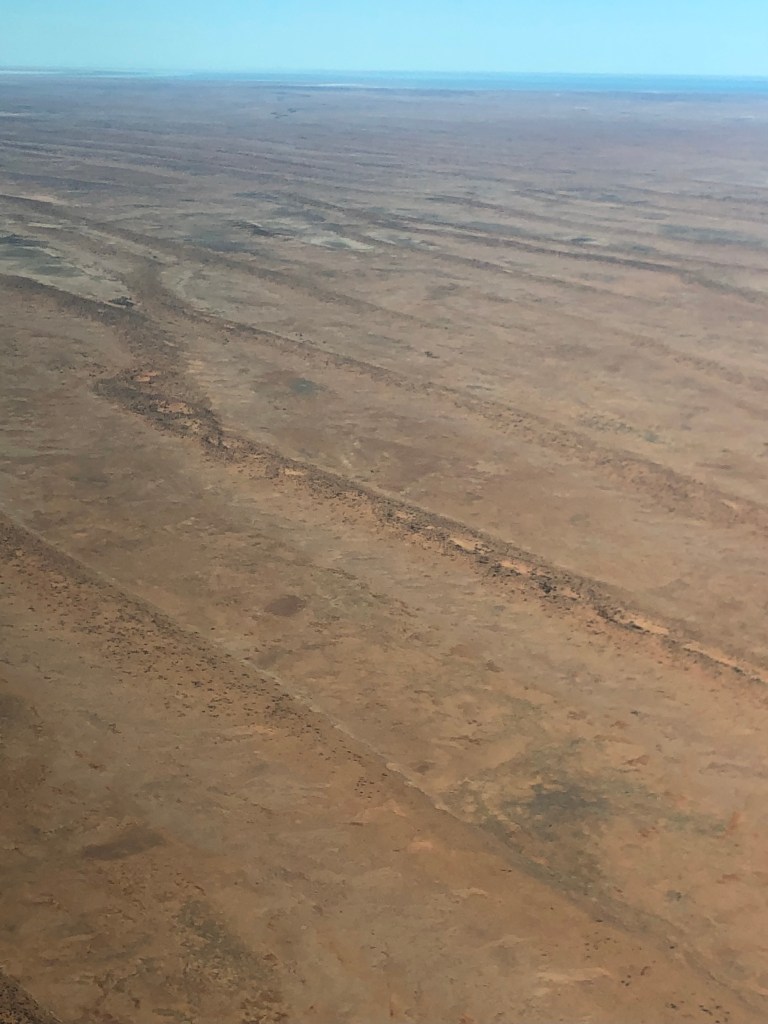
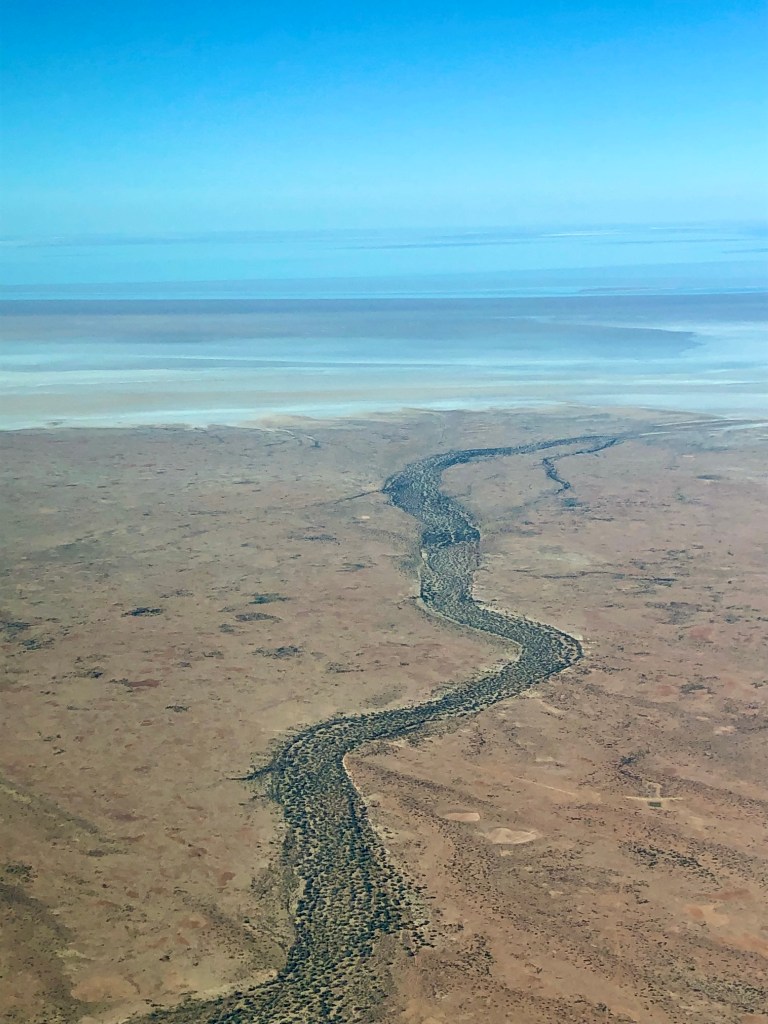


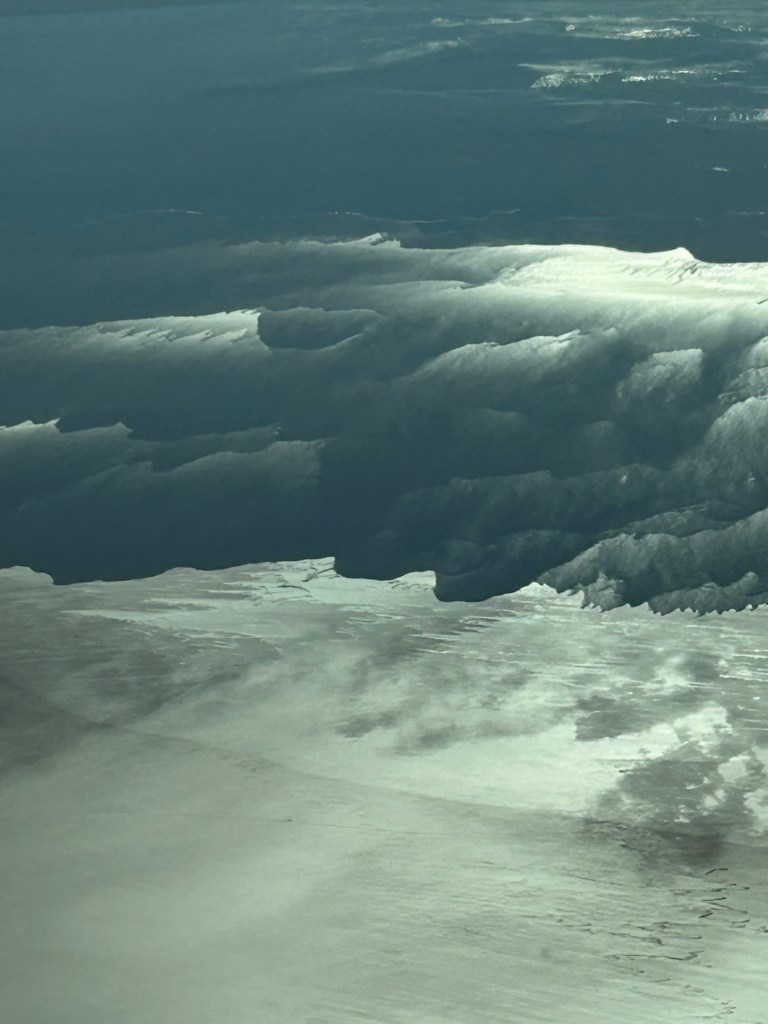


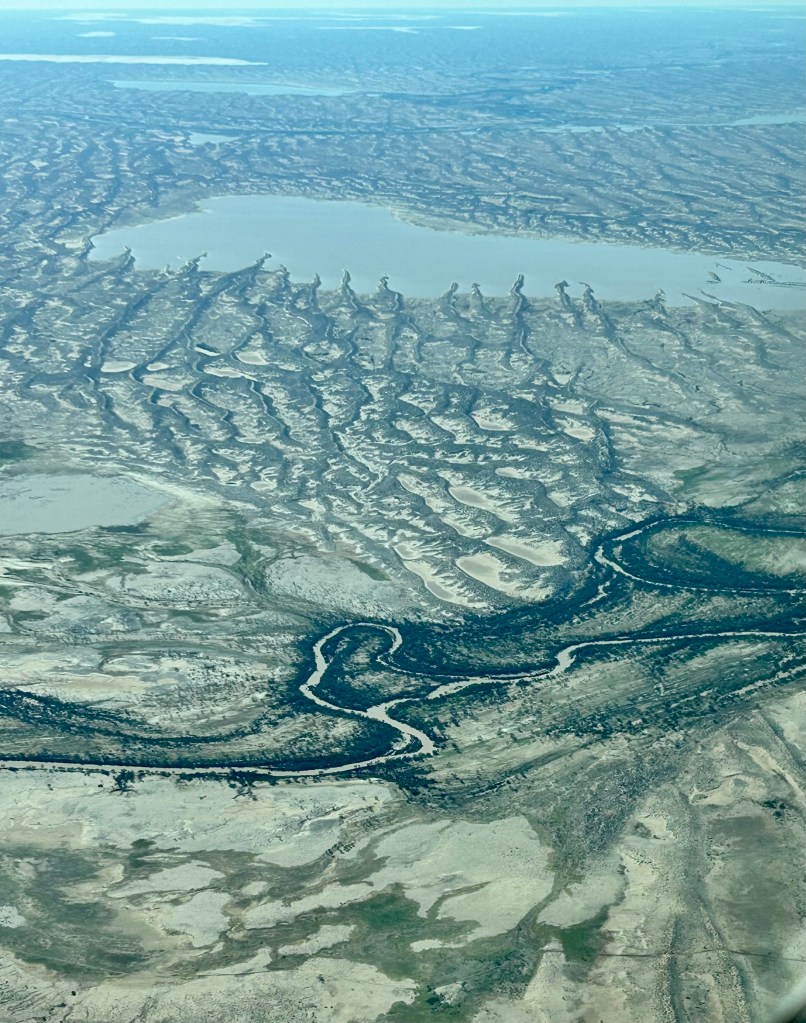


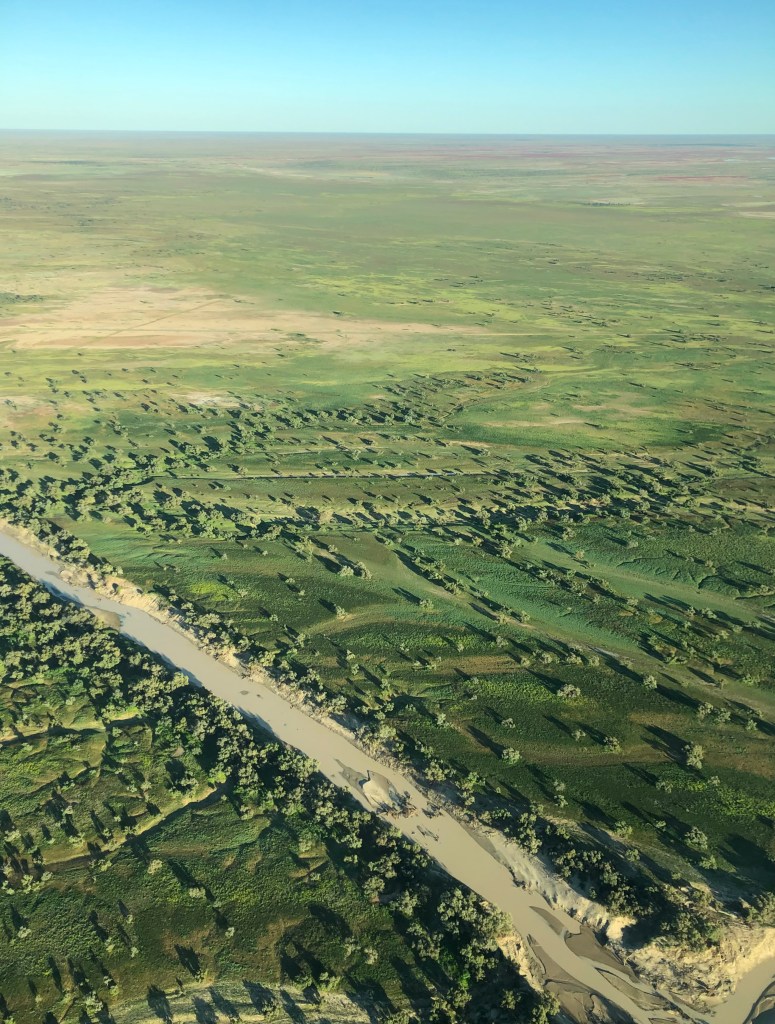
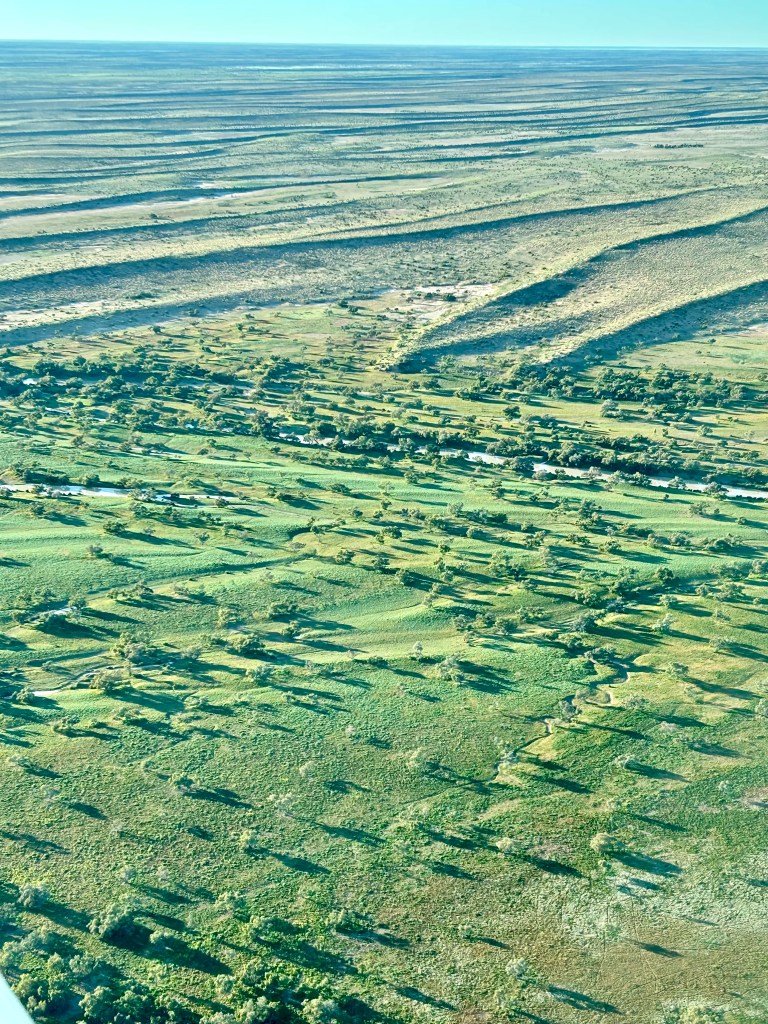
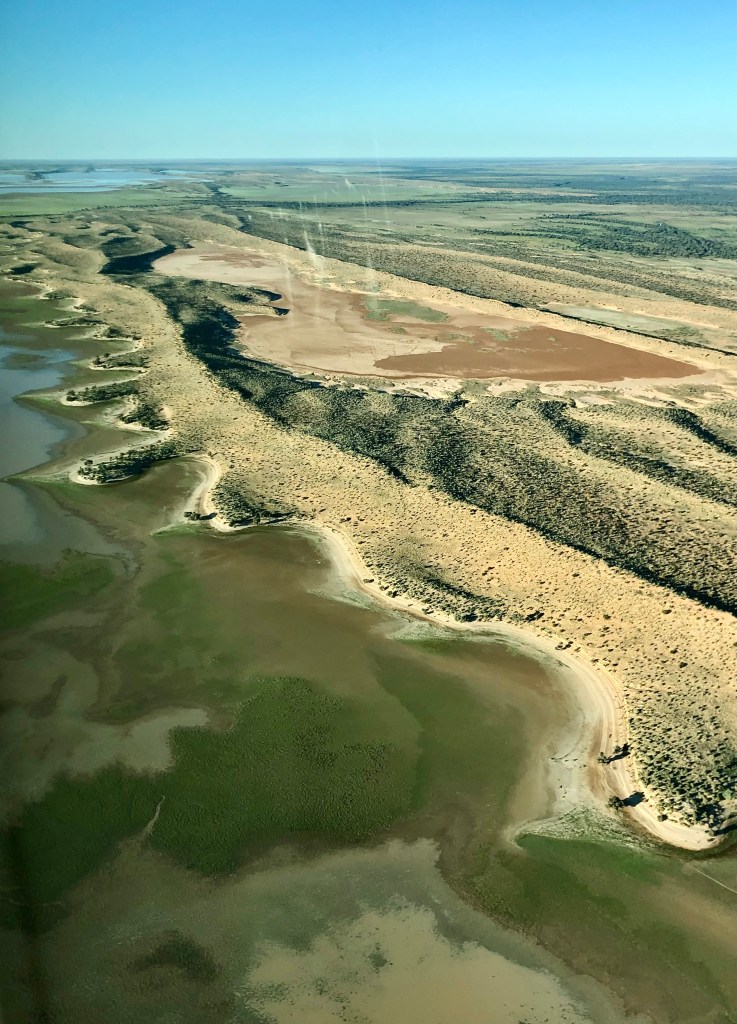
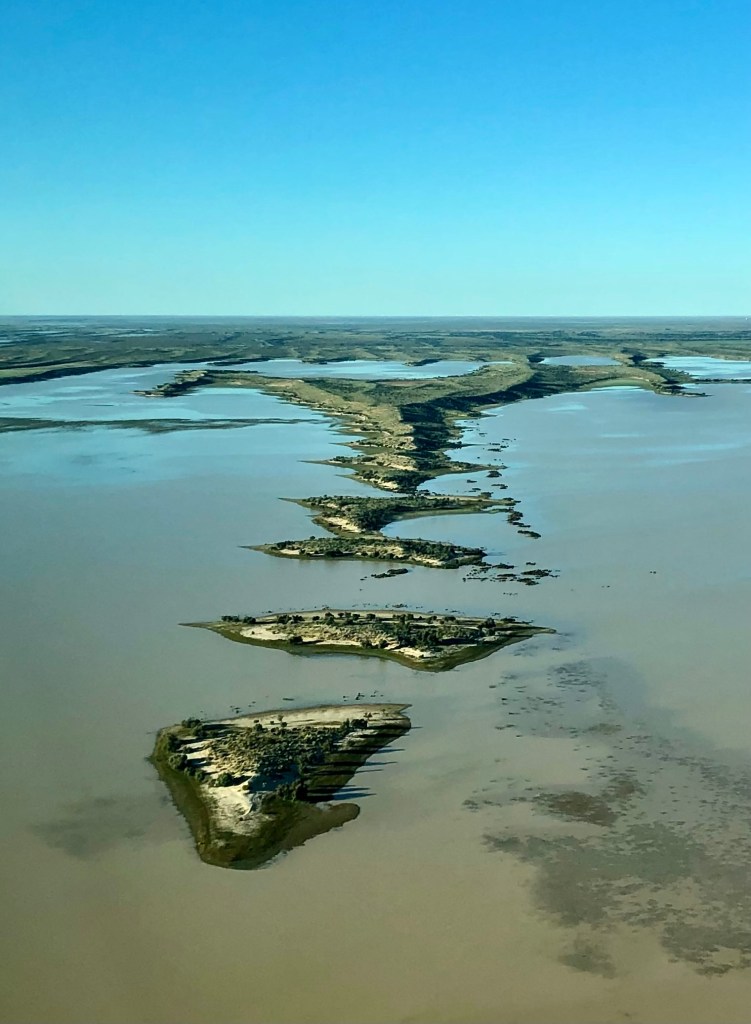
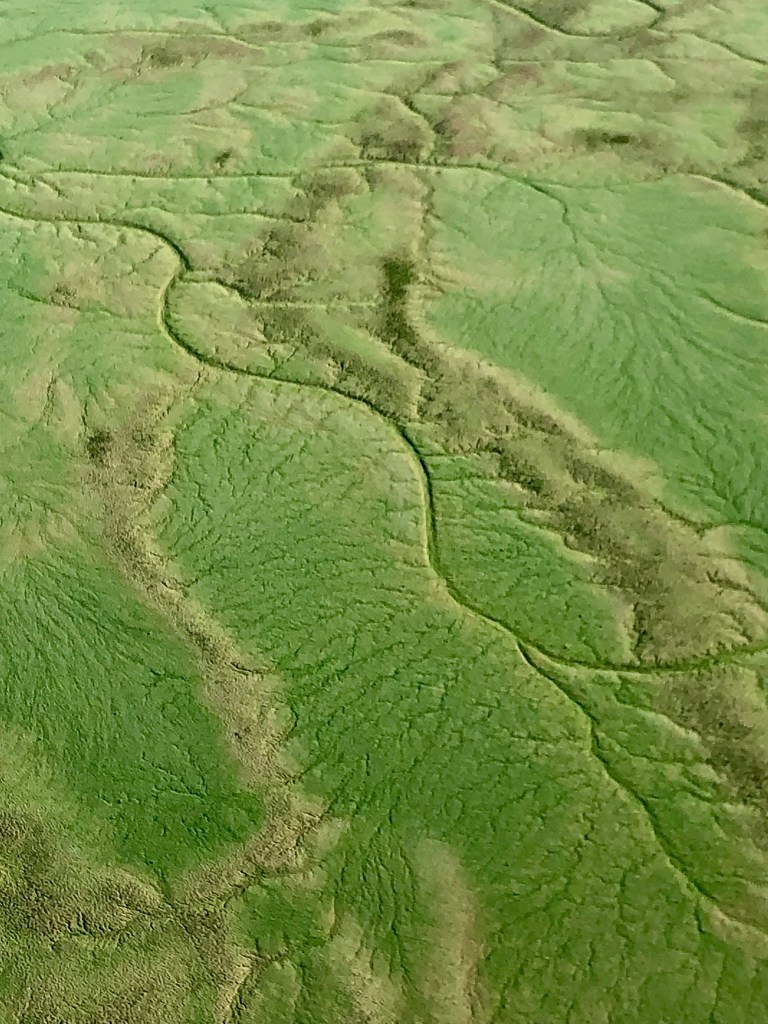

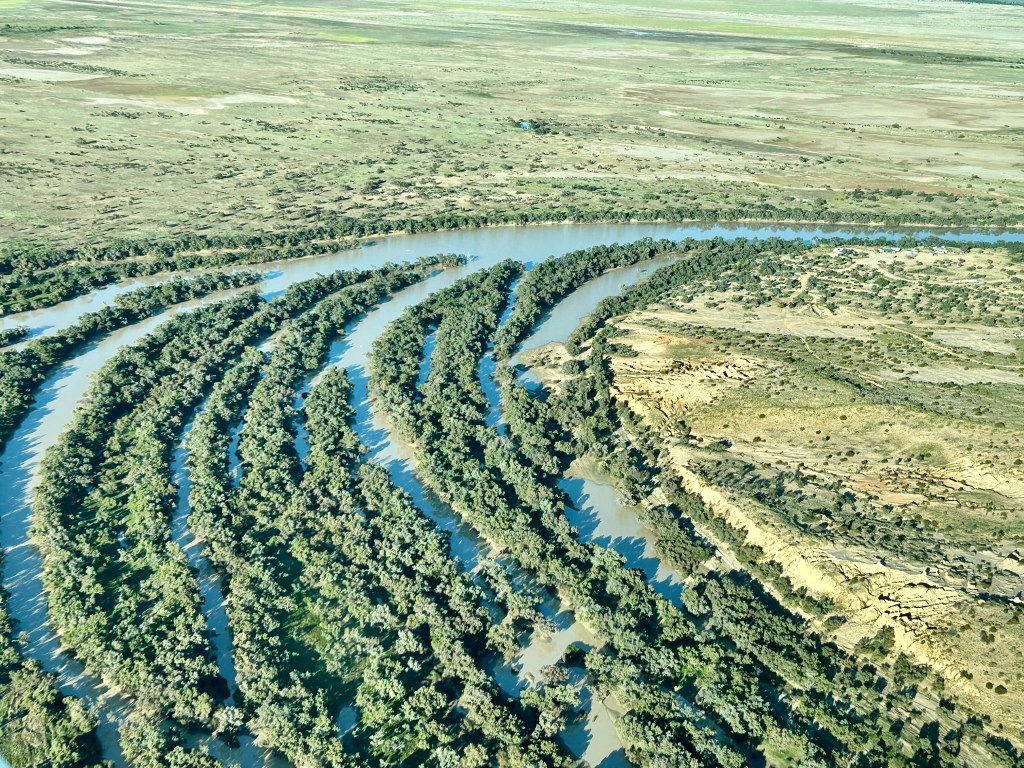
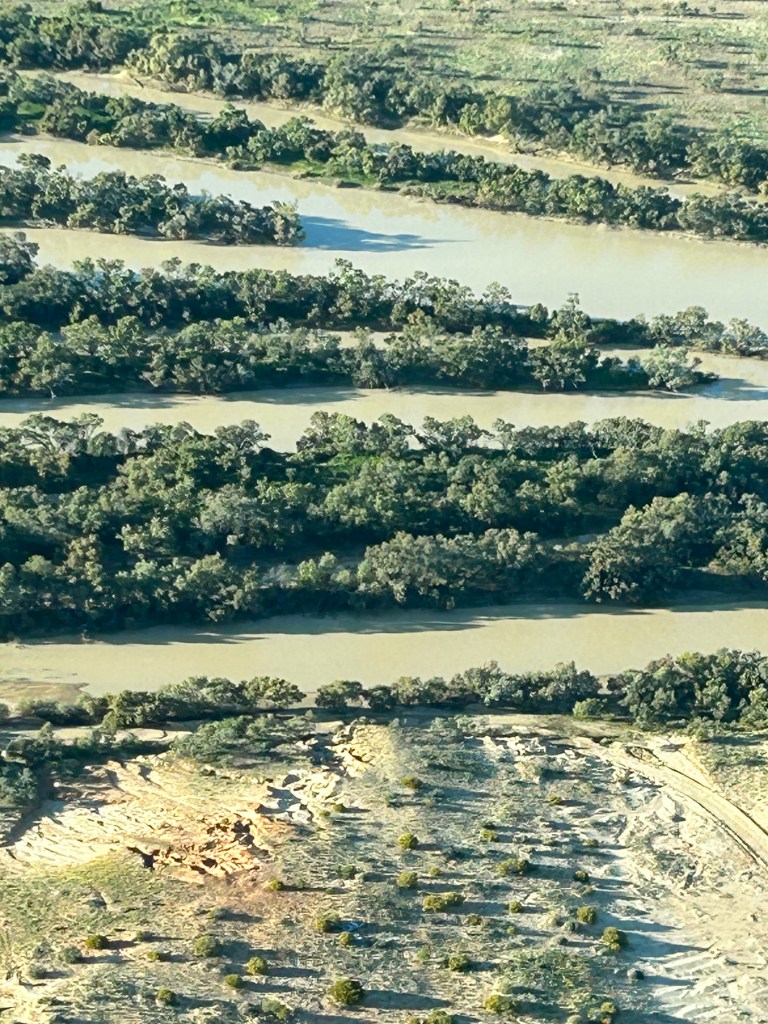


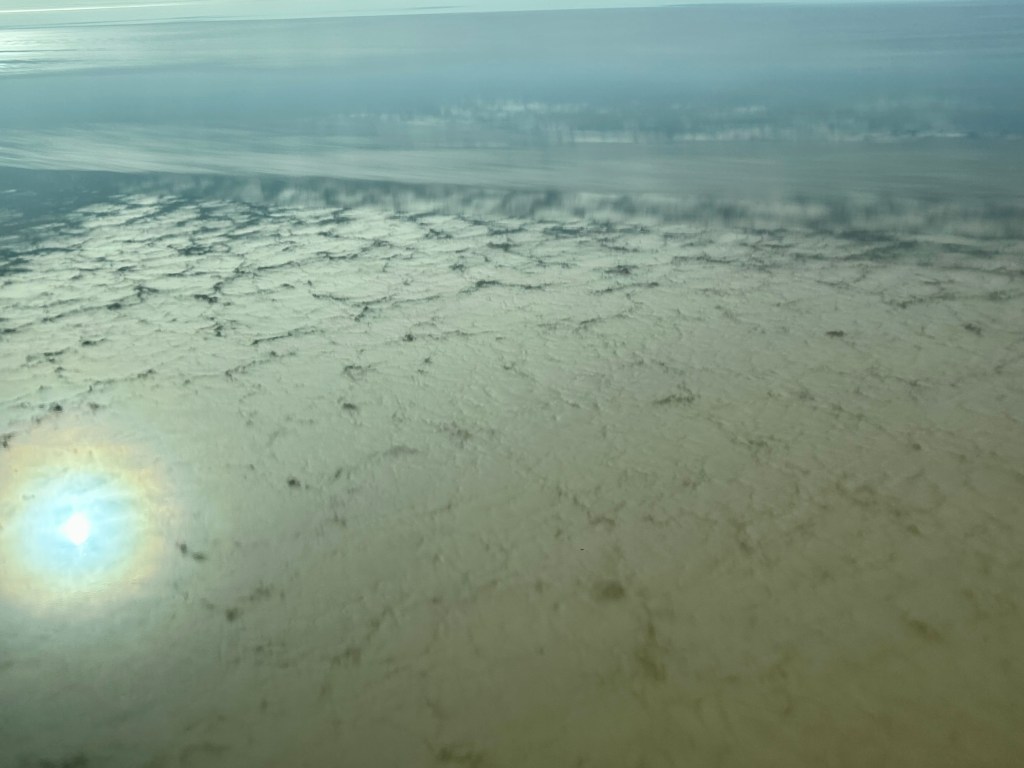

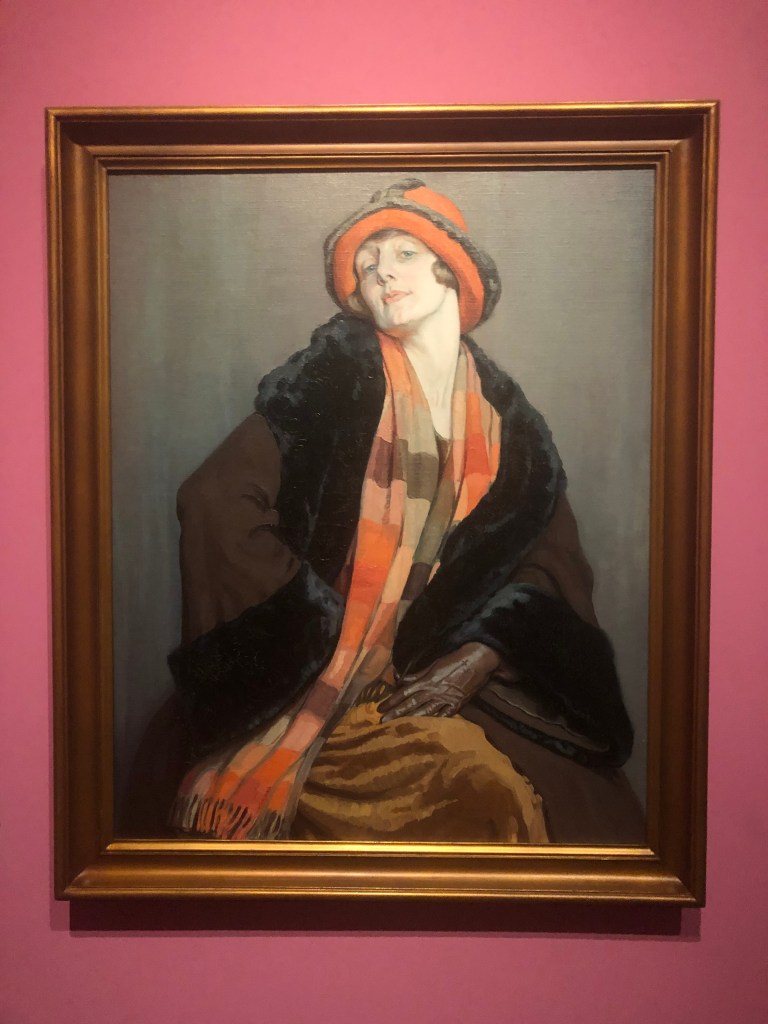

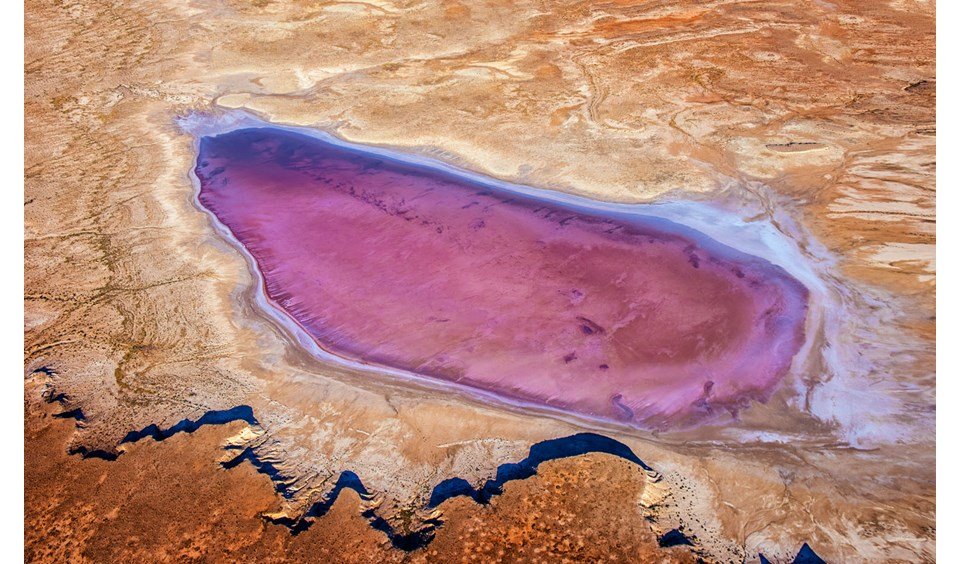


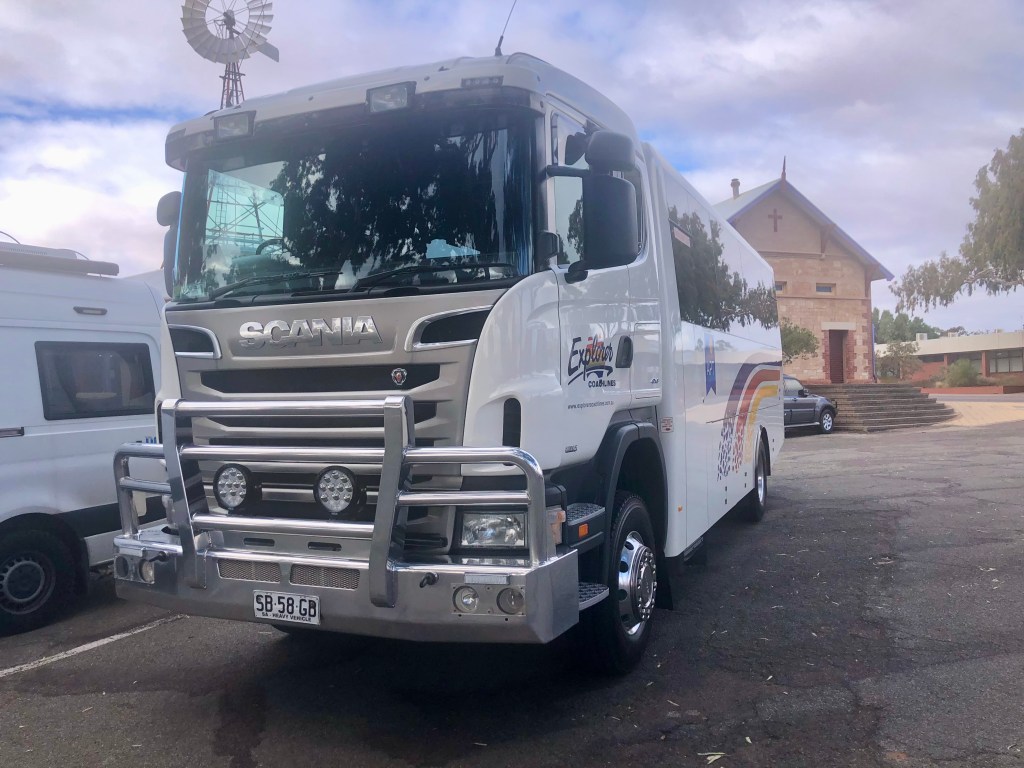


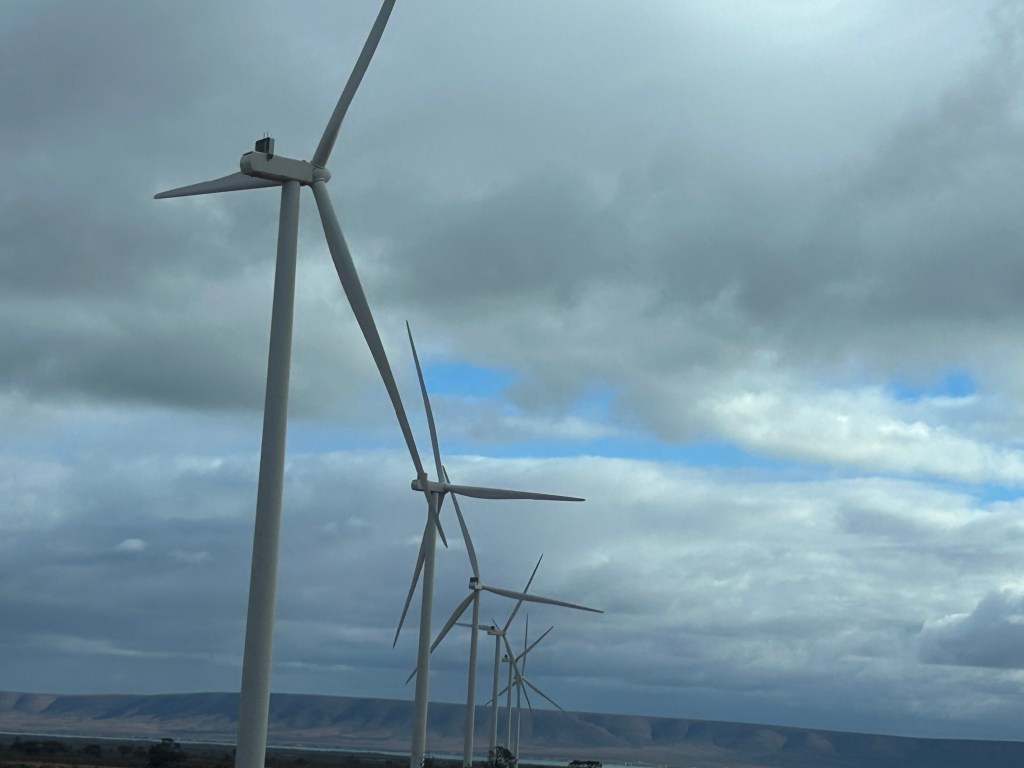


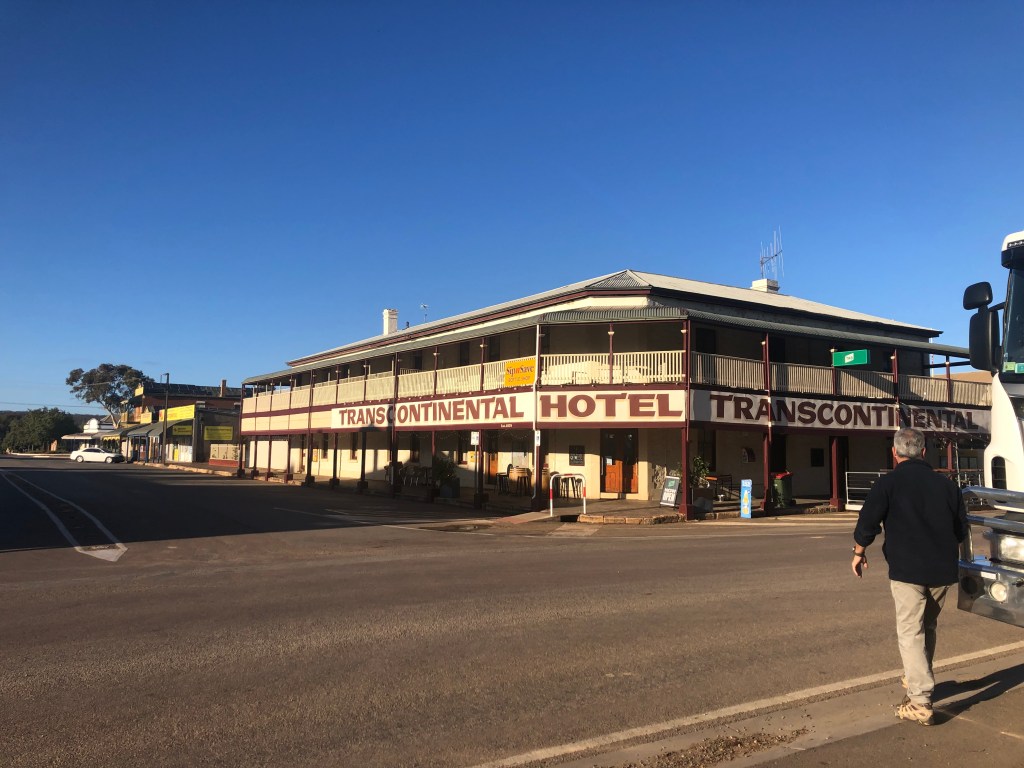
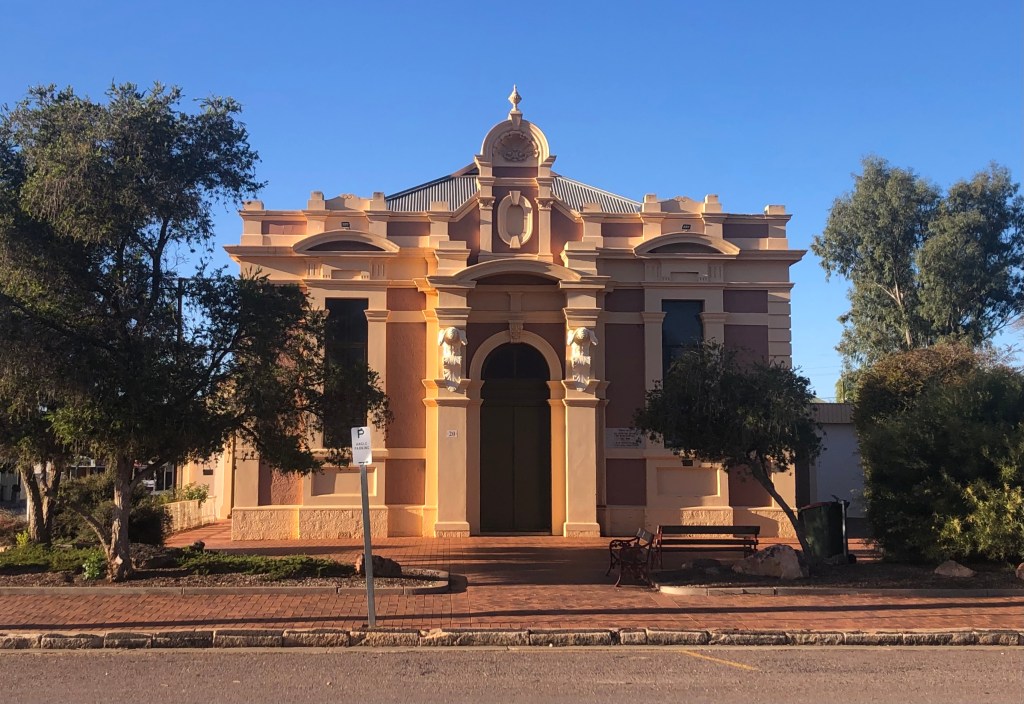


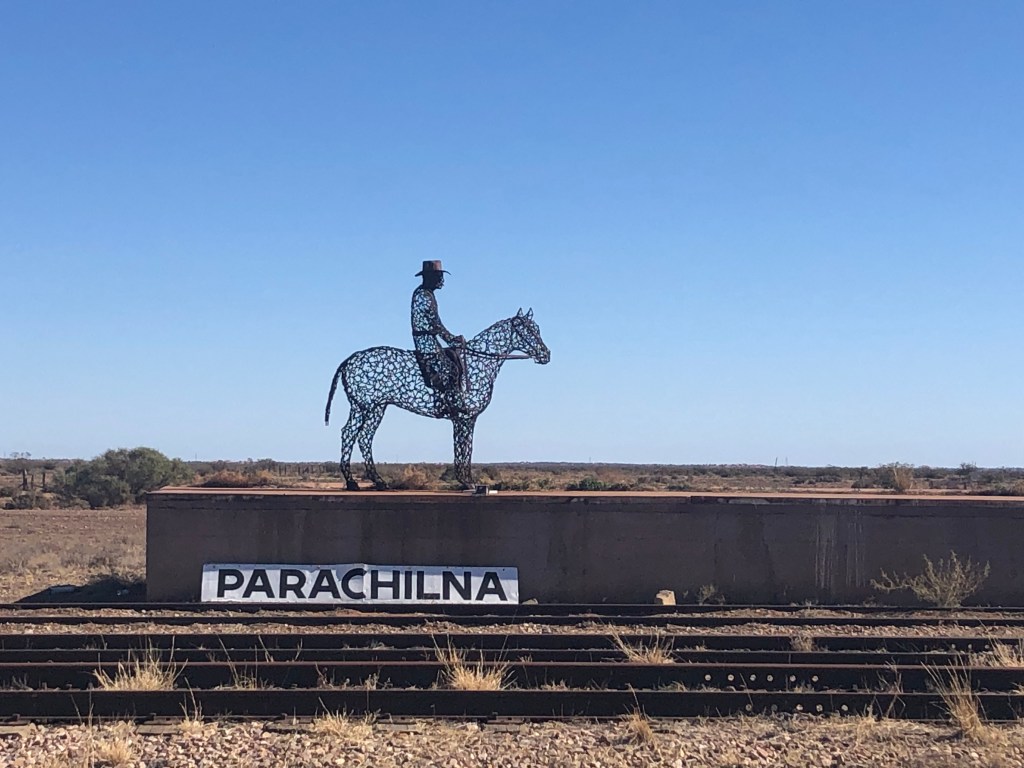


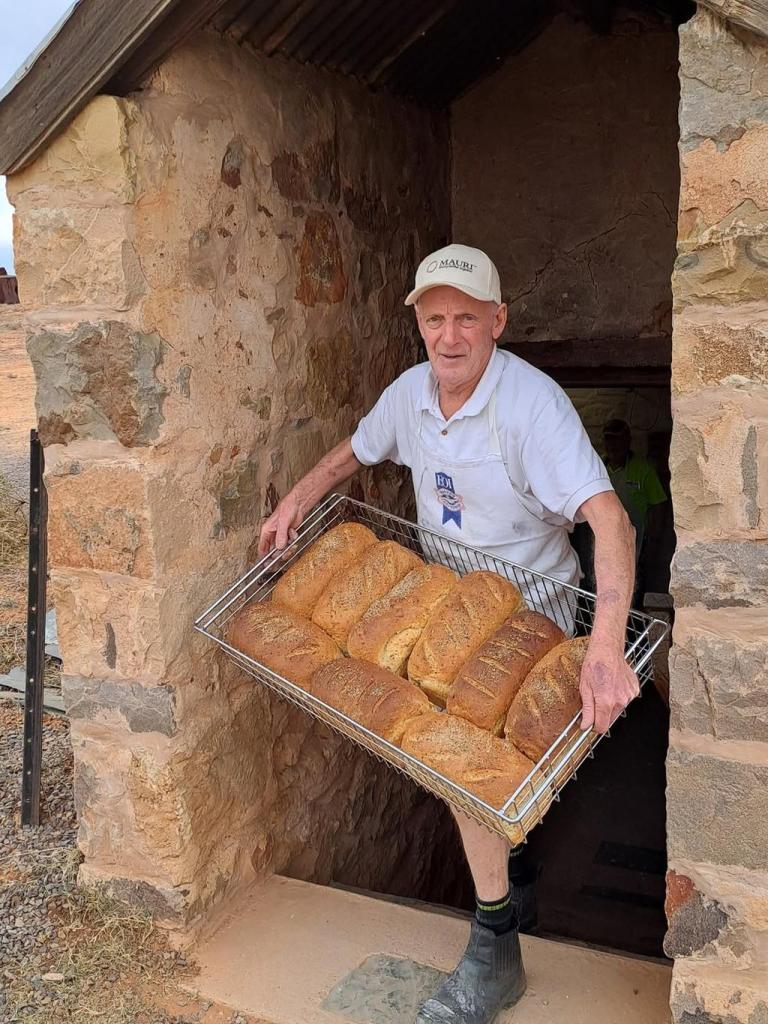


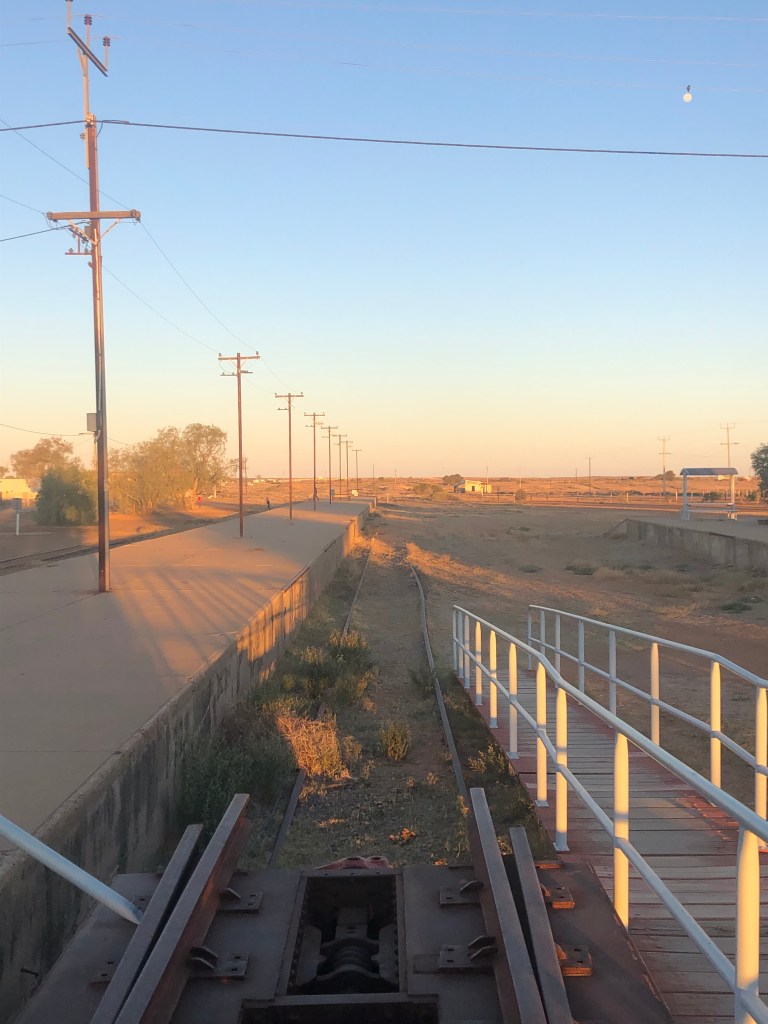



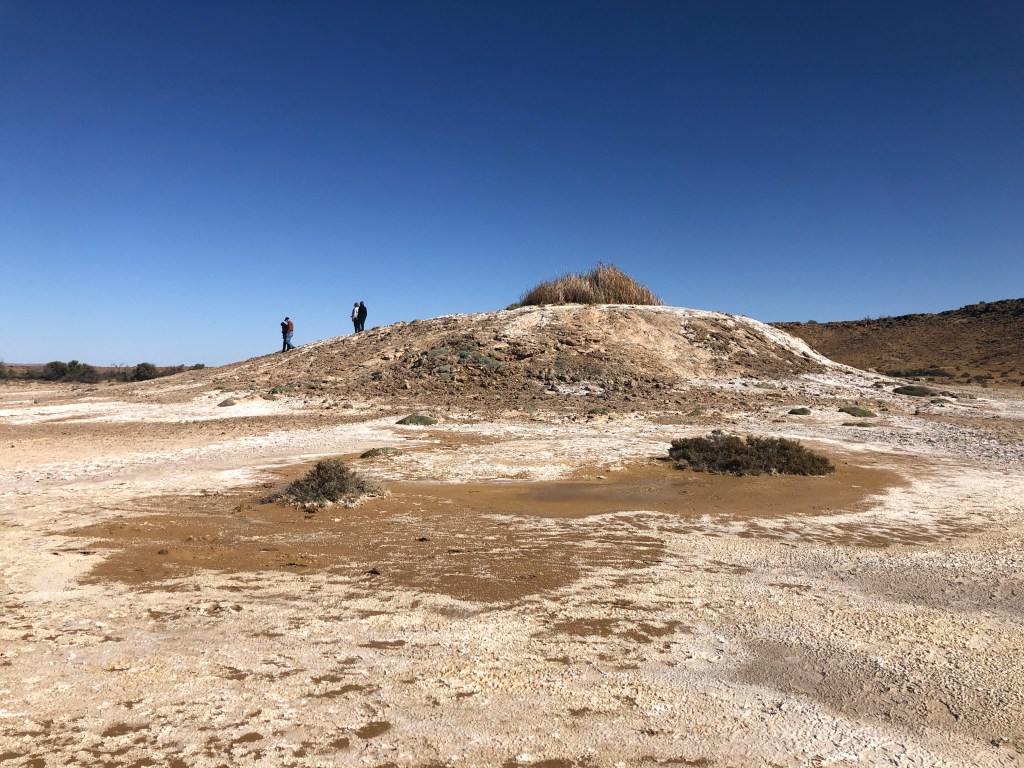

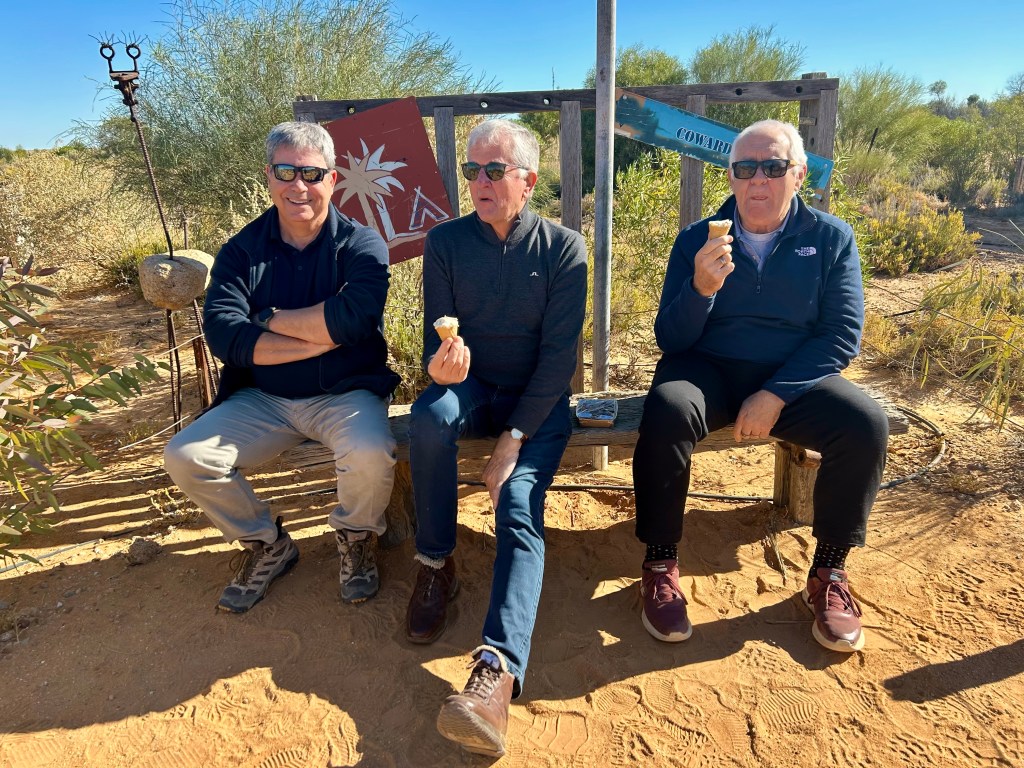


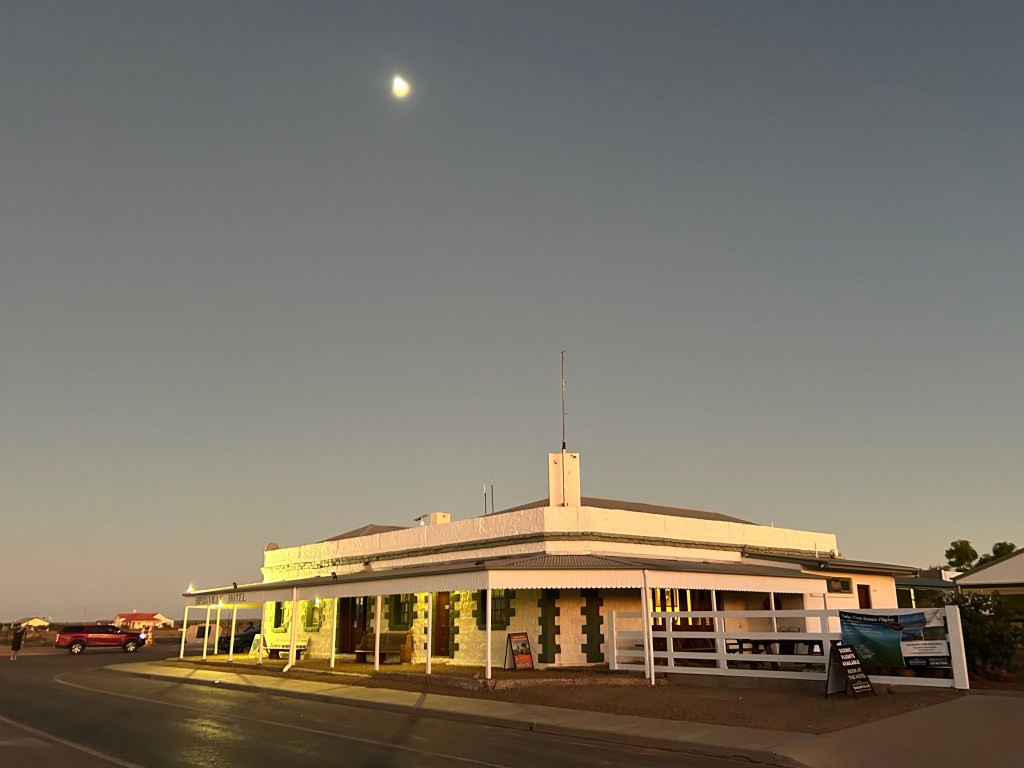

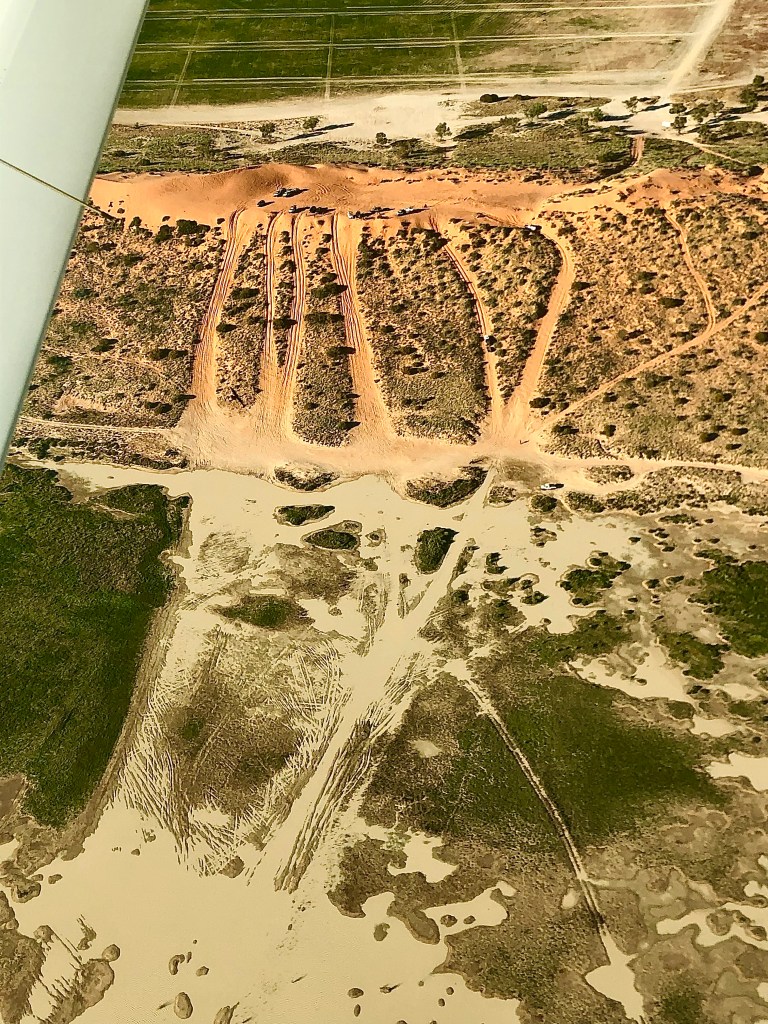
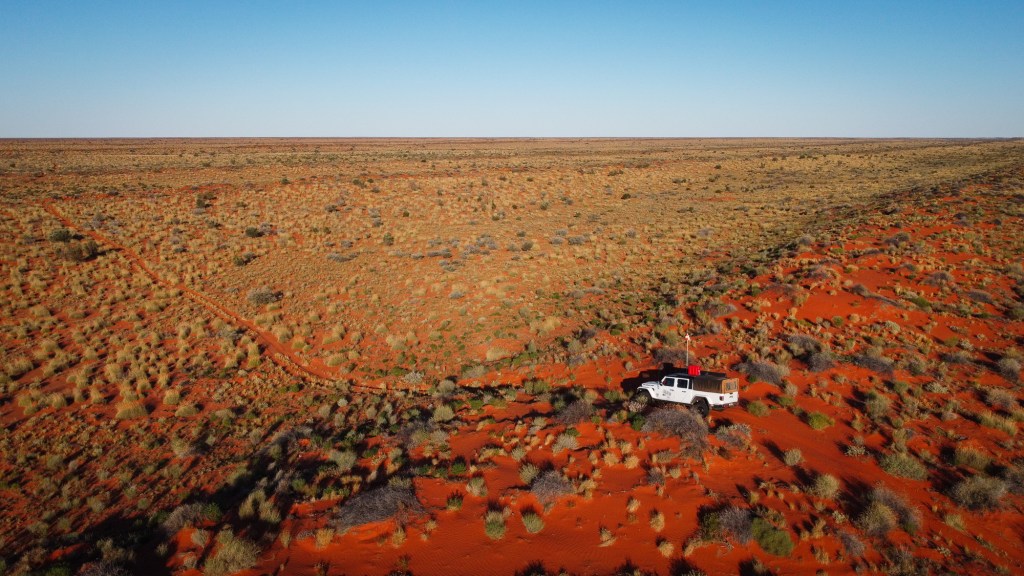

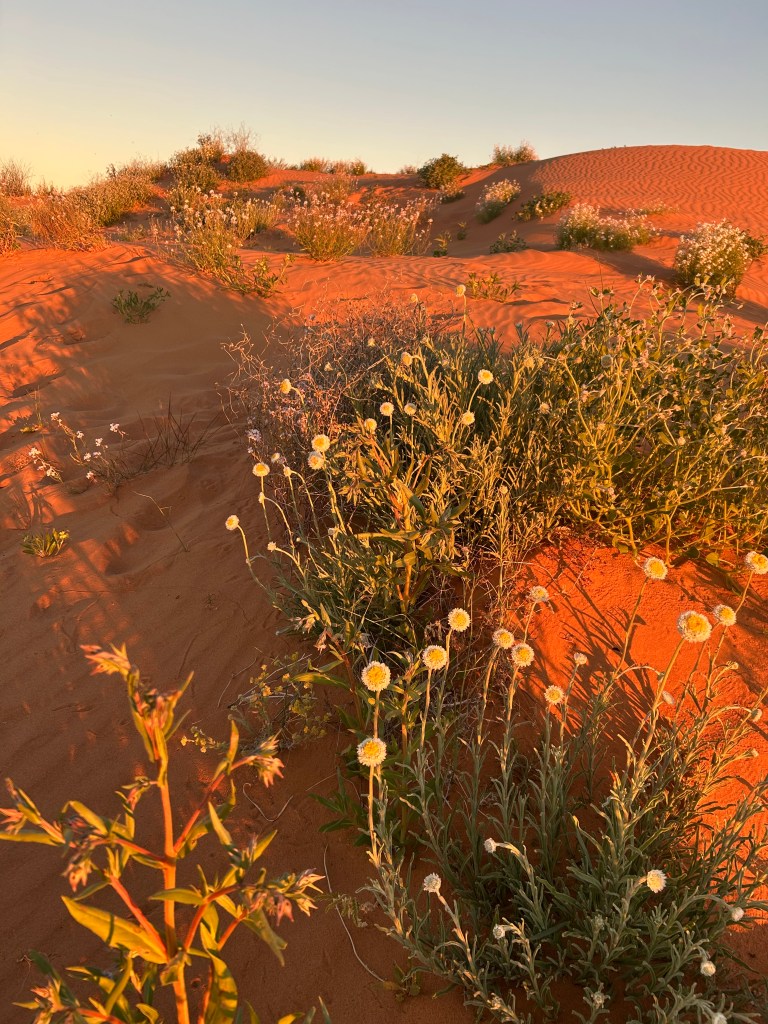
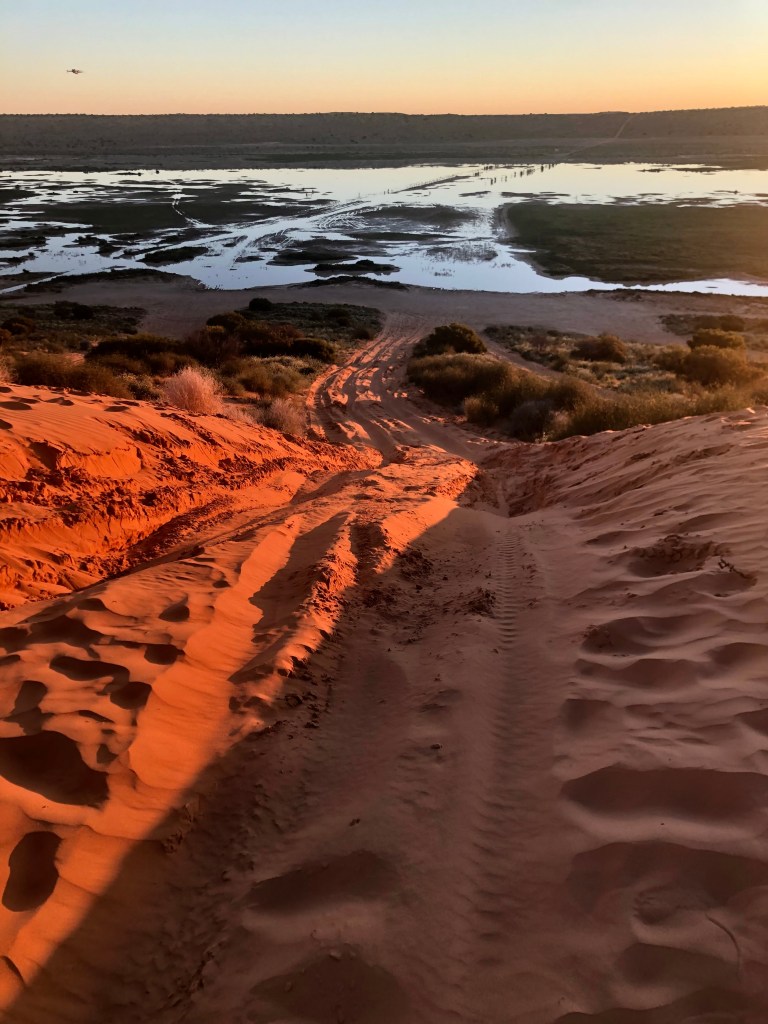
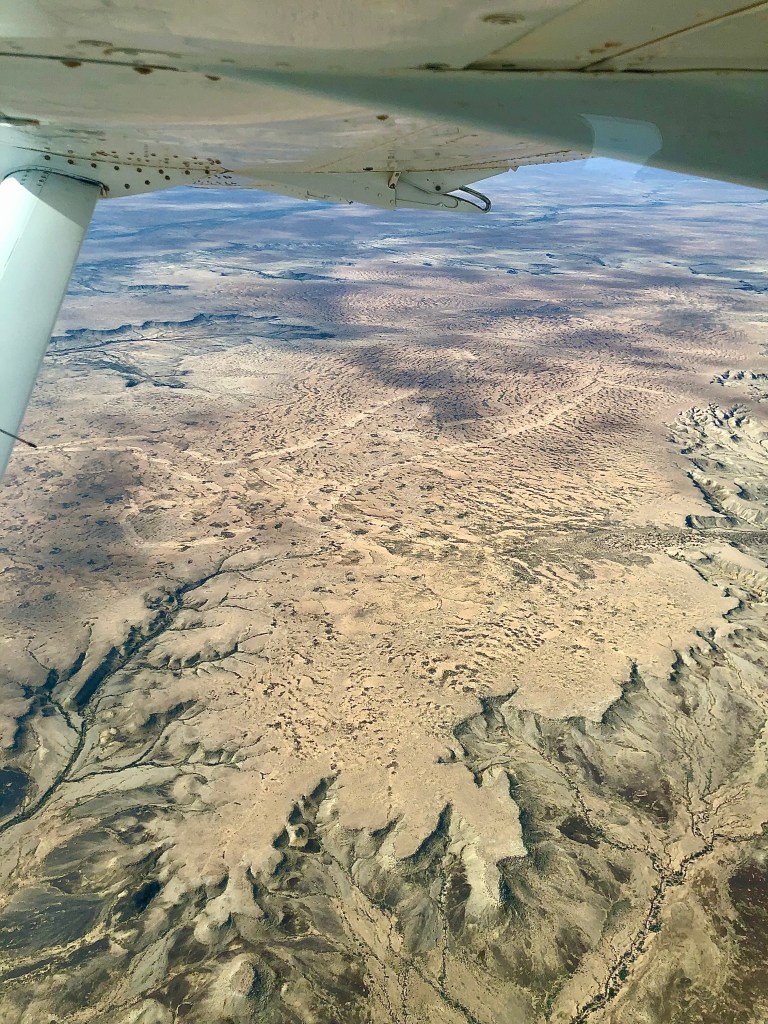


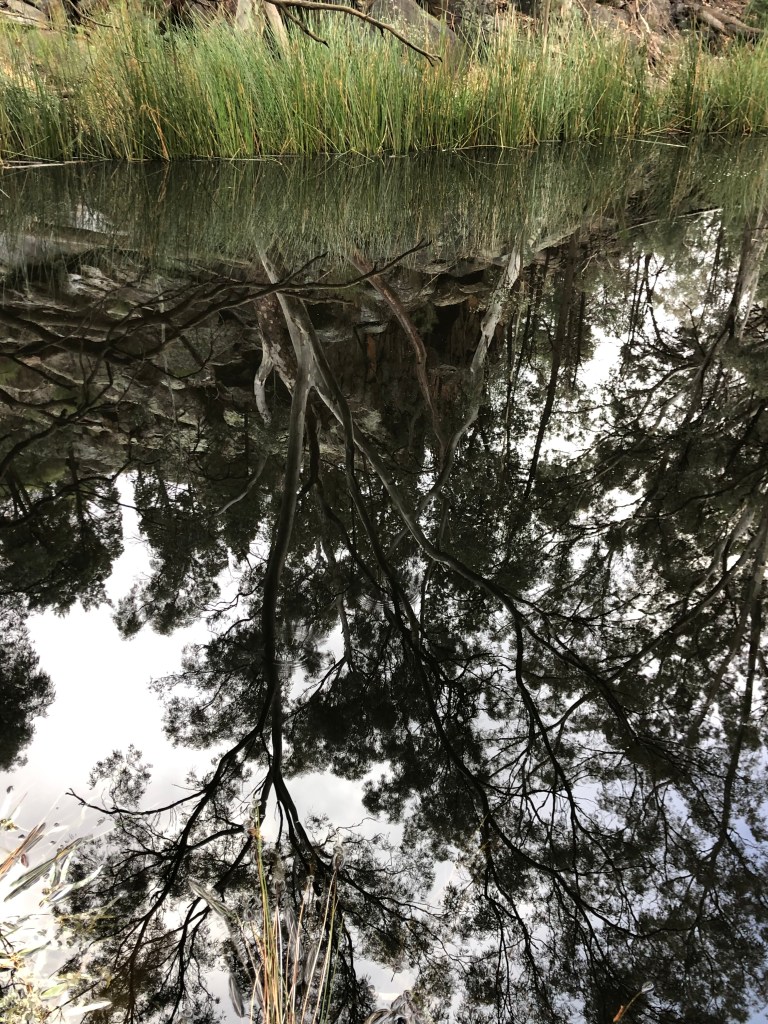
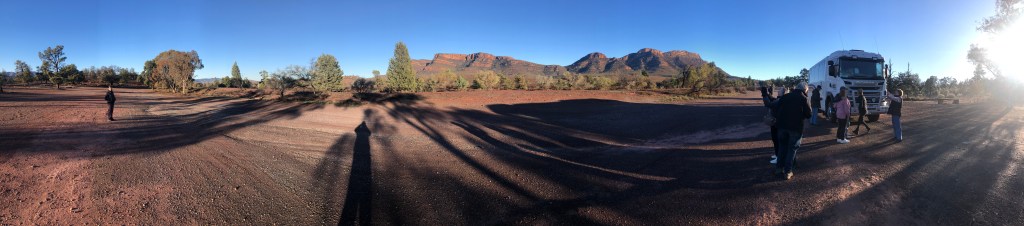
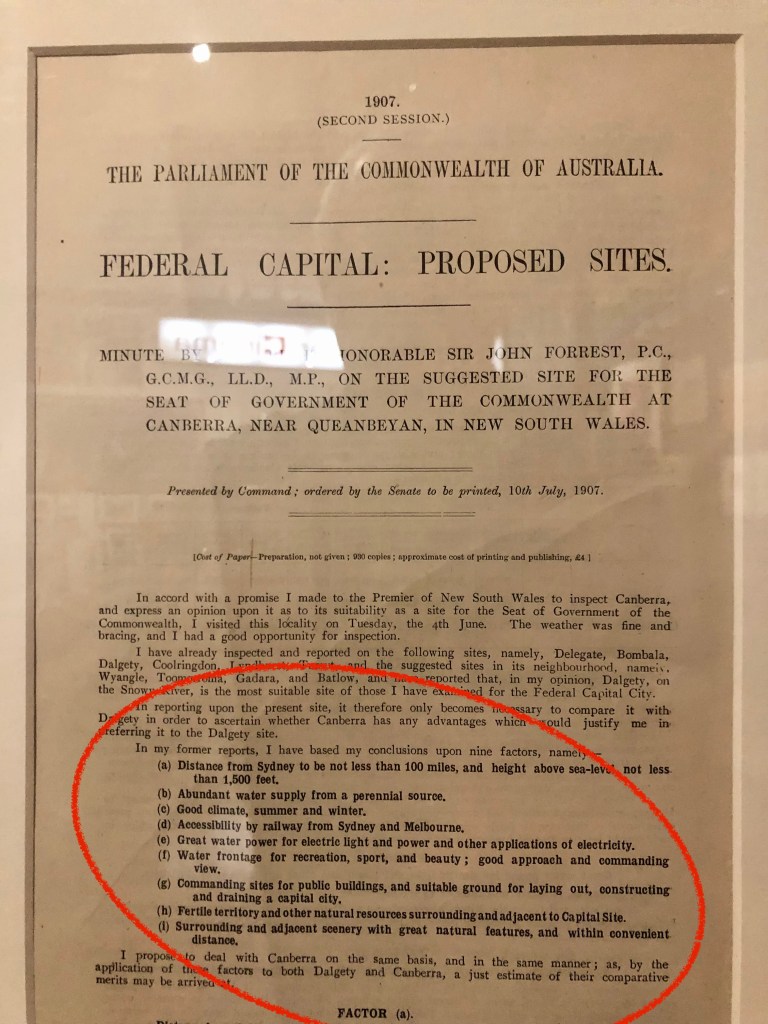







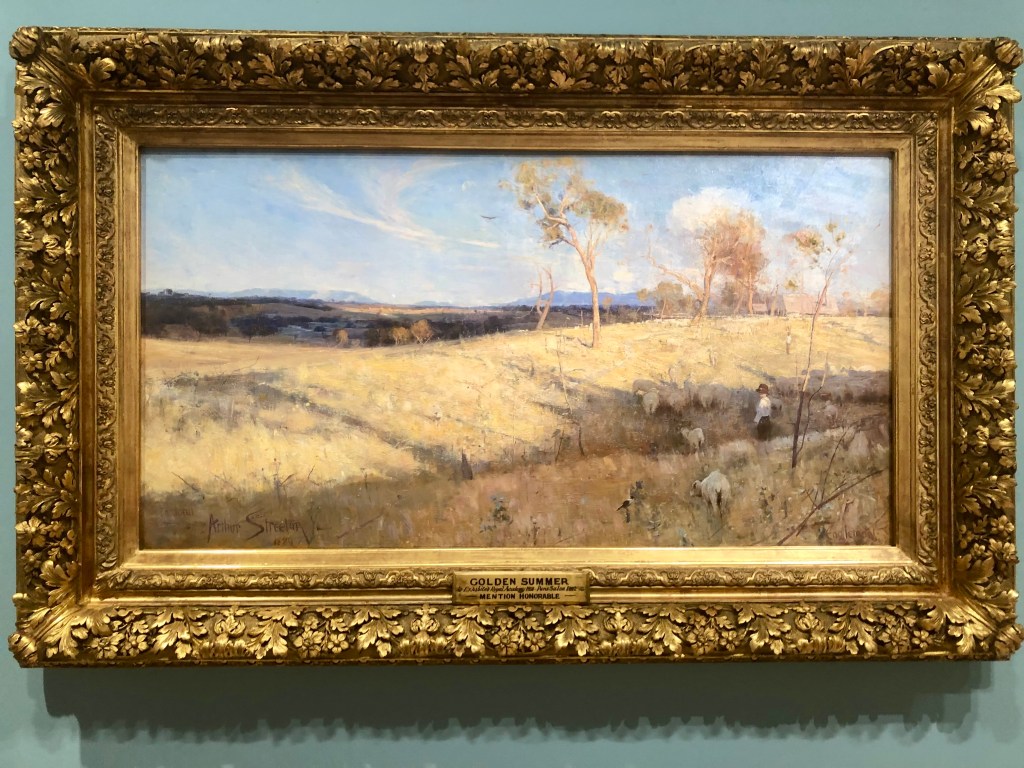

















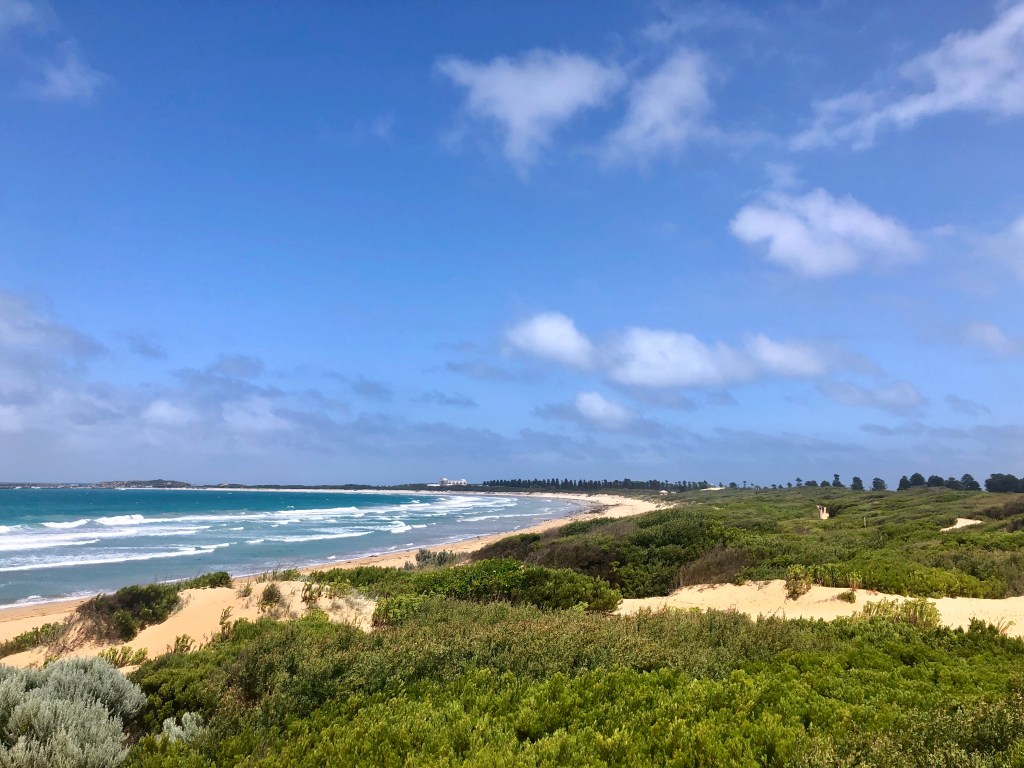






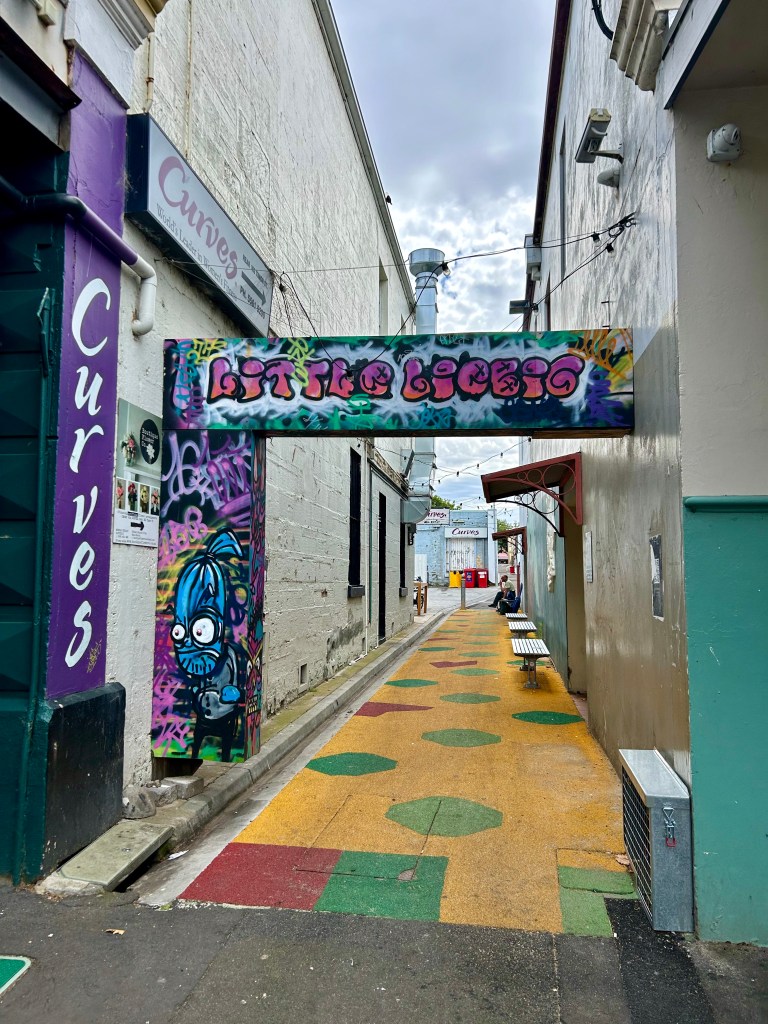

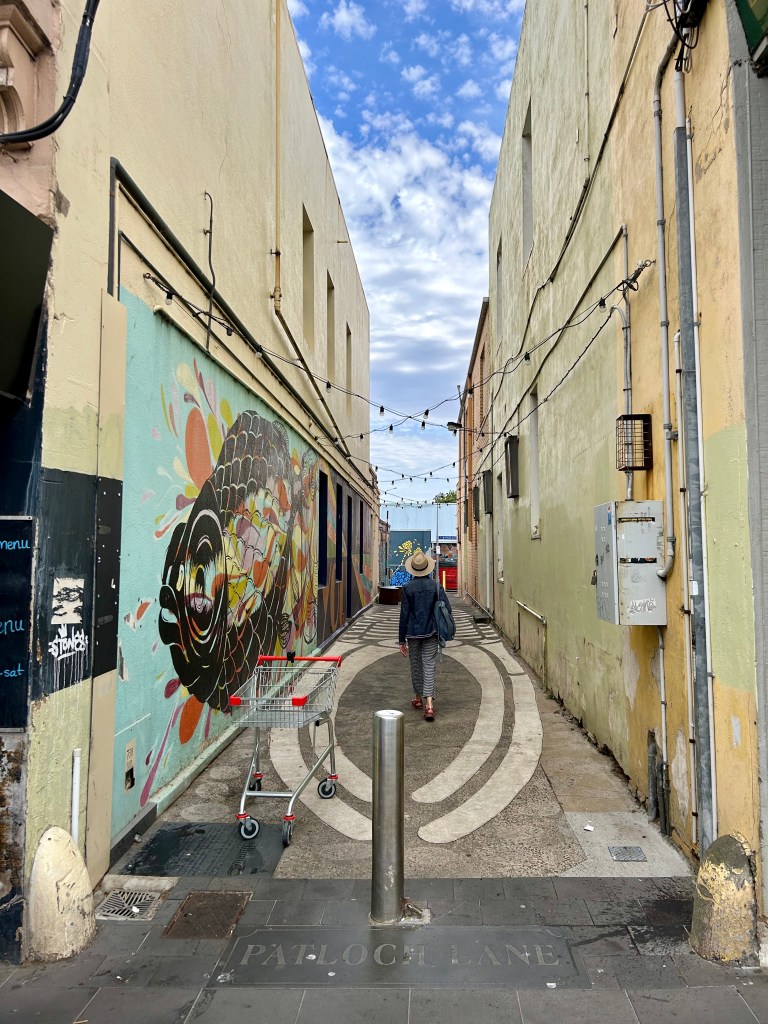



 mcraeblog
,_Ni%C3%A9pce_1827_%E2%80%94_HRC_2020_(cropped).jpg)


